Have you ever bitten into a crepe so light yet packed with protein that you couldn’t believe it was actually good for you? That’s exactly what High Protein Cottage Cheese Crepes deliver—a perfect balance of flavor and nutrition. I first stumbled upon this recipe when I was looking for a breakfast option that would keep me full without weighing me down. After a few tweaks, I landed on a version that’s become a staple in my kitchen, and I’m excited to share it with you.
In this article, you’ll learn seven tried-and-true secrets to making these crepes effortlessly. I’ll walk you through the best techniques for blending the cottage cheese smoothly, achieving the perfect batter consistency, and cooking them to golden perfection without sticking. I’ve also included tips for customizing the recipe to fit your taste, whether you prefer them sweet or savory.
What I love most about these crepes is how versatile they are. You can enjoy them as a quick breakfast, a post-workout snack, or even a light dinner. Plus, they’re a great way to sneak in extra protein without sacrificing flavor. Stick with me, and I’ll show you how to master this recipe step by step. Let’s get started!
Why High Protein Cottage Cheese Crepes Are a Breakfast Game-Changer
What I love most about these crepes is how they’ve completely transformed my mornings. When I first started making them, I was amazed at how high-protein and satisfying they were without leaving me feeling heavy. Whether you’re rushing out the door or sitting down for a leisurely breakfast, these crepes are a total game-changer. They’re perfect for anyone looking to start their day with a nutritious yet delicious option. Plus, they’re so versatile—you can top them with anything from fresh fruit to savory veggies.
Nutritional Benefits of Cottage Cheese
Cottage cheese is the secret star of this recipe, and it’s packed with high protein that keeps you full for hours. I’ve found that adding it to crepes not only boosts the protein content but also gives them a creamy texture. It’s a fantastic alternative to traditional flour-based crepes, especially if you’re looking for gluten-free or low-carb options. Plus, cottage cheese is rich in calcium and other nutrients, making these crepes a wholesome choice. I often recommend them to friends who want a breakfast that’s both filling and healthy.
Versatility for Sweet or Savory Toppings
One of my favorite things about these crepes is how adaptable they are. On busy mornings, I’ll whip up a batch and top them with Greek yogurt and berries for a quick high-protein breakfast. Other times, I’ll go savory with scrambled eggs and avocado. The possibilities are endless, and I’ve even used them as a base for light dinners. No matter how you dress them up, these crepes are always a hit in my kitchen. They’re proof that healthy eating doesn’t have to be boring!
Essential Ingredients for Perfect Cottage Cheese Crepes
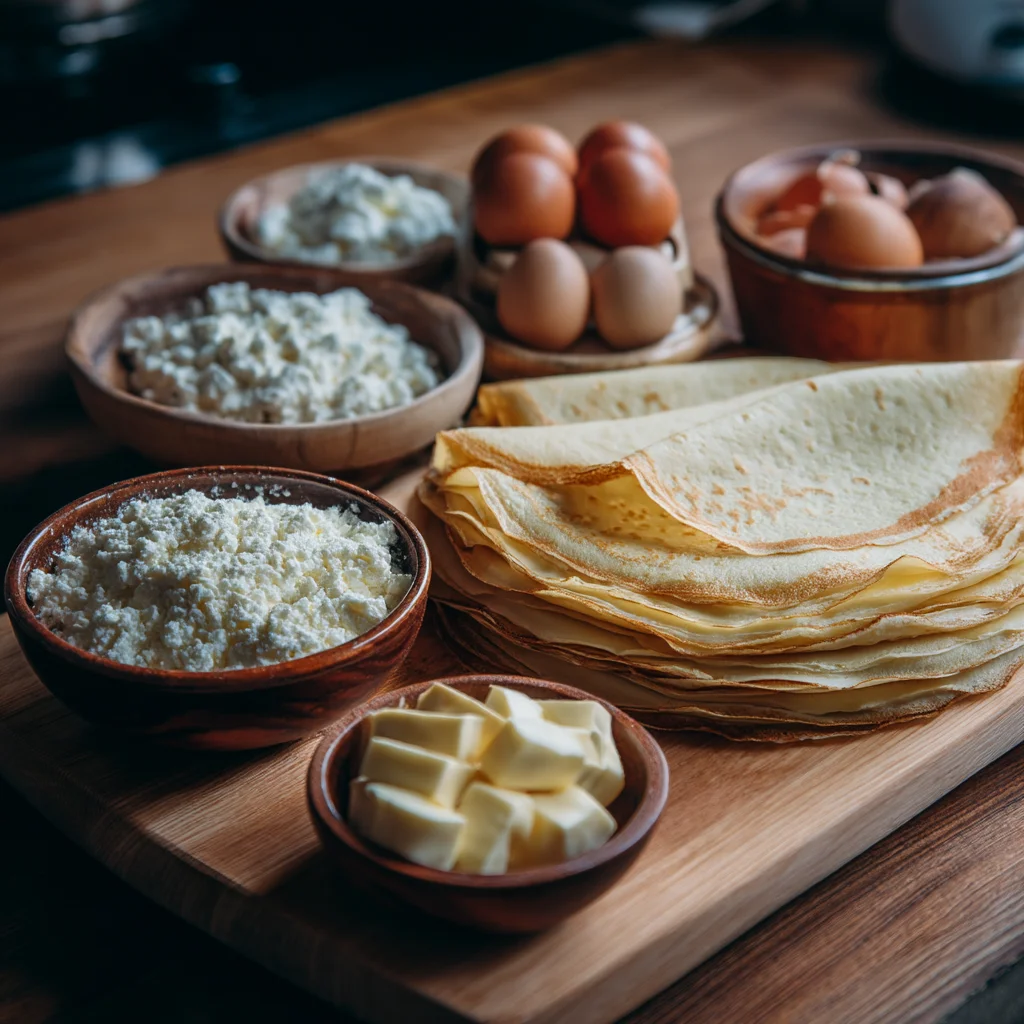
Since these crepes shine with their high-protein versatility, let’s talk about what makes them so special. The base is simple: cottage cheese, eggs, and a flour alternative like almond or coconut flour to keep them gluten-free. I love adding a splash of vanilla and a pinch of cinnamon for warmth, plus a tiny bit of salt to balance the flavors. If you’re out of vanilla, a dash of almond extract works just as well. For my low-carb friends, swapping regular flour for protein powder (unflavored or vanilla) gives an extra boost without sacrificing texture.
Best Cottage Cheese to Use
I’ve tested every brand, and full-fat cottage cheese gives the crepes the richest, creamiest texture. If you’re watching calories, low-fat works too, but avoid fat-free—it can make them rubbery. My go-to is small-curd because it blends smoother, but if you don’t mind a bit of texture, large-curd adds a fun bite. For a dairy-free version, I’ve had luck with blended silken tofu, though the flavor is milder. Just make sure whatever you use is well-drained to avoid watery batter.
Flavor Enhancers & Substitutions
Don’t skip the vanilla—it’s the secret to making these taste like a treat. If you’re out, a teaspoon of honey or maple syrup mixed into the batter adds sweetness. For savory versions, I’ll ditch the cinnamon and add garlic powder or fresh herbs. Egg substitutions can be tricky, but a flax egg (1 tbsp ground flax + 3 tbsp water) works in a pinch. The key is experimenting until you find your perfect combo—I’ve even added a scoop of peanut butter for extra protein, and it was delicious!
Step-by-Step Guide to Making Cottage Cheese Crepes
Once you’ve gathered your ingredients—like the full-fat cottage cheese I swear by—it’s time to make the batter. I always blend mine until it’s completely smooth; a few pulses won’t cut it. If you’re going for gluten-free or no flour, this step is even more crucial to avoid lumps. I use a nonstick skillet heated to medium-low—too hot, and the edges will crisp before the middle sets. Pour just enough batter to coat the pan thinly, swirling it quickly to spread evenly.

How to Prevent Tearing
The key to perfect crepes is patience. I’ve learned that cooking them for about 90 seconds on the first side lets them set without sticking. When flipping, I use a thin spatula and gently lift the edges first. If the crepe feels too delicate, I’ll slide it onto a plate and flip it back into the pan. This method has saved me from countless torn crepes. Keeping the pan at the right temperature—not too hot, not too cool—is the real game-changer.
Flipping Techniques for Delicate Crepes
Flipping crepes can be intimidating, but it’s all about confidence. I’ve found that using two hands—one with a spatula and the other guiding the crepe—helps immensely. For an extra smooth flip, I’ll slide the spatula completely under the crepe before lifting. If you’re nervous, practice with smaller crepes first. Once you get the hang of it, you’ll be flipping like a pro. Remember, even if a crepe tears, it’s still delicious—just roll it up and enjoy!
Expert Tips for Flawless High Protein Crepes
Getting those delicate flips just right is only half the battle—mastering the prep work makes all the difference. Since these crepes are no flour and packed with cottage cheese, they need a little extra TLC. I’ve learned that letting the batter rest for 10-15 minutes gives the proteins time to relax, resulting in smoother, more pliable crepes. If you skip this step, they’ll often tear or cook unevenly.
Equipment Recommendations
I swear by my nonstick skillet—it’s the MVP for gluten-free crepes. A thin, flexible spatula is also key for flipping without mishaps. If you’re serious about crepes, invest in a crepe spreader or even just a small offset spatula to help swirl the batter thinly. I’ve tried stainless steel pans, but they’re unforgiving with low-carb batters. Trust me, nonstick is worth it.
Temperature Control Secrets
Medium-low heat is your friend here. Too hot, and the crepes brown before setting; too cool, and they’ll stick. I test the pan by flicking a few water droplets—if they sizzle gently, it’s ready. My trick? I keep a damp towel nearby to cool the pan slightly between crepes if needed. Consistency is everything.
Storage and Reheating Methods
These crepes reheat surprisingly well! I layer them between parchment paper in an airtight container—they’ll keep for 3 days in the fridge. For reheating, I pop them in a dry skillet for 30 seconds per side or microwave them covered with a damp paper towel. They won’t be quite as tender, but they’ll still taste great rolled up with your favorite fillings.
Creative Variations for Every Taste
After perfecting the storage and reheating of these high-protein cottage cheese crepes, I realized they’re a blank canvas for endless flavor combinations. Whether you’re craving sweet or savory, there’s a version for you. I love how versatile they are—they can be low-carb, gluten-free, or even no flour depending on your needs. For a keto-friendly twist, I swap almond flour for coconut flour, which gives them a slightly nutty flavor. If you’re avoiding grains altogether, tapioca flour works wonders for a chewy texture. Here are some of my favorite ways to fill them up. For more information, see Healthline Nutrition.
Savory Filling Ideas
For savory lovers, these crepes shine with hearty fillings. I often sauté spinach, mushrooms, and garlic for a quick veggie-packed option. If you’re looking for something more indulgent, try scrambled eggs with smoked salmon and a dollop of cream cheese. For a low-carb meal, I layer sliced turkey, avocado, and a drizzle of mustard. My husband loves them stuffed with grilled chicken, pesto, and sun-dried tomatoes. These combinations keep me coming back for more—they’re satisfying without feeling heavy. For more information, see Mayo Clinic Nutrition.
Common Mistakes to Avoid With Cottage Cheese Crepes
After experimenting with low-carb and no flour versions of cottage cheese crepes, I’ve learned that small mistakes can make a big difference in texture and taste. Whether you’re going gluten-free or keeping it classic, avoiding these pitfalls will help you nail this recipe every time. For more information, see EatingWell.
Fixing Broken Batter
One of the most common issues I’ve faced is a batter that breaks or clumps. This usually happens if the cottage cheese isn’t blended smoothly enough. I always use a high-speed blender to ensure it’s creamy and lump-free. If your batter is too thick, add a splash of milk or water—it should pour easily but not be runny. Cooking temperature matters too; I find that medium heat works best. Too hot, and the crepes will tear; too low, and they’ll stick to the pan.
Storage Mistakes That Ruin Texture
Storing crepes incorrectly can turn them soggy or dry. I’ve learned to let them cool completely before stacking them with parchment paper in between. If you’re meal prepping, wrap them tightly in foil or store them in an airtight container. They’ll stay fresh for up to three days in the fridge. For longer storage, freeze them flat on a baking sheet before transferring to a freezer bag. This keeps their delicate texture intact for reheating later.
Nutrition Facts and Serving Suggestions
After mastering the art of making these high-protein cottage cheese crepes, it’s important to understand how they fit into your day. Each crepe packs about 10 grams of protein, making them a fantastic low-carb and gluten-free option for anyone looking to fuel up without flour. They’re also surprisingly light, with only about 120 calories per serving, so you can enjoy a couple without guilt. I love pairing them with fresh berries and a drizzle of honey for a balanced breakfast, but they’re versatile enough for savory fillings like scrambled eggs or avocado too.

Meal Prep Strategies
I’ve found that these crepes are a lifesaver for busy mornings. To make them ahead, I cook a batch on Sunday and store them in the fridge with parchment paper between each one. They reheat beautifully in a skillet or microwave for about 30 seconds. I often prep toppings like sliced bananas or nut butter in advance to save time. If you’re feeling fancy, try rolling them up with a filling and storing them as grab-and-go snacks. They’ll keep fresh for up to three days, making mornings smoother.
Complementary Side Dishes
When I’m serving these crepes, I like to round out the meal with sides that complement their rich, creamy texture. A simple green salad with lemon dressing works wonders for a savory twist, while Greek yogurt and granola make a hearty breakfast combo. For something lighter, I’ll toss together a fruit salad or add a handful of roasted nuts. These crepes are so adaptable that you can mix and match toppings and sides to suit any mood or craving.
Frequently Asked Questions
How do I make high protein cottage cheese crepes fluffy?
To make your crepes fluffy, I recommend whipping the cottage cheese until it’s smooth before mixing it into the batter. This helps eliminate lumps and creates a lighter texture. Also, let the batter rest for 15-20 minutes before cooking to allow the ingredients to meld. Finally, use a nonstick skillet on medium heat and swirl the batter thinly for even cooking. These steps ensure your crepes come out airy and tender.
What can I substitute for cottage cheese in crepes?
If you don’t have cottage cheese, you can use ricotta cheese or Greek yogurt for a similar creamy texture and protein boost. Ricotta will give a slightly richer flavor, while Greek yogurt adds tanginess. For a dairy-free option, try blended silken tofu or a plant-based yogurt. Just keep in mind that substitutions may slightly alter the texture, but they’ll still work well in your crepe batter.
Can I freeze high protein cottage cheese crepes?
Yes, you can freeze these crepes! I usually let them cool completely, then layer them between parchment paper and store them in a freezer-safe bag or container. They’ll keep for up to 2 months. When you’re ready to eat, just thaw them in the fridge overnight or reheat them directly in a skillet over low heat. They’ll still taste fresh and are perfect for quick meals.
Why use cottage cheese in crepes instead of milk?
Using cottage cheese in crepes adds a protein boost and creates a richer, creamier texture compared to just using milk. It also gives the crepes a subtle tanginess that pairs well with both sweet and savory fillings. Plus, cottage cheese is packed with nutrients like calcium and protein, making these crepes a healthier option. I love how it elevates the dish while keeping it simple and nutritious.
Why Trust Me?
I’ve been making these high protein cottage cheese crepes every weekend for the past two years—I’ve lost count after 100+ batches! The game-changer was realizing that blending the cottage cheese until completely smooth (no lumps!) gives them the perfect delicate texture. My picky nephew actually asks for these now, and he used to turn his nose up at anything “healthy.”
Final Thoughts
These high-protein cottage cheese crepes are my go-to when I want something indulgent yet nourishing—they’re fluffy, subtly sweet, and packed with 15g of protein per serving. I love how versatile they are: stuff them with berries, drizzle with honey, or go savory with scrambled eggs and herbs. Plus, the cottage cheese keeps them moist without a heavy batter, which I discovered after years of dry crepe fails!
This recipe holds a special place in my kitchen because it’s the one my picky toddler actually eats (shh—he doesn’t know it’s healthy). I’d love for you to try it and see how easily it fits into your routine—whether for meal prep or a lazy Sunday brunch.
Tell me in the comments: What’s your favorite way to enjoy crepes? Sweet or savory? I’m always looking for new ideas to test!

High Protein Cottage Cheese Crepes
Ingredients
Method
- Blend cottage cheese, eggs, milk, honey, and vanilla in a blender until smooth.
- Whisk together both flours, salt, and cinnamon in a separate bowl.
- Gradually add dry ingredients to the blender, mixing until just combined.
- Stir in melted butter and let batter rest for 5 minutes.
- Heat a non-stick skillet over medium heat and lightly butter it.
- Pour 1/4 cup batter into the center of the pan, swirling to coat evenly.
- Cook for 1-2 minutes until edges lift easily, then flip and cook 30 seconds more.
- Repeat with remaining batter, stacking cooked crepes on a plate.