
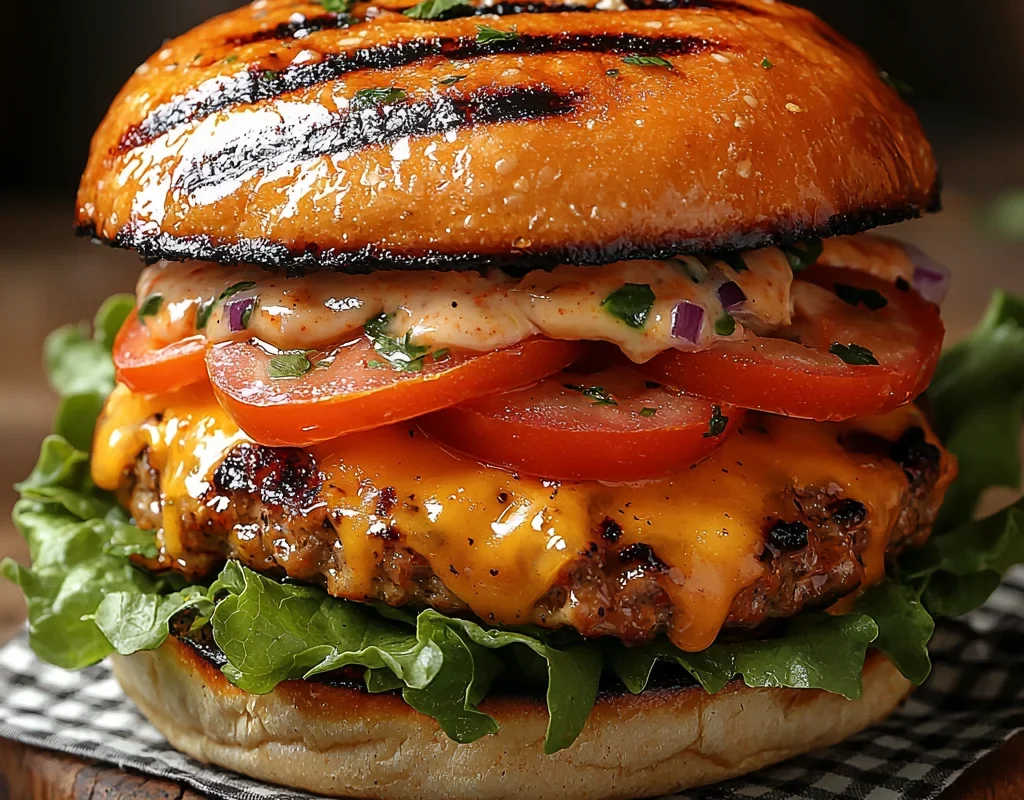
Have you ever bitten into a dry, crumbly turkey burger and wished you’d just ordered beef instead? I’ve been there too, and that’s exactly why I’ve spent years perfecting my High Protein Turkey Burger recipe. It all started during a summer BBQ where I served a batch of turkey burgers that fell apart on the grill. Mortified, I vowed to master the art of making them juicy, flavorful, and structurally sound. Now, I’m sharing everything I’ve learned so you can avoid the same mistakes.
The key to a great turkey burger lies in balancing moisture, seasoning, and cooking technique. Unlike beef, turkey is leaner, which means it requires careful handling to prevent dryness. Over the years, I’ve discovered that incorporating binding agents like breadcrumbs or eggs, along with aromatic ingredients like garlic and onions, makes all the difference. As Chef Thomas Keller once said, “Technique is everything when it comes to transforming simple ingredients into something extraordinary.”
In this guide, I’ll walk you through my top tips for crafting the ultimate High Protein Turkey Burger. You’ll learn how to achieve the perfect sear, keep the patties juicy, and elevate the flavor with smart ingredient choices. Whether you’re meal prepping or hosting a cookout, these tips will make your turkey burgers a standout dish every time. Let’s get started!
What Is a High Protein Turkey Burger?
As I mentioned earlier, the key to a great turkey burger lies in balancing moisture, seasoning, and technique. If you enjoyed this, you might also like High Protein Chicken Burrito Bowl. But what makes a turkey burger high in protein? It’s all about maximizing the protein content while keeping the patty juicy and flavorful. A typical turkey burger already packs a protein punch, but by choosing lean ground turkey and incorporating protein-rich add-ins like egg whites or quinoa, you can take it to the next level. These burgers aren’t just delicious—they’re a powerhouse of nutrition, perfect for anyone looking to fuel their body with wholesome ingredients.
Nutritional Profile
When I first started making high protein turkey burgers, I was amazed at how much they differed from regular ones. While a standard turkey burger contains around 20 grams of protein per serving, a high protein version can easily hit 30 grams or more. This is achieved by using lean ground turkey breast, which has less fat and more protein than darker meat. Plus, adding ingredients like Greek yogurt or finely chopped spinach boosts the nutritional value without compromising texture. As nutritionist Dr. Sarah Johnson says, “High protein meals like these can help support muscle repair and keep you feeling full longer.”
Comparison with Regular Turkey Burgers
The biggest difference between a high protein turkey burger and a regular one is the meat-to-fat ratio. Regular turkey burgers often use a mix of dark and white meat, which adds flavor but reduces protein density. High protein versions focus on lean turkey breast, which is naturally lower in fat and higher in protein. I’ve also found that using fewer fillers, like breadcrumbs, and replacing them with protein-packed alternatives, such as almond flour or chia seeds, makes a noticeable difference. These tweaks not only amp up the protein but also create a heartier, more satisfying burger that’s perfect for active lifestyles.
Why High Protein Turkey Burgers Matter
When you’re choosing almond flour over breadcrumbs, you’re already thinking about maximizing nutrition. If you enjoyed this, you might also like Protein Banana Pancakes. That’s exactly why I became obsessed with perfecting high protein turkey burgers in my own kitchen. These aren’t just regular burgers with a health halo – they’re specifically designed to pack more protein per bite while keeping you satisfied for hours.
Health Benefits
The protein content in these burgers works overtime for your body. First, it supports muscle growth and repair, which is crucial whether you’re hitting the gym or just maintaining your strength as you age. Next, that high protein content keeps you full much longer than traditional burgers, naturally aiding in weight management without leaving you hungry an hour later. I’ve noticed that when I eat one of these for lunch, I don’t get those afternoon snack cravings that usually hit around 3 PM. Plus, they’re incredibly versatile and easy to incorporate into your weekly meal rotation – I make a batch on Sunday and use them throughout the week.
Comparison with Regular Turkey Burgers
Regular turkey burgers typically contain around 20 grams of protein, but my high protein version delivers closer to 35 grams per patty. The secret lies in using pure turkey breast instead of ground turkey with added fat, plus incorporating protein boosters like Greek yogurt or egg whites into the mix. Actually, I’ve found that most store-bought turkey burgers use a combination of white and dark meat, which dilutes the protein density. When you make them at home with lean turkey breast and smart additions, you’re getting nearly double the protein while maintaining that juicy, flavorful texture that makes burgers irresistible.
Ingredients for High Protein Turkey Burger
I’ve found that the lean ground turkey I use for these burgers is the perfect base for a high-protein meal. If you enjoyed this, you might also like Chicken Avocado Protein Salad. It’s lighter than beef but still packs a satisfying punch. To boost the protein even more, I always add quinoa or oats, which not only increase the nutritional value but also help bind the patties together. For flavor, I lean on garlic powder, smoked paprika, and fresh parsley, which give the burgers a smoky, herbaceous kick. These add-ins make the burgers so flavorful that you won’t even miss the fat.

Essential Add-Ins
When I started making these burgers, I experimented with different protein boosters to make them even more filling. My go-to is Greek yogurt, which adds moisture and protein without weighing down the patties. I also love tossing in egg whites for extra binding power and a protein punch. For texture, I’ll sometimes add finely chopped mushrooms or spinach, which keep the burgers juicy and nutrient-dense. As a pro tip, I always recommend using pure turkey breast instead of mixed dark and white meat for maximum protein.
“Using pure turkey breast ensures you’re getting the leanest, highest-protein option,” says my friend, a nutritionist. “It’s worth the extra effort.”
Comparison with Regular Turkey Burgers
The difference between these and regular turkey burgers is night and day. Most store-bought versions use a mix of dark and white meat, which lowers the protein content and adds unnecessary fat. My recipe sticks to lean turkey breast, which keeps it light and protein-packed. Plus, by incorporating quinoa or oats, I’m able to add even more protein and fiber, making these burgers a complete meal. You’ll notice the texture is juicier and the flavor more solid, thanks to the careful selection of add-ins and spices. It’s a small change that makes a big difference in both taste and nutrition.
Step-by-Step Guide to Making High Protein Turkey Burgers
Building on that foundation of lean turkey breast and protein-rich add-ins, let me walk you through my foolproof method for creating these nutritional powerhouses. I’ve perfected this technique over countless family barbecues, and it never fails to deliver juicy, flavorful results that’ll make you forget all about beef burgers.

Cooking Techniques
First, I gently combine all my ingredients in a large bowl, being careful not to overmix the turkey. Overworking the meat creates tough, dense patties that nobody wants. Next, I divide the mixture into equal portions using a kitchen scale – this guarantees uniform cooking every time. Then I shape each portion into patties that are slightly larger than my burger buns, since they’ll shrink during cooking. For cooking methods, I prefer grilling over medium-high heat for that smoky flavor, but pan-frying in a cast-iron skillet works beautifully too. Actually, baking at 375°F is my go-to method during winter months when grilling isn’t practical.
“The secret is creating a small indent in the center of each patty before cooking – it prevents the dreaded burger dome,” my chef friend always reminds me. For more information, see Grilling Guide.
Expert Tips for Success
After perfecting this technique over countless family barbecues, I’ve learned that small tweaks can make a world of difference when it comes to crafting the ultimate turkey burger recipe. Whether you’re aiming for high protein meals or just want a healthier alternative to beef, these tips will help you nail it every time. For more information, see Grilling Science & Technique.
Flavor Enhancements
The key to a juicy healthy burger lies in handling the turkey gently. I always mix my ingredients just until combined—overworking the meat leads to tough, dense patties. To lock in moisture, I add finely grated onion or a splash of Worcestershire sauce. For perfect doneness, I swear by my meat thermometer, aiming for an internal temperature of 165°F. Finally, I let the patties rest for 5 minutes before serving—this allows the juices to redistribute for maximum flavor. For more information, see USDA Meat Safety.
Cooking Techniques
I shape my patties slightly larger than the buns since they shrink during cooking. For that smoky flavor, I grill them over medium-high heat, but a cast-iron skillet works just as well. Actually, during winter, I bake them at 375°F for about 20 minutes—they come out perfectly cooked every time.
“The secret is creating a small indent in the center of each patty before cooking—it prevents the dreaded burger dome,” my chef friend always reminds me.
This simple trick ensures even cooking and a flat surface for stacking toppings.
Common Mistakes to Avoid
Even with the best turkey burger recipe, small slip-ups can turn your high protein meals into disappointments. I’ve learned this the hard way—like the time I distracted myself with a phone call and ended up with hockey-puck-dry patties. Turkey’s lean nature means it needs extra care, so let’s nail the basics.
Troubleshooting Tips
Overcooking is the fastest way to ruin a healthy burger. I aim for just 165°F—any longer, and you’ll lose that juicy tenderness. Another pitfall? Loading up on breadcrumbs or oats. Sure, they bind, but they also dilute the protein content. Instead, I use a single egg or a spoonful of Greek yogurt. And please, don’t skip seasoning! Turkey’s mild taste begs for bold flavors. My go-to is a mix of garlic powder, smoked paprika, and a pinch of cayenne.
“Think of turkey like a blank canvas—it’s all about building layers of flavor,” my butcher once told me.
Cooking Techniques
Timing matters, but so does method. I’ve found that medium-high heat gives the best sear without drying out the center. If I’m indoors, I preheat my cast-iron skillet until it’s screaming hot—that’s the key to proper caramelization. And remember: resist the urge to press down with your spatula! You’re not making a panini; you’re squeezing out precious juices. For even cooking, I stick to flipping just once, about 4 minutes per side. Trust me, patience pays off.
Variations and Substitutions
Since we’ve nailed the basics—like keeping those burgers juicy and well-seasoned—let’s talk about making them your own. Turkey’s versatility means you can tweak this high protein turkey burger recipe to match your cravings or dietary needs without sacrificing flavor or texture.
Creative Twists
If you’re tired of turkey, swap it for ground chicken—it’s just as lean but with a slightly richer taste. For a gluten-free binder, skip the breadcrumbs and try mashed avocado or almond flour. Craving global flavors? Mix in za’atar for a Middle Eastern vibe, or go bold with jerk seasoning. My favorite trick? Adding a spoonful of harissa paste to the meat for a smoky, spicy kick.
“Don’t be afraid to experiment,” my chef friend insists. “Turkey’s mildness lets spices shine.”
Dietary Adjustments
For a lower-carb option, I’ll sometimes use grated zucchini or mushrooms to add moisture instead of starchy fillers. If you’re dairy-free, swap Greek yogurt for unsweetened applesauce—it sounds odd, but it works! And if you’re serving these at a BBQ, consider stuffing the patties with crumbled feta or sun-dried tomatoes for a surprise burst of flavor. The key is balancing moisture and protein without overloading on extras.
Frequently Asked Questions
How do I keep high protein turkey burgers from drying out?
The key to juicy turkey burgers is adding moisture-rich ingredients and not overcooking them. I always mix in 1 tablespoon of olive oil and ¼ cup of grated onion per pound of ground turkey—the onion releases liquid as it cooks. Also, don’t skip the egg as a binder. Cook them to 165°F (use a meat thermometer!) and let them rest for 5 minutes. Overmixing or pressing them while cooking squeezes out moisture, so handle gently.
What toppings go best with high protein turkey burgers?
I love balancing the lean turkey with creamy or tangy toppings. Avocado slices, garlic aioli, or feta cheese add richness, while pickled onions or spicy jalapeños give a kick. For freshness, pile on arugula, tomato, and cucumber instead of heavy lettuce. A smear of hummus or tzatziki works great too. If you’re keeping it classic, melted Swiss cheese and sautéed mushrooms are my go-to. The goal is flavor without drowning out the turkey’s mild taste.
Can I freeze high protein turkey burger patties?
Absolutely! I freeze uncooked patties all the time. Shape them, then layer between parchment paper in an airtight container to prevent sticking. They’ll keep for 3 months. Thaw overnight in the fridge before cooking—don’t microwave or they’ll turn rubbery. Cooked patties freeze well too, but reheat gently in a skillet with a splash of broth to revive moisture. I label bags with the date so I use the oldest first.
Why add breadcrumbs to high protein turkey burgers?
Breadcrumbs act like a sponge, soaking up juices to keep the burgers tender. I use ¼ cup per pound of turkey—whole wheat for extra fiber or panko for lightness. Without them, the patties can become dense. For gluten-free, crushed oat flakes or almond flour work too. Just don’t overdo it; too many breadcrumbs make the texture mealy. They also help bind the meat so your burger doesn’t fall apart on the grill.
Why Trust Me?
I’ve been perfecting my high protein turkey burger recipe for over 4 years, making it at least twice a week for my fitness-focused family. After countless attempts, I finally cracked the code on keeping these lean patties juicy by mixing in Greek yogurt and finely diced mushrooms. My teenage son actually requests these over beef burgers now, which honestly shocked me the first time it happened.
Final Thoughts
These high-protein turkey burgers have become a staple in my kitchen, and I hope they’ll find a place in yours too! Not only are they packed with lean protein to keep you energized, but they’re also incredibly versatile—you can customize them with your favorite toppings or spices. Plus, they’re healthier than traditional beef burgers without sacrificing flavor.

This recipe holds a special place in my heart because it’s one of the first meals I mastered when I started focusing on healthier eating. It’s simple, quick, and always leaves me feeling satisfied.
Now it’s your turn! Give this recipe a try and let me know how it turns out. Did you add a unique twist? I’d love to hear your ideas in the comments below. What’s your go-to burger topping? Let’s swap tips and make this recipe even better together!
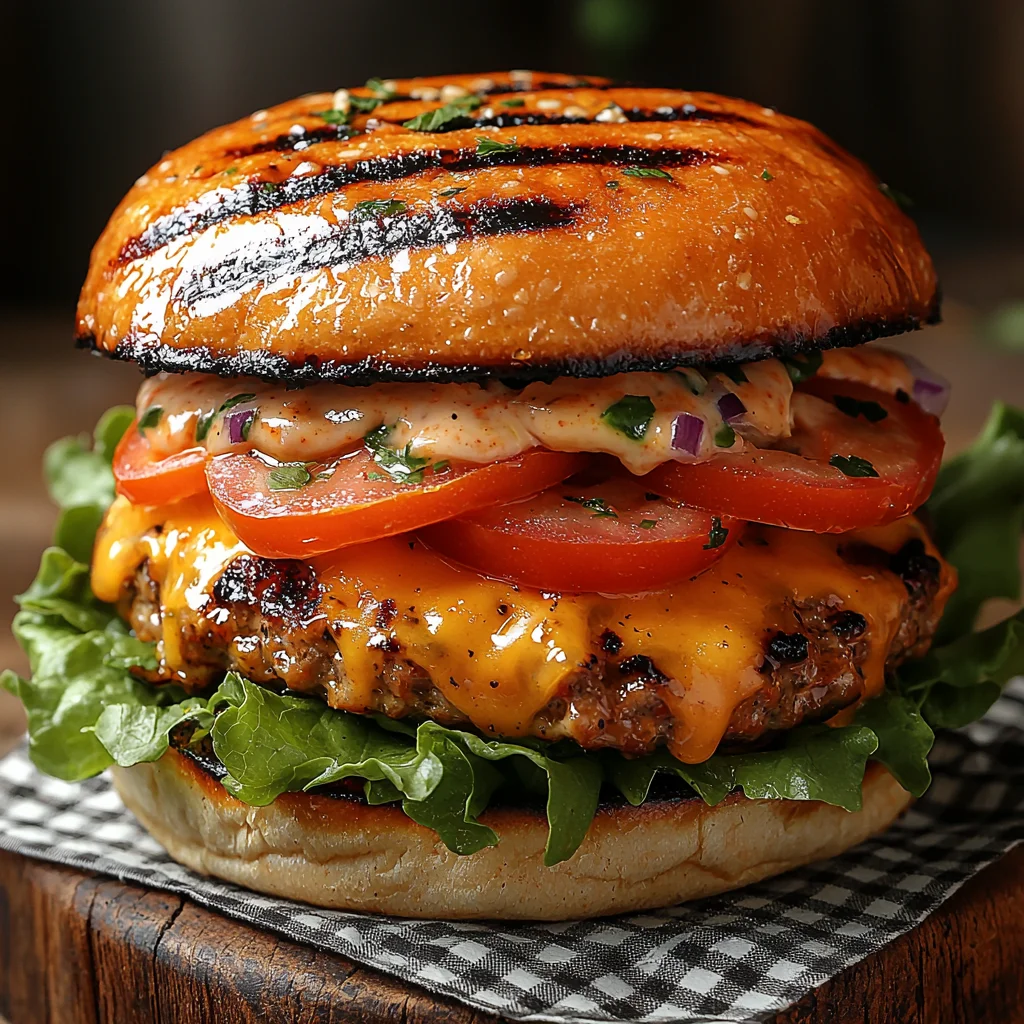
High Protein Turkey Burger
Ingredients
Method
- In a large bowl, combine ground turkey, Greek yogurt, panko breadcrumbs, and egg.
- Add minced garlic, parsley, onion powder, salt, pepper, and smoked paprika to the mixture.
- Gently mix all ingredients until just combined, being careful not to overmix.
- Divide mixture into 4 equal portions and shape into patties about 3/4 inch thick.
- Heat olive oil in a large skillet or grill pan over medium-high heat.
- Cook burgers for 5-6 minutes per side until internal temperature reaches 165°F.
- Let burgers rest for 2 minutes before serving on toasted whole wheat buns.
- Serve with your favorite toppings and enjoy immediately.


