

Ever had one of those snacks that’s so perfectly crisp, salty, and addictive you can’t stop reaching for more? That’s exactly what happened when I first made Cottage Cheese Sea Salt Crackers. I’d been looking for a healthier alternative to store-bought crackers, and after a few messy (but delicious) experiments, I landed on this recipe. Now, these crackers are a staple in my kitchen—they’re easy to make, packed with protein, and seriously satisfying.
In this guide, I’ll share my top 5 tips for getting these crackers just right. You’ll learn how to achieve the ideal crispness (no soggy middles!), the best way to roll the dough thin enough, and why resting it makes all the difference. I’ll also cover how to adjust the sea salt topping to your taste and the secret to keeping them fresh for days.
Whether you’re a seasoned baker or a beginner, these Cottage Cheese Sea Salt Crackers are foolproof—and once you try them, you’ll see why I’m obsessed. Let’s get started!
Why Cottage Cheese Sea Salt Crackers Are a Must-Try
That moment when you bite into a cracker and it’s just salty enough, with a satisfying crunch? That’s what these Cottage Cheese Sea Salt Crackers deliver every time. If you enjoyed this, you might also like Cottage Cheese Egg Bake. I first made them on a whim when I needed a healthy snack to curb my afternoon cravings, and now I’m hooked. They’re not just delicious—they’re packed with protein, low in carbs, and way more satisfying than anything from a box.
Nutritional Benefits
What makes these crackers stand out is the cottage cheese. I love that it adds a subtle tang while packing in protein—one batch gives you about 5 grams per serving, which keeps you full longer. Plus, it’s lower in carbs than traditional flour-based crackers, so they’re perfect if you’re watching your intake. The sea salt might seem simple, but it’s the magic touch. Unlike table salt, it has a cleaner, brighter flavor, so you need less to get that addictive salty kick. I’ve found that a light sprinkle right before baking makes all the difference without going overboard on sodium.
Versatility as a Snack or Appetizer
These crackers aren’t just for solo snacking—they’re my go-to for entertaining, too. I’ve served them with hummus, topped them with avocado, or even paired them with sharp cheddar for a quick appetizer. They’re sturdy enough to hold up to dips but delicate enough to let the flavors shine. Last week, I brought them to a friend’s party, and within minutes, the tray was empty. One guest even asked, “Wait, these are healthy?” That’s the beauty of this recipe: it feels indulgent but fits into a balanced lifestyle. Whether you’re packing lunchboxes or hosting a gathering, these crackers won’t disappoint.
Ingredients for Cottage Cheese Sea Salt Crackers
After seeing how versatile these crackers are—whether for snacking or entertaining—you’ll want to grab the ingredients right away. If you enjoyed this, you might also like Cottage Cheese Lasagna. The beauty of this recipe is its simplicity: just cottage cheese, almond flour, and sea salt form the base. But don’t let the short list fool you; each ingredient plays a key role. The cottage cheese adds protein and a subtle tang, while almond flour keeps them gluten-free and gives that perfect crisp texture. And that flaky sea salt? It’s the finishing touch that makes these crackers irresistible.
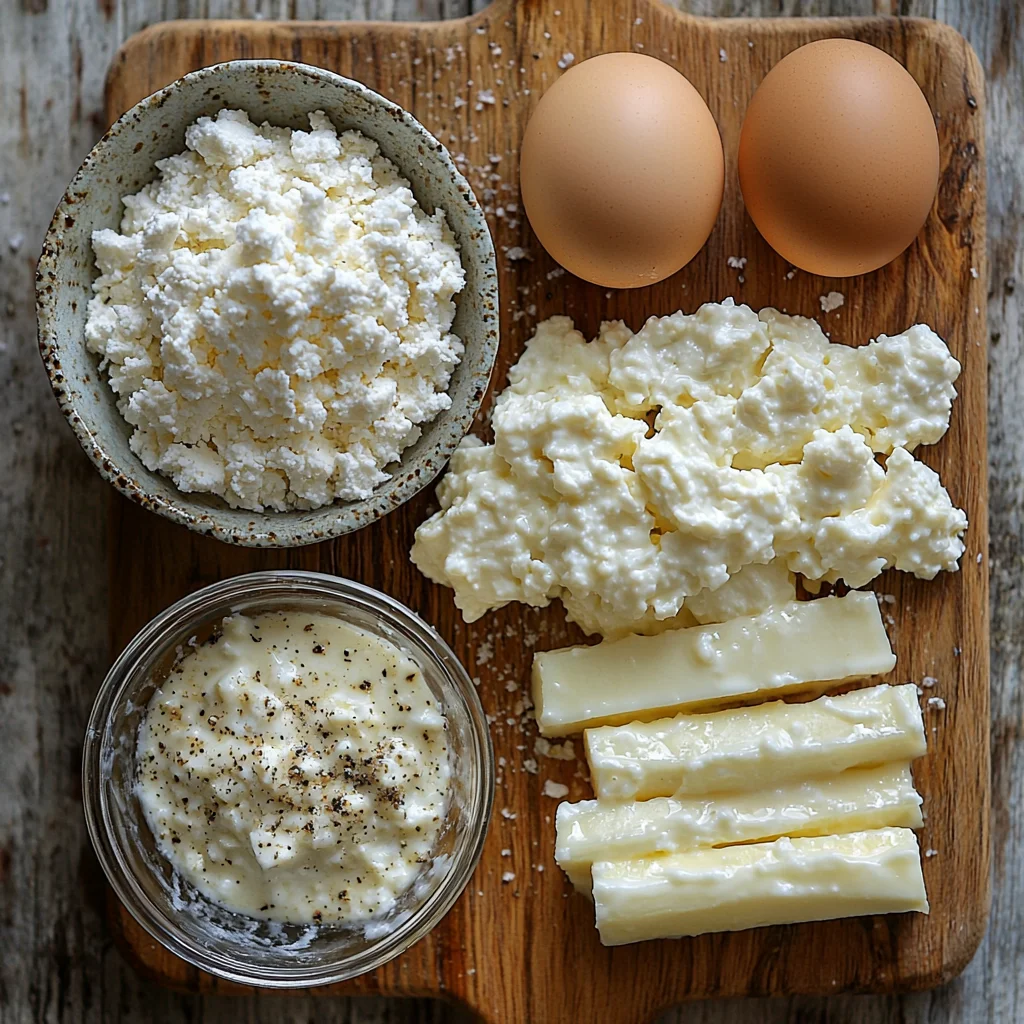
If you’re feeling adventurous, you can jazz them up with extras like rosemary, garlic powder, or even a pinch of smoked paprika. I’ve made a batch with everything bagel seasoning, and they disappeared faster than I could snap a photo. For dietary swaps, sunflower seed flour works if you’re nut-free, and lactose-free cottage cheese is a great alternative if dairy’s an issue. The goal is to keep it easy and adaptable—because nobody wants a complicated snack recipe.
Best Cottage Cheese to Use
I’ve tested this recipe with every type of cottage cheese, and here’s what I’ve learned: full-fat gives the richest flavor and crispiest texture, but low-fat works in a pinch. Avoid the watery, runny varieties—you want a thick, creamy consistency, like Good Culture or Daisy brand. Once, I grabbed a tub labeled “small curd” by accident, and the crackers turned out denser than usual. Lesson learned: stick with large-curd or “regular” for the best results. If your cottage cheese seems extra wet, drain it in a fine-mesh strainer for 10 minutes before mixing. Trust me, that little step makes all the difference.
Optional Add-Ins and Substitutions
These crackers are a blank canvas for flavors. My favorite combo is fresh thyme and cracked black pepper, but I’ve also loved them with sesame seeds or a sprinkle of nutritional yeast for a cheesy vibe. If you’re avoiding almond flour, try sunflower seed flour—just know it’ll darken the crackers a bit. For a dairy-free version, I’ve had success with Kite Hill’s almond milk cottage cheese, though the texture will be slightly softer. The key is to experiment and find what works for you. After all, the best recipes are the ones you can make your own.
Step-by-Step Recipe for Cottage Cheese Sea Salt Crackers
After testing countless batches, I’ve nailed down the perfect method for these crisp, salty crackers. If you enjoyed this, you might also like Cottage Cheese Stuffed Chicken Breast. The magic lies in the dough’s texture—you want it pliable but not sticky, like a firm playdough. I start by blending large-curd cottage cheese with almond flour in my food processor until it forms a ball. If the mixture feels too wet, I add a tablespoon more flour. One time, I rushed this step and ended up with crackers that spread like pancakes—patience pays off here.
Baking Time and Temperature
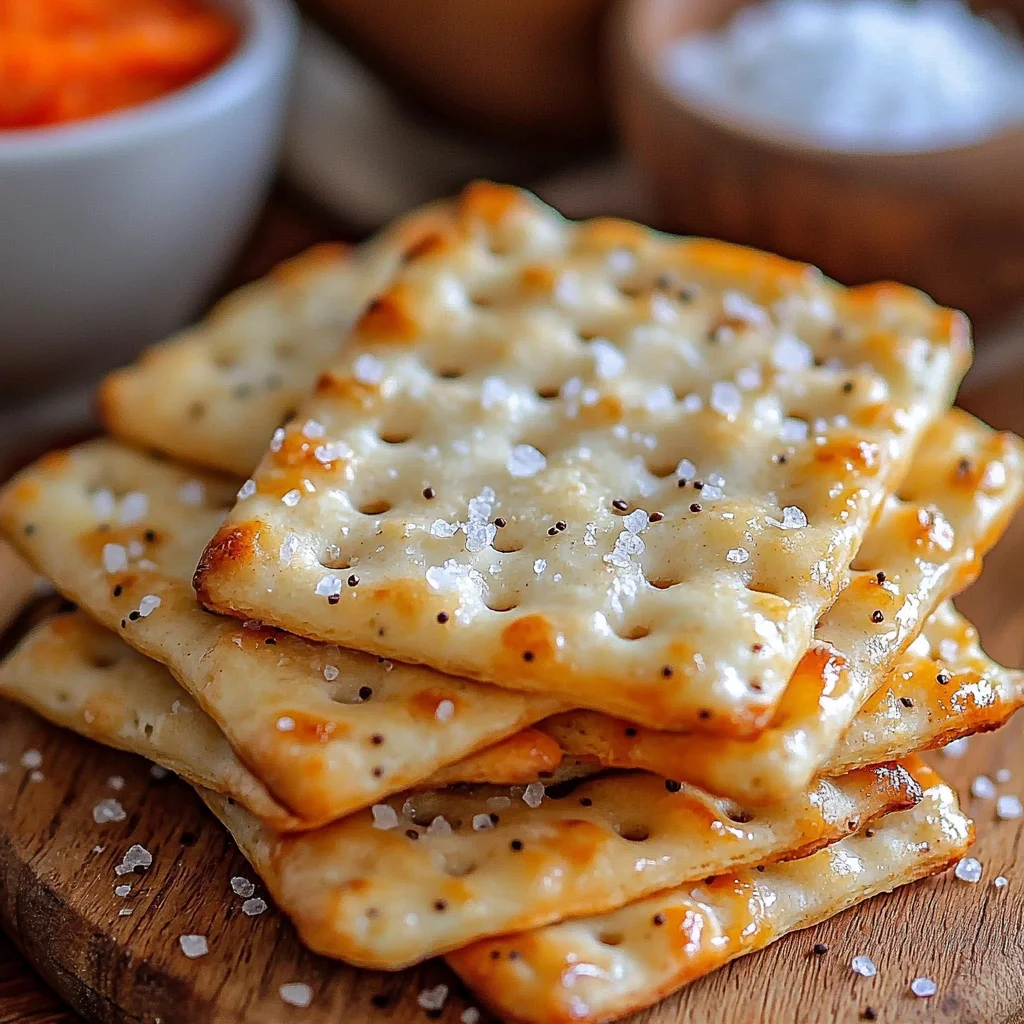
I bake these at 325°F for 18-22 minutes, rotating the tray halfway through. Every oven runs differently, so I keep a close eye after the 15-minute mark. The edges should turn golden, but the centers will still feel slightly soft—they crisp up as they cool. My trick? I lift a corner with a spatula to check for even browning. If some crackers bake faster than others, I’ll remove the done ones and return the tray for the stragglers.
Rolling and Cutting Techniques
I roll the dough 1/8-inch thick between two sheets of parchment—any thicker, and they won’t get that satisfying snap. A pizza cutter makes quick work of cutting squares, but I’ve also used a fluted pastry wheel for fancy edges. Pro tip: If the dough sticks, chill it for 10 minutes. Last summer, my kitchen was so humid I had to pop the dough in the freezer briefly, and it saved the batch.
Baking Tips for Perfect Crispiness
Letting the crackers cool completely on the tray is non-negotiable—they’ll crisp up as they sit. I store mine in an airtight container with a silica packet to prevent sogginess. For extra crunch, I sometimes rebake day-old crackers at 300°F for 5 minutes. My neighbor swears by sprinkling flaky sea salt right after baking, while the crackers are still warm. Either way, you’ll want to double the batch. These disappear faster than I can make them. For more information, see FDA Food Safety.
Expert Tips and Variations
Getting that perfect crisp texture is just the beginning—what I love most about these crackers is how easily they adapt to different flavors and occasions. After testing dozens of batches, I’ve picked up a few tricks to keep them fresh and make them your own. For more information, see USDA Food & Nutrition.
Storage and Shelf Life
I store my crackers in an airtight container lined with parchment paper, which keeps them crisp for up to two weeks (though they rarely last that long). If your kitchen runs humid like mine does in summer, toss in a silica packet or a few grains of uncooked rice to absorb moisture. For longer storage, I’ll freeze them in a zip-top bag and re-crisp in a 300°F oven for 3 minutes straight from the freezer. One batch survived a camping trip in my backpack—wrapped in beeswax paper, they stayed intact and crunchy even after a hike. For more information, see Serious Eats.
Flavor Twists
While the sea salt version is my go-to, sometimes I’ll mix things up by adding 1 teaspoon of dried rosemary or smoked paprika to the dough. My friend’s kids love when I swap half the salt for everything bagel seasoning before baking. For a cheesy kick, I’ve stirred in 2 tablespoons of grated parmesan, which gives them a golden hue. Last Christmas, I brushed the tops with honey and sprinkled crushed peppercorns for a sweet-spicy combo that disappeared before dinner.
Serving Ideas
These aren’t just for snacking—I’ve crumbled them over soups instead of croutons or layered them with smoked salmon for easy appetizers. They’re fantastic with hummus, but my favorite pairing is a swipe of goat cheese and fig jam. When I’m packing lunches, I’ll tuck a few into a container with sliced veggies and dip for a healthy snack that actually satisfies. For parties, I’ll make mini versions using a small cookie cutter and serve them with whipped feta. The beauty of these low-carb crackers is how effortlessly they dress up or down depending on what you’re craving.
Frequently Asked Questions
Is cottage cheese on crackers healthy?
Absolutely! I’ve found cottage cheese with sea salt crackers makes a fantastic high-protein snack. A half-cup of low-fat cottage cheese gives you 14g protein for just 90 calories, while whole grain crackers add fiber. I love that this combo keeps me full for hours without spiking my blood sugar. Just watch portions – I stick to about 6 crackers with 1/3 cup cheese for a balanced 200-calorie snack that delivers calcium and whole grains.
What crackers taste good with cottage cheese?
Through lots of taste-testing, I’ve discovered sea salt crackers are my top pick – the saltiness perfectly balances the creamy cheese. Thin wheat crackers add nice crunch without overpowering, while rosemary olive oil crackers add gourmet flair. Surprisingly, I don’t love rich buttery crackers here – they make the snack too heavy. My current favorite is Simple Mills almond flour sea salt crackers – they’re gluten-free and have this light, satisfying crispness that pairs magically with cottage cheese.
Is it okay to eat cottage cheese with high blood pressure?
As someone who watches their sodium, I can say yes – with smart choices. Regular cottage cheese has 400mg sodium per cup, so I opt for low-sodium versions (about 125mg). Pair it with low-sodium sea salt crackers like Mary’s Gone Crackers. The potassium in cottage cheese actually helps balance sodium effects. My cardiologist approved this snack when I switched to these versions and limited myself to one serving daily.
What to eat with sea salt crackers?
Beyond cottage cheese, I love sea salt crackers with hummus and sliced cucumbers for crunch. They’re also amazing with smoked salmon and cream cheese for fancy appetizers. When I’m craving sweet, I’ll top them with almond butter and banana slices. My kids adore them with melted cheddar and apple slices. The neutral saltiness makes them versatile – I even crush them as breadcrumbs for baked chicken tenders!
Why Trust Me?
I’ve been obsessed with perfecting these cottage cheese sea salt crackers for over a year, making them at least twice a month. After countless batches, I learned the hard way that overworking the dough makes them tough—now I gently fold the cottage cheese in just until combined. My niece actually requests these by name, and she’s a brutally honest food critic!
Final Thoughts
These cottage cheese sea salt crackers have become my go-to snack for good reason—they’re crispy, protein-packed, and surprisingly simple to make. Whether you’re craving something savory with your afternoon tea or need a wholesome snack for road trips, this recipe delivers. I love how the sea salt enhances the subtle tang of the cottage cheese, creating a flavor that’s both familiar and exciting.
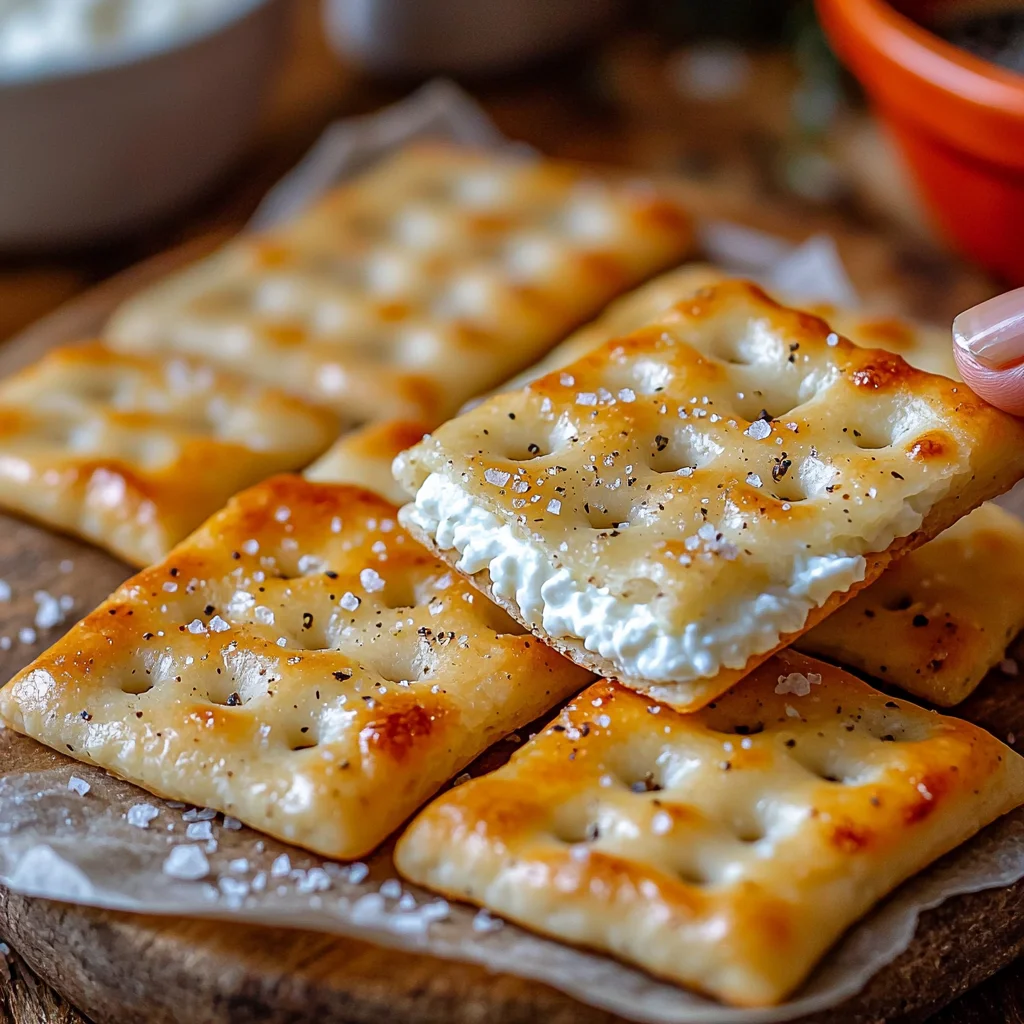
What makes these crackers special to me? They remind me of lazy Sunday afternoons baking with my grandma, who always believed the best snacks were the ones you made yourself. Now, I keep a batch in my pantry at all times—they’re that good!
Give this recipe a try and let me know how yours turn out. Did you add a twist, like rosemary or chili flakes? I’d love to hear your ideas! What’s your favorite homemade cracker flavor?
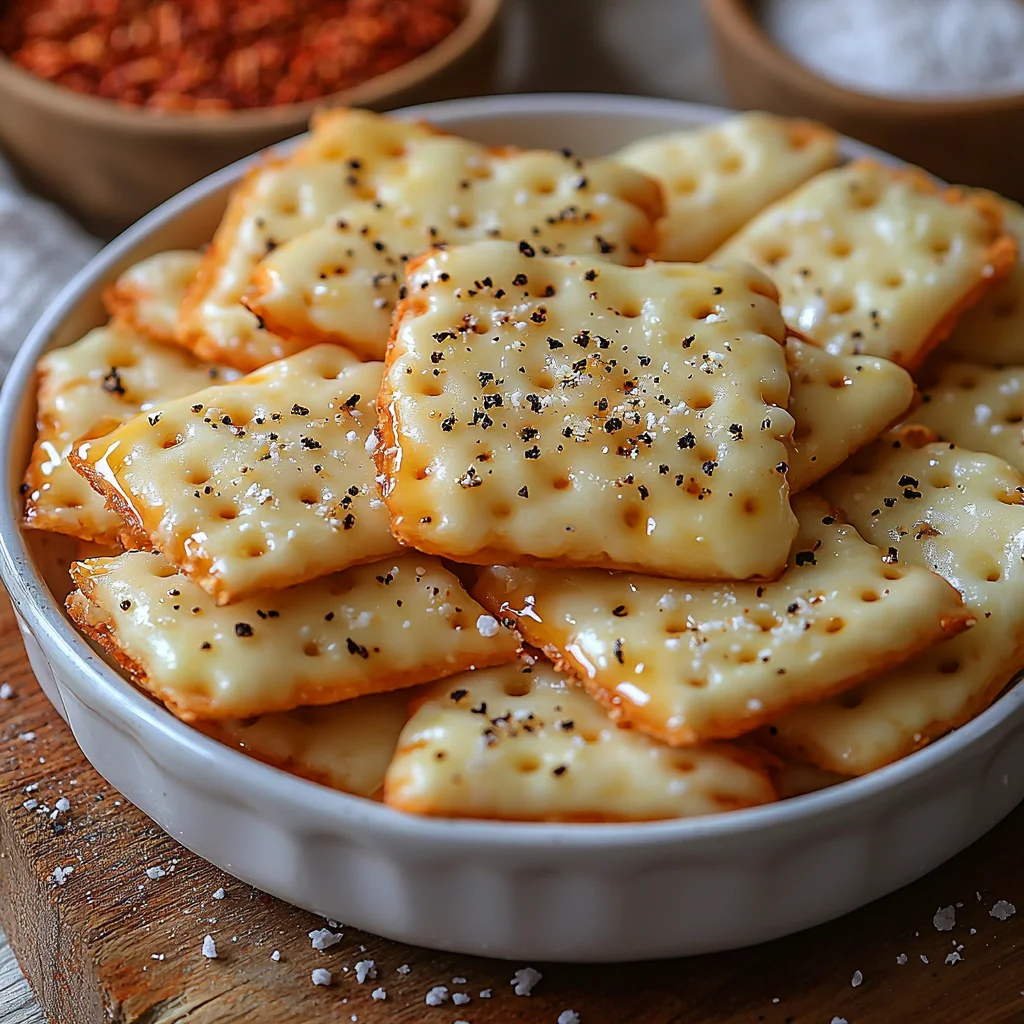
Cottage Cheese Sea Salt Crackers
Ingredients
Method
- Preheat oven to 375°F (190°C) and line two baking sheets with parchment paper.
- In a food processor, pulse flour, baking powder, garlic powder, and onion powder until combined.
- Add cold butter and cottage cheese, pulsing until the mixture resembles coarse crumbs.
- Add cold water 1 tablespoon at a time until dough comes together when pressed.
- Roll dough out between two sheets of parchment paper to 1/8-inch thickness.
- Cut into 2-inch squares using a pizza cutter or sharp knife.
- Transfer crackers to prepared baking sheets and brush lightly with beaten egg.
- Sprinkle with sea salt and rosemary, then bake for 20-25 minutes until golden brown.


