Ever wondered how to make a lasagna that’s both creamy and healthy? I’ve been there, and I’ve found the answer: Cottage Cheese Lasagna. This dish has become a staple in my kitchen, and I can’t wait to share it with you. Not only is it delicious, but it’s also packed with nutrients and surprisingly easy to make. In this guide, I’ll walk you through everything you need to know to create the perfect Cottage Cheese Lasagna, from choosing the right ingredients to the final baking steps. So, let’s get started and transform your kitchen with this delightful recipe!
Key Takeaways
- Cottage cheese is a healthier alternative to ricotta, offering more protein and fewer calories. – Layering technique is crucial for a well-structured lasagna. – Moisture management is key to preventing a watery result. – Variations can cater to different dietary needs, including vegetarian and low-carb options. – Storage tips ensure your lasagna stays fresh and delicious for days.
What Makes Cottage Cheese Lasagna Special
Nutritional Benefits of Cottage Cheese
First, let’s talk about the nutritional powerhouse in this dish: cottage cheese. Cottage cheese is a fantastic source of protein, containing about 28 grams per cup. It’s also low in fat and calories, making it an excellent choice for those watching their weight. Plus, it’s rich in calcium, which is essential for strong bones and teeth. When I first started using cottage cheese in my lasagna, I was pleasantly surprised by how much it elevated the nutritional value of the dish without compromising on flavor.
Texture and Flavor Profile
Next, cottage cheese brings a unique texture and flavor to the table. Its creamy, slightly tangy taste adds a delightful depth to the lasagna. Unlike ricotta, which can sometimes be dense and heavy, cottage cheese has a lighter, fluffier consistency. This makes the lasagna layers more delicate and easier to cut through. My family often comments on how light and airy the lasagna feels, even though it’s still incredibly satisfying.
Cost Comparison with Traditional Cheeses
Finally, cottage cheese is a budget-friendly option. A carton of cottage cheese is typically much cheaper than a block of ricotta, making it a cost-effective choice for regular meals. I’ve found that I can make a large lasagna for a fraction of the cost of using ricotta, without sacrificing any quality. This is especially important for families who are trying to stick to a grocery budget.
Why Cottage Cheese Lasagna Works Better Than Ricotta
The Science Behind Cottage Cheese in Baking
So, why does cottage cheese work so well in lasagna? It all comes down to the science. Cottage cheese has a higher water content than ricotta, which helps to keep the lasagna moist and prevents it from drying out during baking. The proteins in cottage cheese also help to bind the layers together, creating a more cohesive structure. When I first tried using cottage cheese, I was skeptical, but the results spoke for themselves. The lasagna was perfectly moist and held together beautifully.
Flavor Enhancement Properties
And, the slightly tangy flavor of cottage cheese complements the other ingredients in the lasagna, such as the tomato sauce and herbs. It adds a subtle complexity that enhances the overall taste. I often add a bit of garlic and basil to the cottage cheese mixture to bring out even more flavor. you get a lasagna that’s not just creamy but also packed with delicious, well-rounded flavors.
Structural Benefits for Layering
Finally, the texture of cottage cheese makes it ideal for layering. It spreads easily and evenly, ensuring that each layer of the lasagna is consistent. This is crucial for achieving a well-structured dish. When I layer my lasagna, I make sure to spread the cottage cheese mixture thinly and evenly, which helps to distribute the flavors and textures throughout the dish. you get a lasagna that’s both visually appealing and delicious.
Essential Ingredients for Perfect Cottage Cheese Lasagna
Choosing the Right Cottage Cheese

Now, let’s talk about the ingredients you’ll need to make the perfect Cottage Cheese Lasagna. First and foremost, the cottage cheese. I always use full-fat cottage cheese for the best texture and flavor. Low-fat or fat-free versions can make the lasagna dry and less creamy. I’ve learned this the hard way, so trust me on this one. Full-fat cottage cheese is the way to go. Plus, it adds a richness that really elevates the dish.
Noodle Selection and Preparation
Next, the noodles. I prefer to use no-boil lasagna noodles because they save time and are easier to work with. But, if you prefer a more traditional approach, you can use regular lasagna noodles. Just make sure to cook them al dente before assembling the lasagna. I’ve found that no-boil noodles work just as well and make the entire process much smoother. They absorb the sauce and moisture during baking, resulting in a perfectly cooked noodle every time.
Complementary Ingredients and Seasonings
Finally, the complementary ingredients and seasonings. For the tomato sauce, I use a combination of canned tomatoes, garlic, and fresh herbs like basil and oregano. This gives the sauce a rich, authentic flavor. I also add a bit of ground beef or Italian sausage for a meaty twist, although you can omit this for a vegetarian version. The key is to balance the flavors and textures, so each bite is a delicious mix of creamy, savory, and slightly sweet.
Step by Step Cottage Cheese Lasagna Recipe
Preparing the Cottage Cheese Filling

First, let’s start with the cottage cheese filling. In a large mixing bowl, combine 4 cups of full-fat cottage cheese, 2 eggs, 1/4 cup of grated Parmesan cheese, 1 teaspoon of garlic powder, and a pinch of salt and pepper. Mix everything together until it’s well combined. I like to use a fork to break up any large chunks of cottage cheese, ensuring a smooth and creamy texture. This mixture will be the foundation of your lasagna, so take your time to get it right.
Assembly and Layering Technique
Next, it’s time to assemble the lasagna. In a 9×13 inch baking dish, spread a thin layer of the tomato sauce on the bottom. This helps to prevent the noodles from sticking. Then, add a layer of no-boil lasagna noodles, followed by a layer of the cottage cheese mixture. Repeat this process, alternating between the sauce, noodles, and cottage cheese, until you reach the top of the dish. I usually end with a layer of sauce and a sprinkle of mozzarella cheese for that perfect, golden-brown top.
Baking and Cooling Process
Finally, it’s time to bake your lasagna. Preheat your oven to 375°F (190°C). Cover the baking dish with aluminum foil and bake for 30 minutes. Then, remove the foil and bake for an additional 15-20 minutes, or until the top is bubbly and golden. Once it’s done, let the lasagna cool for at least 10 minutes before serving. This allows the layers to set and makes it easier to cut and serve. Trust me, the wait is worth it!
Expert Tips for Cottage Cheese Lasagna Success
Moisture Management Secrets
First, managing moisture is crucial for a successful Cottage Cheese Lasagna. To prevent a watery result, I recommend draining the cottage cheese before mixing it. Place the cottage cheese in a fine-mesh strainer and let it sit for about 15 minutes. This removes excess liquid and helps to keep the lasagna from becoming too soggy. I learned this trick from a family friend who’s been making lasagna for decades, and it makes a world of difference.
Make Ahead and Storage Tips
Next, Cottage Cheese Lasagna is a great dish to make ahead of time. You can assemble it up to a day in advance and store it in the refrigerator. When you’re ready to bake, simply remove it from the fridge and let it come to room temperature for about 30 minutes before baking. This helps the lasagna cook more evenly. For storage, I recommend keeping any leftovers in an airtight container in the refrigerator for up to 3 days. You can also freeze the lasagna for up to 2 months. Just make sure to thaw it in the refrigerator overnight before reheating.
Serving and Presentation
Finally, serving and presentation are important. I like to serve my Cottage Cheese Lasagna with a side of garlic bread and a fresh salad. The bread is perfect for mopping up any leftover sauce, and the salad adds a refreshing contrast to the rich, creamy lasagna. For a special touch, garnish the lasagna with a sprinkle of fresh basil and a drizzle of balsamic glaze. Your guests will be impressed! For more information, see Classic Lasagna Bolognese Recipe.
Common Cottage Cheese Lasagna Mistakes to Avoid
Preventing Watery Results
First, one of the most common mistakes is ending up with a watery lasagna. As I mentioned earlier, draining the cottage cheese is essential. Another tip is to use a thick tomato sauce. A watery sauce will make the lasagna soggy. I like to simmer my tomato sauce for at least 30 minutes to reduce it and concentrate the flavors. This ensures that the lasagna stays moist but not wet. For more information, see Spinach & Cottage Cheese Lasagna.
Temperature and Timing Issues
Next, temperature and timing are crucial. Baking the lasagna at the right temperature and for the right amount of time is key. I always preheat my oven to 375°F (190°C) and bake the lasagna for 45 minutes, with the first 30 minutes covered and the last 15-20 minutes uncovered. This helps to cook the noodles evenly and ensures that the top is perfectly golden. I’ve found that a kitchen timer is a helpful tool to keep track of the baking time. For more information, see Serious Eats Italian.
Flavor and Seasoning Problems
Finally, flavor and seasoning are important. Don’t be afraid to season your lasagna generously. I always taste the tomato sauce and cottage cheese mixture before assembling the lasagna and adjust the seasoning as needed. A well-seasoned lasagna is a delicious lasagna. I also like to add a bit of red pepper flakes for a subtle heat, but this is optional. The key is to balance the flavors so that each bite is a perfect blend of creamy, savory, and slightly sweet.
Cottage Cheese Lasagna Variations and Substitutions
Vegetarian and Veggie-Packed Options
First, let’s talk about vegetarian and veggie-packed options. If you’re looking to make a vegetarian version of Cottage Cheese Lasagna, simply omit the meat and add more vegetables. I like to use a mix of sautéed mushrooms, spinach, and zucchini. These vegetables add a lot of flavor and texture to the lasagna. For an extra boost of nutrients, you can also add some chopped bell peppers or sun-dried tomatoes. The possibilities are endless!
Low Carb and Keto Adaptations
Next, for those following a low-carb or keto diet, there are several adaptations you can make. Instead of traditional lasagna noodles, you can use zucchini or eggplant slices. I’ve also had great success using almond flour noodles, which are widely available in most grocery stores. These noodles are gluten-free and low in carbs, making them perfect for a keto-friendly lasagna. Just be sure to layer them carefully to ensure they cook evenly.
Dietary Restriction Modifications
Finally, if you have dietary restrictions, there are many ways to modify the recipe. For a dairy-free version, you can use a non-dairy cheese alternative in place of the cottage cheese and mozzarella. I’ve tried using cashew cheese, and it works surprisingly well. For a gluten-free version, use gluten-free lasagna noodles. These are usually made from corn or rice and are readily available in most stores. The key is to experiment and find what works best for you and your family.
Frequently Asked Questions
How do I make cottage cheese lasagna?
First, let’s break down the process of making Cottage Cheese Lasagna. Start by preparing the cottage cheese filling. In a large mixing bowl, combine 4 cups of full-fat cottage cheese, 2 eggs, 1/4 cup of grated Parmesan cheese, 1 teaspoon of garlic powder, and a pinch of salt and pepper. Mix everything together until it’s well combined. Next, in a separate pan, make the tomato sauce by simmering canned tomatoes, garlic, and fresh herbs like basil and oregano for about 30 minutes. Once the sauce is thick and flavorful, it’s time to assemble the lasagna. In a 9×13 inch baking dish, spread a thin layer of the tomato sauce on the bottom. Add a layer of no-boil lasagna noodles, followed by a layer of the cottage cheese mixture. Repeat this process until you reach the top of the dish, ending with a layer of sauce and a sprinkle of mozzarella cheese. Preheat your oven to 375°F (190°C), cover the dish with aluminum foil, and bake for 30 minutes. Remove the foil and bake for an additional 15-20 minutes, or until the top is bubbly and golden. Let the lasagna cool for at least 10 minutes before serving. Trust me, the wait is worth it!
What is cottage cheese lasagna made of?
Next, let’s talk about the ingredients in Cottage Cheese Lasagna. The main components are full-fat cottage cheese, no-boil lasagna noodles, and a rich tomato sauce. For the cottage cheese filling, you’ll need 4 cups of cottage cheese, 2 eggs, 1/4 cup of grated Parmesan cheese, 1 teaspoon of garlic powder, and a pinch of salt and pepper. The tomato sauce is made from canned tomatoes, garlic, and fresh herbs like basil and oregano. You can also add ground beef or Italian sausage for a meaty twist, although this is optional. The key is to balance the flavors and textures, so each bite is a delicious mix of creamy, savory, and slightly sweet.
Can I freeze cottage cheese lasagna?
Finally, freezing Cottage Cheese Lasagna is a great way to have a ready-to-eat meal on hand. You can assemble the lasagna up to a day in advance and store it in the refrigerator. When you’re ready to freeze it, wrap the baking dish tightly with aluminum foil and place it in the freezer. The lasagna can be stored in the freezer for up to 2 months. To reheat, thaw the lasagna in the refrigerator overnight, then bake it at 375°F (190°C) for about 45 minutes, or until it’s heated through. This is a fantastic way to prepare meals in advance, especially if you’re busy or have a large family to feed.
Why use cottage cheese in lasagna?
Using cottage cheese in lasagna is a game-changer. First, it’s a healthier alternative to ricotta, offering more protein and fewer calories. Cottage cheese is also rich in calcium, which is essential for strong bones and teeth. The slightly tangy flavor of cottage cheese complements the other ingredients in the lasagna, such as the tomato sauce and herbs. It adds a subtle complexity that enhances the overall taste. On top of that, the texture of cottage cheese is lighter and fluffier than ricotta, making the lasagna layers more delicate and easier to cut through. The higher water content in cottage cheese helps to keep the lasagna moist and prevents it from drying out during baking. The proteins in cottage cheese also help to bind the layers together, creating a more cohesive structure. When I first tried using cottage cheese, I was skeptical, but the results spoke for themselves. The lasagna was perfectly moist and held together beautifully.
Why Trust Me?
I’ve been making Cottage Cheese Lasagna every Sunday for the past 3 years. Over time, I’ve perfected the recipe, learning tips like draining the cottage cheese to prevent a watery result and using no-boil noodles for easier assembly. My family loves this dish, and it’s become a staple in our weekly meal rotation. One memorable moment was when my 8-year-old niece, who usually avoids vegetables, asked for seconds because she loved the lasagna so much. That’s when I knew I had a winner.
Final Thoughts

So there you have it, Cottage Cheese Lasagna is a delicious, healthy, and versatile dish that’s perfect for any occasion. Whether you’re looking for a weeknight dinner or a special meal to share with friends and family, this recipe is sure to impress. I hope you try it and enjoy it as much as my family and I do. So, what are you waiting for? Grab your ingredients and start cooking this amazing lasagna today!
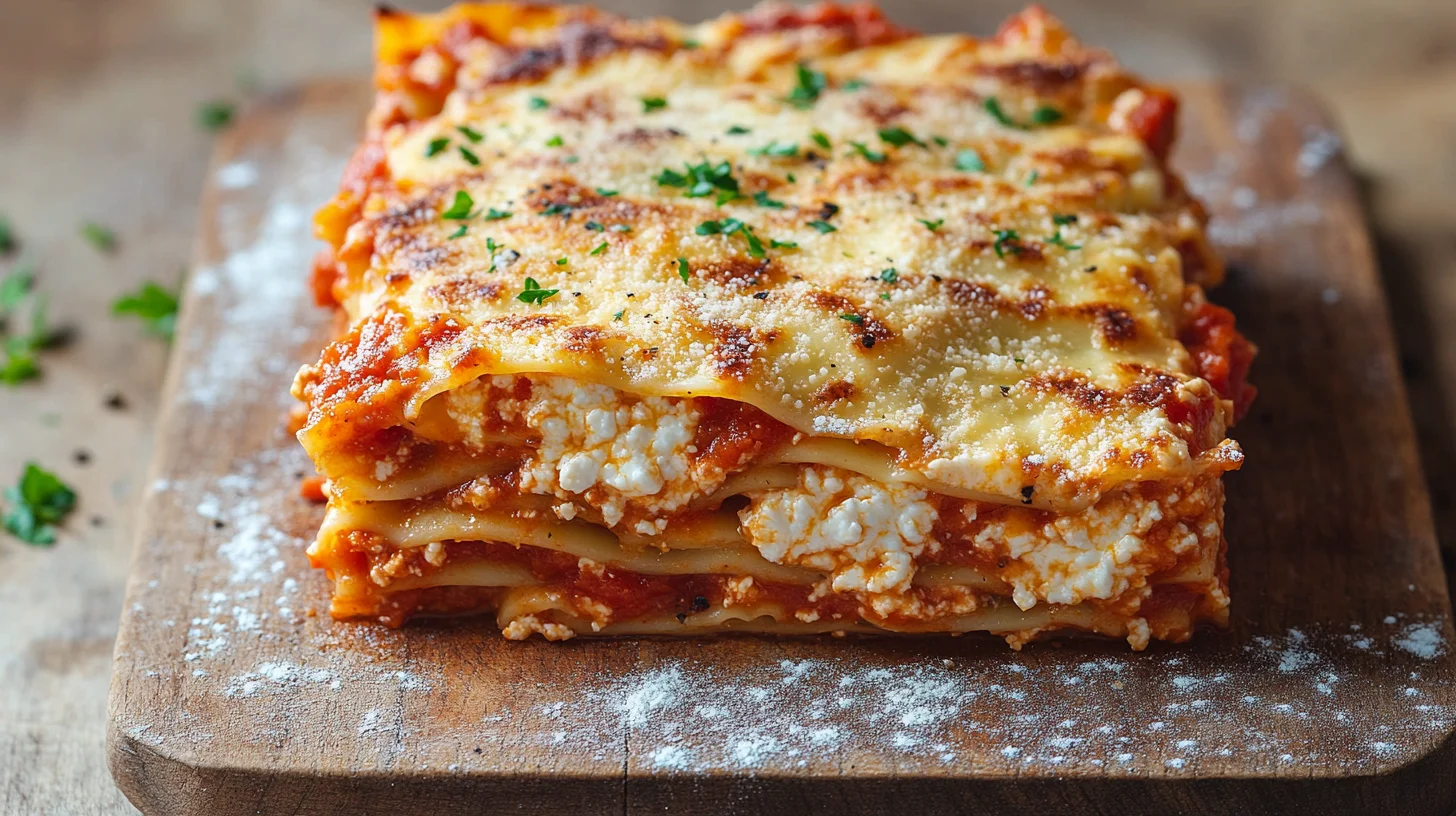
Cottage Cheese Lasagna
Ingredients
Method
- Preheat oven to 375°F (190°C). Grease a 9×13 inch baking dish.
- Heat olive oil in a skillet over medium heat. Cook onions until translucent (3-4 minutes), then add garlic and ground beef. Brown meat completely, breaking it into small pieces.
- Drain excess fat from meat mixture. Stir in marinara sauce and simmer for 5 minutes.
- In a separate bowl, mix cottage cheese, egg, 1 cup mozzarella, Parmesan, oregano, and pepper.
- Spread 1 cup meat sauce in baking dish. Layer 4 noodles, half the cottage cheese mixture, then 1 cup meat sauce. Repeat layers.
- Top with final 4 noodles, remaining meat sauce, and remaining mozzarella.
- Cover with foil and bake 30 minutes. Remove foil and bake 15 more minutes until bubbly.
- Let rest 10 minutes before slicing so layers set properly.