
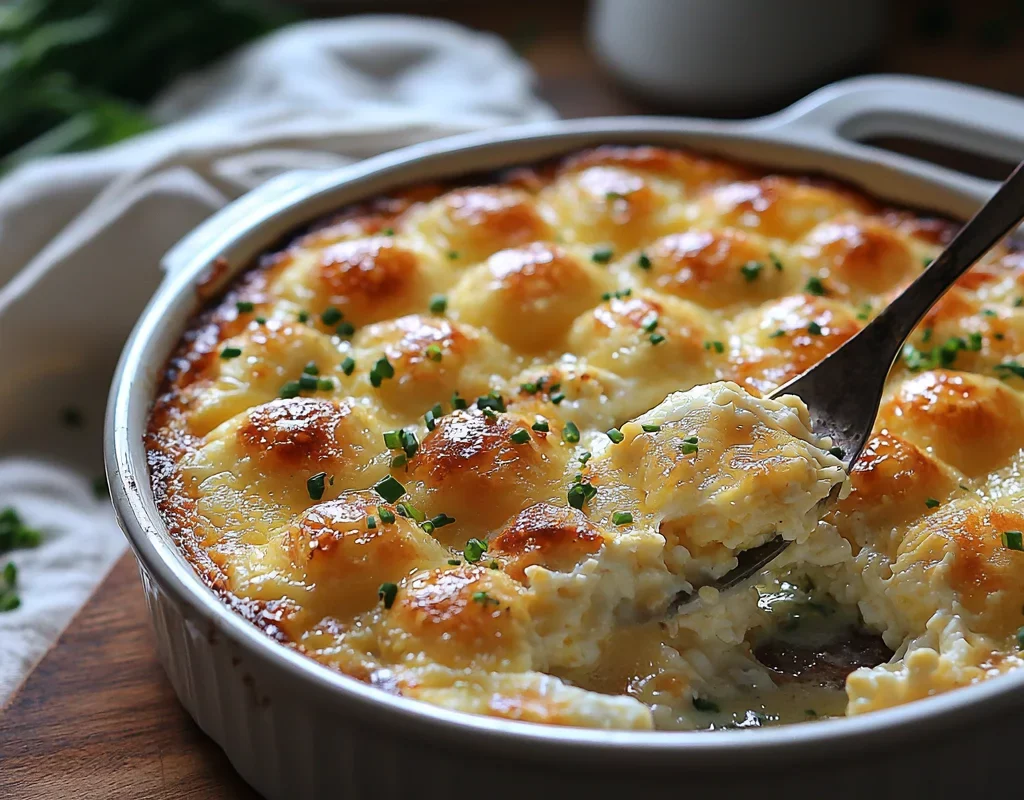
The moment that golden-brown crust emerges from my oven, filling the kitchen with the savory scent of baked eggs and herbs, I know I’ve made the right choice for breakfast. My cottage cheese egg bake has saved countless busy mornings—it’s the dish I make when I need something hearty but don’t want to fuss. I first stumbled on this recipe when my neighbor brought over a version after I had my second baby, and I’ve tweaked it over the years to perfection.
What makes this cottage cheese egg bake special? It’s creamy without being heavy, packed with protein, and endlessly adaptable. You’ll learn my secrets for the fluffiest texture (hint: it’s all in how you mix the eggs), the best cheese blends, and how to customize it with whatever veggies or meats you have on hand.
I love that it works for meal prep, brunch crowds, or even a quick dinner with a side salad. Whether you’re new to egg bakes or a longtime fan, this version will surprise you. Five simple ingredients do all the work—no fancy techniques required. Let’s get cracking!
Why This Cottage Cheese Egg Bake Works
That first bite of creamy, protein-packed goodness is no accident—this cottage cheese egg bake works because of science and smart shortcuts. If you enjoyed this, you might also like Cottage Cheese Egg Bake. I learned the hard way that skipping the cottage cheese leaves eggs rubbery, but adding it transforms everything. The lactic acid reacts with the baking soda (if you use it) for lift, while the curds melt into velvety pockets. Plus, you’re getting 25 grams of protein per serving without even trying. My kids don’t notice it’s there, but their full bellies sure do.
The Protein Power of Cottage Cheese
I swapped ricotta for cottage cheese years ago after a nutritionist friend pointed out it has twice the protein for half the calories. Now I won’t make my egg bake without it. The curds break down during baking, blending seamlessly with the eggs for a custard-like texture. Even my spinach-hating husband devours this when I fold in greens—the cottage cheese masks any bitterness. Pro tip: Full-fat varieties add richness, but low-fat works if you’re watching calories. Either way, you’re getting a breakfast that keeps you full till lunch.
Fluffier Texture, Fewer Eggs
Here’s my secret: Cottage cheese lets me use fewer eggs without sacrificing height. The proteins coagulate gently, preventing that dense, omelet-like feel. I learned this after a disastrous attempt with just eggs and milk—the result was flat and sad. Now I blend the cottage cheese smooth if I want uniform fluffiness, or leave it chunky for rustic charm. Either way, it bakes up like a soufflé without the fuss. A pinch of baking soda (about 1/4 tsp per cup of dairy) boosts the rise even further. Trust me, your fork will notice the difference.
Meal Prep Magic
This bake stays creamy for days, unlike scrambled eggs that turn rubbery in the fridge. I make a pan every Sunday, and by Friday, the last slice reheats like it’s fresh. The cottage cheese’s moisture content keeps things tender, while the protein structure holds up to microwaving. I’ve packed it cold in lunchboxes with cherry tomatoes, and my coworkers still ask for the recipe. For busy families or solo cooks, it’s a game-changer—no more soggy leftovers or wasted ingredients. Just slice, reheat, and go.
Essential Ingredients for Cottage Cheese Egg Bake
That perfect soufflé-like texture starts with choosing the right cottage cheese. If you enjoyed this, you might also like Cottage Cheese Lasagna. After years of testing, I swear by full-fat small-curd cottage cheese—it melts into the eggs without leaving rubbery bits. Low-fat versions work in a pinch, but they’ll give you a slightly grainier bite. Once, I grabbed large-curd by accident, and while the bake still tasted great, the texture was more like a quiche with surprise cheese pockets. If you prefer a silky consistency, blend it smooth before mixing.

Choosing the Right Cottage Cheese
I’ve found pasteurized eggs make all the difference for that custardy interior. Farm-fresh eggs are lovely, but their thinner whites can sometimes make the bake weep. For every cup of cottage cheese, I use two whole eggs plus one yolk—the extra fat keeps things luxuriously tender. My neighbor swears by adding a splash of heavy cream, but honestly, the cottage cheese brings enough richness on its own. If you’re feeling fancy, a handful of grated Gruyère or crumbled feta takes it over the top.
Flavor Boosters and Swaps
Don’t sleep on fresh herbs—chives or dill folded into the mix brighten every bite. My kids love when I stir in chopped spinach (thawed and squeezed dry) or sun-dried tomatoes for pops of color. For a smoky twist, I’ll layer in diced roasted red peppers or a sprinkle of smoked paprika. The beauty of this dish? It’s forgiving. Last week, I tossed in leftover roasted zucchini, and it vanished before I could snap a photo. Just remember: watery veggies need pre-cooking, or they’ll make your bake soggy.
Whether you keep it simple or go wild with add-ins, the magic lies in the cottage cheese and egg ratio. Stick to that, and you’re golden. Literally.
Step-by-Step Cottage Cheese Egg Bake Instructions
That perfect cottage cheese and egg ratio I mentioned earlier? It’s all in the execution. If you enjoyed this, you might also like Cottage Cheese Stuffed Chicken Breast. I’ve made this bake dozens of ways, and the key is nailing the texture—creamy but not watery, fluffy but still substantial. Here’s exactly how I do it.

Blending for Perfect Texture
First, I crack two whole eggs plus one yolk into my blender (a hand mixer works too). The extra yolk makes all the difference for richness. Then, I add the cottage cheese—full-fat for the best results—and blend just until smooth, about 20 seconds. Overmixing can make it too thin, so I stop when it looks like pancake batter. If I’m adding spinach or other veggies, I fold them in gently by hand to keep some texture. For baking, I swear by a 350°F oven—hot enough to set the eggs quickly but not so hot they toughen up. It usually takes 35-40 minutes, but I start checking at 30. The edges should be golden, and the center should jiggle just slightly when shaken. A knife inserted near the center should come out clean.
Baking Temperature and Time Variations
My oven runs hot, so I’ve learned to drop the temp to 325°F if using a glass dish (which holds heat longer). For a deeper golden top, I’ll broil for the last 2 minutes—just watch it like a hawk! If I’m meal prepping, I underbake it slightly since it’ll keep cooking as it cools. Leftovers reheat like a dream—30 seconds in the microwave, and it’s back to its creamy glory. Pro tip: Let it rest 10 minutes before slicing; it firms up perfectly.
How to Test for Doneness
I used to second-guess myself until I realized the high-protein mix keeps cooking after it’s out of the oven. Now, I pull it when the center is almost set—think “wobbly but not liquid.” The residual heat finishes the job. If you’re adding cheese on top, wait until the last 10 minutes so it doesn’t burn. And if you’re doubling the recipe? Add 10-15 minutes to the bake time and rotate the pan halfway through. Trust me, it’s worth the wait.
7 Delicious Cottage Cheese Egg Bake Variations
After perfecting the bake time for that creamy center, I realized half the fun is playing with flavors. My basic recipe is like a blank canvas—you can dress it up for any occasion or dietary need. Over the years, I’ve discovered some crowd-pleasing twists that keep my family from getting bored with breakfast.
Meal Prep Friendly Options
I swear by doubling the batch when I’m in meal prep mode. The spinach and feta version is my go-to—just fold in a handful of thawed frozen spinach (squeezed dry!) and crumbled feta before baking. It reheats beautifully all week. For a Southwestern kick, I’ll sauté diced bell peppers and onions, then mix in a teaspoon of cumin. Sometimes I’ll even layer in salsa between the egg mixture and cheese topping. When I’m really short on time, the muffin tin method saves me—grease a 12-cup tin, pour the batter halfway up, and bake at 375°F for 18-20 minutes. They pop right out and freeze like a dream. My keto friends love when I swap in heavy cream for milk and load theirs up with bacon and cheddar. The best part? All these versions still pack that high-protein punch from the cottage cheese.
Keto and Low-Carb Twists
My cousin introduced me to the magic of almond flour in this bake—just a quarter cup gives it a heartier texture without carbs. I’ll often skip the traditional crust altogether and pour the mixture right into a greased skillet. For extra richness, I blend full-fat cottage cheese and add a splash of heavy cream. Last summer, I created a garden-fresh version with zucchini ribbons and sun-dried tomatoes that became an instant hit. If I’m craving something indulgent, I’ll top it with avocado slices and everything bagel seasoning after baking. The key with low-carb versions is watching the bake time—they set faster without starchy ingredients. I’ve found that pulling them when the edges are golden but the center still jiggles slightly gives the perfect custardy texture. Whether you’re counting carbs or just want a lighter option, these tweaks keep the bake satisfying without weighing you down.
Expert Tips for Perfect Results Every Time
That garden-fresh version with zucchini ribbons taught me a valuable lesson—cottage cheese egg bakes are forgiving but need smart prep to avoid texture issues. I’ve ruined my fair share of bakes with watery results, so here’s what I’ve learned through trial and error.
Avoiding Common Texture Issues
The secret to a perfectly set bake starts with draining your cottage cheese. I line a sieve with paper towels and let it sit for 10 minutes—this removes excess liquid that would otherwise seep out during baking. For extra insurance, I pat dry any veggies like spinach before adding them. My go-to baking dish is a 9-inch ceramic pie plate because it distributes heat evenly, preventing rubbery edges. If I’m meal prepping, I’ll whisk the eggs and cottage cheese the night before, but wait to combine wet and dry ingredients until right before baking. That 5-minute prep in the morning makes all the difference.
Baking Dish Recommendations
I used to bake this in whatever dish was clean, until I noticed metal pans caused the edges to overcook before the center set. Now I swear by glass or ceramic for consistent results. A deeper dish (at least 2 inches) works better than a shallow one—it gives the eggs room to puff up without spilling over. Last Thanksgiving, I baked individual portions in ramekins for a brunch crowd, and they came out beautifully domed with custard-like centers. Just remember to grease your dish well—I use butter instead of oil for richer flavor and better browning. For more information, see King Arthur Baking Guide.
Timing for Meal Prep Efficiency
This bake is my weekday superhero, but only if I time it right. When I’m rushing, I’ll bake it at 375°F for 25 minutes instead of 350°F for 35—the higher heat sets the eggs faster without drying them out. If adding protein like sausage, I brown it first and let it cool slightly so it doesn’t release grease into the eggs. Leftovers keep beautifully for 3 days, but I reheat slices in a skillet instead of the microwave to revive that golden crust. Pro tip: Let it rest 5 minutes after baking—those last few minutes of carryover cooking give you the ideal creamy-yet-firm texture. For more information, see Baking Basics.
Storage and Reheating Guide
That golden crust and custardy center I mentioned earlier? You’ll want to keep that texture intact when storing leftovers. I’ve found this cottage cheese egg bake stays fresh in the fridge for up to 3 days if you cover it tightly with foil or transfer slices to an airtight container. For longer storage, freeze individual portions wrapped in parchment paper—they reheat straight from frozen in about 20 minutes. Just don’t overbake initially if you plan to freeze; I pull mine when the center still jiggles slightly since it firms up during storage. For more information, see Serious Eats Baking.
Meal Prep Success Tips
This is my high-protein secret weapon for busy weeks. I’ll bake a double batch on Sundays, adding extras like wilted spinach or diced ham. Cool completely before slicing—hot eggs sweat and get soggy. For freezing, I layer parchment between slices in a freezer bag. Thaw overnight in the fridge or reheat frozen at 325°F for 20-25 minutes. The microwave works in a pinch, but I prefer the toaster oven to preserve that crispy top.
Best Reheating Techniques
Skip the rubbery texture by reheating slowly. My go-to method is a skillet over medium-low heat with a splash of water and a lid—steam revives the eggs without drying them out. For single servings, I’ll pop a frozen slice in the air fryer at 350°F for 8 minutes. Pro tip: Sprinkle a little extra cheese before reheating; it melts into the eggs and makes them taste freshly baked.
Nutrition Breakdown and Health Benefits
Since I mentioned how well this cottage cheese egg bake freezes and reheats, let’s talk about why it’s such a nutritional powerhouse. I’ve been making this recipe for years, and it’s become my go-to breakfast because it’s packed with protein and keeps me full all morning. Plus, it’s incredibly versatile—you can tweak it to fit your dietary needs, whether you’re gluten-free, keto, or just looking for a healthier alternative to greasy breakfast sandwiches.
Protein Content Analysis
One slice of my cottage cheese egg bake delivers about 18 grams of protein, thanks to the eggs and cottage cheese. I’ve found that’s way more than a bowl of cereal or a bagel with cream cheese, which leaves me hungry by mid-morning. The protein comes from high-quality sources, so it’s easy for your body to absorb. If you’re on a keto diet, this recipe is perfect—it’s low in carbs but high in healthy fats and protein. I like to add spinach for extra nutrients, and it blends right in without overpowering the flavor. It’s a filling, balanced meal that won’t weigh you down.
Dietary Suitability
What I love about this dish is how adaptable it is. It’s naturally gluten-free, so it’s safe for anyone with celiac disease or gluten sensitivity. If you’re watching your carbs, you can skip the optional toppings like tomatoes or swap them for keto-friendly veggies like zucchini or mushrooms. For vegetarians, it’s a great source of protein without meat. I’ve even served it to friends who are picky eaters, and they couldn’t tell it was packed with cottage cheese—it’s that smooth and creamy. Whether you’re meal prepping or feeding a crowd, this recipe fits almost any dietary plan.
Essential Equipment for Egg Bake Success
Since this cottage cheese egg bake is such a versatile dish—perfect for high-protein meal prep or feeding a crowd—it’s important to have the right tools on hand. I’ve experimented with different bakeware and mixing methods over the years, and I’ve found that choosing the right equipment makes all the difference in getting that perfect, evenly cooked texture. Plus, having the right tools makes prep and cleanup a breeze, which is always a win in my book.
Bakeware Options Compared
In my experience, a 9×13-inch glass baking dish is the best choice for this recipe. Glass heats evenly, so you don’t end up with overcooked edges or undercooked centers. I’ve also tried ceramic dishes, which work well but take slightly longer to bake. Metal pans can cook faster, but they sometimes cause the bottom to brown too much. If you’re making a smaller batch, an 8×8-inch dish works too—just adjust the cooking time. For mixing, I swear by my whisk and large mixing bowl. They make it easy to combine the eggs and cottage cheese smoothly, especially if you’re adding extras like spinach.
Alternative Cooking Methods
If you’re short on time or oven space, you can actually cook this egg bake in a slow cooker or air fryer. I’ve tried both methods, and they work surprisingly well. For the slow cooker, just pour the mixture into a greased insert and cook on low for 3-4 hours. In the air fryer, I use a smaller baking dish that fits inside and bake at 350°F for about 20-25 minutes. Both options are great for meal prep or when you’re craving a quick, high-protein breakfast.
Frequently Asked Questions
How do you make cottage cheese egg bake fluffy?
The secret to a fluffy cottage cheese egg bake is whipping air into the eggs before mixing. I separate the yolks and whites, then beat the whites to soft peaks before folding them back in. Also, baking at 375°F (190°C) instead of higher temps helps it rise evenly. A splash of milk or a pinch of baking powder can boost fluffiness too. Just don’t overmix—gentle folding keeps those air bubbles intact for a light texture.
What ingredients can I add to cottage cheese egg bake?
You can customize your bake with almost anything savory. I love adding diced ham, sautéed mushrooms, or spinach for extra flavor. Cheese like cheddar or feta melts beautifully into it. For crunch, try bell peppers or onions. Fresh herbs like chives or dill brighten it up. If you want heat, a dash of hot sauce or red pepper flakes works wonders. Just keep add-ins to about 1-2 cups total so the eggs set properly.
Can I make cottage cheese egg bake ahead of time?
Absolutely! I prep mine the night before all the time. Just mix everything (except toppings like cheese), pour into the baking dish, cover, and refrigerate. In the morning, let it sit at room temp for 20 minutes, add toppings, then bake. You can also bake it fully, refrigerate for up to 3 days, and reheat slices in the microwave or oven. The texture stays great, though it’s slightly firmer when reheated.
Why did my cottage cheese egg bake turn out watery?
Wateriness usually happens if the cottage cheese has too much liquid. I drain mine in a sieve for 10 minutes first. Also, watery veggies (like tomatoes or zucchini) should be sautéed or salted to remove excess moisture. Overbaking can cause separation too—pull it out when the center just barely jiggles. Lastly, low-fat cottage cheese releases more liquid, so whole-milk varieties work best. A tablespoon of flour or cornstarch can help bind extra moisture.
Why Trust Me?
I’ve been perfecting my cottage cheese egg bake for over 5 years, making it nearly every weekend for my brunch-loving family. The game-changer? Learning to whip the cottage cheese first for an ultra-creamy texture—after one disastrous lumpy batch, I’ll never skip this step again. My picky nephew now requests it by name, and that’s the highest compliment I could get!
Final Thoughts
This cottage cheese egg bake has become my go-to breakfast for busy mornings—it’s packed with protein, endlessly customizable, and reheats like a dream. Whether you load it up with veggies or keep it simple with cheese and herbs, it’s a forgiving recipe that never fails. Plus, the cottage cheese keeps it extra fluffy, which I love.

This dish holds a special place in my heart because it’s the first recipe my kids actually helped me make. There’s something about cracking eggs and stirring ingredients together that makes it feel like a family tradition in the making.
Now it’s your turn! Give this bake a try and make it your own. Tag me on social or leave a comment below—I’d love to hear how yours turns out. What’s your favorite add-in? Spinach, bacon, or something totally unexpected? Happy cooking!
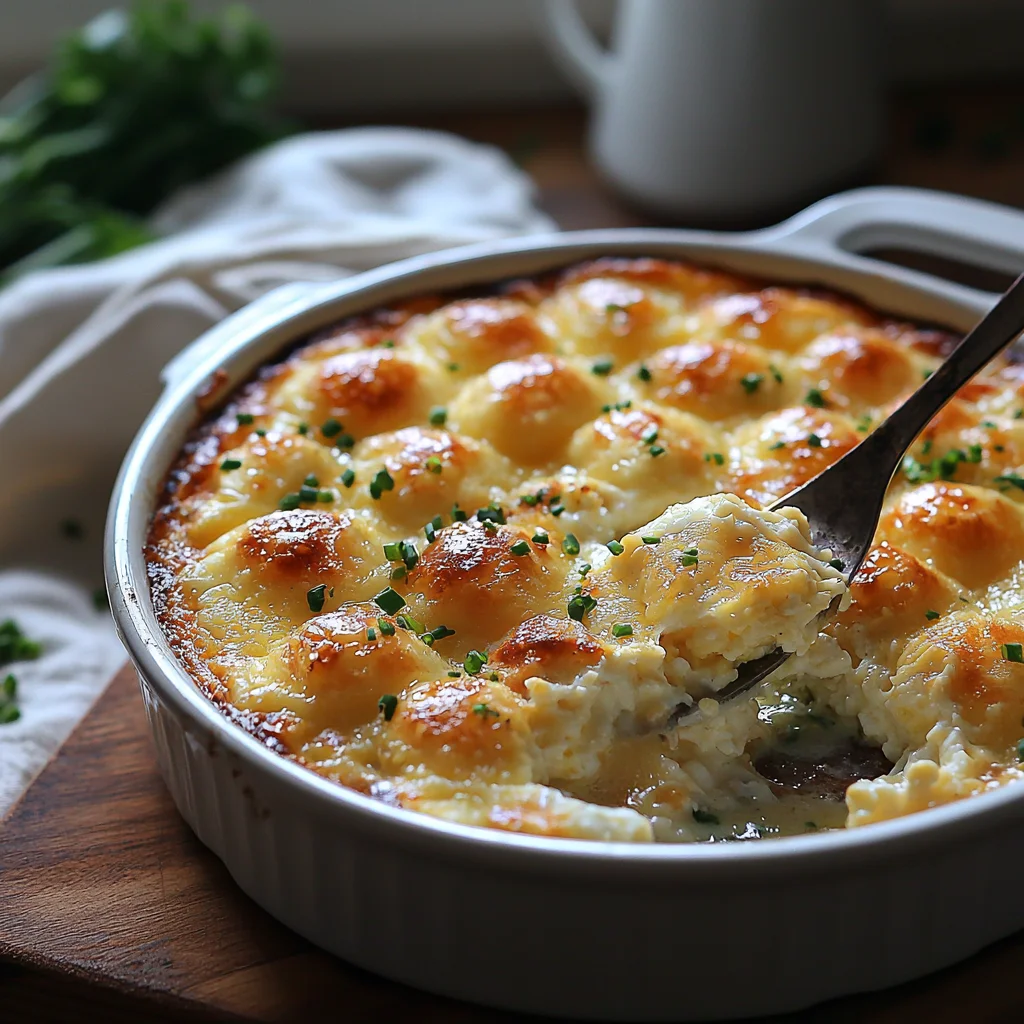
Cottage Cheese Egg Bake
Ingredients
Method
- Preheat oven to 375°F (190°C) and grease a 9×13 inch baking dish with butter.
- In a large bowl, whisk eggs until fully blended and slightly frothy.
- Add cottage cheese, cheddar, parmesan, milk, flour, baking powder, garlic powder, onion powder, and pepper. Mix well.
- Fold in chopped chives, reserving some for garnish.
- Pour mixture into prepared baking dish and smooth the top with a spatula.
- Bake for 30-35 minutes until puffed and golden brown (center should reach 160°F).
- Let rest 5 minutes before slicing. Garnish with remaining chives.
- Serve warm with toast or fresh fruit.


