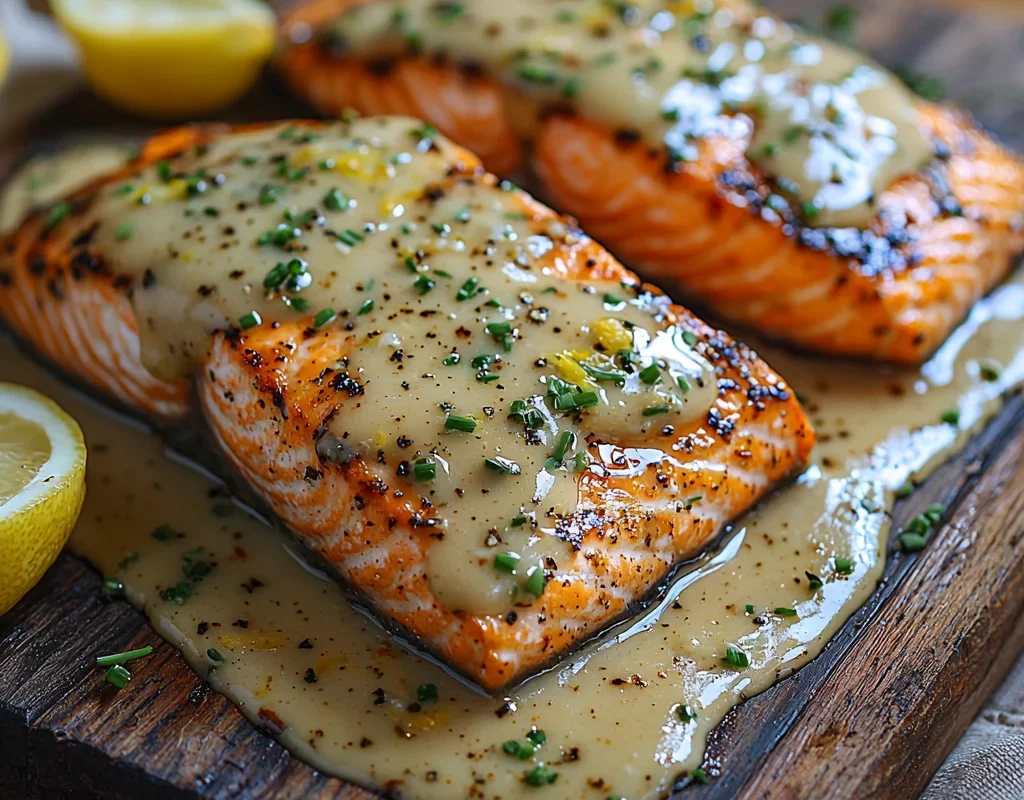
The sizzle of salmon hitting a hot grill is one of summer’s best sounds—that crisp sear giving way to tender, buttery flesh inside. I’ve burned my fair share of fillets before mastering this grilled salmon recipe, but now I can promise you juicy results every time. It all started when I ruined a $30 wild-caught piece for a dinner party, leaving guests politely chewing charcoal. Since then, I’ve tested every trick from cedar planks to marinade times, and I’m sharing everything that actually works.
You’ll learn why most people overcook salmon (hint: it keeps cooking off the grill), the truth about skin-on vs. skin-off, and how a simple brown sugar glaze can prevent sticking better than oil. I’ll walk you through picking the right thickness (go for 1.5 inches), why I never use lemon before grilling (it turns the flesh mushy), and my 5-minute marinade that adds big flavor without fuss.
This isn’t just another grilled salmon recipe—it’s the no-fail method I use weekly, whether I’m feeding my kids or impressing foodie friends. Grab your tongs, and let’s get those grill marks perfect.
The Ultimate Grilled Salmon Recipe
Grilled salmon has been a staple in my kitchen for years, and it’s not just because it’s quick to make—it’s packed with flavor and nutrients. If you enjoyed this, you might also like Teriyaki Salmon Meal Prep. I love how versatile it is; you can cook it directly on the grill, wrap it in foil for a steamed effect, or use a cedar plank to infuse it with smoky aromas. Each method brings something special to the table, but my go-to is direct grilling for those perfect grill marks and caramelized edges.
Why Grilled Salmon Works So Well
Salmon’s rich, buttery texture makes it ideal for grilling. It’s naturally fatty, which keeps it moist even at high heat. I’ve found that a simple grilled salmon marinade of olive oil, garlic, and a touch of honey adds depth without overpowering the fish. Plus, grilling salmon is healthier than frying—it lets the fat drip away while locking in flavor.
Cooking Methods Made Easy
If you’re new to grilling salmon, start with foil packets. They’re foolproof and keep the fish tender. For a smoky twist, try a cedar plank—it’s my favorite for summer gatherings. And if you’re feeling adventurous, go for direct grilling. Just remember to keep the skin on; it prevents sticking and crisps up beautifully. I’ll share more tips in the next section!
Essential Ingredients for Perfect Grilled Salmon
After mastering the grilling methods, let’s talk about the essential ingredients that make grilled salmon shine. If you enjoyed this, you might also like Ginger Bug Soda Recipes. I’ve grilled salmon every way you can imagine—straight on the grates, wrapped in foil, or on a cedar plank—and let me tell you, the right ingredients can turn a good dish into something you’ll dream about.”

Choosing the Right Salmon
When I grill salmon, I always look for fresh fillets with firm, vibrant flesh. Skin-on salmon is my go-to because it crisps beautifully and prevents sticking. Skin-off works too, especially if you’re marinating it heavily. I keep the seasonings simple—salt, pepper, and a sprinkle of garlic powder let the salmon’s natural flavor shine. For a quick grilled salmon marinade, I mix soy sauce, brown sugar, lemon juice, and a hint of olive oil. It’s sweet, tangy, and perfect for summer grilling.
Marinades and Substitutions
If you’re avoiding soy, try a marinade of lemon, olive oil, and herbs like dill or parsley. It’s light and fresh, and it pairs wonderfully with cedar planks. For a spicy twist, add a dash of chili powder or paprika. I’ve even swapped honey for brown sugar when I wanted a deeper, caramelized flavor. If you’re grilling salmon in foil, keep the marinade simple—too much liquid can make the fish soggy. Experiment and find your favorite combo!
Step-by-Step Grilled Salmon Instructions
After choosing the perfect salmon fillet and whipping up a flavorful grilled salmon marinade, it’s time to fire up the grill. If you enjoyed this, you might also like Juicing Recipes For Inflammation. I’ve grilled salmon countless times, and I’ve learned a few tricks to make it foolproof. First, pat the fillet dry with paper towels—this helps the skin crisp up and prevents steaming. I season it generously with salt, pepper, and garlic powder, but feel free to add your favorite spices. If you’ve marinated the salmon, let it sit at room temperature for 10-15 minutes before grilling.

For heat, I always go for medium-high (around 375°F to 400°F) when I’m grilling salmon—it’s the sweet spot for that perfect crispy skin and tender inside.” Too hot, and it’ll burn; too low, and it won’t get that beautiful char. I cook skin-on salmon skin-side down first for about 4-5 minutes, then flip it for another 2-3 minutes. The key is to let the skin crisp up before flipping. For thicker fillets, I’ll move them to indirect heat to finish cooking evenly. Don’t overcook it—salmon is done when it flakes easily with a fork and reaches an internal temperature of 125°F to 130°F.
Grilling on Foil vs. Directly on Grill
Grilling salmon directly on the grates gives it that smoky flavor and crispy skin I love. I always oil the grates lightly to prevent sticking. If you’re nervous about flipping, you can grill it skin-side down the entire time and just finish it under the broiler.
For grilled salmon in foil, it’s a great option if you’re using a marinade or want to infuse extra flavor. I’ll fold a piece of foil into a packet, add the salmon, and seal it tightly. This method steams the fish, making it incredibly moist. It’s perfect for beginners or when you’re grilling thinner fillets. Just remember to poke a few holes in the foil to let the smoke in. I’ve also used cedar planks for a smoky, woodsy flavor—soak the plank first to prevent burning. Whether you grill directly, use foil, or try a cedar plank, you’ll end up with a delicious, restaurant-quality meal.
Expert Tips for Flawless Grilled Salmon
Once your salmon reaches that perfect flaky texture and internal temperature, you’ll want to make sure every bite is just as good as the last. Let me share some expert tips I’ve picked up over the years to help you nail grilled salmon every single time.
Preventing Sticks and Crisping Skin
First, preventing sticking is key. I always make sure my grill grates are clean and lightly oiled before placing the salmon down. For crispy skin, I pat the fillets dry with paper towels and leave them uncovered in the fridge for about 30 minutes before grilling. This step helps remove excess moisture, which is the enemy of crispy skin. I also cook the salmon skin-side down first over medium-high heat—around 375°F to 400°F—and only flip it once. Trust me, it’s worth the wait for that golden, crackly skin.
Resting for Maximum Flavor
Finally, resting the salmon after grilling is a game-changer. I’ve found that letting it sit for 5 minutes allows the juices to redistribute, making each bite tender and flavorful. It’s tempting to dig in right away, but patience pays off. No matter how you’re grilling your salmon—whether it’s with my favorite marinade, straight on the grill, or on a cedar plank—these tips will make your dish shine like a pro’s.” Happy grilling!
Common Grilled Salmon Mistakes to Avoid
After letting my grilled salmon rest for maximum flavor, I’ve learned that avoiding a few common mistakes can make all the difference in nailing this dish every time. First, overcooking the salmon is the quickest way to ruin it. I’ve been guilty of this myself—leaving it on the grill too long, only to end up with dry, flaky fish. Now, I aim for an internal temperature of 125°F to 130°F, and I always remove it from the heat a few degrees early since it continues to cook as it rests.
Preheating and Patience
Another mistake I’ve made is not preheating the grill properly. I’ve rushed the process, only to find the salmon sticks or cooks unevenly. I’ve learned to preheat my grill to medium-high heat (around 375°F to 400°F) and give it at least 10 minutes to get hot. This ensures those beautiful grill marks and prevents the fish from falling apart when you try to flip it. Whether you’re using a grilled salmon marinade or cooking it directly on the grill, preheating is non-negotiable.
Marinade and Tools Matter
Lastly, I’ve skipped the marinade time and regretted it. A quick 15-minute soak isn’t enough to infuse flavor. I’ve found that marinating for at least 30 minutes—or even up to an hour—makes a world of difference. And don’t forget your tools! Using a dull knife to serve can crush the delicate flesh. I always grab a sharp knife to slice through the salmon cleanly, preserving its texture. Avoiding these mistakes has transformed my grilled salmon game, and I’m confident it’ll do the same for you.
Delicious Grilled Salmon Marinades and Seasonings
After perfecting my grill-preheating technique, I’ve learned that the grilled salmon marinade is where the magic happens. It’s the secret to transforming a simple piece of fish into a flavor-packed masterpiece. Over the years, I’ve experimented with countless combinations, and these are my go-to marinades that never disappoint. Grilled salmon is my jam, whether it’s in foil or on a cedar plank, and these recipes will make your dish taste like it came from a fancy restaurant.
Quick Marinade Recipes
First, my classic lemon garlic marinade is a crowd-pleaser. I mix fresh lemon juice, minced garlic, olive oil, and a pinch of salt and pepper. It’s bright, tangy, and lets the natural flavor of the salmon shine. Next, for those who love a balance of sweet and heat, my brown sugar glaze is a winner. I combine brown sugar, soy sauce, chili flakes, and a splash of rice vinegar. It caramelizes beautifully on the grill, creating a sticky, irresistible crust.
If you’re craving something herbaceous, try my herb-infused olive oil marinade. I blend olive oil with fresh dill, parsley, and a touch of lemon zest. It’s light yet flavorful, perfect for summer grilling. Lastly, my Asian-inspired soy and ginger marinade is a favorite for adding depth. I whisk together soy sauce, grated ginger, sesame oil, and a hint of honey. It’s savory, slightly sweet, and pairs wonderfully with grilled salmon on a cedar plank. These marinades are quick to whip up but pack a punch of flavor every time.
Grilled Salmon Variations and Substitutions
After perfecting those marinades, I’ve learned that grilled salmon adapts beautifully to different dietary needs. For my diabetic friends, I swap honey in glazes for sugar-free maple syrup or mashed raspberries—they add natural sweetness without spiking blood sugar. A dash of smoked paprika gives depth when reducing sodium, and I’ll often use coconut aminos instead of soy sauce. Trust me, it’s just as savory.
Vegetable Pairings That Shine
I always keep asparagus or zucchini on hand for grilling alongside salmon—their mild flavors never overpower. Last summer, my neighbor taught me to wrap salmon in foil with julienned bell peppers and a splash of balsamic. The veggies steam in the salmon’s juices, creating a one-packet wonder. For heartier meals, I’ll nestle fillets on a bed of grilled eggplant slices brushed with olive oil and rosemary.
Salmon Varieties to Try
Not all salmon cooks the same! I prefer wild-caught sockeye for its firm texture, but when hosting big groups, I opt for thicker Atlantic salmon—it’s harder to overcook. Once, I experimented with steelhead trout (a salmon cousin) and was shocked by how well it held up to bold marinades. Just remember: thinner cuts like coho need less time on the grill. For more information, see Grilling Guide.
Cedar Plank Tricks
My favorite “cheat” is pre-soaking cedar planks in apple cider instead of water—it infuses the salmon with a subtle fruity smoke. I’ll reuse planks 2-3 times if they’re not charred, storing them in a zip-top bag between uses. Pro tip: Keep a spray bottle handy in case the edges flare up! For more information, see Grilling Science & Technique.
Foil-Packet Shortcuts
When I’m short on time, I’ll make foil packets with salmon, lemon slices, and frozen broccoli—no thawing needed. The steam locks in moisture, and cleanup takes seconds. For extra flavor, I’ll crumple the foil slightly to create ridges that crisp the salmon’s edges. It’s my go-to method for weeknight dinners after soccer practice. For more information, see USDA Meat Safety.
Serving Suggestions and Pairings
After pulling that perfectly grilled salmon off the cedar plank or out of the foil packet, it’s time to think about what to serve alongside it. Over the years, I’ve found that simple sides work best to let the salmon shine. My go-to is grilled asparagus—it cooks quickly and picks up smoky flavors from the grill. I’ll toss it with olive oil, salt, and a squeeze of lemon before throwing it on the grill rack. Another favorite is jasmine rice, which I’ll sometimes jazz up with a sprinkle of furikake or a drizzle of sesame oil. For lighter meals, I’ll pair the salmon with a citrusy arugula salad topped with shaved Parmesan and a zesty vinaigrette.

Wine and Drink Pairings
When it comes to drinks, I lean toward wines that balance the salmon’s richness without overpowering it. A crisp Sauvignon Blanc or Pinot Noir is my top pick, especially if I’ve used a bold grilled salmon marinade. For non-alcoholic options, I love serving sparkling water with lime or iced green tea—they’re refreshing and cleanse the palate. If I’m feeling fancy, I’ll whip up a batch of citrus-infused lemonade with a hint of mint for a summery vibe.
Presentation Tips
Presentation matters, especially when I’m hosting. I’ll arrange the grilled salmon on a large platter with colorful sides like roasted cherry tomatoes or steamed green beans. Adding a sprig of dill or parsley gives it a fresh, finished look. If I’m serving grilled salmon on cedar planks, I’ll place the plank directly on the table for a rustic touch. For foil packets, I’ll transfer the salmon to a plate and drizzle it with a bit of extra marinade or a squeeze of lemon for a pop of brightness. These little touches make the meal feel special without much effort.
Storing and Reheating Grilled Salmon
That citrus-infused lemonade pairs perfectly with grilled salmon, but what happens when you’ve made too much? I’ve learned a few tricks over the years to keep leftovers tasting fresh. First, let your salmon cool to room temperature—about 20 minutes—before storing. I always transfer mine to an airtight container with a drizzle of leftover marinade or a splash of lemon juice to keep it moist. It’ll stay good in the fridge for 2-3 days, though I try to eat it within 48 hours for the best texture.
Freezing for Later
If I know I won’t finish the salmon soon, I freeze it in individual portions. I wrap each piece tightly in plastic wrap, then foil, to prevent freezer burn. Labeling with the date is key—I’ve lost track of too many mystery meals! Thaw it overnight in the fridge when you’re ready. Frozen grilled salmon keeps for 2-3 months, though I find it’s best within a month.
Reheating Without Drying It Out
Nobody likes rubbery salmon. My trick? Low and slow. I reheat it in a 275°F oven for 10-15 minutes, covered with foil to trap steam. If I’m in a hurry, I’ll use the microwave at 50% power with a damp paper towel on top. For grilled salmon in foil packets, I just pop the whole packet back on the grill for 5 minutes to warm through. A quick squeeze of lemon freshens it right up.
Creative Leftover Ideas
Sometimes I’ll flake cold grilled salmon into salads or toss it with pasta and a light cream sauce. It’s also fantastic in breakfast scrambles or on top of avocado toast. If I’ve used a cedar plank, I’ll crumble the salmon into chowder for a smoky depth of flavor. Leftovers don’t have to be boring—they’re just a chance to get creative!
Grilled Salmon for Special Diets
After perfecting my reheating tricks, I realized grilled salmon can be just as delicious when tailored to dietary needs. My cousin with gastritis taught me that acidic marinades can trigger flare-ups, so now I swear by olive oil and fresh herbs instead of lemon juice. For her, I’ll rub salmon with minced garlic, rosemary, and a drizzle of mild honey—it caramelizes beautifully without the burn.
Sugar-Free Options for Diabetics
I’ve grilled salmon for my diabetic dad for years, and he loves when I use sugar-free teriyaki made with monk fruit. The key is high heat to get that sticky glaze without added sugars. Sometimes I’ll crust his fillets with crushed pecans for crunch instead of breadcrumbs. He says it’s better than any restaurant version—and I agree!
Gluten-Free Adaptations
My best friend has celiac disease, so I’ve learned to grill salmon on clean cedar planks to avoid cross-contamination. Instead of soy sauce, I’ll brush hers with tamari and maple syrup. Pro tip: Keep a dedicated gluten-free spice blend in your cabinet—mine’s just smoked paprika, garlic powder, and a pinch of sea salt. It’s foolproof for last-minute meals.
Low-Acid Marinades for Gastritis
When my sister’s gastritis acts up, I skip the citrus entirely. A dill-yogurt marinade works wonders—just mix Greek yogurt, fresh dill, and a touch of cucumber. It keeps the salmon moist and adds a cool, creamy finish. She swears it’s the only way she can enjoy grilled fish without discomfort. Funny how dietary limits often lead to the most creative recipes!
Why Trust This Grilled Salmon Recipe
When it comes to grilling salmon, I’ve spent years perfecting the balance of flavors and techniques. After countless summer cookouts and kitchen experiments, I’ve landed on a recipe that’s both foolproof and versatile. Whether you’re grilling salmon in foil or on a cedar plank, I’ve tested every method to ensure it turns out juicy and flavorful every time.
My Grilling Journey
I started grilling salmon over a decade ago, and I’ve learned what works—and what doesn’t. From avoiding overcooked fish to mastering the perfect grilled salmon marinade, I’ve tweaked this recipe based on feedback from family, friends, and readers. Trust me, it’s been a delicious journey of trial and error!
Reader-Tested Success
This recipe has become a favorite among readers who’ve tried it for everything from weeknight dinners to backyard gatherings. Many have shared how easy it is to adapt, whether they’re using cedar planks or foil packets. Knowing it works for others gives me confidence you’ll love it too!
Frequently Asked Questions
What is the best way to cook salmon on a grill?
I’ve found the key to perfect grilled salmon is keeping it simple. Start with a medium-high heat grill (about 375°F) and lightly oil the grates. Pat your salmon dry, brush with olive oil, and season with salt, pepper, and a squeeze of lemon. Grill skin-side down first for 4-5 minutes until it releases easily, then flip for 2-3 more minutes. The fish should flake gently when done—overcooking makes it dry!
How to bake salmon for gastritis?
If you’re dealing with gastritis, you’ll want to avoid spicy or acidic ingredients. I recommend baking salmon at 375°F with a drizzle of mild olive oil and a pinch of sea salt. Skip the lemon and pepper—try fresh dill or parsley instead. Wrap it loosely in parchment paper to keep it moist without adding fat. Bake for 12-15 minutes until just opaque. This gentle method won’t irritate your stomach like heavy marinades might.
Do you grill salmon directly on the grill or in foil?
I prefer grilling salmon directly on the grates for that smoky char, but foil works if you’re nervous about sticking. For direct grilling, make sure your grill is clean and well-oiled, and start with the skin side down. If using foil, poke a few holes to let smoke flavor through and cook 1-2 minutes longer. Foil is great for saucy glazes, but you’ll miss those gorgeous grill marks!
How to cook salmon for a diabetic?
For diabetic-friendly salmon, focus on healthy fats and low-carb flavors. I love brushing fillets with olive oil, then topping with minced garlic and a sprinkle of smoked paprika. Grill or bake at 400°F for 10-12 minutes—avoid sugary glazes or honey. Pair it with roasted veggies instead of starchy sides. The omega-3s in salmon help regulate blood sugar, making it a fantastic choice for balanced meals. Just watch portion sizes!
Why Trust Me?
I’ve grilled salmon at least twice a week for the past five summers, perfecting that crispy skin while keeping the flesh moist. After ruining three fillets by flipping them too early, I finally nailed the timing – you’ll hear that satisfying “release” when it’s ready. My brother-in-law, who claims to hate fish, now requests this exact recipe every time he visits.
Final Thoughts
This grilled salmon recipe has become a staple in my kitchen because it’s quick, healthy, and bursting with flavor. The simple marinade of olive oil, lemon, garlic, and herbs works wonders, and grilling gives the salmon that perfect smoky char. Plus, it’s so versatile—I love pairing it with roasted veggies, a fresh salad, or even tacos for a fun twist.
What makes this recipe extra special to me is how it brings people together. Whether it’s a summer barbecue or a cozy weeknight dinner, everyone always asks for seconds. I hope it becomes a favorite in your home too!
Now it’s your turn—give this recipe a try and let me know how it turns out! Did you add any personal touches? What sides did you serve with it? I’d love to hear your thoughts in the comments below. So, what’s your go-to way to enjoy grilled salmon?
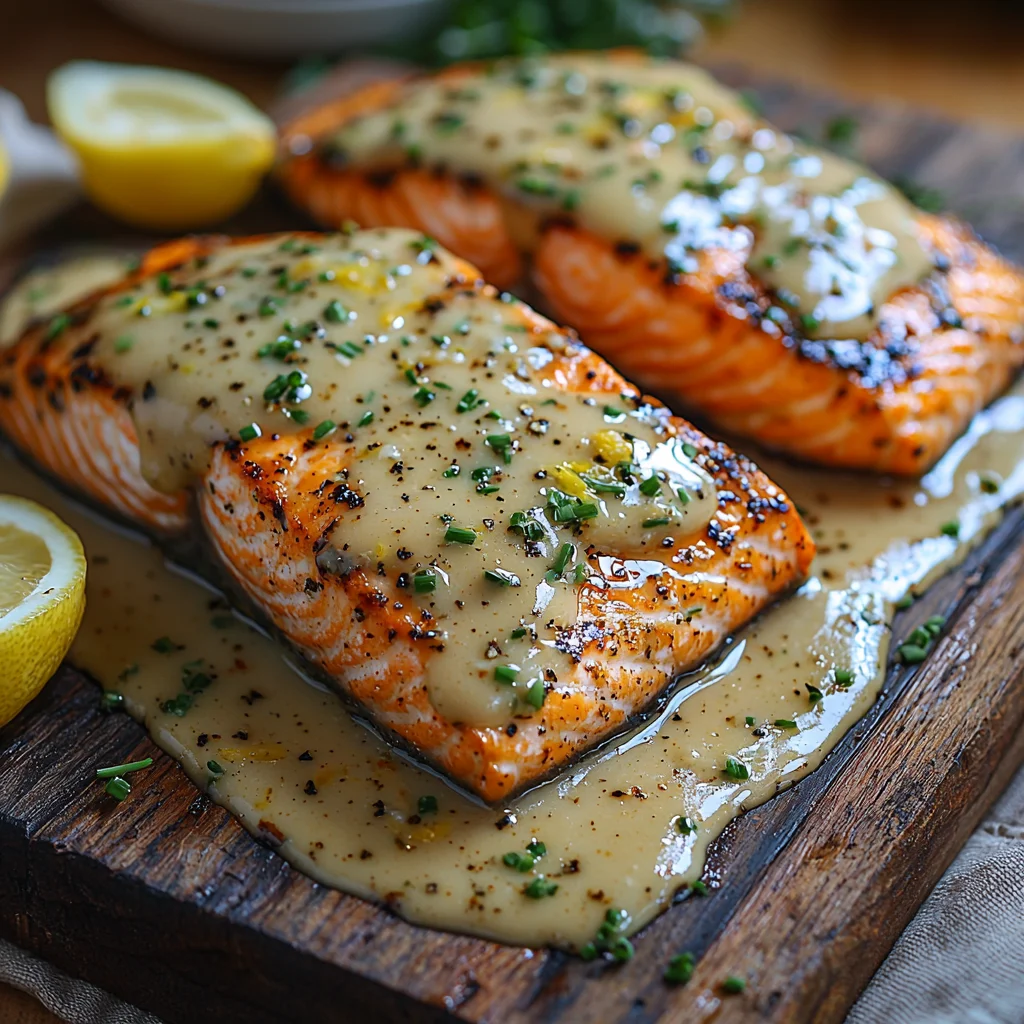
Grilled Salmon Recipe
Ingredients
Method
- Preheat your grill to medium-high heat (about 375°F).
- In a small bowl, whisk together olive oil, lemon juice, garlic, smoked paprika, dried dill, salt, and black pepper.
- Brush the marinade generously over both sides of the salmon fillets.
- Place the salmon fillets skin-side down on the preheated grill.
- Grill for 4-5 minutes per side, or until the salmon flakes easily with a fork.
- Remove the salmon from the grill and let it rest for 2-3 minutes.
- Garnish with lemon slices and chopped parsley before serving.