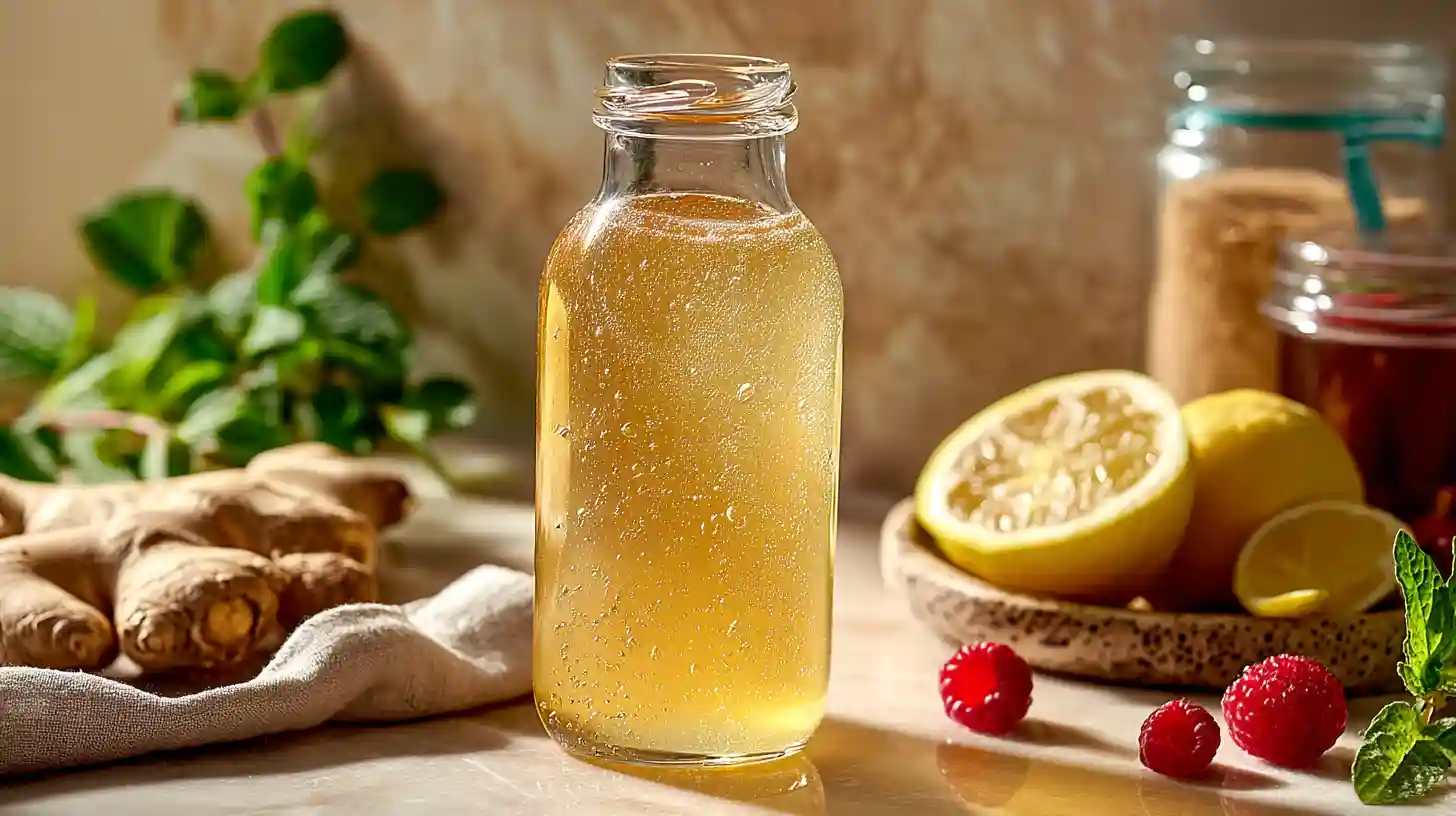
Tired of store-bought soda that’s all fizz and no real flavor? These ginger bug soda recipes bring the perfect mix of bubbly fun and gut-friendly goodness to your kitchen. Whether you’re new to wild fermentation or already have a ginger bug starter bubbling on your counter, this guide is packed with inspiration. From basic how-tos to irresistible flavors like Raspberry Basil and Pineapple Turmeric, you’ll get everything you need to create probiotic sodas that taste as amazing as they feel.
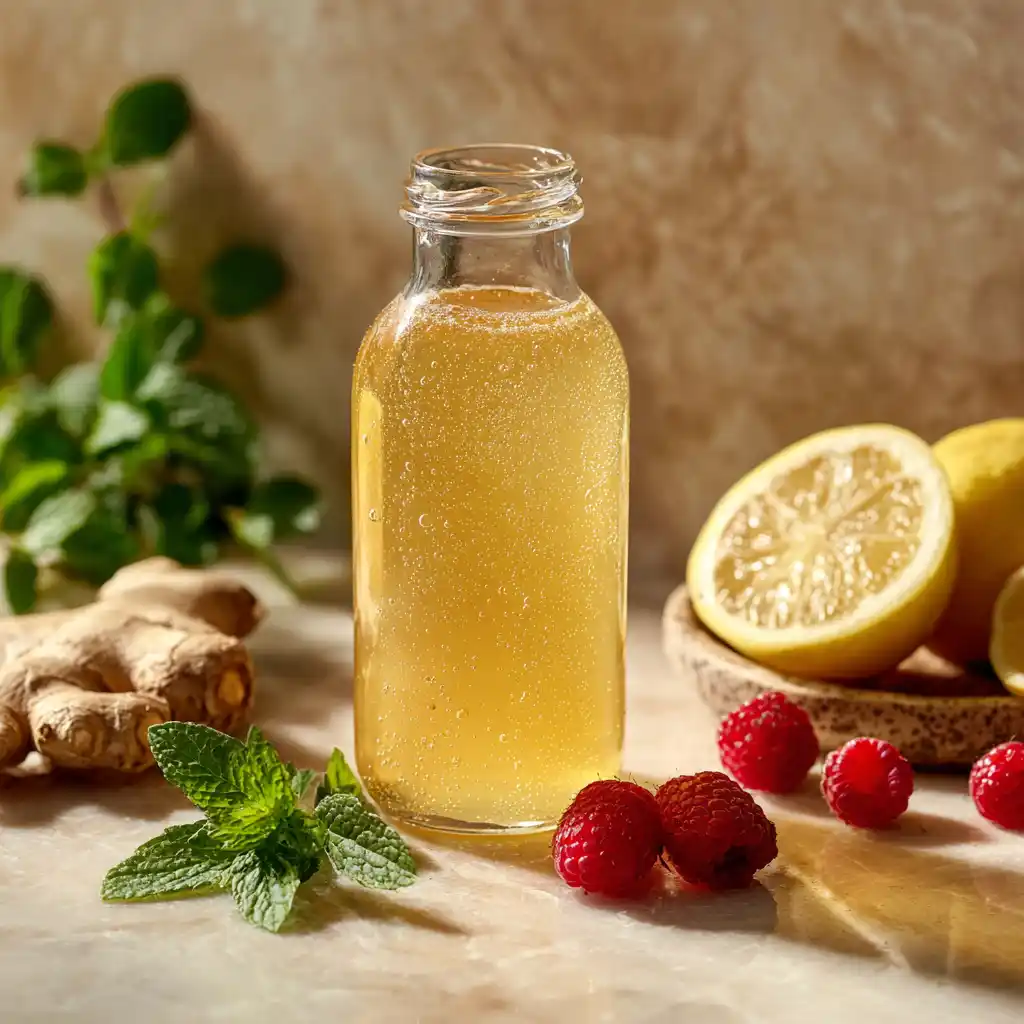
Why Ginger Bug Soda Is the Ultimate Homemade Probiotic
What Makes Ginger Bug Soda So Special
If you’re searching for a refreshing way to enjoy natural fermentation, ginger bug soda recipes are a perfect place to start. A ginger bug is a naturally fermented mix created by combining fresh ginger, sugar, and water into a live, bubbly starter.It’s packed with wild yeast and beneficial bacteria that help turn sweet liquids into bubbly probiotic drinks. What sets ginger bug soda apart is its simplicity. Unlike kombucha or kefir, which require special cultures, ginger bug soda uses ingredients you already have in your kitchen. Once your ginger bug is active, you can use it to create endless variations of fizzy drinks with fruit juice, herbal tea, or flavored syrups.
Why Your Gut Will Love It
One of the best things about ginger bug soda recipes is their natural probiotic content. The fermentation process creates live cultures that support digestion and gut health. Homemade ginger soda is not only flavorful but also gentle on the stomach. Whether you’re sipping lemon ginger or a berry-infused blend, each glass delivers beneficial microbes your body will appreciate. Plus, ginger has anti-inflammatory and immune-supportive properties, making it a star ingredient in fermented drinks. These naturally carbonated beverages are free from preservatives, caffeine, and artificial additives, giving you a cleaner, tastier alternative to store-bought sodas.If you’re focused on gut wellness, you’ll also love these juicing recipes for inflammation, packed with soothing ingredients.
How to Make a Ginger Bug Starter
Before exploring flavor combinations, you’ll need an active ginger bug. This live culture forms the base of all ginger bug soda recipes and takes just a few days to come to life using simple kitchen staples.
Ingredients (Starter Base):

- 1 tablespoon grated, unpeeled organic ginger
- 1 tablespoon granulated sugar
- 1½ cups filtered (non-chlorinated) water
Daily Feeding (for about 5 days):
- 1 tablespoon grated organic ginger
- 1 tablespoon granulated sugar
Step-by-Step Instructions:
- On Day 1, place 1 tablespoon of freshly grated, unpeeled organic ginger and 1 tablespoon of sugar into a clean glass jar.
- Add 1½ cups of filtered water. Stir thoroughly to blend and aerate the mixture.
- Cover the jar with a breathable cloth (like cheesecloth or a coffee filter) and secure it with a rubber band.
- Over the next four days, stir the mixture daily to redistribute any settled particles and introduce air. After stirring, feed it with another tablespoon of grated ginger and 1 tablespoon of sugar each day.
- By Day 5, your ginger bug should be alive with activity: small bubbles rising to the surface, a pleasant yeasty smell, and a cloudy yellow hue with some sediment on the bottom. At this point, it’s ready to be used in your favorite ginger bug soda recipes.
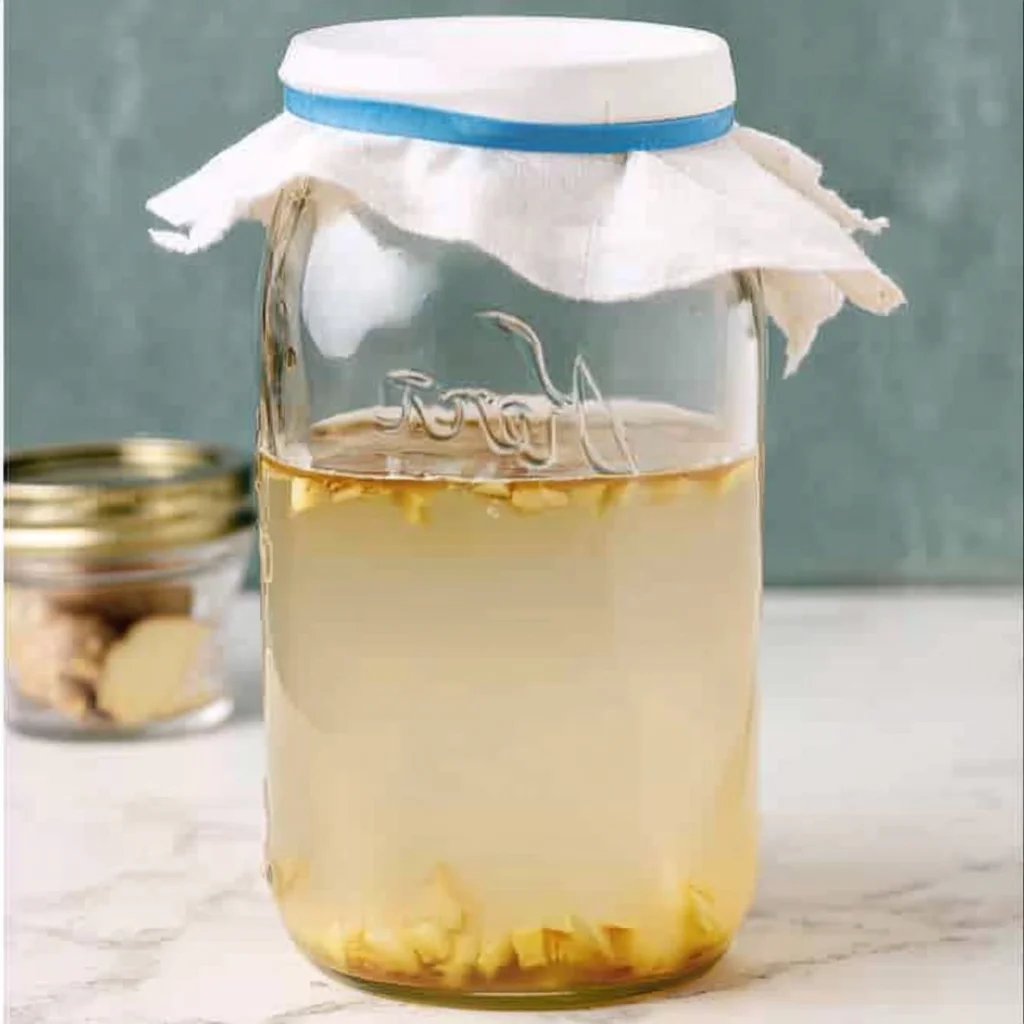
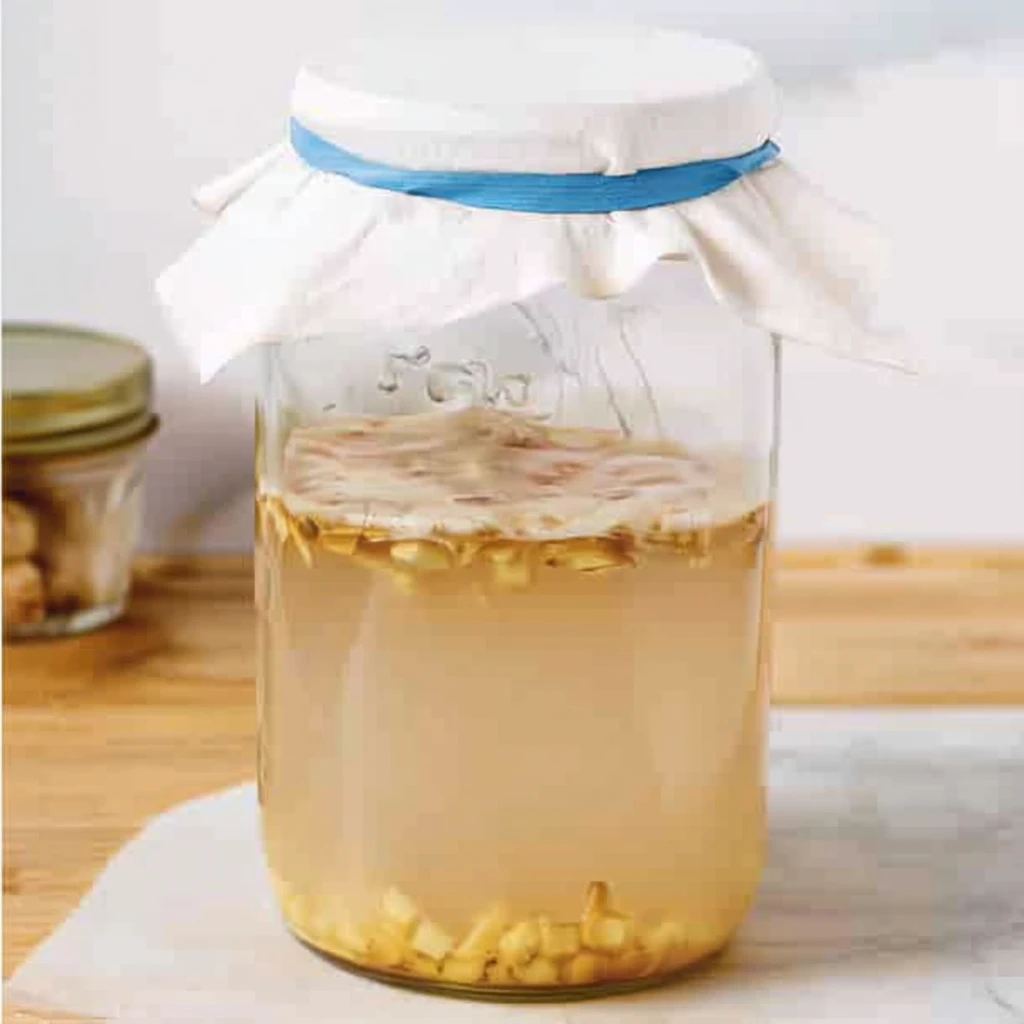
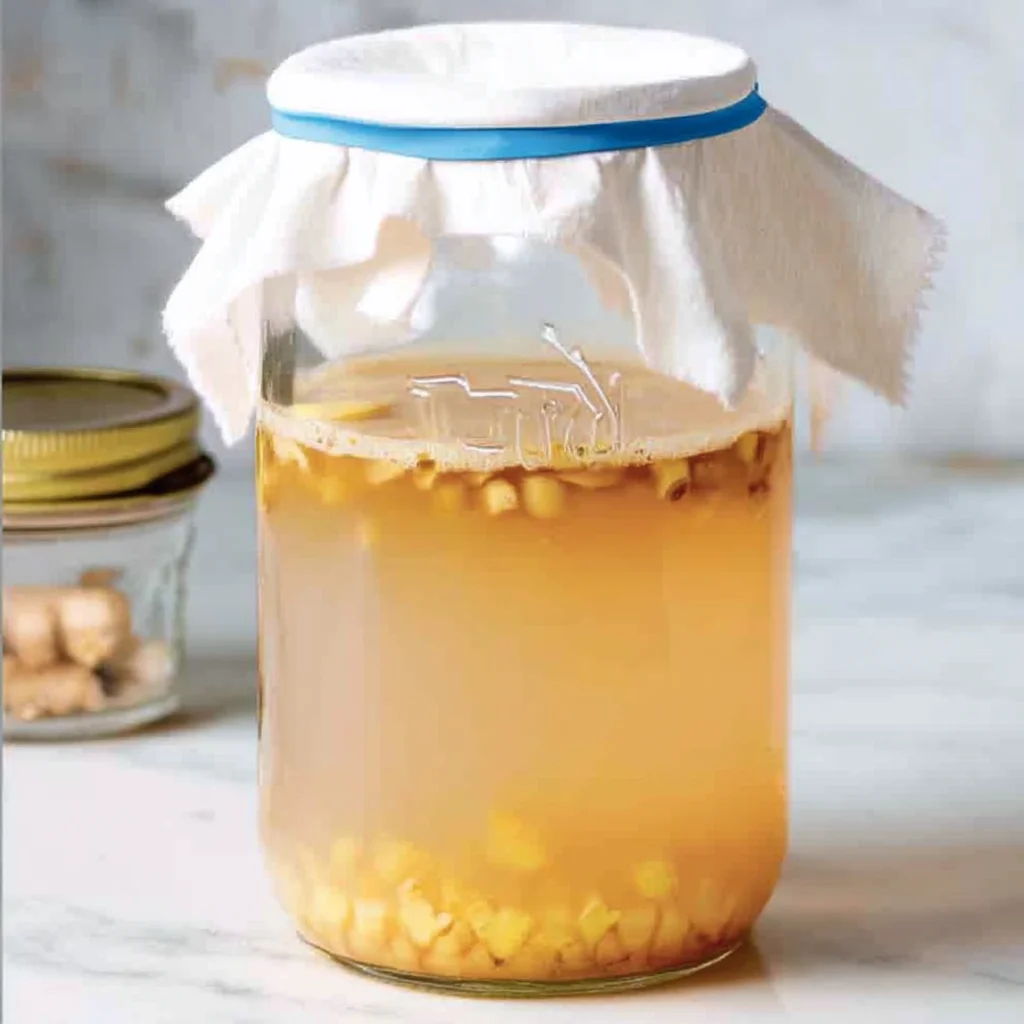
DAY2: Your starter will start getting yellowish color with bubbles starts to raise to the the top
DAY3: Stir and feed everyday
DAY 5: Your starter is ready
Ongoing Maintenance Tips:
- Room Temp Routine: Keep feeding daily if stored on the counter. The bug will stay active and multiply fast.
- Fridge Storage: If taking a break, refrigerate it and feed once a week. Let it warm to room temperature for a few hours after feeding before returning to cold storage.
- Reset and Refresh: If it grows too large, discard some of the old mixture, top off with clean water, and continue feeding until it becomes bubbly again.
- Keep It Clean: Strain excess liquid when needed, discard thick solids, and replenish with fresh ginger, sugar, and water as needed.
Helpful Notes for Better Brewing:
- The sugar you add mostly feeds the microbes, not you—expect a balanced, lightly sweet finish.
- Always use dechlorinated or filtered water to avoid harming your beneficial cultures.
- Think of your ginger bug like a soda version of sourdough—it’s flexible, forgiving, and gets better with practice.
- Don’t worry about perfection. Every ginger bug has its own rhythm—some even give theirs names, like “Mary-Ann,” to make the process more personal.
How to Make Ginger Bug Soda at Home
Once your starter is active, making flavored ginger bug soda recipes follows a repeatable, flexible process. The only real change is the flavor base you choose—everything else stays consistent.For another powerful homemade drink using simple pantry staples, try this apple cider vinegar honey lemon juice detox—it’s a great companion to fermented sodas.
Core Method for Any Flavor:
Ingredients:
- ¼ cup ginger bug starter (strained)
- 3 cups flavor liquid (see below)
- 1 tablespoon sugar (optional, boosts fizz)
Instructions:
- Choose your flavor liquid: this could be herbal tea, fresh juice, a fruit infusion, or a combo. Cool to room temperature.
- Pour the liquid into a flip-top bottle or jar.
- Add ¼ cup of your active ginger bug and sugar if needed.
- Seal tightly and ferment at room temperature for 2 to 4 days, depending on the flavor and room warmth.
- Check daily. When bubbles are strong, refrigerate to slow fermentation. Open slowly to release gas.
Flavor Liquid Examples:
- Citrus: lemon, lime, or orange juice
- Fruit: raspberry, elderberry, pineapple, apple
- Herbal: basil, hibiscus, mint, cinnamon
- Vegetable/Fresh: cucumber water
Use this formula to create your own ginger bug soda recipes or modify the ones in Part 3’s upcoming flavor section. Just rotate the flavor base, herbs, or spices to match your cravings or the season. For something refreshing and protein-packed, try this homemade protein lemonade—a fun pairing with your fruity fermented creations.
How to Store and Serve Ginger Bug Sodas
Storage Tips to Keep Sodas Safe and Fizzy.
Once your ginger bug soda recipes are fizzy and fermented to your liking, it’s time to chill and preserve that sparkle. Transfer your bottles to the refrigerator as soon as the carbonation is right. Cold temperatures slow fermentation and help keep the soda safe and crisp.
Use swing-top bottles or mason jars with tight seals to maintain pressure. These containers are designed to handle carbonation and help you avoid messy leaks or explosions. Always burp bottles carefully during the fermentation period—especially if your kitchen is warm—to prevent overpressure.
Properly stored, most ginger bug soda recipes stay fresh and fizzy in the fridge for up to two weeks. After that, flavor may begin to fade and fizz may decline, though the soda remains drinkable.
Creative way to serve Ginger Bug Soda All Year Long.
Serving your homemade soda is where the fun really begins. Try pouring over crushed ice for a warm-weather refresher or pairing with herbal garnishes to match the flavor. Fresh mint, basil, orange slices, or even cinnamon sticks can complement the natural notes of your chosen blend.
Each season opens up fresh possibilities. In summer, raspberry basil or cucumber mint sodas shine at picnics and barbecues. Come fall, apple cinnamon or elderberry fizz adds a cozy sparkle to any table. For an extra treat, mix your soda with sparkling water or use it as a base for mocktails.
Whether you bottle your own ginger bug soda recipes to share or keep them chilled and ready for your own afternoon pick-me-up, the joy of this fizzy tradition grows with every pour.
How do you know if your ginger bug soda is bad?
Bad ginger bug soda may develop off‑putting colors (like brownish-green or fuzzy mold), a rotten or cheesy smell, and no fizz—signs that it’s spoiled. Reddit users report that a rancid odor “a bit like vomit” means it’s time to toss it
How long can you store ginger bug soda?
Properly refrigerated ginger bug soda in sealed swing-top bottles stays fresh for 2 to 4 weeks, with fizz and flavor intact. Some homebrewers report keeping it for several months, but bubbles will gradually fade .
Why is my ginger bug not fizzy enough?
latness often comes from using too little sugar, not enough starter, or adding the bug to hot liquid. Sandpoint Soda Company advises including sufficient sugar, cooling liquids to room temperature, and waiting 24–48 hours for visible bubbles—otherwise add more starter
How do you know a ginger bug is ready?
A ginger bug is ready when you see lots of bubbles, hear a soft fizz, smell a mildly yeasty aroma, and the liquid is cloudy or yellowish with sediment. Users commonly hear gentle hissing and see yeast rising—these signs show it’s primed for ginger bug soda recipes
Final fizzy thoughts
Whether you’re new to fermentation or already a fan of gut-friendly drinks, ginger bug soda recipes open the door to a world of vibrant, living beverages you can make at home. With just ginger, sugar, and water, you can create a powerful starter that brings life to every batch of soda you brew. These recipes are more than fun experiments—they’re flavorful, fizzy, and packed with beneficial microbes your body will thank you for.
From Raspberry Basil to Pineapple Turmeric, every variation proves that ginger bug soda recipes are endlessly customizable. Want something cooling in summer? Go for Cucumber Mint. Need a cozy fall sip? Try Apple Cinnamon. Once your starter is active, the combinations are limitless.
By learning to ferment at home, you’re taking control of your ingredients, boosting your gut health, and crafting delicious drinks that outperform store-bought sodas. So don’t wait—start your own collection of ginger bug soda recipes today, and enjoy the satisfaction of every bubbly, probiotic sip.