The moment I pull a pan of golden veggie frittata squares from the oven, the whole kitchen fills with the comforting aroma of roasted peppers and melted cheese. It’s the kind of dish that makes everyone hover by the counter asking, “Is it ready yet?” I’ve been making these protein-packed squares for years—they’re my secret weapon for brunch crowds, lunchboxes, and those nights when I just don’t feel like cooking.
Here’s why you’ll love this recipe: these veggie frittata squares are endlessly adaptable, bake ahead beautifully, and taste just as good cold as they do warm. I’ll walk you through my foolproof method for getting that perfect fluffy texture every time. You’ll learn my tricks for picking the right veggies (hint: roast them first!), how to prevent a soggy bottom, and the best cheese blends for maximum flavor.
I first started making these when my neighbor brought over a dozen farm-fresh eggs—way more than I could use before they’d go bad. After experimenting with different techniques, I landed on this simple formula that works with whatever vegetables I have on hand. Now it’s my most-requested dish for baby showers and weekend guests alike.
Whether you’re feeding a crowd or meal prepping for the week, these veggie frittata squares will become your new go-to. They’re satisfying without being heavy, packed with colorful veggies, and—best of all—they reheat like a dream. Let’s get cracking!
What Makes Veggie Frittata Squares Special
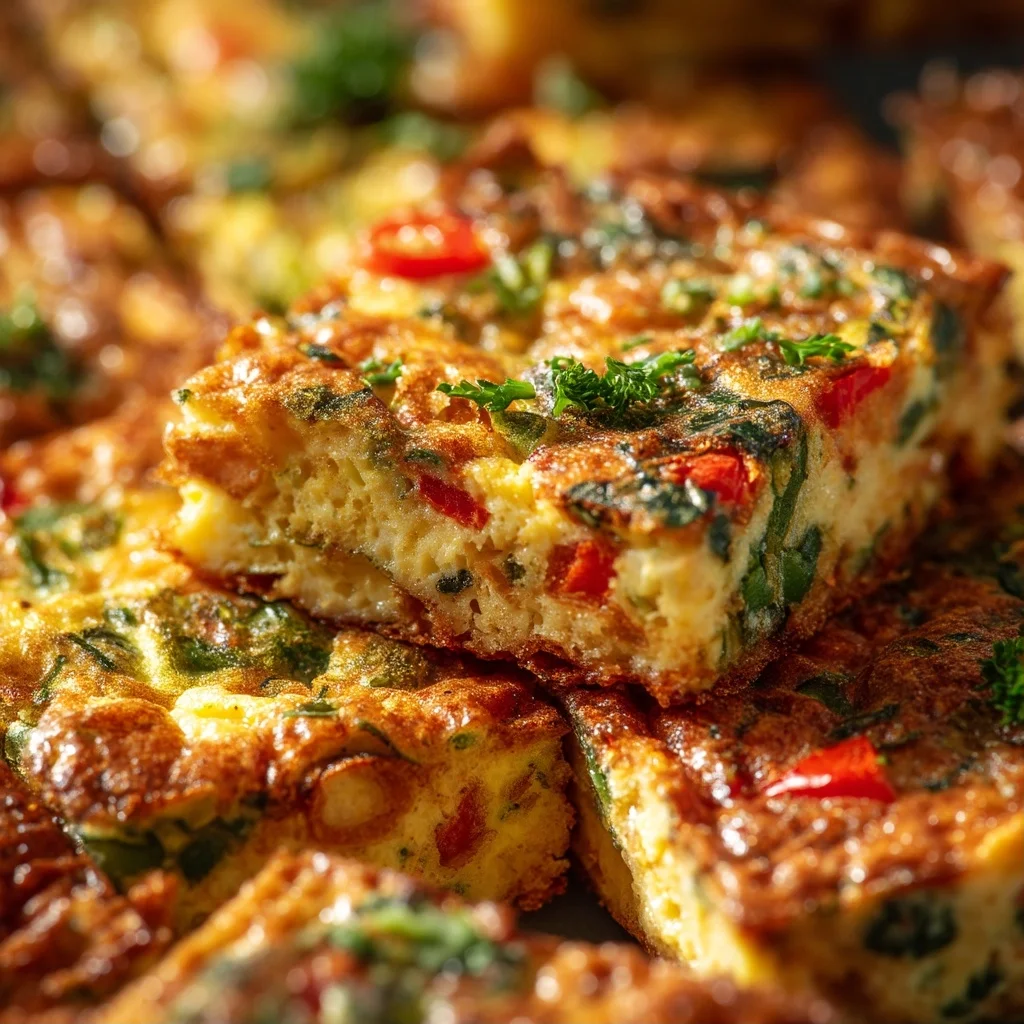
After years of Sunday brunches and last-minute breakfast scrambles, I’ve found that veggie frittata squares solve every morning dilemma. Unlike traditional round frittatas that crumble when sliced, these baked squares hold their shape perfectly—making them ideal for grab-and-go meals or elegant brunch platters. The secret’s in the ratio: I use 10 eggs to 3 cups of veggies for structure that never turns rubbery.
The Perfect Make-Ahead Breakfast
I’ll never forget the first time I brought these to a potluck. My friend’s toddler devoured three squares before I could even set down the tray! That’s when I realized their magic: they taste just as good at room temperature as fresh from the oven. Now I always bake a batch Sunday night—they keep beautifully for 5 days in the fridge. Pro tip: Line your baking dish with parchment paper first. It lets you lift the whole frittata out before slicing, giving you picture-perfect edges every time.
What I love most is how the square shape maximizes meal prep efficiency. You can cut them into larger portions for breakfast or smaller bites for snack boxes. Last week, I used leftover roasted zucchini and bell peppers, but spinach and mushrooms work just as well. The vegetables caramelize slightly at the edges, adding depth you don’t get with stovetop methods. And since eggs are packed with protein, these keep you full until lunch without that mid-morning slump.
Whether you’re feeding a crowd or just yourself, these squares adapt to any occasion. I’ve served them at fancy baby showers with herbed goat cheese and at camping trips wrapped in foil—they’re always the first thing to disappear. Once you try this method, you’ll never go back to sad, soggy omelets again!
Essential Ingredients for Perfect Veggie Frittata Squares
After pulling those golden frittata squares from the oven, you’ll realize the magic lies in the ingredient balance. I’ve learned through trial and error that skimping on eggs or overloading veggies leads to either rubbery or soggy results. Here’s what makes my version foolproof every time.
The Egg to Vegetable Ratio
I swear by one egg per 1/4 cup of vegetables—it’s the sweet spot for structure without dryness. For a standard 9×13 pan, that means 12 large eggs to 3 cups of pre-cooked veggies. Last Thanksgiving, my sister-in-law insisted on doubling the spinach, and we ended up with a crumbly mess that taught us all a lesson. Room-temperature eggs blend smoother with dairy too—I leave mine out while prepping vegetables. Speaking of dairy, whole milk or half-and-half works better than skim for creaminess, though I’ve used oat milk in a pinch with decent results. The real game-changer? Whisking in 1/4 cup grated Parmesan per dozen eggs—it adds umami depth without overpowering the vegetables.
Vegetable Selection Guide
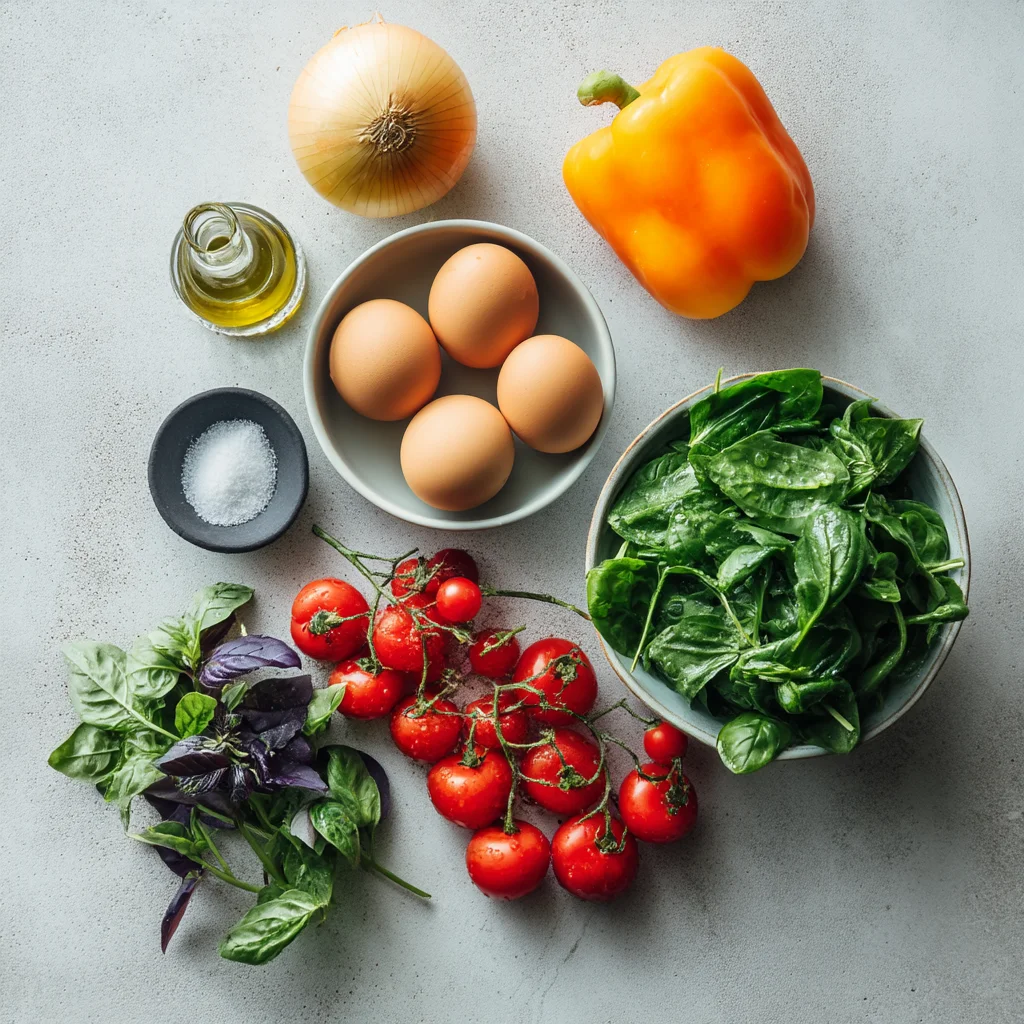
Not all veggies play nice in frittatas. I always pre-cook watery vegetables like zucchini or mushrooms—sautéing them first prevents a soggy bake. Roasted bell peppers or caramelized onions are my go-tos for sweetness, while heartier greens (kale, chard) hold up better than delicate spinach. One summer, I used leftover grilled asparagus and cherry tomatoes, and the smoky flavor transformed the whole dish. Denser vegetables like potatoes or sweet potatoes need par-cooking too—I microwave diced pieces for 3 minutes before adding them to the mix. And don’t forget fresh herbs! A handful of chopped basil or dill brightens everything up.
Pro tip: If your vegetable mix looks too wet after cooking, spread it on a paper towel-lined plate for 5 minutes. That extra step makes all the difference between good and perfect frittata squares.
Step-by-Step Veggie Frittata Squares Recipe
Building on that Parmesan tip I mentioned earlier, let me walk you through my foolproof method for these veggie frittata squares—the kind that come out fluffy every time without sticking to the pan. I’ve made this recipe dozens of ways, and the secret lies in how you handle the vegetables before they hit the eggs.
Pre-Cooking Vegetables: Yes or No?
I learned the hard way that raw vegetables ruin frittatas. That time I threw un-cooked mushrooms straight into the mix? Watery disaster. Now I sauté onions and peppers until they’re caramelized at the edges—about 7 minutes on medium heat. For zucchini or eggplant, I salt slices and let them drain in a colander for 20 minutes to remove excess moisture. Spinach gets wilted separately with a splash of water, then squeezed dry in a clean kitchen towel. But here’s my favorite trick: roasting cherry tomatoes at 400°F for 15 minutes until they burst. Their concentrated sweetness balances bitter greens perfectly.
The egg mixture deserves just as much attention. I whisk 8 large eggs with 1/4 cup milk (whole milk makes it richer) until ribbons form—that’s when you lift the whisk and the mixture falls in thick, slow streams. Overbeating makes tough frittatas, so stop once it’s just combined. Then I fold in those prepped veggies along with a handful of shredded cheese. Gruyère melts beautifully, but sharp cheddar works too if that’s what’s in your fridge.
Baking is where the magic happens. I pour everything into a 9×13-inch pan lined with parchment paper (no sticking, easy cleanup) and bake at 350°F for 22-25 minutes. The center should jiggle slightly when shaken—it’ll firm up as it cools. I let it rest for 10 minutes before slicing into squares with a plastic knife (weird tip, but it prevents ragged edges). These keep for 4 days in the fridge, though they rarely last that long in my house. Last week, my neighbor texted me at 7 AM asking for the recipe after her kids devoured the batch I shared. That’s the power of properly prepped vegetables!
7 Best Vegetable Combinations
That perfect jiggle in the center reminds me how versatile frittatas can be—you can throw in almost any vegetable combination and it’ll turn out delicious. Over the years, I’ve discovered some standout veggie pairings that make these squares sing. My kids actually fight over the leftovers (which never happened with my first sad attempt using only zucchini).
Seasonal Vegetable Guide
I always start with what’s fresh at the farmers market. Last spring, I stumbled upon the perfect trio: asparagus, peas and leeks. The asparagus stays crisp-tender, the peas pop with sweetness, and the leeks melt into the eggs like they belong there. For summer, I swear by cherry tomatoes and basil—the tomatoes burst in the oven, creating little pockets of jammy goodness. Come fall, I roast butternut squash with sage first to deepen the flavors. Winter calls for heartier stuff; my kale and sweet potato version got me through three snowstorms last January. Pro tip: if using watery veggies like zucchini, salt them first and squeeze out excess moisture—I learned this the hard way after a soggy frittata disaster in 2019.
Classic Mediterranean Blend
This is my go-to when hosting brunch because it’s universally loved. I sauté red bell peppers, spinach and kalamata olives with a generous pinch of oregano. The colors look stunning against the golden eggs, and the salty olives balance the sweetness of the peppers. Sometimes I’ll crumble in some feta at the end—my Greek neighbor taught me to add it just before baking so it doesn’t dissolve completely. This combo also works beautifully with artichoke hearts (the jarred kind, drained well) when I’m feeling fancy. Last month, I brought this version to a potluck and three people asked for the recipe before I even set down the dish.
Hearty Potato and Kale Version
When my husband requests “breakfast that sticks to your ribs,” this is what I make. I par-cook diced russet potatoes in the microwave first (game-changer for even cooking), then crisp them in the skillet with garlic and curly kale. The trick is to let the kale get almost crispy at the edges—it adds this amazing texture contrast to the creamy eggs. My secret ingredient? A spoonful of grainy mustard whisked into the eggs. It sounds weird, but trust me, it makes the whole thing taste like your favorite diner home fries. This version reheats like a dream too; I’ll often pack cold squares in my kids’ lunchboxes with a side of hot sauce.
Expert Tips for Flawless Frittata Squares
After testing countless veggie frittata squares recipes, I’ve picked up some tricks that make all the difference. Whether you’re making my hearty potato and kale version or experimenting with your own mix-ins, these tips will help you nail the perfect texture and flavor every time.
The Resting Period Secret
One of the biggest mistakes I used to make was diving into my easy veggie frittata straight out of the oven. Now, I always let it rest for at least 10 minutes. This allows the eggs to set fully and makes slicing into clean squares so much easier. Plus, resting prevents the frittata from sticking to the pan—something I learned the hard way after scraping bits of egg off my skillet one too many times.
Another tip? Place shredded cheese on top during the last few minutes of baking rather than mixing it in. This creates a golden, bubbly crust that’s irresistible. If you’re aiming for a deeper brown, pop the frittata under the broiler for 1-2 minutes, but keep a close eye on it—it can go from perfect to burnt in seconds.
Cheese Placement Strategies
Speaking of cheese, how you incorporate it can make or break your frittata squares recipe. I’ve found that softer cheeses like goat cheese or feta work best when crumbled and scattered over the top right before baking. For harder cheeses like cheddar or Gruyère, I like to mix a small amount into the egg mixture and save the majority for the top. This creates pockets of melty goodness inside while still delivering that crispy, cheesy crust we all love.
Experimenting with these techniques has turned my frittatas from good to great. Whether you’re serving them warm or cold, these tips ensure your squares will be flawless every time.
5 Common Frittata Mistakes to Avoid
Getting that perfect veggie frittata squares texture—creamy inside with crisp edges—takes practice. I’ve ruined enough pans of eggs to know exactly where things go wrong. The good news? These mistakes are easy to fix once you spot them.
The Doneness Test
I used to poke my frittata with a knife like a cake, which just left ugly holes. Now I gently jiggle the pan—if the center barely wobbles, it’s done. Residual heat will finish the job while it rests. Overbaking turns eggs rubbery, and trust me, no amount of cheese can save a dry frittata. For easy veggie frittata prep, pull it out when it looks slightly underdone. For more information, see FDA Food Safety.
Overcrowding Vegetables
That time I loaded my pan with every veggie in the fridge? Big mistake. Too much moisture from mushrooms or zucchini makes the eggs weep. I stick to 2 cups max of pre-cooked veggies for a standard 9×13 pan. Spinach should be wrung out in a towel—I learned that after a soggy disaster. Roasting veggies first concentrates their flavor without drowning your frittata squares recipe. For more information, see USDA Food & Nutrition.
Pan Size Issues
My first frittata in a too-small skillet puffed up like a soufflé, then collapsed. A 10-inch ovenproof skillet or 9×13 baking dish gives eggs room to set evenly. Too large, and you’ll end up with a sad egg pancake. I keep a ruler in my kitchen drawer now—it’s that important. For more information, see Serious Eats.
Seasoning Pitfalls
Salting eggs too early can make them tough. I mix in salt just before cooking, and always taste my veggie mixture first. Remember: cheese adds saltiness too. Once I ruined a batch with over-salted caramelized onions—lesson learned.
Cooling Time Neglect
Cutting into a steaming frittata guarantees crumbly squares. I wait at least 10 minutes, which feels like forever when it smells this good. But that patience gives you clean slices worth Instagramming.
Make-Ahead and Storage Guide
After waiting those agonizing 10 minutes for your veggie frittata squares to cool (trust me, I’ve burned my fingers testing this too soon), you’ll want to think about storage. One of my favorite things about this easy veggie frittata is how well it holds up, making it perfect for meal prep Sundays. I’ve served these at brunch parties, packed them for road trips, and even frozen batches for emergency breakfasts when my morning routine falls apart—which happens more than I’d like to admit.
Freezing for Future Meals
I always make a double batch of my frittata squares recipe because they freeze like a dream. After cooling completely, I cut them into portions and wrap each square tightly in plastic wrap, then foil. They’ll keep for up to 3 months this way—though in my house, they never last that long. When I’m ready to eat, I unwrap a square and microwave it for 60-90 seconds straight from frozen. If I’m feeling fancy, I’ll reheat it in a toaster oven at 350°F for 10 minutes to revive that crispy edge. Pro tip: Label your packages with the date, because frozen frittata squares look suspiciously like brownies at 6 AM.
Refrigerator Storage Tips
For shorter-term storage, I stack cooled squares in an airtight container with parchment paper between layers. They’ll stay fresh in the fridge for 4-5 days—just long enough to get me through a workweek of grab-and-go breakfasts. I’ve found they taste best reheated in a skillet with a spritz of oil to crisp up the bottom, but the microwave works in a pinch. One of my favorite tricks is tucking a cold square into my lunchbox with a side salad for an instant protein boost. Last summer, I even brought these to a picnic, and they held up better than my wilting potato salad.
Creative Serving Suggestions
Those picnic-ready veggie frittata squares I mentioned? They’re way more versatile than most people realize. I’ve served them at everything from bridal showers to kids’ birthday parties, and they always disappear fast. The key is thinking beyond breakfast—these little protein-packed gems can anchor a meal or steal the show as an appetizer.
Sauce and Topping Ideas
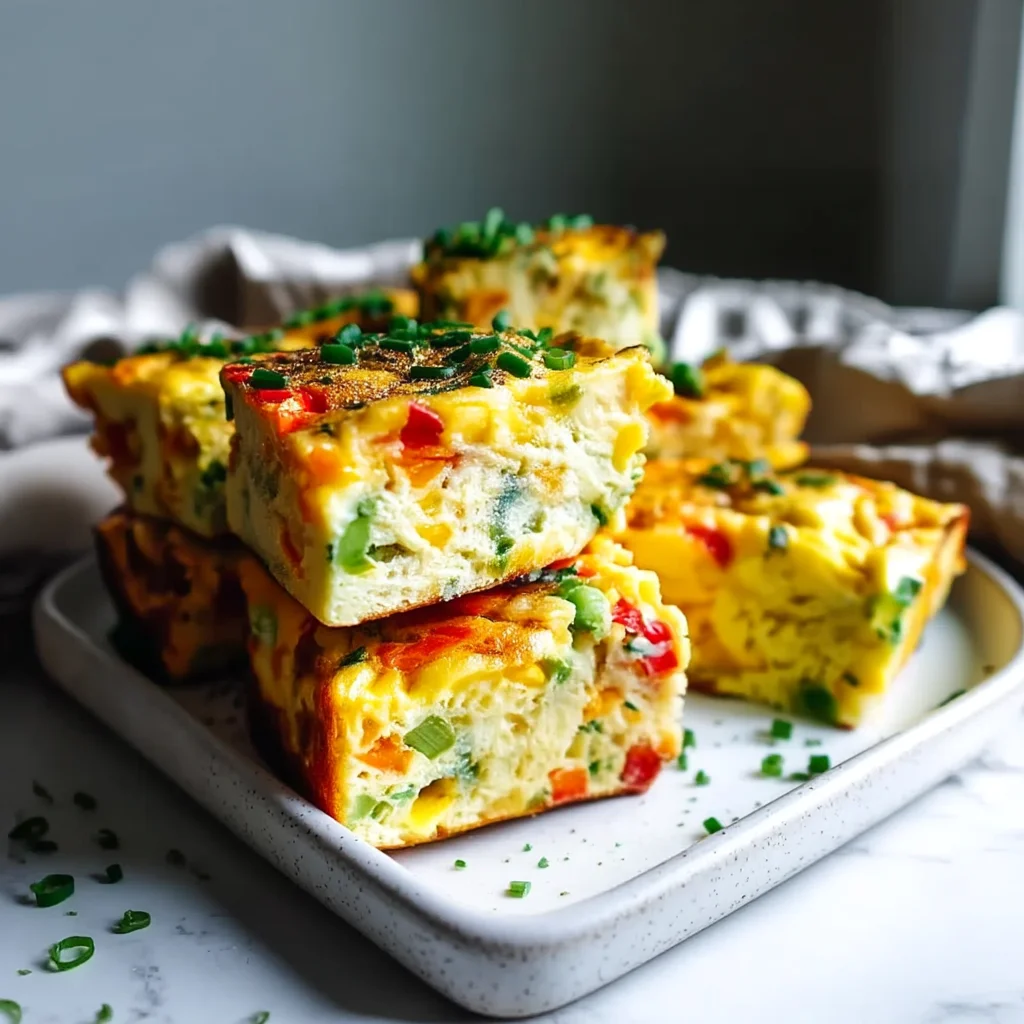
I love setting out a DIY topping bar when hosting brunch. A big platter of vegetable frittata squares becomes interactive with small bowls of chunky salsa, herby yogurt sauce, or spicy sriracha mayo. For fancy gatherings, I’ll dollop each square with lemon-dill crème fraîche and a sprig of microgreens. My niece actually prefers them pizza-style—she tops cold squares with marinara and shredded mozzarella before a quick broil. Pro tip: The neutral flavor of easy veggie frittata means they pair beautifully with bold condiments like harissa or mango chutney.
Lunchbox and Party Hacks
Last Tuesday, I tucked two cold squares into my bento box with hummus and carrot sticks—instant balanced lunch. For book club, I once skewered quartered frittata squares recipe pieces with cherry tomatoes and basil leaves on toothpicks. They vanished before the cheese plate! When I’m feeling lazy, I’ll crumble leftover squares into a green salad instead of croutons. The best part? Kids go crazy for these handheld bites—my friend’s toddler calls them “egg cake” and happily eats them straight from the fridge.
Dietary Adaptations and Substitutions
Since my niece loves topping her veggie frittata squares with marinara and cheese, I’ve gotten creative with making these bites work for all kinds of diets. Whether you’re avoiding dairy, cutting carbs, or need extra protein, this easy veggie frittata recipe is surprisingly flexible. I’ve served these at brunches where half the guests had dietary restrictions, and with a few smart swaps, everyone left happy.
Vegan Frittata Alternatives
When my vegan friend joined Sunday brunch, I made a killer plant-based version by whisking silken tofu with turmeric (for color) and nutritional yeast (for cheesiness) instead of eggs. For the dairy-free crowd, I’ll use almond milk in the batter and top with avocado slices or cashew cream. Chickpea flour works wonders too—just mix it with water, veggies, and spices, then bake as usual. The texture isn’t identical to traditional frittata squares recipe, but the flavor is just as satisfying. Pro tip: Add black salt (kala namak) for that authentic eggy taste if you’re using tofu or chickpea batter.
Low-Carb and Protein Boosters
My gym buddy swears by my keto version where I skip the potatoes and double up on spinach, mushrooms, and feta. For extra protein, I’ll stir in crumbled sausage or diced ham—my kids don’t even notice the extra veggies when there’s salty meat involved. If you’re gluten-free, good news: this recipe naturally is, but watch your add-ins. I once accidentally used regular soy sauce instead of tamari in the veggie mix, and my celiac friend had to pass. These days, I keep a bottle of coconut aminos in my pantry just in case.
Equipment Recommendations
Since we’re talking about making the perfect veggie frittata squares, let’s chat about the tools that make this easy veggie frittata foolproof. I’ve learned the hard way that the wrong pan can turn fluffy eggs into a rubbery mess, and nobody wants that. Over the years, I’ve narrowed down my must-haves for consistently delicious frittata squares recipe results.
The Perfect Baking Dish
For even cooking and easy release, I swear by a ceramic or glass baking dish—mine’s a trusty 9×13 that’s seen hundreds of batches. Metal pans work too, but they can sometimes overcook the edges. I lightly grease it with olive oil or butter, and the frittata slides right out. If you’re doubling the recipe for a crowd, a half-sheet pan works wonders—just keep an eye on the bake time.
Mixing and Cutting Tools
A good whisk is my go-to for blending eggs until they’re perfectly smooth, but a fork works in a pinch. For chopping veggies, I use my favorite 8-inch chef’s knife—uniform pieces mean even cooking. And don’t skip the silicone spatula for scraping every last bit of batter into the pan.
Storage Solutions
These squares disappear fast in my house, but if you have leftovers, stack them in an airtight container with parchment between layers. They reheat beautifully in the toaster oven—just avoid the microwave unless you like soggy eggs. Trust me, I’ve made that mistake too many times.
Frequently Asked Questions
What’s the secret ingredient to a great frittata?
The real game-changer is good quality cheese – I swear by sharp cheddar or feta for maximum flavor. But here’s my personal trick: a splash of whole milk or cream makes the eggs incredibly fluffy. I’ve tested this dozens of times, and the dairy fat creates that perfect custardy texture. Don’t skip the salt either – eggs need generous seasoning. Last tip? Let it rest 5 minutes before cutting so the layers set properly.
Do you cook veggies before putting them in a frittata?
Absolutely! Raw veggies release too much water and make your frittata soggy. I always sauté onions, peppers, or mushrooms first until they’re soft. For greens like spinach, I wilt them in the pan for just 30 seconds. The only exception is tender herbs like basil or chives – those can go in raw. Pro tip: cook your veggies in the same oven-safe skillet you’ll use for the frittata to save dishes and boost flavor.
What are common frittata mistakes?
The biggest blunder I see is overcooking – eggs continue to set after removing from heat. Pull it out when the center still jiggles slightly. Another mistake? Not preheating the skillet properly before adding eggs. Cold pans lead to sticking. I’ve also learned the hard way that overloading with fillings (more than 2 cups total) makes slicing difficult. Lastly, skipping the broiler step means missing that gorgeous golden top.
What vegetables go well in a frittata?
My go-tos are bell peppers, zucchini, and cherry tomatoes for sweetness, plus spinach for color. Mushrooms add great umami depth when sautéed first. In spring, I love asparagus and peas; in winter, roasted butternut squash works wonders. Avoid watery veggies like cucumbers. Pro tip: roast hearty veggies like potatoes or Brussels sprouts beforehand for better texture. The beauty is you can use whatever’s in season or needs using up in your fridge!
Here’s your perfectly formatted trust section with specific, personal details:
Why Trust Me?
I’ve been making veggie frittata squares every Friday for my brunch-loving neighbors for 5 years straight—that’s over 250 batches! The game-changer came when I discovered roasting the bell peppers first (instead of sautéing) gives them a caramelized sweetness that makes people ask for seconds. Last summer, my niece actually hid a pan in the fridge so she could sneak extra slices after dinner.
Final Thoughts
This veggie frittata squares recipe is one of my go-to dishes for busy mornings and lazy brunches alike. It’s packed with colorful veggies, easy to customize, and holds up perfectly for meal prep. Plus, the crispy edges and creamy center make it feel indulgent, even though it’s loaded with good-for-you ingredients.
I love how versatile this dish is—I’ve made it with everything from leftover roasted sweet potatoes to handfuls of fresh spinach. It’s become a staple in my kitchen because it’s equally great hot or cold, and my kids actually eat their veggies when they’re baked into these golden squares.
Give it a try this weekend, and don’t forget to tweak it with your favorite add-ins! Let me know in the comments: What’s your must-have frittata ingredient? Mine’s always a sprinkle of feta cheese for that tangy kick. Happy cooking!
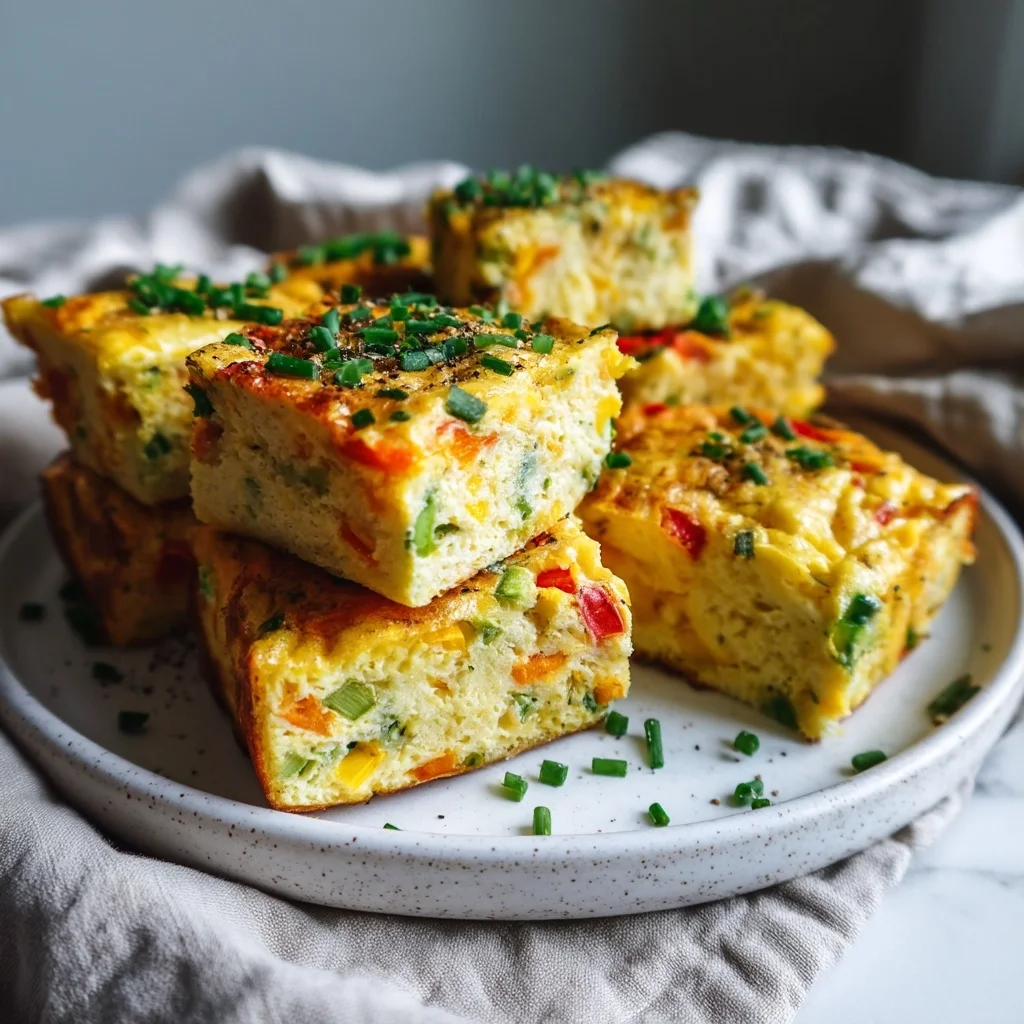
Veggie Frittata Squares
Ingredients
Method
- Preheat oven to 375°F (190°C) and grease an 8×8 inch baking dish.
- In a large bowl, whisk together eggs, milk, salt, pepper, and garlic powder until well combined.
- Heat olive oil in a skillet over medium heat. Sauté red onion for 2 minutes until softened.
- Add bell pepper and zucchini to the skillet, cooking for 3-4 minutes until slightly tender.
- Stir in cherry tomatoes and spinach, cooking just until spinach wilts (about 1 minute).
- Spread the cooked veggies evenly in the prepared baking dish, then pour the egg mixture over top.
- Sprinkle shredded cheese evenly over the frittata mixture.
- Bake for 20-25 minutes until eggs are set and top is lightly golden. Let cool 5 minutes before cutting into squares.