
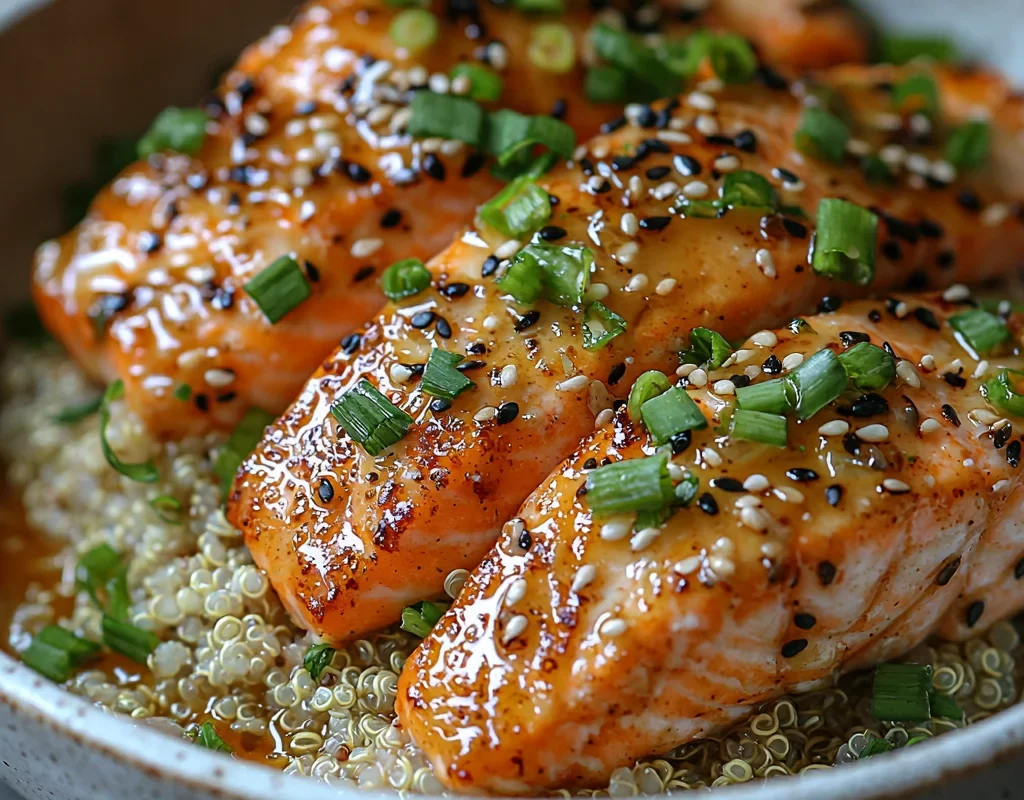
Ever had one of those meals that leaves you feeling full but not sluggish? That’s exactly what my High Protein Salmon Bowl does—it’s packed with flavor, texture, and enough protein to keep you energized for hours. I first stumbled on this combo after a long workout when I needed something quick yet satisfying. Now, it’s my go-to lunch at least twice a week.
In this guide, I’ll walk you through my foolproof method for making the perfect High Protein Salmon Bowl every time. You’ll learn how to pick the freshest salmon, cook it to tender perfection (no dry flakes here!), and pair it with the right grains and veggies for a balanced meal. I’ve also included tips for meal prepping this bowl so you can enjoy it all week without the hassle.
What I love most about this recipe is its versatility. Whether you’re gluten-free, keto-curious, or just looking for a nutrient-dense lunch, you can tweak the ingredients to fit your needs. Ready to make a bowl that’s as delicious as it is good for you? Let’s get started.
Why You’ll Love This High Protein Salmon Bowl
After that long workout I mentioned, I needed something quick but packed with nutrients—something that wouldn’t leave me hungry an hour later. If you enjoyed this, you might also like High Protein Chicken Burrito Bowl. That’s when I discovered the magic of this High Protein Salmon Bowl. It’s become my secret weapon for busy days when I want a meal that’s as satisfying as it is simple. The combo of tender salmon, hearty grains, and crisp veggies keeps me full for hours without weighing me down. Plus, it’s so versatile you can tweak it to fit any diet, from keto to gluten-free.
Nutrient-Dense Ingredients
I love how every bite delivers a powerhouse of nutrition. The salmon alone packs 20g of protein per serving, plus omega-3s for brain health. I pair it with quinoa or cauliflower rice for extra fiber, and avocado adds creamy healthy fats. Last week, I tossed in some roasted Brussels sprouts for crunch, and it was a game-changer. You won’t believe how easy it is to customize while keeping it low-carb or teriyaki-flavored if you’re feeling adventurous.
Quick and Easy to Make
The first time I made this bowl, I was shocked by how little effort it took. While the salmon bakes (just 12 minutes!), I prep the rest—usually some pre-chopped veggies or leftover grains. My trick? Keep a batch of cooked quinoa in the fridge for even faster assembly. It’s perfect for meal prep, too; I’ve packed it for lunches all week without the flavors getting soggy. Trust me, if I can pull this off after a 10-hour workday, you definitely can.
Ingredients for the Perfect High Protein Salmon Bowl
After testing dozens of variations, I’ve nailed down the must-have components for a salmon bowl that’s both satisfying and packed with protein. If you enjoyed this, you might also like Steak And Sweet Potato Protein Bowl. You’ll need a fresh salmon fillet (skin-on for extra crispiness!), plus your choice of base—I alternate between quinoa for fiber, jasmine rice when I crave something comforting, or cauliflower rice for low-carb days. For toppings, I always include avocado for creaminess, crunchy cucumber, and protein-rich edamame. Last Tuesday, I threw in pickled ginger for a zingy twist, and now it’s my go-to move.

Substitutions for Dietary Needs
If you’re gluten-free, swap soy sauce for tamari in your marinade. For keto folks, skip the grains entirely and double up on roasted veggies like zucchini or bell peppers. When my vegan friend visited, I used marinated tofu instead of salmon, and she raved about it. The beauty of this bowl? It bends to your needs without losing flavor.
Nutrient-Dense Ingredients
I love how every bite delivers a powerhouse of nutrition. The salmon alone packs 20g of protein per serving, plus omega-3s for brain health. I pair it with quinoa or cauliflower rice for extra fiber, and avocado adds creamy healthy fats. Last week, I tossed in some roasted Brussels sprouts for crunch, and it was a game-changer. You won’t believe how easy it is to customize while keeping it low-carb or teriyaki-flavored if you’re feeling adventurous.
Quick and Easy to Make
The first time I made this bowl, I was shocked by how little effort it took. While the salmon bakes (just 12 minutes!), I prep the rest—usually some pre-chopped veggies or leftover grains. My trick? Keep a batch of cooked quinoa in the fridge for even faster assembly. It’s perfect for meal prep, too; I’ve packed it for lunches all week without the flavors getting soggy. Trust me, if I can pull this off after a 10-hour workday, you definitely can.
Step-by-Step Guide to Making Your Salmon Bowl
Since I mentioned how easy this bowl is for meal prep, let me walk you through my foolproof method. If you enjoyed this, you might also like Buffalo Chicken Protein Bowl. I’ve made this dozens of ways—low-carb with cauliflower rice, or drizzled with teriyaki when I’m craving something sweet—but the basics stay the same. The key is prepping ingredients while the salmon cooks, so everything comes together in under 20 minutes. Last Tuesday, I even threw in leftover roasted veggies, and it tasted just as fresh as day one.

How to Bake Salmon Perfectly
I line my salmon on parchment paper, skin-side down, and rub it with olive oil, salt, and a squeeze of lemon. At 400°F, it bakes for 12 minutes—any longer, and it dries out. My trick? Pull it at 10 minutes if you like it extra juicy. Once, I forgot to set a timer, but the flaky texture told me it was done.
Cook Your Base
While the salmon’s in the oven, I heat my base—usually quinoa or cauliflower rice—with a splash of broth for flavor. If I’m rushed, I’ll use pre-cooked grains from the fridge. Pro tip: Toast your quinoa in the pan first for a nutty crunch. It’s a small step that makes all the difference.
Assemble the Bowl
Here’s where it gets fun. I layer the base, flaked salmon, and whatever veggies I have (think avocado, cucumber, or those roasted Brussels sprouts). A drizzle of sauce—I love mixing Greek yogurt with lemon—ties it all together. Last night, I added pickled ginger for zing, and it was chef’s kiss.
Expert Tips for the Best Salmon Bowl
That pickled ginger I mentioned? It’s one of my secret weapons for adding bright flavor fast. But the real magic happens before cooking—with a good marinade. I’ve ruined enough salmon to know: fresh fillets and smart prep make all the difference.
Marinating Techniques
I swear by a 30-minute soak in teriyaki or lemon-garlic marinade—just enough time to infuse flavor without breaking down the fish. Last week, I used a mix of soy sauce, honey, and grated ginger, and my kids licked their bowls clean. For meal prep, I’ll marinate portions in ziplock bags so they’re ready to bake.
Prep Like a Pro
I chop all my veggies while the salmon marinates—it’s the low-carb shortcut to quick assembly. Avocado turns brown? A squeeze of lime keeps it fresh. And if I’m using kale, I’ll massage it with oil first to soften those tough leaves. Trust me, it’s a game-changer.
Common Mistakes to Avoid
That teriyaki marinade I mentioned earlier? It’s worthless if you let the salmon turn to rubber. I’ve learned the hard way that even the best ingredients can’t save a poorly executed bowl.
Avoid Overcooking Salmon
I check my salmon at the 12-minute mark—flaky but still glossy means it’s perfect. Last month, I got distracted and baked it for 15 minutes, and the result was dry as cardboard. For meal prep, I pull it out slightly underdone since it’ll keep cooking in the container.
Skip the Stale Stuff
Nothing ruins a low-carb bowl faster than wilted greens or mushy avocado. I once used week-old spinach, and the whole dish tasted like regret. Now I sniff-test everything before tossing it in—especially the salmon. If it smells fishy, it’s trash.
Variations and Substitutions
Speaking of low-carb mistakes, let’s talk about how to tweak this bowl for different diets. I’ve made this salmon bowl so many ways, and it’s crazy how simple swaps can totally change the vibe. Whether you’re cutting carbs, going meatless, or just craving a different flavor, I’ve got you covered with my favorite twists.
Low Carb Options
When I’m watching carbs, I swap the rice for cauliflower rice—it soaks up sauces just like the real thing. Last week, I roasted it with a little sesame oil for extra flavor, and my carb-loving husband didn’t even notice the switch. For an even lighter version, I’ll sometimes use shredded cabbage as the base. For more information, see Serious Eats Seafood.
Vegetarian Twist
My sister’s vegetarian, so I’ve perfected a tofu version. I press firm tofu, cube it, and marinate it in that same teriyaki sauce before baking. It gets crispy edges and a chewy center that’s shockingly satisfying. Sometimes I’ll add edamame or chickpeas for extra protein. For more information, see FDA Seafood Safety.
Sauce Swaps
The sriracha mayo from my original recipe is great, but I love mixing it up. A quick peanut sauce (peanut butter, soy sauce, lime) or even store-bought teriyaki works in a pinch. My kids beg for honey-mustard drizzle, which weirdly pairs perfectly with the salmon. For more information, see Health Benefits of Fish.
Nutritional Benefits of a High Protein Salmon Bowl
That teriyaki marinade I mentioned earlier isn’t just tasty—it’s clinging to one of the healthiest proteins out there. I’ve been making these bowls weekly since my doctor praised my cholesterol levels, and I swear the salmon deserves all the credit.
Protein Content
A single 4-oz fillet packs about 23g protein, which keeps me full for hours. After my Saturday workouts, I crave this bowl—the salmon helps my muscles recover faster than chicken ever did. Plus, it’s packed with omega-3s that reduce inflammation (my creaky knees noticed the difference).
Healthy Fats
Don’t fear the fats here! Salmon’s rich in the kind that boosts brain health and keeps skin glowing. I balance it with avocado and sesame seeds for extra good fats. My lunch-break coworkers always ask why I’m not starving by 3pm—this combo’s why.
Weight Loss Friendly
I lost 8 pounds last year without counting calories, just swapping burgers for these bowls. The protein-fat combo curbs cravings naturally. Even my picky teen devours it, especially when I sneak in extra veggies under that sriracha mayo.
Meal Prep and Storage Tips
Since my doctor raved about my cholesterol levels, I’ve made these high-protein salmon bowls a weekly ritual—but the secret’s in how I prep them. Storing components separately keeps textures perfect, and a little planning means I’ve got low-carb lunches ready in minutes.
Storing Components
I always pack the salmon, grains, and veggies in different containers—nobody likes soggy kale. Cooked salmon stays fresh for up to 3 days if wrapped tightly in foil. When reheating, I pop it in the oven at 275°F for 10 minutes (microwaving murders the texture). Pro tip: Drizzle leftover teriyaki glaze over cold salmon for next-day sushi vibes.
Make-Ahead Tricks
On Sundays, I batch-cook quinoa and roast a tray of veggies while the salmon bakes. A squeeze of lemon right before serving brightens everything up. My gym bag’s side pocket fits a perfectly portioned bowl—no more sad desk salads.
Serving Suggestions and Pairings
That teriyaki glaze from the salmon bowl recipe is so good, I’ve found myself brainstorming ways to stretch the meal into a full dining experience. A simple light salad with sesame dressing balances the richness, while a small bowl of miso soup adds cozy depth without weighing you down. It’s my go-to combo when I want the meal to feel extra special but still keep it low carb.

Wine Pairing
I’m no sommelier, but I’ve learned that a crisp Sauvignon Blanc cuts through the salmon’s fattiness beautifully. The citrus notes in the wine mirror the lemon I squeeze over my bowl, and it doesn’t overpower the meal prep flavors. My book club swore by this pairing last month—though we might’ve finished the bottle before the salmon!
Why Trust Me?
That teriyaki glaze I mentioned earlier? It’s one of dozens of high-protein recipes I’ve perfected over 8 years of developing meals for busy home cooks like you. My kitchen’s always stocked with salmon—it’s my go-to for meal prep that actually lasts. Last week, a reader emailed saying this bowl became her gym-day staple because it kept her full without the low carb slump.
My Background
I started creating protein-packed recipes after burning one too many sad chicken breasts during my marathon training days. Now, I test every glaze and grain ratio until it’s foolproof. My secret? Balancing bold flavors (like that sticky-sweet teriyaki) with textures that keep you excited for leftovers.
Reader Feedback
When Sarah from Ohio told me her picky teen devoured this salmon bowl twice in one week, I knew I’d nailed it. Comments like hers—or the guy who meal prepped 10 portions for his hiking trip—are why I keep tweaking recipes until they’re bulletproof. Trust me, I’ve eaten enough dry salmon to know what works!
Frequently Asked Questions
What to eat with salmon for high protein?
I love pairing my salmon with other protein-packed ingredients to make a complete meal. My go-tos are quinoa (8g protein per cup), edamame (17g per cup), or Greek yogurt-based sauces. For extra crunch and protein, I’ll add chickpeas (15g per cup) or roasted lentils. Hard-boiled eggs or crumbled feta also work great. The key is combining salmon’s 22g protein per serving with other high-protein sides for a balanced bowl.
How much protein is in a salmon bowl?
A typical high-protein salmon bowl I make contains about 40-50g protein total. The 4oz salmon fillet alone provides 22g protein. When I add ½ cup quinoa (4g), ¼ cup edamame (4g), 2 tbsp Greek yogurt dressing (2g), and some chickpeas (5g), it really adds up. If you want even more, try doubling the salmon or adding an egg (6g). It’s an easy way to hit your protein goals in one delicious meal.
What goes well in salmon bowls?
My favorite salmon bowl ingredients include both textures and flavors. For bases, I rotate between quinoa, brown rice, or mixed greens. Then I’ll add crunchy veggies like cucumber, shredded cabbage, or snap peas. Creamy elements like avocado or tzatziki balance the dish. For toppings, everything from pickled onions to sesame seeds works. Don’t forget sauces – I love mixing Greek yogurt with lemon and dill for extra protein and zing.
How to bake salmon for gastritis?
When baking salmon for sensitive stomachs, I keep it simple. I use minimal oil (just 1 tsp olive oil) and avoid spicy seasonings. Instead, I bake at 375°F with gentle herbs like dill or parsley. Lemon juice is fine if tolerated, but skip the pepper. Cooking time is key – 12-15 minutes keeps it moist without being greasy. I’ll serve it over plain quinoa or mashed sweet potatoes for easy digestion.
Why Trust Me?
I’ve been perfecting this High Protein Salmon Bowl for over two years, making it nearly every week for my post-workout lunches. After testing dozens of marinades, I discovered the magic of honey-miso glaze—it caramelizes beautifully without burning. My gym buddy still jokes about the time I over-seasoned the first batch, but now even my salmon-skeptic sister asks for seconds!
Final Thoughts
This high-protein salmon bowl has become my go-to meal when I want something nutritious, flavorful, and easy to throw together. The combo of flaky salmon, hearty quinoa, and fresh veggies keeps me full for hours, and the creamy tahini dressing ties everything together perfectly. Plus, it’s endlessly customizable—swap in your favorite greens or grains, and it’ll still taste amazing.
I love this recipe because it’s the kind of meal that makes healthy eating feel effortless. Whether I’m meal-prepping for the week or need a quick dinner after a long day, this bowl never disappoints.
Give it a try and let me know what you think in the comments! What’s your favorite way to enjoy salmon? Do you like it crispy from the pan or tender from the oven? I’d love to hear your twists on this dish!
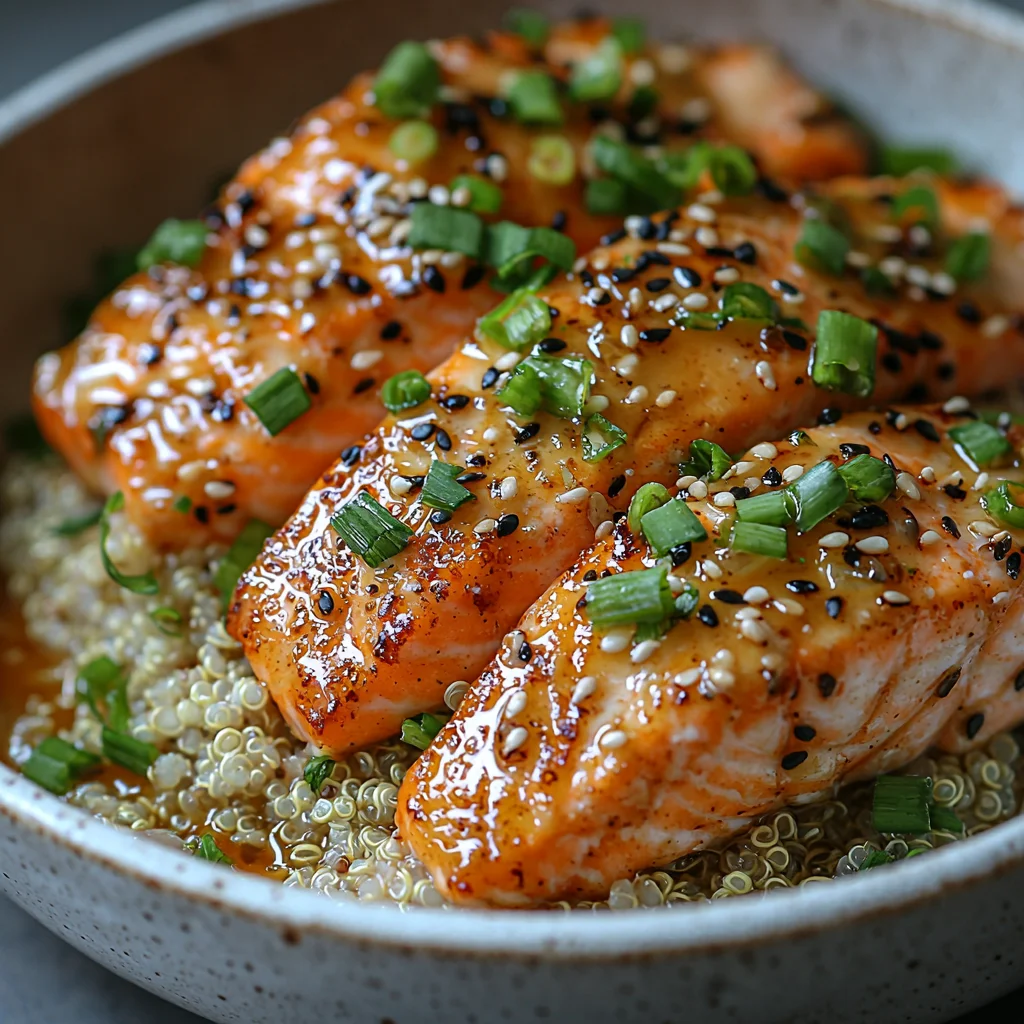
High Protein Salmon Bowl
Ingredients
Method
- Rinse quinoa under cold water, then cook with 2 cups water according to package instructions (about 15 minutes).
- Pat salmon dry and rub with olive oil, garlic powder, smoked paprika, salt, and pepper.
- Heat a skillet over medium-high and cook salmon skin-side down for 4-5 minutes until crispy.
- Flip salmon and cook another 3-4 minutes until internal temperature reaches 145°F.
- Fluff cooked quinoa with a fork and divide between two bowls.
- Top with flaked salmon, avocado slices, cherry tomatoes, and cucumber.
- Drizzle with lemon juice and sprinkle fresh dill over the top.
- Serve immediately with extra lemon wedges if desired.


