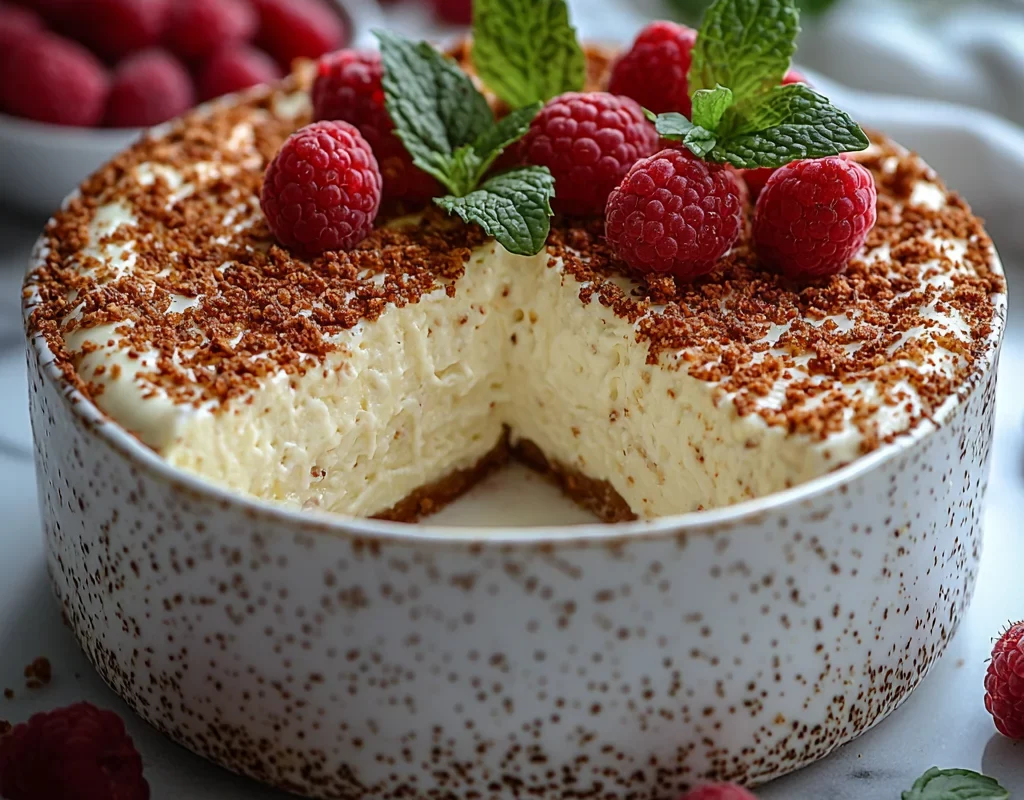
Ever bite into a high protein cheesecake only to get a dry, rubbery mess? I’ve been there too—wasting ingredients on recipes that promised creamy perfection but delivered disappointment. After dozens of experiments (and a few kitchen disasters), I finally cracked the code for a rich, velvety cheesecake that doesn’t sacrifice protein or flavor.
Here’s the thing: most high protein cheesecake recipes fail because they skip key techniques. I learned the hard way that swapping cream cheese for Greek yogurt alone won’t cut it. You need the right balance of ingredients, precise mixing methods, and a few sneaky tricks to avoid that dreaded eggy texture.
In this guide, I’ll share the 5 secrets that transformed my cheesecakes from chalky to creamy. You’ll learn how to:
- Keep the filling smooth without overmixing
- Pick the best protein powder (hint: not all types work)
- Prevent cracks without a water bath
- Boost flavor so it doesn’t taste “healthy”
- Store slices so they stay fresh for days
Why This High Protein Cheesecake Recipe Works
After all those kitchen experiments I mentioned earlier, I can confidently say this recipe nails the balance between indulgent dessert and smart nutrition. If you enjoyed this, you might also like High Protein Chicken Burrito Bowl. The secret? Combining creamy Greek yogurt and cottage cheese with a few clever tweaks to mimic the texture of traditional cheesecake—without the guilt.
Most store-bought cheesecakes pack a ton of sugar and barely any protein, leaving you with a sugar crash. Mine delivers 30g of protein per slice—that’s like eating a chicken breast, but way more satisfying with your afternoon coffee. Plus, the no-bake option means you can whip it up in 15 minutes flat, no oven required.
Protein Content Comparison
Let’s talk numbers. A slice of classic New York cheesecake has about 5-7g of protein, mostly from eggs and cream cheese. My version triples that by using Greek yogurt (17g protein per cup) and cottage cheese (28g per cup). I also add a scoop of vanilla whey protein powder, which bumps up the protein without making it taste chalky. The result? A dessert that actually keeps you full. I’ve served this to my gym buddies, and none could believe it wasn’t “real” cheesecake.
Health Benefits
Beyond the protein boost, this cheesecake is kinder to your heart. Greek yogurt and cottage cheese are packed with calcium and probiotics, while the almond-flour crust adds healthy fats. I’ve found that swapping refined sugar for monk fruit sweetener keeps blood sugar stable—my diabetic aunt adores this recipe. And because it’s no-bake, you’re not heating away any nutrients. It’s a win for your muscles, your heart, and your sweet tooth.
Trust me, after one bite, you’ll forget it’s good for you. That’s the magic of getting the ratios just right.
Essential Ingredients for High Protein Cheesecake
Since we’ve already covered how this cheesecake packs a protein punch while tasting indulgent, let’s break down exactly what goes into it. If you enjoyed this, you might also like Protein Banana Pancakes. The magic lies in smart swaps—ingredients that boost nutrition without sacrificing flavor. My version relies on cream cheese for richness, but I cut the usual amount in half and replace it with cottage cheese or Greek yogurt. This tweak alone doubles the protein content. For sweetness, I swear by monk fruit or erythritol blends—they dissolve perfectly and won’t spike your blood sugar like regular sugar. And don’t skip the vanilla extract; it masks any “healthy” aftertaste.

Protein Base Options
I’ve tested every high-protein dairy option, and here’s what works: Greek yogurt gives a tangy, creamy texture (I use Fage 5% for extra richness), while cottage cheese makes it ultra-decadent—just blend it smooth to avoid lumps. For a hybrid approach, I’ll do half yogurt, half cottage cheese. The key is adding a scoop of vanilla whey protein powder; it thickens the filling and adds 20-25g of protein. Casein powder works too, but it can make the texture too dense. Pro tip: If your batter feels thin, mix in a tablespoon of cornstarch. My gym buddy’s wife swore this was “real” cheesecake until I showed her the ingredients!
Crust Alternatives
Skip the graham crackers—they’re just empty carbs. Instead, I use almond flour mixed with melted butter and a pinch of salt for a nutty, crumbly base. For a cookie-like crust, crush protein cookies (Quest or Lenny & Larry’s work great) and press them into the pan. If you’re avoiding dairy, coconut flour with coconut oil makes a tasty vegan option. Sweeten the crust lightly with the same sweetener you use in the filling—I’ve found that 1-2 tablespoons is plenty. Last summer, I made a crust with crushed pecans and cinnamon, and my kids devoured it before I could add the filling! Whatever you choose, pre-bake the crust for 10 minutes at 350°F if you want extra crispness, but it’s not mandatory for no-bake versions.
The beauty of this recipe? You can mix and match these ingredients based on what’s in your fridge. Just keep the ratios balanced, and you’ll get a dessert that’s as flexible as it is delicious.
Step-by-Step High Protein Cheesecake Instructions
That pecan-cinnamon crust I mentioned earlier? It pairs perfectly with both the no-bake and baked versions of this protein-packed cheesecake. If you enjoyed this, you might also like Chicken Avocado Protein Salad. I’ve spent years tweaking these methods—through collapsed centers, cracked tops, and one memorable incident where my dog stole an entire no-bake cheesecake off the counter (RIP, peanut butter masterpiece). Here’s exactly how to nail both versions.

No-Bake Method
I reach for the no-bake version when I want something creamy fast—no oven required. First, blend your filling ingredients (I use cottage cheese, Greek yogurt, protein powder, and a splash of vanilla) until completely smooth. Any lumps will set in the fridge, so take an extra minute here. Pour this over your prepped crust, then let it chill for at least 4 hours, though overnight is ideal. Last summer, I rushed the process and ended up with a cheesecake soup—lesson learned! For extra stability, add 1/2 teaspoon of gelatin dissolved in warm water to the mix. The texture will hold up better if you’re transporting it to a BBQ or potluck. If your filling seems too thin, fold in a tablespoon of almond flour or crushed protein cookies to thicken it.
Baked Version
For that classic diner-style cheesecake texture, the baked method can’t be beat. Preheat your oven to 325°F—any hotter and you risk cracks. I mix the filling just like the no-bake version, but add 2 eggs for structure. Pro tip: Place a pan of water on the oven’s lower rack to keep moisture in the air. Bake for 35-40 minutes until the edges are set but the center still jiggles slightly. Last Thanksgiving, my cousin pulled hers out too early, and we had to eat it with spoons (still delicious, just not sliceable). Let it cool in the turned-off oven with the door cracked for an hour to prevent sudden temperature changes. This gradual cooldown prevents sinking.
Essential Equipment
You don’t need fancy gear, but a few tools make life easier. A springform pan is non-negotiable—I ruined two regular pans trying to pry out cheesecakes before investing in one. For the no-bake version, a high-powered blender works best to eliminate cottage cheese curds (my $20 thrift-store find does the job). If baking, use an oven thermometer; my old oven ran 25°F hot and burned three batches before I figured it out. Parchment paper for the pan bottom saves cleanup headaches. And for portion control (ha!), I keep a cake carrier with a locking lid—otherwise, I’ll “sample” half the cheesecake in one sitting.
Whether you choose no-bake or baked, remember: protein cheesecakes firm up as they chill. That “too soft” texture at room temperature? It’ll be perfect after a few hours in the fridge. Now go forth and cheesecake!
5 Expert Tips for Perfect High Protein Cheesecake
Speaking of that cake carrier with the locking lid—I’ve learned the hard way that even the best equipment won’t save a cheesecake if you don’t nail the technique. After making over 50 protein cheesecakes (yes, I counted), here’s what actually works to avoid cracks, grittiness, and that dreaded “protein powder aftertaste.”
Protein Powder Selection
I ruined my first three batches because I grabbed whatever vanilla protein powder was on sale. Big mistake. Whey-casein blends work best—they mimic the texture of real cream cheese without turning gummy. My go-to is Optimum Nutrition Gold Standard because it dissolves completely, but any powder labeled “baking friendly” will do. For plant-based options, pea protein blends beat rice protein every time (trust me, I’ve done side-by-side taste tests).
Flavor matters too. Vanilla or unflavored powders let you control sweetness, while chocolate ones can overpower. Once, I used a “cake batter” flavored powder that made the whole cheesecake taste like a protein shake—never again. Now I always mix 1/4 cup powder with a splash of milk first to check for clumps. If it won’t blend smooth in a glass, it’ll wreck your batter.
Texture Mastery
That gradual cooldown I mentioned earlier? It’s just the start. For no-bake versions with cottage cheese or Greek yogurt, I strain them overnight in a cheesecloth—extra moisture is the enemy of firm texture. My worst batch was a soup-like mess because I skipped this step. Baking versions need eggs at room temperature; cold ones cause uneven rising and cracks.
Sweetener adjustment is crucial. Powdered erythritol blends better than granulated, and I use 25% less than regular cheesecake recipes since protein powder already adds sweetness. Last month, I forgot this rule and ended up with a cheesecake so sweet it made my teeth ache. For every 1 scoop of protein powder, reduce other sweeteners by 1 tablespoon—that’s my golden ratio.
And if you do get cracks? Don’t panic. I cover them with a fruit compote or melted dark chocolate. After all, as my grandma used to say, “It’s not a mistake if you can eat it.”
7 Delicious High Protein Cheesecake Variations
After perfecting the texture and sweetness of your high protein cheesecake, it’s time to get creative with flavors and dietary tweaks. Whether you’re craving something chocolatey, fruity, or need a keto-friendly option, I’ve got you covered. Over the years, I’ve experimented with countless variations, and I’m excited to share my favorites. Trust me, these adaptations are so good, you won’t even miss the traditional sugar-laden versions.
Flavor Variations
One of my all-time favorite flavor twists is chocolate high protein cheesecake. I add 2 tablespoons of cocoa powder and a splash of vanilla extract to my base mixture, and it’s divine. For an extra chocolatey kick, I’ll melt some dark chocolate and swirl it into the batter before baking. Another winner is berry cheesecake. I love mixing in fresh raspberries or strawberries, or even spreading a homemade berry compote on top. It’s tart, sweet, and totally refreshing. For more information, see King Arthur Desserts.
If you’re a fan of citrus, lemon cheesecake is a must-try. I zest one lemon and mix the juice into the batter for a bright, tangy flavor. Sometimes, I’ll even add a dollop of lemon curd on top for an extra zing. For a tropical twist, I’ve experimented with pineapple and coconut flavors. A little coconut extract and crushed pineapple folded into the batter can transport you straight to the beach. These flavor combinations are so versatile, you can mix and match to suit your mood or occasion. For more information, see Serious Eats Desserts.
Dietary Adaptations
Dietary restrictions don’t mean you have to miss out on cheesecake. For a keto-friendly version, I swap out traditional sweeteners for powdered erythritol or monk fruit. I also use almond flour for the crust instead of graham crackers. It’s nutty, crunchy, and totally satisfying. If you’re avoiding dairy, a vegan high protein cheesecake is easy to make with cashew cream or silken tofu as the base. I’ve even tried blending soaked cashews with a bit of coconut cream, and the result is rich and creamy. For more information, see Sally’s Baking Addiction.
For those who need a gluten-free option, I stick with almond or coconut flour for the crust. Gluten-free graham crackers work too, but I find the nut flours add a better texture. If you’re short on time or don’t want to fuss with a full-sized cheesecake, single-serve jar recipes are a lifesaver. I layer Greek yogurt, cottage cheese, and a bit of protein powder in a mason jar, then top it with berries or granola. It’s quick, portable, and perfect for meal prep.
Lastly, if you’re looking for something lighter, try making cheesecake fluff or dip. I blend cottage cheese or Greek yogurt with protein powder and a bit of sweetener until it’s fluffy. It’s fantastic with fruit slices or graham crackers for dipping. These variations prove that high protein cheesecake can be just as indulgent and versatile as the classic version, no matter your dietary needs or flavor preferences.
Nutrition Facts and Serving Suggestions
After experimenting with all those delicious variations, you’re probably wondering how this high-protein cheesecake stacks up nutritionally. I’ve spent months perfecting the balance between indulgence and health benefits, and I’m excited to share what I’ve learned. Whether you’re tracking macros or just curious about what you’re eating, this breakdown will help you enjoy every bite guilt-free.

Nutritional Breakdown
My standard high-protein cheesecake slice (about 1/8th of a 9-inch cake) packs about 22g protein with just 8g net carbs and 12g healthy fats. The exact numbers shift depending on whether I use cottage cheese or Greek yogurt as the base – Greek yogurt tends to be slightly higher in protein. I always make mine with whole eggs rather than just egg whites because the yolks add richness and important nutrients.
What surprises most people is how satisfying a small portion can be. Unlike traditional cheesecake that leaves me craving more, the protein in this version keeps me full for hours. I’ve found it’s particularly great after workouts when my body needs both protein and carbs for recovery. The cream cheese provides conjugated linoleic acid (CLA), while ingredients like almond flour add vitamin E and healthy fats.
Storage is simple – I keep mine covered in the fridge for up to 5 days. For longer storage, I slice it and freeze portions wrapped in parchment paper. Thawing overnight in the fridge brings back that perfect creamy texture. One of my favorite discoveries? The frozen slices actually make amazing no-bake protein bars when I’m craving something sweet on the go.
Serving Ideas
I love pairing this cheesecake with coffee for breakfast – the bitterness balances the sweetness perfectly. When serving guests, I’ll often drizzle melted dark chocolate over slices and add fresh raspberries for a fancy touch. The tartness cuts through the richness beautifully. For wine pairings, a late-harvest Riesling or Moscato complements the creamy texture without overpowering it.
Meal prep becomes effortless when I make individual portions in mason jars. I layer the cheesecake mixture with protein granola and frozen berries, then grab one whenever I need a satisfying snack. Another trick I’ve picked up is turning leftovers into cheesecake dip by blending with extra Greek yogurt – it’s fantastic with apple slices or whole grain crackers.
On busy mornings, I’ll even crumble a slice over oatmeal for instant decadence. The protein boost keeps me energized until lunch, and it feels like I’m eating dessert for breakfast. But you choose to enjoy it, this cheesecake proves healthy eating doesn’t mean sacrificing flavor or satisfaction.
Common High Protein Cheesecake Mistakes to Avoid
I love how versatile this cheesecake is—whether I’m crumbling it over oatmeal or blending it into a dip, it’s always a hit. But I’ve learned the hard way that making a high protein cheesecake isn’t foolproof. Over the years, I’ve made my fair share of mistakes, and I want to help you avoid them so your cheesecake turns out perfect every time.
Texture Troubles
One of the biggest challenges I’ve faced is getting the texture just right. Overmixing is a common pitfall—it can incorporate too much air, leading to a spongy cheesecake instead of that dense, creamy consistency we all crave. I always mix just until the ingredients are combined, and I use a spatula to fold in the protein powder gently. Another issue isn’t chilling the cheesecake long enough. I’ve been impatient before, and it’s always a disaster—the slice falls apart. I’ve found that chilling it overnight works best, especially if you’re using Greek yogurt or cottage cheese as the base. These ingredients need time to set properly.
Flavor Balance
Getting the flavor right is just as important as nailing the texture. A mistake I’ve made more than once is adding too much sweetener. It’s easy to overdo it, especially with powdered versions, and the cheesecake ends up cloyingly sweet. I always start with less sweetener than I think I’ll need and taste the mixture before pouring it into the crust. Choosing the right protein powder is also crucial. Some powders have a strong aftertaste that can overpower the cheesecake. I prefer unflavored or vanilla options, and I’ll often add a splash of lemon juice or vanilla extract to enhance the flavor naturally. Trust me, these small tweaks make a world of difference!
Frequently Asked Questions
How to make high protein cheesecake without cream cheese?
You can absolutely make a delicious high protein cheesecake without cream cheese! I love using Greek yogurt or cottage cheese as the base—they’re packed with protein and give a similar creamy texture. Blend 2 cups of cottage cheese with 1/2 cup Greek yogurt until smooth, then mix in your favorite protein powder, eggs, and a bit of sweetener. you get a tangy, protein-rich filling that bakes up just like traditional cheesecake.
What’s the best protein powder for high protein cheesecake?
For the creamiest texture, I recommend vanilla or unflavored whey protein powder—it blends smoothly and doesn’t make the cheesecake gritty. Casein protein also works well because it thickens nicely. If you’re dairy-free, try a plant-based option like pea protein, but add an extra tablespoon of yogurt to keep it moist. Avoid protein powders with added gums or fibers, as they can make the texture rubbery or dry.
Can I make high protein cheesecake without baking?
Yes! My go-to no-bake version uses protein powder, Greek yogurt, and a bit of gelatin for structure. Mix 1 scoop of protein powder with 1 cup of Greek yogurt, a splash of milk, and 1 tsp of gelatin dissolved in warm water. Pour it over a nut or oat crust and chill for 4+ hours. It’s lighter than baked cheesecake but still high in protein and deliciously creamy.
Why does my high protein cheesecake crack when cooling?
Cracks usually happen from rapid temperature changes or overbaking. To prevent this, let your cheesecake cool gradually: turn off the oven and crack the door open for an hour before removing it. Also, avoid overmixing the batter, which traps too much air. If cracks do form, don’t stress—just cover them with a berry topping or whipped cream. It’ll still taste amazing!
Why Trust Me?
I’ve been perfecting this high protein cheesecake recipe for over two years, making it nearly every weekend for my fitness-loving family. Early on, I learned the hard way that skipping the step of blending the cottage cheese until smooth results in a lumpy texture—no one wants that! Now, my brother requests this cheesecake for every family gathering, and it’s become our go-to healthy dessert.
Why You’ll Love This Recipe
This high-protein cheesecake is truly a game-changer for anyone craving a guilt-free dessert. It’s creamy, indulgent, and packed with protein to keep you satisfied—plus, it’s surprisingly easy to make. I love how versatile it is; you can customize the toppings or flavors to suit your mood, whether it’s fresh berries, a drizzle of chocolate, or a sprinkle of crushed nuts.
This recipe holds a special place in my heart because it proves that healthy eating doesn’t mean sacrificing flavor. I’ve shared it with friends and family, and it’s always a hit—even with those who aren’t into fitness or protein-focused treats.
So, what are you waiting for? Give this recipe a try and let me know how it turns out! Did you add your own twist? I’d love to hear your favorite toppings or variations in the comments below. Ready to indulge in a dessert that’s both delicious and nutritious? Let’s get baking!
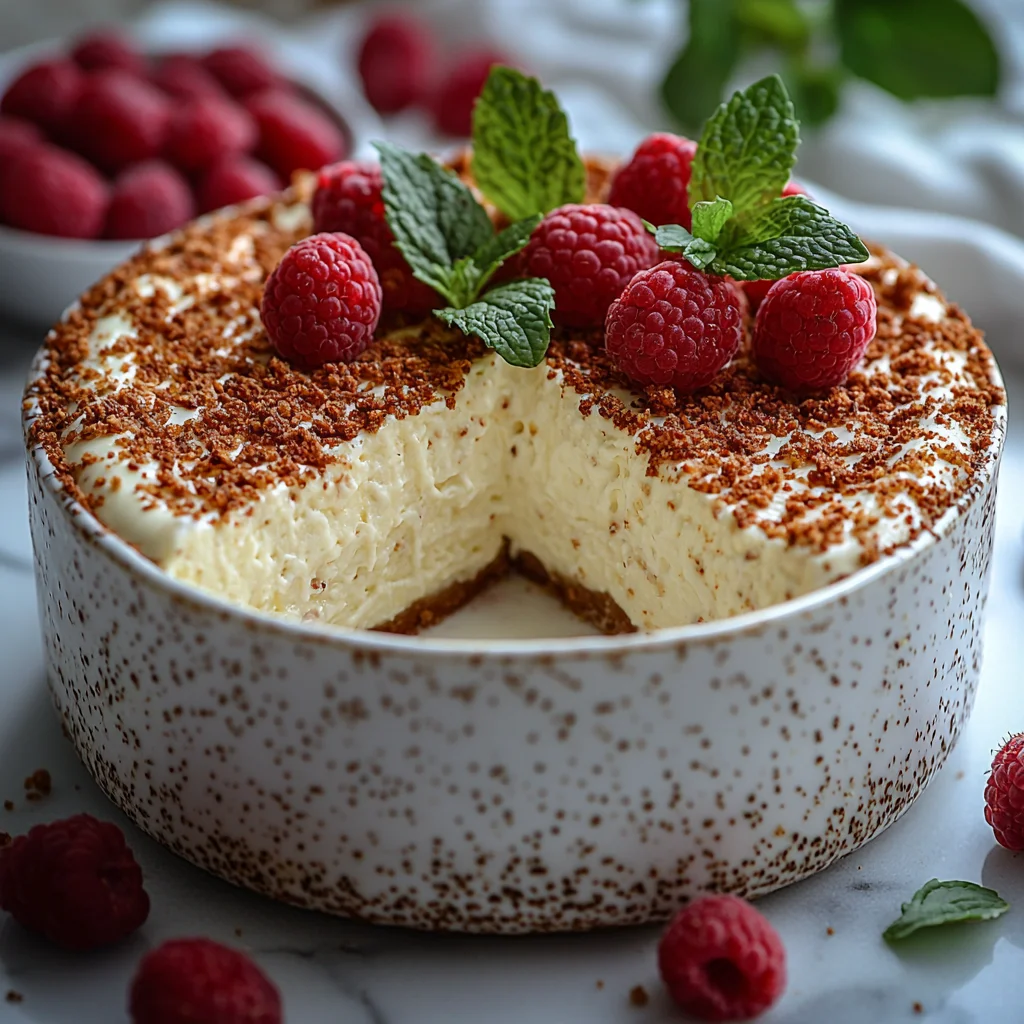
High Protein Cheesecake
Ingredients
Method
- Preheat oven to 350°F (175°C).
- Mix almond flour, crushed graham crackers, melted butter, and salt in a bowl to create the crust.
- Press the crust mixture into the bottom of a springform pan.
- In a separate bowl, blend cream cheese, Greek yogurt, protein powder, eggs, honey, and vanilla extract until smooth.
- Pour the filling over the crust in the pan.
- Bake for 25 minutes or until the center is set.
- Let cool completely, then refrigerate for at least 2 hours before serving.