

The sizzle of Grilled BBQ Steak Kebabs hitting a hot grill is pure summer magic. I still remember the first time I made them for a backyard party – my neighbor’s golden retriever practically drooled through the fence, and three guests asked for the recipe before they’d even taken a bite.
You’ll learn my 5 secrets for juicy, charred perfection every time, from choosing the right cut (hint: skip the filet mignon) to nailing the marinade-to-char ratio. I’ve burned enough skewers to know exactly when to flip them (spoiler: it’s earlier than you think).
“The trick is treating kebabs like mini steaks, not stir-fry,” says my butcher, Carlos. “Give each cube space to breathe, or you’ll steam instead of sear.”
Here’s what makes my method different:
- Sweet-and-smoky glaze that caramelizes without burning
- Two-zone grilling so tender veggies don’t turn to charcoal
- Resting time that most recipes ignore (your patience will be rewarded)
Whether you’re feeding a crowd or just craving fire-kissed beef, these kebabs turn weeknight dinners into something special. Let’s get grilling.
The Best Meat for Steak Kabobs on the Grill
Carlos, my butcher, wasn’t kidding when he said to treat kebabs like mini steaks—it all starts with choosing the right cut. After years of trial and error (and a few tough, chewy disasters), I’ve found that fat content and thickness make or break your skewers. You want meat that stays juicy over high heat but won’t turn rubbery if it cooks a minute too long.
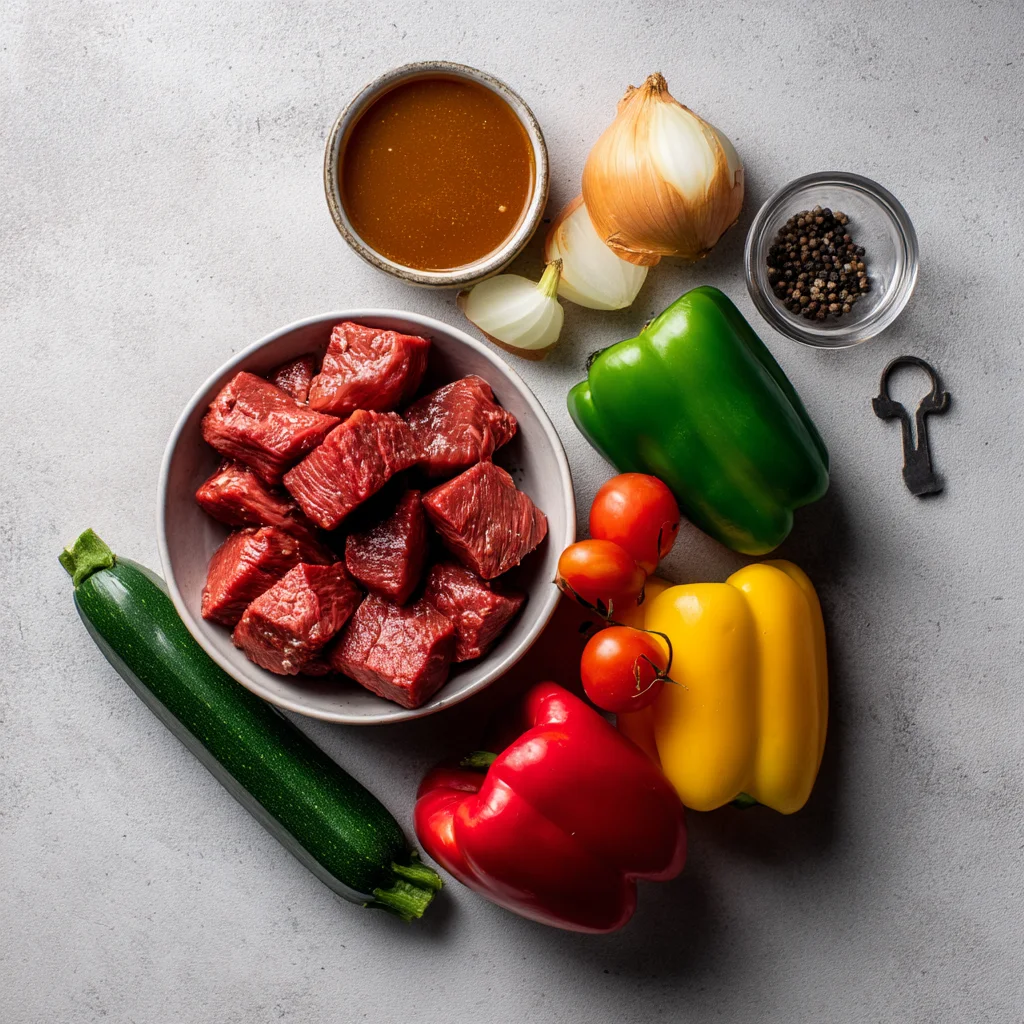
For foolproof results, I swear by ribeye or top sirloin. Ribeye’s rich marbling melts into the meat, while sirloin offers great beefy flavor without breaking the bank. Surprisingly, tenderloin—though buttery-soft for filets—often dries out in kebab form since it lacks fat. Aim for 1.5-inch cubes; thicker pieces give you a better sear without overcooking the centers.
“Skip anything labeled ‘stew meat’,” Carlos warns. “Those uneven chunks cook at different rates, leaving you with half-charred, half-raw bites.”
Budget-Friendly Options
When I’m feeding a crowd, flap meat (also called sirloin tip) is my go-to. It’s cheaper than ribeye but packs tons of flavor, especially with a good steak kabobs marinade. Just slice it against the grain to keep it tender. Chuck steak works too—marinate it overnight to soften the fibers.
For grilling steak kebabs on a tight budget, I grab whatever’s on sale and adjust my prep. Thinner cuts like skirt steak? Cut them wider and fold the pieces onto skewers for even cooking. The key is balancing cost with texture—you still want meat that’ll make your guests ask for seconds.
The Ultimate BBQ Steak Kebab Marinade
Since we just talked about picking the best meat for kabobs, let’s make sure those gorgeous ribeye or sirloin chunks taste as good as they look. A killer steak kabobs marinade does three things: tenderizes, flavors, and keeps the meat juicy during grilling steak kebabs. My go-to formula balances oil (for moisture), acid (for tenderizing), and bold seasonings. I use equal parts olive oil and soy sauce as the base—the oil locks in juices while the soy adds umami depth. Then comes the acid: lime juice for brightness or balsamic vinegar for sweetness.
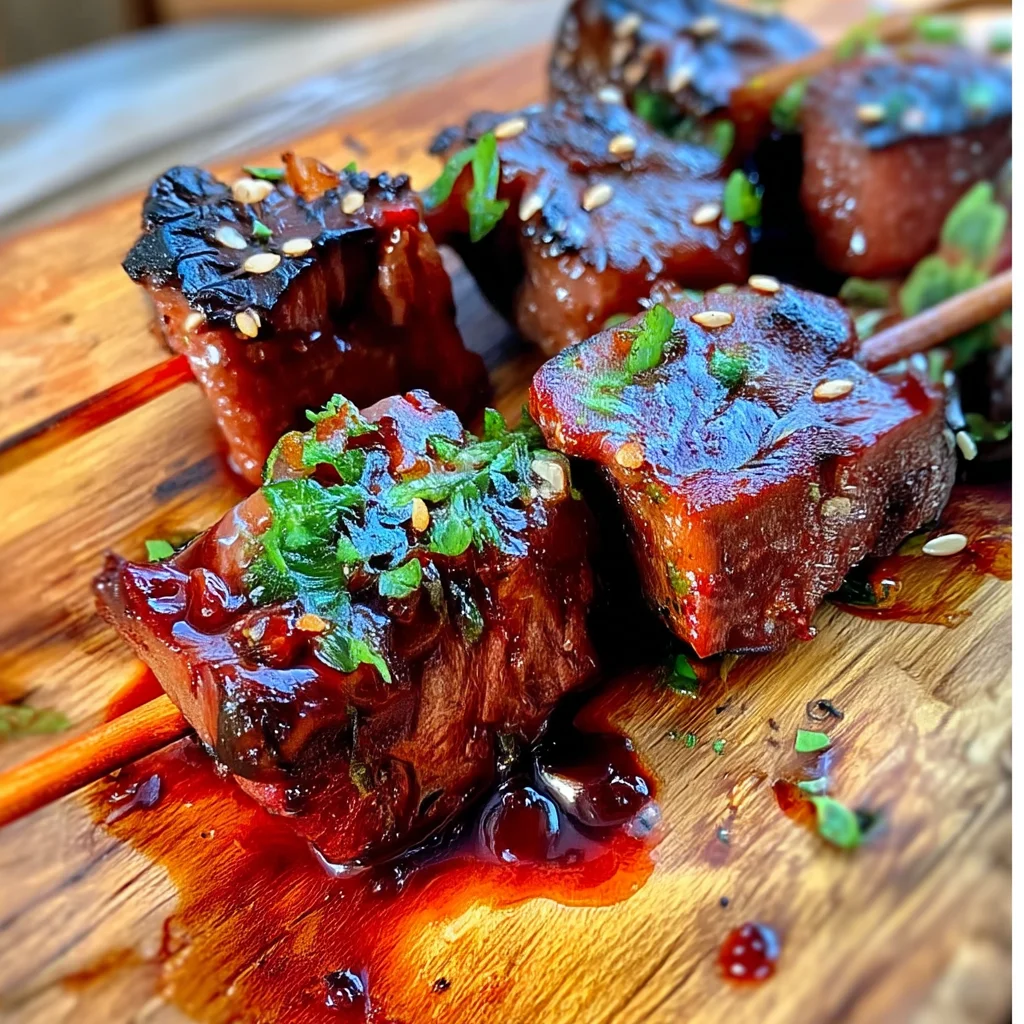
“Always marinate in the fridge, not the counter,” insists my butcher Carlos. “Room-temp meat breeds bacteria, and cold helps the fibers absorb flavors better.” For tough cuts like chuck, give it a full 24 hours. Tender sirloin? Four hours does the trick. The acid breaks down connective tissue, but too long can turn meat mushy—I never exceed 24 hours.
Quick Marinade for Last-Minute Meals
When I forget to plan ahead, this 30-minute fix saves dinner. Whisk together 1/2 cup pineapple juice (the enzymes tenderize fast), 1/4 cup Worcestershire, and 2 minced garlic cloves. The sugar in the juice caramelizes beautifully on the grill. It’s not as deep as an overnight soak, but it’ll still make your grilling steak kebabs taste fantastic.
For extra flavor, I poke the meat lightly with a fork before marinating—just don’t overdo it or you’ll lose juices. And always pat the pieces dry before skewering so they sear instead of steam. A sticky-sweet glaze might sound tempting, but save sugary sauces for the last 5 minutes of cooking to prevent charring. Trust me, I’ve learned that lesson the hard way!
Mastering the 3-3-3 Rule for Grilling Steaks
After patting your grilling steak kebabs dry for that perfect sear, the next make-or-break step is timing. That’s where the 3-3-3 rule comes in—my foolproof method for nailing medium-rare doneness every time. It’s simple: 3 minutes per side over direct heat, then 3 minutes per side over indirect heat, and finally 3 minutes of rest before serving. This method works wonders for steak kabobs marinade or not, giving you that ideal pink center without drying out the edges.
I learned this trick from a pitmaster friend who swears by it for thicker cuts like ribeye or sirloin. For kabobs, I adjust slightly since the pieces are smaller—just 2-2-2 if you’re using 1-inch cubes. Gas grill users, keep one burner on high and the other off to create zones. Charcoal lovers, pile coals to one side. Either way, resist the urge to constantly flip—those undisturbed minutes build the best crust.
Temperature Guide for Perfect Doneness
Here’s the secret: your grill should scream-hot (500°F) for the first sear, then drop to medium (400°F) when you move kebabs to indirect heat. I use an instant-read thermometer to check doneness—130°F for medium-rare, 140°F for medium. Remember, the meat keeps cooking as it rests!
“Think of the 3-3-3 rule as training wheels—once you master it, you can tweak times based on your grill’s quirks.”
Thinner cuts like flap meat might need just 2-2-2, while denser veggies (hello, potatoes) can handle longer. If you’re mixing best meat for kabobs with shrimp or chicken, cook those separately—they have different rules. And always let kebabs rest tented with foil; those juices need time to redistribute. Trust me, skipping this step turns succulent bites into chew toys.
Step-by-Step Grilling Instructions
Now that your steak kabobs marinade has worked its magic and your grill is prepped, let’s get cooking. I’ve learned through trial and error that the difference between tough and tender grilling steak kebabs comes down to technique—not just ingredients. Here’s how I nail it every time.
Gas Grill vs Charcoal Methods
If you’re using a gas grill, crank all burners to high for 10 minutes to get that searing 500°F heat. For charcoal, wait until the coals are glowing red with a light ash coating—about 20 minutes. I actually prefer charcoal for kebabs because it adds that smoky depth, but gas gives you more control. Either way, create two zones: one for direct high heat (where you’ll sear) and one for indirect medium heat (where the kebabs finish cooking). Skewer your best meat for kabobs tightly but leave tiny gaps between pieces so heat can circulate. And here’s my golden rule: only turn kebabs once, after 3 minutes per side. Constant flipping steams the meat instead of searing it.
“A trick I stole from my dad: if veggies start charring too fast, slide a second skewer parallel to the first—it makes flipping easier and prevents spinning.”
Denser veggies like bell peppers and red onions can handle the heat, but cherry tomatoes or mushrooms should go on separate skewers since they cook faster.
Temperature Guide for Perfect Doneness
I aim for 130°F internal temp (medium-rare) for most cuts, but thicker chunks might need 140°F. Use an instant-read thermometer, piercing the meatiest piece horizontally to avoid false readings from the skewer. If you don’t have one, do the palm test: a rare kebab feels like the fleshy part of your thumb when relaxed. For medium, it’ll resist like a clenched fist.
Start with 3 minutes per side over direct heat to build crust, then move to indirect heat for another 3-5 minutes. Ribeye or sirloin kebabs cook faster than tougher cuts like flank steak, so adjust accordingly. And don’t forget—let them rest for 5 minutes under foil. I ruined my first batch by cutting straight off the grill, and all those gorgeous juices ended up on the plate instead of in the meat.
Pro tip: If you’re serving a crowd, keep cooked kebabs in a 200°F oven while you grill the rest—they’ll stay warm without overcooking.
Expert Tips for Juicy Steak Kebabs
Letting your kebabs rest is just the final step—there are a few key techniques I’ve learned over the years that make all the difference between dry, chewy skewers and perfectly juicy steak kabobs. Trust me, I’ve served my share of both, and these tips saved my backyard BBQs from disaster.
Avoiding Common Kabob Mistakes
First, preheat your grill properly—I aim for 450-500°F before the meat touches the grates. A cold grill steams the meat instead of searing it, and you’ll lose that crave-worthy crust. I test the heat by holding my hand 5 inches above the grates; if I can only keep it there for 2 seconds, it’s ready. For more information, see Grilling Guide.
Next, don’t drown the meat in oil. I lightly brush the grill grates with canola oil using tongs and a folded paper towel—it prevents sticking without making the kebabs greasy. As for basting with sauce, wait until the last 2 minutes of cooking. Sugar-based BBQ sauces burn easily, and I learned this the hard way when my first batch turned into charcoal. For more information, see Grilling Science & Technique.
“Think of kebabs like mini steaks—they need high heat, minimal flipping, and patience. Baste late, and always let them rest.” — My butcher, who’s saved more of my dinners than I’d like to admit For more information, see USDA Meat Safety.
For the best meat for kabobs, I stick to well-marbled cuts like ribeye or sirloin. Leaner options dry out too fast, especially when cut into small pieces. And if you’re using wooden skewers, soak them for 30 minutes—unless you enjoy flare-ups (I don’t).
The last pro tip? Keep a spray bottle of water nearby for flare-ups. My neighbor still teases me about the time I set off the smoke alarm because I ignored this advice.
Nutrition Facts and Serving Suggestions
After nearly turning my first batch of grilled BBQ steak kebabs into charcoal (thanks to overzealous flipping), I learned that great kebabs aren’t just about technique—they’re also about balance. A single skewer packs around 300-350 calories and 25g of protein, making it a solid main dish. Since the marinade’s sugar caramelizes fast, I keep the carbs low by using sugar-free BBQ sauce or reducing honey in homemade blends. My butcher once told me, “Pair fatty cuts like ribeye with crisp veggies—they’ll cut through the richness without adding carbs.” That’s why these kebabs work so well for keto or low-carb diets.
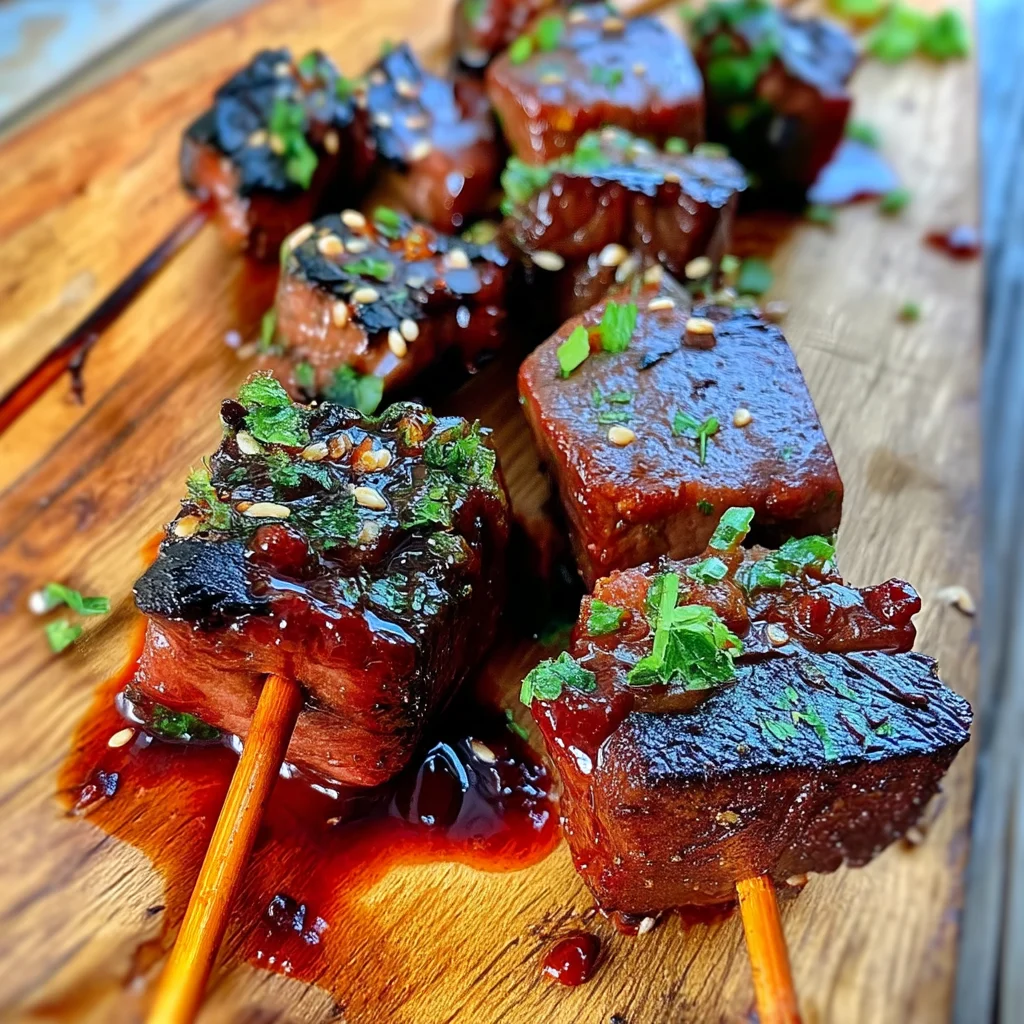
For sides, I lean toward grilled zucchini or a tangy cucumber salad. The acidity balances the smoky sweetness of the steak kabobs marinade. If I’m feeding a crowd, I’ll add garlic butter cauliflower rice—it soaks up the juices without weighing you down.
Meal Prep and Storage Tips
I always make extra grilling steak kebabs because they reheat surprisingly well. Let them cool completely before storing in an airtight container—they’ll keep for 3 days in the fridge. For longer storage, freeze the raw marinated meat on skewers (wrap tightly in foil) for up to 2 months. When I’m ready to cook, I thaw them overnight and grill straight from the fridge.
One mistake I used to make? Reheating kebabs in the microwave. Now I pop them under the broiler for 2 minutes per side to revive that char. If the veggies get soggy, I’ll toss them in a hot pan with a splash of oil. Pro tip: Store any leftover best meat for kabobs separately from the skewers to prevent drying out.
Creative Variations and Substitutions
After storing those perfectly grilled kebabs, you might wonder how to switch things up next time. I’ve spent years experimenting with grilling steak kebabs, and some of my favorite twists came from happy accidents. Like the time I ran out of bell peppers and used zucchini instead—now it’s a staple in my rotation.
Oven-Baked Option for Bad Weather
Rain ruined your grilling plans? I’ve been there. Line a baking sheet with foil, set the skewers on a rack, and broil for 5 minutes per side. The key is brushing extra steak kabobs marinade halfway through—it keeps the meat juicy. My trick? Add a teaspoon of smoked paprika to the marinade to mimic that charred flavor.
“Broiling mimics direct heat better than baking,” says chef Mateo Garcia. “Just keep the oven door slightly ajar to prevent steaming.”
For veggies, I swap in thick-cut mushrooms or parboiled potatoes when I’m craving something heartier. If you’re using wooden skewers, soak them for 30 minutes first—I learned this the hard way when mine caught fire under the broiler!
Global Flavor Twists
Last summer, my neighbor shared her Turkish-inspired version with sumac and pomegranate molasses—it blew my mind. For a Korean twist, I mix gochujang into the best meat for kabobs marinade and add pineapple chunks. The acid tenderizes the steak while caramelizing beautifully.
Greek-style kebabs with lemon-oregano marinade work wonders with lamb, but I’ve used the same blend on sirloin when I’m out of my usual cuts. Don’t shy away from spice blends; a pre-mixed tandoori or jerk seasoning can save time without sacrificing flavor.
Veggie-Centric Adaptations
My vegetarian friends love when I make portobello kebabs with the same marinade—the mushrooms soak it up like a sponge. For heartier options, I’ll alternate firm tofu cubes with cherry tomatoes or brush eggplant slices with harissa paste before skewering. Even the grill marks look identical!
If you’re watching carbs, skip the traditional rice pairing. I serve mine over cauliflower rice tossed with fresh herbs, or stuff everything into lettuce cups with a drizzle of tahini. The beauty of kebabs is how easily they adapt to what’s in your fridge—last week’s sad-looking veggies often become tomorrow’s best experiment.
Frequently Asked Questions
What is the best meat for steak kabobs on the grill?
I always recommend using sirloin, ribeye, or flat iron steak for kebabs because they’re tender, flavorful, and won’t dry out too quickly on the grill. Sirloin is my go-to since it’s budget-friendly and holds up well when cubed. Avoid lean cuts like filet mignon—they can get tough. For extra tenderness, look for meat with nice marbling, and always cut against the grain into 1.5-inch chunks so each bite stays juicy.
What is the 3-3-3 rule for grilling steaks?
The 3-3-3 rule is my easy way to get perfect medium-rare steak kebabs every time. First, grill for 3 minutes per side (so 6 minutes total) to get those beautiful grill marks. Then, move them to indirect heat for another 3 minutes to finish cooking without charring. Finally, let them rest for 3 minutes off the grill—this keeps all those tasty juices locked in. Adjust the time slightly for well-done or rare preferences.
How long should I grill steak kebabs?
For 1.5-inch steak cubes, I grill them over medium-high heat for about 8-10 minutes total, turning every 2-3 minutes. They’re ready when the internal temp hits 135°F for medium-rare (use a meat thermometer!). If you’re adding veggies like bell peppers or onions, skewer them separately since they cook faster. Pro tip: Soak wooden skewers for 30 minutes first so they don’t burn on the grill.
Should I marinate steak for kabobs?
Absolutely! A good marinade adds flavor and tenderizes the meat. I marinate mine for at least 2 hours (or overnight) in a mix of olive oil, soy sauce, garlic, and a splash of acid like lemon juice or vinegar. If you’re short on time, even 30 minutes helps. Just don’t skip this step—it makes a huge difference. Always pat the steak dry before grilling to avoid flare-ups.
Why Trust Me?
I’ve been perfecting these Grilled BBQ Steak Kebabs for 5 summers straight—my neighbors actually start dropping hints when grilling season rolls around. The trick I learned the hard way? Cutting the steak too small makes it dry out, but chunks the size of a lime stay juicy. Last year, my brother-in-law ate four skewers in one sitting and immediately asked for the marinade recipe.
Final Thoughts
There’s nothing quite like the sizzle of grilled BBQ steak kebabs hitting the grill—the smoky aroma, the juicy char, and that first bite of tender meat and veggies. I love how this recipe combines simplicity with big flavor, making it perfect for weeknights or weekend cookouts. The marinade does all the heavy lifting, and threading the skewers is almost meditative (plus, kids love helping!).
This dish holds a special place in my heart because it’s the meal I made for my first backyard BBQ party—everyone raved, and I’ve been tweaking it ever since.
Now it’s your turn! Give these kebabs a try and let me know how they turn out. Did you add extra spice or swap in different veggies? Drop a comment below—I’d love to hear your twist.
P.S. What’s your go-to summer grilling recipe? I’m always looking for new ideas to test out!
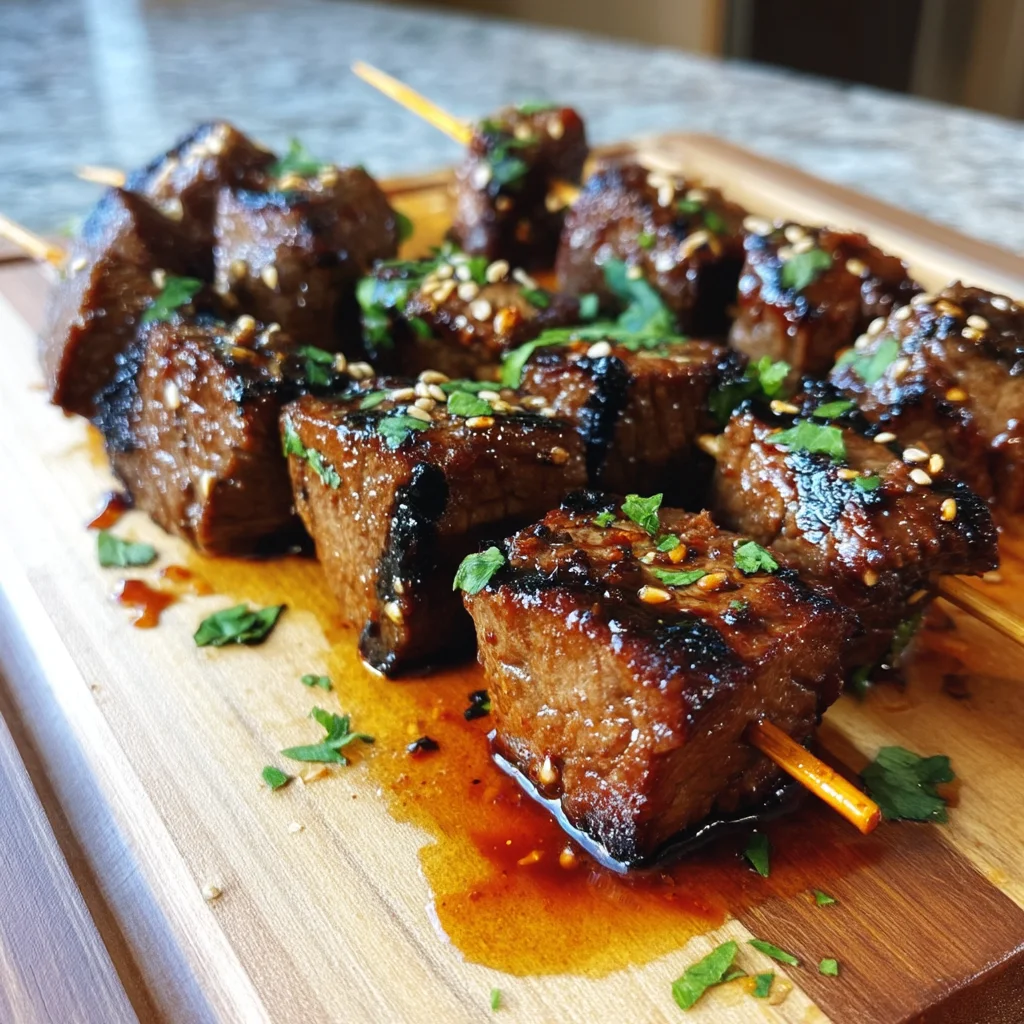
Grilled BBQ Steak Kebabs
Ingredients
Method
- In a large bowl, whisk together BBQ sauce, olive oil, Worcestershire sauce, garlic, smoked paprika, and black pepper.
- Add steak cubes to the marinade, tossing to coat evenly. Cover and refrigerate for at least 20 minutes (or up to 4 hours).
- Preheat grill to medium-high heat (about 400°F).
- Thread marinated steak alternately with bell pepper, onion, mushrooms, and zucchini onto soaked skewers.
- Grill kebabs for 8-10 minutes, turning every 2 minutes for even cooking.
- Brush with additional BBQ sauce during the last 2 minutes of grilling.
- Remove from grill when steak reaches 135°F for medium-rare (or desired doneness).
- Let rest for 5 minutes before serving.


