
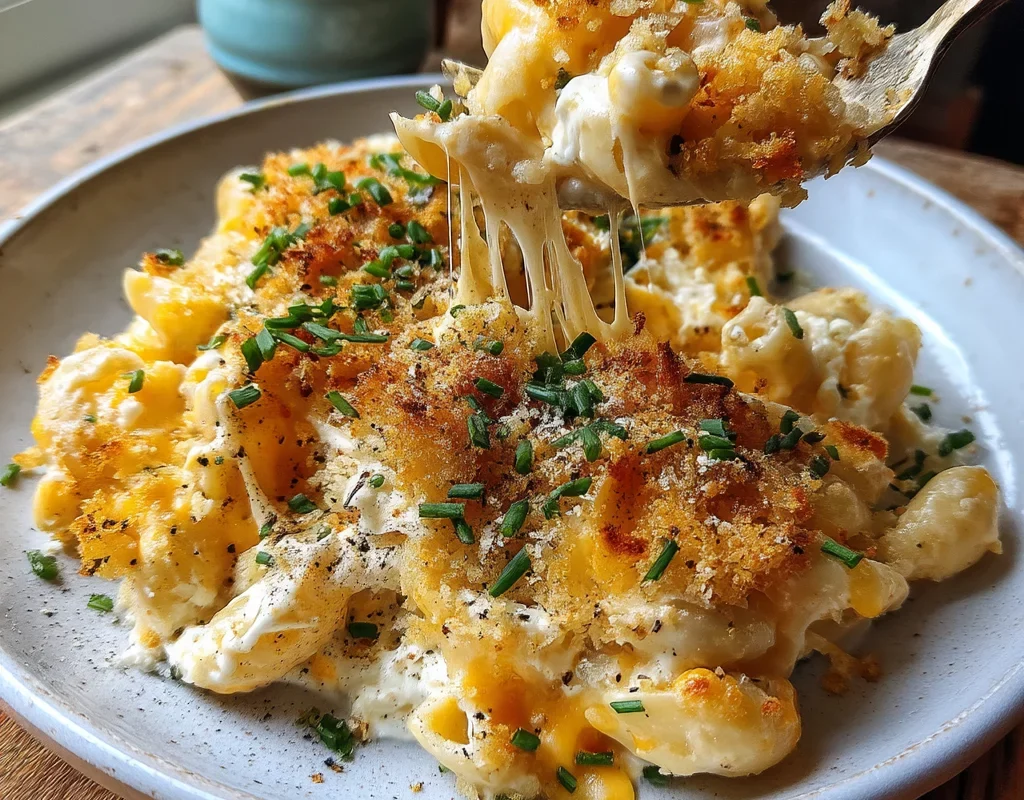
The moment you take that first creamy bite of cottage cheese mac and cheese, you’ll wonder why you ever made it any other way. I still remember the skeptical look on my husband’s face when I first stirred cottage cheese into our mac—until he cleaned his bowl and asked for seconds. Now it’s our go-to weeknight comfort food that’s secretly packed with protein.
Here’s the truth: most cottage cheese mac and cheese recipes either turn out grainy or taste like diet food. But after testing dozens of versions, I’ve cracked the code for ultra-creamy, flavorful results that’ll fool even picky eaters. In this guide, you’ll learn my five fail-proof secrets, like why blending the cottage cheese first is non-negotiable and how a pinch of mustard powder makes all the difference.
I’ll walk you through choosing the right pasta shape (hint: elbows aren’t your only option), share my favorite cheese combos for maximum meltiness, and reveal the baking trick that gives you golden edges without drying out the center. Whether you’re cooking for kids, meal prepping, or just craving cozy carbs with a protein boost, this version delivers. Let’s make mac and cheese that’s indulgent enough for Sunday supper but smart enough for Tuesday night.
Why Cottage Cheese Mac and Cheese Works
That moment when my nephew licked his bowl clean proved what I’d suspected: cottage cheese mac and cheese isn’t just a healthy swap—it’s downright delicious. The magic lies in cottage cheese’s natural properties. Unlike traditional recipes that rely on a floury roux and pools of milk, this version gets its velvety texture from blended cottage cheese, which melts into a luxe sauce while packing in protein. I’ve found it’s especially forgiving for lactose-sensitive folks, since cottage cheese has less lactose than most dairy.

Nutritional Advantages
My favorite part? A single serving delivers 18g of protein—that’s triple what you’d get from classic mac. Because cottage cheese is naturally creamy, you can skip the heavy cream and butter without sacrificing richness. I often use 2% cottage cheese for a lighter dish that still tastes indulgent, especially when paired with sharp cheddar. Plus, since you’re not making a roux, you avoid the floury aftertaste that can plague homemade versions.
The Science of Creaminess
The key is acidity. Cottage cheese’s slight tang balances the cheese’s fat, creating depth without overwhelming sharpness. I learned this the hard way after a failed batch with bland supermarket cottage cheese—now I always buy small-curd, full-flavored brands. When heated, the curds break down into a smooth sauce that clings to every noodle. No blender? No problem. A vigorous whisk does the trick if you’re patient.
Essential Equipment for Cottage Cheese Mac and Cheese
Since cottage cheese’s natural creaminess makes it a standout ingredient in this high-protein mac and cheese, you don’t need fancy gadgets to pull it off. I’ve made this dish countless times, and I’ve found that a heavy-bottomed pot works best for even heating, preventing the cheese from scorching. If you’re skipping milk and using cottage cheese as the base, you’ll want tools that help achieve that smooth texture without a blender. A good whisk and a sturdy spoon are my go-tos for stirring the sauce to perfection.

No-Blender Method
You don’t need a blender to make this recipe shine. In fact, I’ve discovered that a vigorous whisk works wonders for breaking down the cottage cheese curds into a creamy sauce. I like to use a nonstick pan for this method because it’s easier to scrape up every bit of cheesy goodness. If you’re worried about lumps, let the cottage cheese warm up gradually over medium heat—it’ll melt smoother than you think. Trust me, patience pays off here.
Alternative Tools for Smoother Texture
If you’re aiming for an ultra-smooth sauce but still want to skip the blender, try using a potato masher or a fork to break up the curds before heating. I’ve also had success with an immersion blender on low speed for just a few seconds—it’s quicker than a traditional blender and easier to clean. Whatever tool you choose, the key is to keep stirring as the sauce heats up. That way, you’ll end up with a velvety texture that coats every noodle perfectly.
Step-by-Step Cottage Cheese Mac and Cheese Recipe
Now that you’ve got your tools ready, let’s dive into making this creamy, high-protein mac and cheese. Whether you’re craving a quick stovetop version or want to bake it for that golden crust, I’ve got you covered. This recipe is perfect for busy weeknights or cozy weekends, and it’s so easy to customize. Let’s get cooking!

Stovetop Version
First, cook your pasta until it’s just shy of al dente—this ensures it won’t overcook in the sauce. While the pasta’s boiling, I like to whisk together cottage cheese, shredded cheddar, and a splash of pasta water in a saucepan over medium heat. The pasta water helps create a silky sauce, and I find that adding a pinch of garlic powder and mustard powder boosts the flavor. Once the cheese melts into a creamy texture, toss in the pasta and stir until everything’s well-coated. If the sauce feels too thick, add a bit more pasta water. I usually finish with a sprinkle of black pepper and fresh parsley for a pop of color. This stovetop method takes about 15 minutes total, making it my go-to for quick dinners.
Baked Version
If you’ve got a little extra time, the baked version is worth the wait. Start by making the stovetop sauce as described, then transfer the cheesy pasta into a greased baking dish. For the topping, I mix panko breadcrumbs with melted butter and a pinch of paprika—it adds a satisfying crunch. Spread this mixture evenly over the pasta and bake at 375°F for about 20 minutes, or until the top is golden brown and bubbly. I always let it cool for a few minutes before serving because the flavors meld together beautifully. The baked version feels more indulgent, and it’s perfect for feeding a crowd or meal prepping. Either way, you’re in for a treat!
Expert Tips for Creamy Cottage Cheese Sauce
Getting that perfect creamy texture starts with choosing the right cottage cheese. I always go for 4% milkfat—the extra fat makes all the difference in creating a luxuriously smooth sauce without needing milk or cream. Last week I tried a low-fat version and immediately regretted it when my sauce turned grainy. The higher fat content helps the cheese melt evenly into the pasta water, creating that velvety consistency we all love.
Texture Troubleshooting
If your sauce looks curdled or separates, don’t panic—I’ve fixed this a dozen times. The trick is to temper the cottage cheese by whisking it with a splash of hot pasta water before adding it to the pot. I learned this the hard way after dumping cold cheese straight into my pasta and ending up with lumpy disappointment. Keep the heat on low and stir constantly until everything comes together in a glossy, cohesive sauce.
Flavor Layering
For maximum flavor, I season in stages—salting the pasta water, then adding garlic powder and mustard to the sauce. My grandma taught me to always taste after each addition, and it’s saved many bland dishes. Yesterday I threw in some smoked paprika at the end, and wow—it gave the whole dish this warm, smoky depth that had everyone asking for seconds. Remember, cottage cheese is mild, so don’t be shy with those seasonings!
Healthy Variations of Cottage Cheese Mac and Cheese
After experimenting with flavor layering in my cottage cheese mac and cheese, I realized how adaptable this dish can be for different dietary needs. Whether you’re gluten-free, dairy-free, or watching your sodium, there are simple swaps that keep it just as creamy and satisfying.
Protein Boost Options
If you’re looking to amp up the protein, I’ve found that adding Greek yogurt or blending in silken tofu works wonders. Both options mix seamlessly with the cottage cheese, giving the sauce a richer texture. I’ve also tossed in cooked chicken breast or turkey sausage for a heartier meal. My friend swears by adding lentils, which blend right into the sauce without overpowering the cheesy flavor. These tweaks make the dish a go-to for post-workout dinners or fueling busy days.
Dairy-Free Cheese Alternatives
For those avoiding dairy, I’ve successfully made this recipe with cashew cheese or nutritional yeast instead of traditional cheese. Cashew cheese melts beautifully and mimics that creamy texture, while nutritional yeast adds a cheesy, nutty flavor. I’ve also used almond milk instead of regular milk, and it blends perfectly with the cottage cheese. My cousin, who’s lactose intolerant, couldn’t believe it was dairy-free—she’s been making it weekly ever since. For more information, see FDA Food Safety.
Low-Sodium Versions for Heart Health
If you’re watching your sodium intake, opt for low-sodium cottage cheese and skip adding extra salt to the dish. I’ve found that herbs like thyme and rosemary add depth without needing salt. You can also use fresh lemon juice or vinegar to brighten the flavors. My dad, who’s managing his heart health, loves this version—it’s comforting without compromising his dietary goals. For more information, see USDA Food & Nutrition.
Storing and Freezing Cottage Cheese Mac and Cheese
Since cottage cheese mac and cheese is such a high-protein, comforting dish, I love making a big batch to enjoy throughout the week. Whether you’re meal prepping for post-workout dinners or fueling busy days, knowing how to store and freeze it properly ensures it stays fresh and delicious. For more information, see Serious Eats.
Meal Prep Strategies
When I make cottage cheese mac and cheese ahead of time, I store it in airtight containers in the fridge. It stays fresh for up to 4 days, and I find it reheats beautifully in the microwave or on the stovetop. Add a splash of no milk substitute or water when reheating to keep it creamy. If you’re freezing it, portion it into freezer-safe containers or bags. It’ll keep for up to 2 months, though the texture may thicken slightly when thawed. To restore the creaminess, I stir in a bit of milk or broth while reheating.
Texture Changes to Expect
After freezing, you might notice the sauce separates a bit, but don’t worry—it’s normal! I’ve found that stirring vigorously while reheating brings it back together. The pasta may soften slightly, but the cheesy flavor remains just as satisfying. My kids actually prefer the reheated version because the flavors meld even more. Just remember, freezing works best with recipes that don’t rely on a blender for texture, so this dish is a perfect candidate!
What to Serve with Cottage Cheese Mac and Cheese
Since this high-protein mac and cheese reheats so well, I often make it the star of quick weeknight dinners. The creamy, tangy flavor pairs beautifully with simple sides that round out the meal without overpowering it. Over the years, I’ve found a few go-to combinations that my family loves, and I’m excited to share them with you.

Weeknight Dinner Ideas
For protein, I love serving this with no-milk grilled chicken or baked salmon—both keep the meal light but satisfying. If I’m craving something heartier, crispy baked tofu or garlic shrimp work wonders. Veggie-wise, I always reach for roasted broccoli or a simple arugula salad with lemon vinaigrette. The peppery greens cut through the richness perfectly. And if you’re sipping something, a dry white wine like Sauvignon Blanc or a crisp lager balances the cheesiness without weighing you down.
Cottage Cheese Mac and Cheese Nutrition Facts
Since this high-protein mac and cheese doesn’t rely on a blender for texture, it’s also a surprisingly healthy twist on a classic comfort food. I’ve found that using cottage cheese instead of heavy cream or milk keeps the dish lighter while still delivering that creamy richness we all crave. Let’s break down what makes this recipe a smart choice for those looking to enjoy mac and cheese without the guilt.
Heart Health Considerations
One of the reasons I love this recipe is how it supports heart health. Cottage cheese is naturally lower in fat than traditional cheese sauces, and I often use a low-sodium version to keep things even healthier. The dish is packed with protein from the cottage cheese and whole-grain pasta, which helps keep you full longer. Plus, it’s no milk, so it’s a great option for anyone avoiding dairy. I’ve found that swapping in whole-grain pasta adds fiber, which is another win for your heart.
Macronutrient Profile
This mac and cheese is a balanced meal in one bowl. A single serving has around 300-350 calories, with most of that coming from protein and complex carbs. The cottage cheese provides about 15 grams of protein per serving, making it a filling option that won’t leave you crashing later. I’ve noticed that the combination of whole-grain pasta and cottage cheese gives me sustained energy, perfect for busy weeknights. And since it’s no blender, it’s quick to whip up without extra kitchen gadgets.
Frequently Asked Questions
Does cottage cheese taste good in mac and cheese?
Yes, cottage cheese tastes great in mac and cheese! I’ve found that it adds a creamy, slightly tangy flavor that blends perfectly with the cheese sauce. Plus, it melts beautifully, giving the dish a rich texture without being overpowering. If you’re worried about the curds, blending the cottage cheese first creates a smooth consistency. It’s a tasty twist on classic mac and cheese that I think you’ll love.
Can you use cottage cheese in mac and cheese instead of milk?
Absolutely! I often use cottage cheese as a substitute for milk in mac and cheese. It works wonderfully because it provides the creaminess you need while adding extra protein. I recommend blending the cottage cheese to make it smooth, or you can use it as-is for a chunkier texture. Either way, it’s a great alternative that keeps the dish creamy and delicious.
Can you make macaroni cheese with cottage cheese?
Yes, you can definitely make macaroni cheese with cottage cheese! I’ve done it many times, and it’s become one of my favorite ways to prepare this comfort food. The cottage cheese melts into the sauce, creating a creamy, cheesy texture. You can mix it with shredded cheese for extra flavor or use it on its own for a lighter version. It’s super easy and tastes amazing.
Can heart patients have mac and cheese?
Heart patients can enjoy mac and cheese, but I’d recommend making it with healthier ingredients. Using low-fat cottage cheese and whole-grain pasta can make it more heart-friendly. I’d also suggest limiting the amount of salt and butter in the recipe. If you’re unsure, consult with a doctor or dietitian to ensure it fits your dietary needs. With a few adjustments, you can still enjoy this comforting dish.
Why Trust Me?
I’ve been making Cottage Cheese Mac and Cheese for my family every Friday night for the past 5 years, and it’s become our go-to comfort food. After accidentally over-blending the cottage cheese once, I learned the perfect technique to keep it creamy but still textured. My kids now refuse to eat any other mac and cheese—this recipe is a total winner!
Final Thoughts
This cottage cheese mac and cheese recipe is a game-changer for anyone looking to enjoy a creamy, comforting dish with a healthier twist. By swapping out heavy cream for cottage cheese, you get a boost of protein while still achieving that rich, velvety texture we all love. Plus, the combination of sharp cheddar and Parmesan adds a depth of flavor that’s hard to resist.
This dish holds a special place in my heart because it’s one of the first recipes I made when I started experimenting with healthier comfort foods. It’s proof that you don’t have to sacrifice flavor for nutrition.
I’d love for you to give it a try and see how it becomes a new favorite in your home. Don’t forget to leave a comment below and let me know how it turned out! What’s your go-to twist on classic mac and cheese?

Cottage Cheese Mac and Cheese
Ingredients
Method
- Preheat oven to 375°F (190°C).
- Cook the macaroni according to package instructions until al dente. Drain and set aside.
- In a blender or food processor, blend the cottage cheese, milk, garlic powder, onion powder, paprika, salt, and pepper until smooth.
- In a large mixing bowl, combine the cooked macaroni, blended cottage cheese mixture, shredded cheddar cheese, and grated Parmesan cheese. Stir until well combined.
- Transfer the mixture to a greased baking dish. Sprinkle breadcrumbs evenly over the top if desired.
- Dot the top with small pieces of butter.
- Bake in the preheated oven for 20 minutes or until the top is golden and bubbly.
- Let cool for 5 minutes before serving.


