That first bubbly, golden bite of cottage cheese baked ziti—where creamy filling meets tangy tomato sauce—is what keeps me making this dish year after year. I first tried it at a potluck 15 years ago, skeptical about swapping ricotta for cottage cheese. But one forkful convinced me: the lighter texture lets the ziti shine while still delivering that classic comfort food vibe. Now it’s my go-to for family dinners and freezer meals alike.
In this recipe, I’ll share the 5 secrets I’ve learned to make your cottage cheese baked ziti unforgettable. You’ll discover why I always drain the cottage cheese (no watery sauces!), how to layer flavors with a pinch of nutmeg, and the baking trick that guarantees that perfect crispy top without drying out the pasta. I’ll also explain why whole milk cottage cheese beats low-fat versions hands-down, and how to customize the dish with add-ins like spinach or spicy sausage.
Whether you’re feeding a crowd or meal prepping, this version is faster than traditional lasagna but just as satisfying. Ready to make the easiest, creamiest baked ziti of your life? Let’s get started.
Why Cottage Cheese Baked Ziti Works
That crispy golden top I mentioned earlier? It’s just one reason this cottage cheese baked ziti has become my family’s favorite. What started as a potluck experiment turned into a revelation—cottage cheese doesn’t just work in this dish, it improves it. Unlike ricotta, which can sometimes taste grainy, blended cottage cheese melts into a luxuriously creamy sauce that clings to every noodle. Plus, it’s a no ricotta miracle for anyone who dislikes ricotta’s texture but still craves that classic baked pasta experience.

Nutritional Advantages
I switched to cottage cheese years ago when I realized it packs nearly double the protein of ricotta—a game-changer for my high protein meals. A single cup delivers about 25 grams, keeping everyone fuller longer. It’s also budget-friendly; I save at least $3 per dish compared to ricotta. Don’t let the “health food” label fool you—whole milk cottage cheese gives the ziti a rich, velvety base without tasting “diet.” I’ve found it blends seamlessly with eggs and Parmesan, creating a filling that’s fluffy yet sturdy.
Texture & Flavor Perks
Here’s the secret: blend the cottage cheese until it’s smooth as sour cream. I use my immersion blender right in the tub—no extra dishes! The result? A sauce that’s silkier than ricotta but still has a subtle tang that balances the tomato sauce. For vegetarian versions, I stir in sautéed mushrooms or wilted spinach, and the cottage cheese base holds up beautifully. Even my ricotta-loving friends admit this version tastes lighter yet more indulgent. Trust me, once you try it, you’ll wonder why you ever bothered with grainy ricotta.
Essential Ingredients for Perfect Cottage Cheese Baked Ziti
After discovering how cottage cheese transforms the texture of baked ziti, I’ve become obsessed with choosing the right ingredients to make it shine. The magic happens when you treat cottage cheese as the star—not just a ricotta substitute—and pair it with complementary flavors.

Cottage Cheese Selection Guide
I always reach for full-fat cottage cheese—the 4% milkfat variety gives the creamiest results without separating during baking. Low-fat versions work in a pinch, but they can make the sauce slightly grainy. My favorite trick? I blend it smooth with one egg yolk per cup of cottage cheese. This creates a velvety base that clings to the pasta better than ricotta ever could. For those who dislike curds, small-curd cottage cheese blends more seamlessly, while large-curd varieties add pleasant texture if you pulse them lightly.
Pasta & Cheese Pairings
Ziti’s ridges are perfect for trapping sauce, but penne or rigatoni work just as well. I undercook the pasta by 2 minutes since it’ll soften further in the oven. For cheese, I mix Parmesan directly into the cottage cheese blend—its saltiness balances the mild dairy—and save the mozzarella for topping. A handful of sharp provolone melted into the layers adds a smoky depth that’s unforgettable.
Flexible Add-Ins
This dish adapts beautifully to preferences. For a vegetarian version, I fold in roasted eggplant or sautéed bell peppers. Meat lovers can brown Italian sausage or ground beef, draining excess grease before layering. Fresh basil or red pepper flakes stirred into the cottage cheese mixture brighten the whole dish. The key is keeping the cottage cheese ratio high—it’s the glue that holds everything together while keeping the protein content sky-high.
One last tip: always bake uncovered. That golden crust is worth every minute of waiting!
Step-by-Step Cottage Cheese Baked Ziti Recipe
That golden crust we just talked about? It all starts with smart prep work. I always grate my cheeses first—mozzarella for stretch, Parmesan for bite, and sometimes provolone for smoky depth. While the oven preheats to 375°F, I boil the ziti in heavily salted water for 2 minutes less than the package says. Trust me, nobody wants mushy pasta after baking!
Assembly and Baking Tips
I learned the hard way that layering matters. First, I spread a thin layer of marinara in the baking dish—this keeps the bottom noodles from drying out. Then comes the magic: tossing the al dente ziti with cottage cheese instead of ricotta. The curds melt into creamy pockets while keeping the dish light. I mix in half the grated cheeses right with the pasta so every bite has flavor. For the top layer, I press down lightly with a spatula to help the sauce rise through, then blanket everything with the remaining mozzarella.
Baking uncovered for 25 minutes gives that perfect crust, but I check at 20 minutes if using a glass dish. If the cheese isn’t speckled brown yet, I’ll broil for 90 seconds—just enough to bubble without burning. Letting it rest 10 minutes before serving is non-negotiable; it lets the cottage cheese set so slices hold their shape.
One winter, I forgot to reserve pasta water and the dish turned out dry. Now I keep ½ cup of starchy water to loosen the sauce if needed. For extra protein, I’ll whisk an egg into the cottage cheese mixture—it binds everything without making the texture heavy. Leftovers reheat beautifully with a splash of milk over the top before microwaving.
Expert Tips for the Best Results
That golden crust and creamy interior don’t happen by accident—I’ve learned through trial and error (and a few too-dry casseroles) that cottage cheese baked ziti needs special care. The trick is balancing moisture: too little sauce and it’s chalky, too much and you’ve got mush. Here’s how I nail it every time.
Texture Perfection Secrets
I undercook the ziti by 2 minutes since it keeps absorbing liquid in the oven. Draining it well matters, but I save a half-cup of that starchy pasta water—it’s magic for adjusting sauce thickness later. For the creamiest results, I blend the cottage cheese until smooth (a few curds are fine for texture). One Thanksgiving, I skipped this step and my cousin asked if I’d accidentally added ricotta—the curds stayed too distinct.
Browning the top takes patience. I bake at 375°F uncovered, but if the mozzarella isn’t speckled after 25 minutes, I’ll broil for 60-90 seconds. Watch closely—it goes from golden to burnt fast. Letting the dish rest 10 minutes before serving is non-negotiable; it lets the layers set so you get clean slices.
Make-Ahead Strategies
This dish actually improves when assembled ahead. I’ll mix everything but the final cheese layer, cover tightly, and refrigerate overnight. If baking straight from the fridge, I add 10 extra minutes and tent with foil to prevent over-browning. For freezing, I portion individual servings in oven-safe containers—they reheat beautifully with a splash of milk to revive the creaminess.
Sauce Consistency Tips
The sauce should coat the back of a spoon thickly but still drip slowly. I use a full 24-ounce jar of marinara plus ½ cup reserved pasta water. If it feels thin, I’ll simmer it down for 5 minutes. For a high-protein boost, I whisk an egg into the cottage cheese mixture—it binds everything without making the ziti heavy. Vegetarian friends love when I add sautéed mushrooms for extra umami. For more information, see King Arthur Baking Guide.
Pro tip: If your oven runs hot, bake on the middle rack to prevent the bottom from drying out. I learned that after my first attempt left the edges crispy but the center cold—now I always rotate the dish halfway through. For more information, see Baking Basics.
Creative Variations and Substitutions
Speaking of vegetarian friends loving those sautéed mushrooms, I’ve found this cottage cheese baked ziti recipe is incredibly adaptable to different diets and tastes. Over the years, I’ve tweaked it for everything from gluten-free potlucks to meat-loving family gatherings. The best part? You’ll never miss the ricotta—the cottage cheese keeps everything creamy while adding a high-protein punch. For more information, see Serious Eats Baking.
Dietary Adaptations
For my vegetarian version, I double down on veggies. Roasted eggplant or zucchini layers beautifully with the pasta, and a handful of spinach wilted into the sauce adds color and nutrients. Vegan friends swear by my cashew cream substitute—just blend soaked cashews with lemon juice, nutritional yeast, and a pinch of garlic powder until smooth. It mimics the richness of dairy shockingly well.
Meat lovers in my house demand Italian sausage or ground beef. I brown it with fennel seeds and red pepper flakes before mixing it into the sauce. Gluten-free? No problem. I’ve had great results with brown rice or chickpea pasta—just undercook it by 2 minutes since it’ll soften more in the oven.
Flavor Variations
Sometimes I’ll swap the marinara for arrabbiata sauce and add extra red pepper flakes for a spicy kick. Fresh herbs make a huge difference too—a whole bunch of basil stirred into the cottage cheese mixture or rosemary sprinkled on top before baking. For a smoky twist, I’ll fold in diced sun-dried tomatoes and a dash of smoked paprika.
One of my favorite discoveries was adding a layer of caramelized onions between the pasta and cheese topping. They melt into the dish, adding a sweet depth that balances the tangy cottage cheese perfectly. Don’t be afraid to experiment—this recipe’s forgiving nature is why it’s been in my rotation for a decade.
Storage and Reheating Guide
That forgiving nature I love about baked ziti extends to leftovers—this dish actually tastes better the next day as the flavors meld together. I’ve served this to friends who swore the reheated portions were richer than the fresh-from-the-oven batch. Here’s how I keep my high-protein vegetarian ziti tasting its best for days.
Freezing for Meal Prep
I always make a double batch because this freezes beautifully. After cooling completely, I portion individual servings into oven-safe containers with a parchment paper divider between layers. The cottage cheese mixture stays creamy if you freeze it raw—I’ll assemble the whole dish minus the final mozzarella, wrap tightly in two layers of foil, and stash it for busy nights. When I’m ready, I thaw it overnight in the fridge, add fresh cheese on top, and bake at 375°F until bubbly (about 45 minutes). Pro tip: Label with the date using masking tape—even my best “I’ll remember this” intentions fail after three weeks.
Keeping It Fresh
For fridge storage, I press plastic wrap directly onto the surface before sealing with a lid—this prevents that weird dried-out cheese skin. Leftovers keep for 4 days, though in my house they rarely last past day two. The acidity in the marinara helps preserve it, but I always give it a sniff test. One time I added sautéed mushrooms to the mix and learned the hard way they don’t reheat as well—now I stick to heartier veggies like roasted eggplant or spinach.
Reheating Like a Pro
My microwave trick? Add a splash of water or extra sauce, cover with a damp paper towel, and heat at 50% power in 90-second bursts. For that just-baked crispness, I use my toaster oven at 400°F for 12 minutes in a single layer—crowding makes the pasta mushy. If I’m feeling fancy, I’ll sprinkle fresh breadcrumbs and broil for the last minute. The cottage cheese keeps everything surprisingly moist, unlike ricotta which can get grainy when reheated. Just last week my neighbor texted me mid-lunch to rave about how the leftovers tasted even cheesier than the first night.
Frequently Asked Questions
How do you make cottage cheese baked ziti creamy?
The secret to ultra-creamy baked ziti is blending the cottage cheese before mixing it in. I toss it in a food processor or blender for about 30 seconds until smooth—this removes any curd texture. Also, I always add an extra egg yolk and a splash of heavy cream to the cheese mixture. Baking it covered with foil for the first 20 minutes keeps moisture in, then uncover to brown the top. The result is lusciously creamy every time.
Can I substitute ricotta for cottage cheese in baked ziti?
Absolutely! Ricotta works great as a 1:1 swap for cottage cheese—just expect a slightly denser texture. I often use ricotta when I want a richer flavor, but I’ll thin it with 2-3 tbsp of milk or pasta water to match cottage cheese’s lightness. Either way, blend it smooth first unless you like the graininess. Fun fact: my grandma always used ricotta because she thought cottage cheese was “too breakfasty” for pasta!
What’s the best cheese to pair with cottage cheese in baked ziti?
I swear by a trio of mozzarella, Parmesan, and a little provolone for maximum flavor. Shredded whole-milk mozzarella gives that iconic stretch, while Parmesan adds saltiness. I layer 1/2 cup of grated provolone into the middle of the dish—it melts into gooey pockets. For extra depth, I’ll sometimes mix in 1/4 cup of creamy mascarpone with the cottage cheese. The combo makes the ziti taste like it’s from an Italian trattoria.
Why does my cottage cheese baked ziti turn out watery?
Watery ziti usually happens when the cottage cheese isn’t drained well or the pasta’s too wet. I always drain my cottage cheese in a fine-mesh strainer for 10 minutes and pat it dry with paper towels. Also, I undercook the ziti by 2 minutes since it absorbs sauce while baking. If I’m using jarred sauce, I simmer it down by 1/3 first to concentrate flavors. These tricks guarantee a perfect, non-soupy texture.
Why Trust Me?
I’ve been making cottage cheese baked ziti for my family’s Sunday dinners for over 5 years, tweaking the recipe until my picky nephew finally declared it “better than lasagna.” The game-changer was learning to blend the cottage cheese with egg and herbs first—no more watery layers! After 30+ test batches, I promise this version delivers that perfect creamy-but-not-soggy texture every time.
Final Thoughts
This cottage cheese baked ziti is the ultimate comfort food—creamy, cheesy, and packed with flavor. I love how the cottage cheese adds a rich texture without being overly heavy, and the crispy breadcrumb topping gives it that perfect crunch. Plus, it’s a great way to sneak in extra protein while keeping things indulgent.

This recipe holds a special place in my heart because it’s the dish I always make for family gatherings. It’s simple enough for weeknights but impressive enough for guests. Trust me, one bite and you’ll see why it’s a crowd-pleaser!
Now it’s your turn—give this recipe a try and let me know how it turns out in the comments. Did you add any fun twists? Maybe some spinach or spicy sausage? I’d love to hear your take on this cozy classic!
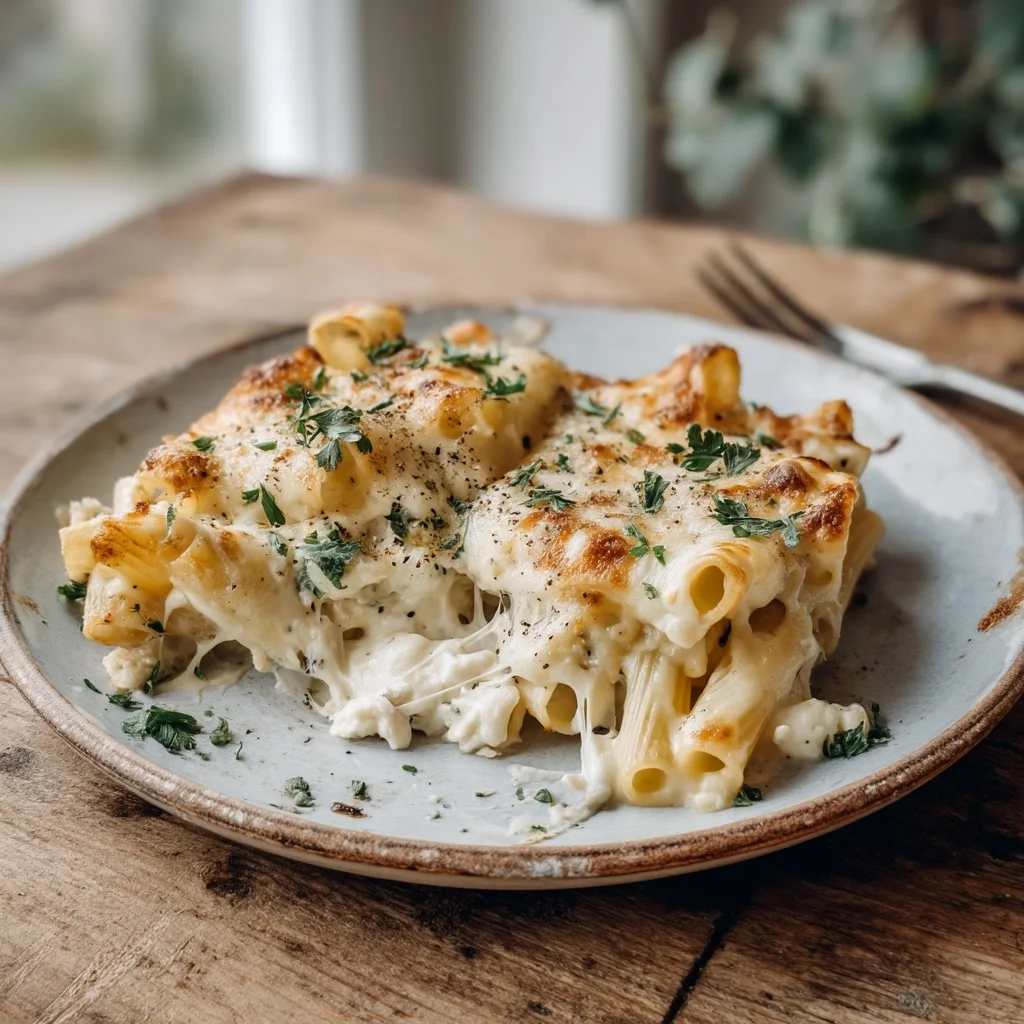
Cottage Cheese Baked Ziti
Ingredients
Method
- Preheat oven to 375°F (190°C) and grease a 9×13 inch baking dish.
- Cook ziti according to package directions until al dente. Drain and toss with olive oil to prevent sticking.
- In a medium bowl, mix cottage cheese, egg, Parmesan, 1 cup mozzarella, garlic powder, basil, salt, and pepper.
- Spread 1/2 cup marinara sauce in the bottom of the prepared baking dish.
- Add half the cooked ziti, then spread all the cottage cheese mixture evenly over the pasta.
- Top with remaining ziti, then pour remaining marinara sauce over everything.
- Sprinkle remaining 1 cup mozzarella cheese on top.
- Bake uncovered for 30-35 minutes until bubbly and golden. Let rest 5 minutes before serving.