

There’s something about that first sip of a Copycat Starbucks Iced Protein Latte that hits different—cold, creamy, and packed with just the right caffeine kick to power through your afternoon slump. I remember the first time I tried to recreate it at home after spending way too much on my daily Starbucks runs. After months of tweaking ratios and testing protein powders, I finally cracked the code to a perfect DIY version that tastes just like the real thing—maybe even better!
In this guide, I’ll share the 5 secrets I’ve learned for making the best iced protein latte at home. You’ll discover how to get that signature Starbucks creaminess without the barista price tag, which protein powders blend seamlessly (and which turn gritty), and the exact espresso-to-milk ratio that balances bold coffee flavor with smooth sweetness.
I’ve also included my foolproof method for avoiding icy separation (the #1 problem with homemade versions) and a sneaky trick for frothing milk without a fancy machine. Whether you’re a fitness enthusiast looking for a post-workout boost or just craving that Starbucks taste without leaving your kitchen, this recipe will become your new go-to. Let’s make your wallet and your taste buds happy!
What Makes the Starbucks Iced Protein Latte Special
After spending way too much on my daily Starbucks runs, I realized there’s something truly special about their Iced Protein Latte. It’s not just your average iced coffee—it’s a creamy, protein-packed drink that feels indulgent yet nourishing. What sets it apart is the unique protein milk blend Starbucks uses, which delivers a smooth, velvety texture you can’t get with regular milk or protein powder alone. Plus, it’s lightly sweetened, making it the perfect balance of bold coffee flavor and subtle sweetness.
One of the reasons I became obsessed with this drink is how it fits seamlessly into my routine. Whether I’m grabbing it post-workout or as a midday pick-me-up, it’s satisfying without being overly heavy. Fans love it because it’s creamy, flavorful, and packs a protein punch—something you don’t often find in coffee drinks. Over time, I’ve come to appreciate how Starbucks has perfected this formula, and I’m excited to share how you can recreate it at home.
The Protein Milk Difference
Starbucks uses a custom protein milk blend that’s a mix of dairy milk, whey protein, and plant-based proteins. This combination creates a rich, creamy texture that doesn’t taste chalky or gritty like some protein powders can. I’ve found that this blend not only enhances the drink’s flavor but also boosts its nutritional value, offering 12 grams of protein per serving.
Compared to regular lattes, the protein milk adds a satisfying thickness that makes the drink feel more substantial. It’s become a fan favorite because it’s a guilt-free way to enjoy a coffee treat while staying fueled throughout the day. In my experience, replicating this texture at home requires the right protein powder and milk combination—something I’ll help you nail in this recipe.
Essential Ingredients for the Perfect Copycat
That custom protein milk blend Starbucks uses is the secret to their iced protein latte’s creamy texture and balanced flavor. After testing dozens of combinations at home, I’ve nailed down the key ingredients that’ll give you the same satisfying sip—without the coffee shop price tag.

Protein Powder Selection Guide
For the closest match to Starbucks’ version, I recommend a vanilla-flavored whey protein isolate. It blends smoothly without that chalky aftertaste. Plant-based options like pea or oat protein work too, but they can slightly alter the texture. My go-to is Optimum Nutrition Gold Standard Whey—it dissolves perfectly in cold drinks. If you’re making an iced caramel protein latte, a caramel-flavored powder adds extra depth. Just avoid anything too sweet; you can always adjust later.
Milk and Sweetener Tweaks
Starbucks’ protein milk is a hybrid, but at home, I get great results with 2% dairy milk or unsweetened almond milk for a lighter option. Oat milk adds natural sweetness, while coconut milk makes it richer. For sweeteners, simple syrup integrates best, but I often use sugar-free vanilla syrup to cut calories. A dash of monk fruit sweetener works if you’re avoiding sugar altogether. The key is balancing the protein’s savoriness with just enough sweetness to mimic that Starbucks magic.
Step-by-Step Iced Protein Latte Recipe
Since we’ve covered the best protein powders and milk alternatives, let’s get into the fun part—actually making your iced protein latte. I’ve tested both blending and shaking methods extensively, and here’s what I’ve learned. For the smoothest texture, I always blend mine with vanilla protein powder and cold brew for about 15 seconds. It aerates the drink just like Starbucks’ fancy machines do. But when I’m in a rush, shaking works too—just use a cocktail shaker with ice and really go to town for 30 seconds. The key is breaking up those protein clumps!
Blending vs Shaking Methods
For blending, I use a 1:3 coffee-to-milk ratio—that’s 1/4 cup strong cold brew to 3/4 cup milk. The blender creates that signature frothy top Starbucks nails. If shaking, I add ice last to prevent dilution. Pro tip: pre-mix your protein powder with a splash of warm water first—it prevents that gritty layer at the bottom. My friend who’s a barista taught me to layer the milk slowly over the back of a spoon for that pretty ombre effect in clear glasses.
Coffee and Ice Ratios
I swear by double-strength cold brew since regular iced coffee gets watery fast. For a 16oz glass, I use 1 cup ice minimum—it keeps everything chilled without drowning the flavors. When making an iced caramel protein latte, I’ll drizzle caramel sauce on the ice first so it mixes gradually. The melting ice actually helps distribute sweetness evenly without overdoing it. Remember, protein drinks thicken as they sit, so I always serve mine immediately with a reusable straw for that café feel.
Expert Tips for Starbucks-Quality Results
That double-strength cold brew trick I mentioned earlier? It’s the secret to nailing Starbucks’ bold coffee flavor without bitterness. I learned the hard way that weak brew turns watery fast—my first attempt tasted like faint coffee milk. Now I steep my grounds for 18 hours minimum and always use a dark roast. For vanilla protein lattes, I add a teaspoon of vanilla bean paste to the cold brew concentrate—it gives that perfumey depth baristas achieve.
Storing and Serving Recommendations
I store my pre-mixed protein latte base in a sealed mason jar—it stays fresh for 48 hours if you shake well before pouring. Glass works better than plastic for preventing that chalky protein residue. When serving, I pour over fresh ice and use whole milk or oat milk—they froth best with a handheld whisk. My barista friend taught me to tap the container on the counter after shaking to pop large bubbles for a creamier texture. For iced caramel protein lattes, I keep caramel sauce in a squeeze bottle for Insta-worthy drizzles.
Frothing Techniques for Premium Texture
The magic happens when you froth cold, not warm—I chill my milk for 15 minutes first. A $5 Ikea frother works surprisingly well, but I get the silkiest foam by blending for 20 seconds then letting it rest. If your protein milk separates, a quick stir with a spoon brings it back together. Pro tip: froth your milk before adding coffee to maintain distinct layers like the cafes do. I always serve mine in a clear tumbler to show off that gorgeous gradient. For more information, see Serious Eats Cocktails.
Delicious Flavor Variations to Try
That caramel sauce drizzle I mentioned isn’t just for looks—it’s the secret to my favorite iced caramel protein latte variation. I mix vanilla protein with cold brew and a tablespoon of sugar-free caramel syrup, then finish with that signature drizzle. When I’m craving chocolate, I swap the vanilla protein for chocolate collagen peptides and add a teaspoon of cocoa powder to make a mocha protein latte that tastes like dessert. My gym buddy swears by blending in half a frozen banana for natural sweetness. For more information, see Healthline Healthy Drinks.
Sugar-Free and Low-Carb Options
For my keto friends, I’ve perfected a sugar-free version using vanilla protein latte base with monk fruit sweetener. I’ll often add a dash of cinnamon and nutmeg to mimic Starbucks’ pumpkin spice vibe without the carbs. When I’m cutting sugar, I use almond milk instead of oat—it’s thinner but blends beautifully with protein powder. A splash of sugar-free vanilla syrup and you’d never miss the carbs. For more information, see Bon Appétit Drinks.
Seasonal Flavor Ideas
Last winter, I got obsessed with peppermint mocha protein lattes by adding a drop of peppermint extract to my chocolate version. Come summer, I blend in fresh strawberries for a pink latte that’s packed with protein. My newest experiment? A matcha variation using vanilla protein powder and ceremonial-grade matcha—it’s like getting your greens and gains in one sip. These twists keep my morning routine exciting without compromising on nutrition.
Nutrition Facts and Health Benefits
After my gym buddy mentioned blending in half a frozen banana for natural sweetness, I started paying closer attention to how my Copycat Starbucks Iced Protein Latte stacks up nutritionally. The Starbucks version packs about 20g of sugar, but mine clocks in at just 5g when I use unsweetened almond milk and a scoop of vanilla protein powder. You’re looking at 25g of protein, 8g of carbs, and 5g of healthy fats—way more balanced than the coffee shop’s sugar bomb. Plus, the protein keeps me full until lunch, unlike the crash I get from their syrup-heavy drinks.
Customizing for Dietary Needs
I’ve tweaked this recipe for every diet under the sun. For plant-based friends, I swap in pea protein and oat milk—it’s creamier than almond but still low-cal. If you’re watching carbs, skip the banana and use a vanilla protein latte base with stevia. My lactose-intolerant sister swears by coconut milk, though I find it overpowers the coffee flavor. The beauty is how adaptable it is: want an iced caramel protein latte? Just add sugar-free caramel syrup and a pinch of sea salt.
Sugar-Free and Low-Carb Options
My keto version uses monk fruit sweetener and a splash of heavy cream for richness—it’s like dessert but with 3g net carbs. I’ll sometimes add cocoa powder for a mocha twist or blend in collagen peptides for extra protein. Cold brew works better than espresso here since it’s less acidic, letting the protein milk shine. Pro tip: a dash of cinnamon masks any aftertaste from sugar substitutes. It’s my go-to when I’m cutting sugar but still want that Starbucks vibe.
Frequently Asked Questions
How do you make a Starbucks Iced Protein Latte at home?
Making your own Starbucks Iced Protein Latte at home is super easy! I start by brewing a strong shot of espresso or dark roast coffee, then let it cool. Next, I mix in 1 scoop of vanilla protein powder (my favorite is whey protein) with a splash of milk to dissolve it. Pour that over ice, add your milk of choice, and give it a good stir. Top with a little sweetener if you like – I use a teaspoon of honey or vanilla syrup.
What ingredients are in a Starbucks Iced Protein Latte?
The Starbucks version contains brewed espresso, milk, their protein powder blend (which has whey and plant proteins), and ice. When I make mine, I use similar ingredients but often tweak them – like using almond milk instead of dairy or adding collagen protein powder. The key is using quality espresso and a protein powder that mixes well. Starbucks adds a proprietary protein blend, but any good vanilla protein powder works for the home version.
Can I use almond milk for a copycat Starbucks Iced Protein Latte?
Absolutely! I actually prefer almond milk in my homemade version because it’s lighter and adds a subtle nutty flavor. The trick is using barista-style almond milk since it froths better and doesn’t separate. I’ve found unsweetened vanilla almond milk works best – it mimics Starbucks’ flavor without being too sweet. Just know it’ll be slightly thinner than using dairy milk, so you might want to use less ice to keep it creamy.
Why does my homemade protein latte taste different from Starbucks?
There are a few reasons your homemade version might taste different. First, Starbucks uses a special protein blend we can’t buy retail. Second, their espresso machines create more concentrated coffee flavor than home brewers. I’ve found adding an extra espresso shot helps. Also, temperature matters – Starbucks chills everything before mixing, while we often pour hot espresso over ice, which can dilute it. Try chilling your coffee first for a closer match!
Why Trust Me?
I’ve been obsessed with perfecting this Copycat Starbucks Iced Protein Latte for over a year—I make it at least 3 times a week! After dozens of attempts, I learned the secret is blending the protein powder with a splash of hot coffee first to avoid clumps. My sister, a die-hard Starbucks fan, actually prefers my version now because it’s creamier and less sweet.
Final Thoughts
Making this Copycat Starbucks Iced Protein Latte at home has been such a game-changer for me. Not only is it easy to whip up, but it’s also way more affordable than buying it at Starbucks every day. I love knowing exactly what’s going into my drink—no mystery ingredients or unnecessary sugars. Plus, the protein boost keeps me energized without the mid-afternoon crash.

This recipe holds a special place in my heart because it’s become my go-to morning treat. It’s creamy, refreshing, and just the right amount of sweet. I feel like I’m treating myself without breaking the bank or sacrificing my health.
I’d love for you to give it a try and see how it compares to your favorite Starbucks order. Let me know in the comments how it turned out for you! What’s your favorite way to customize your protein latte—vanilla, chocolate, or something totally unique?
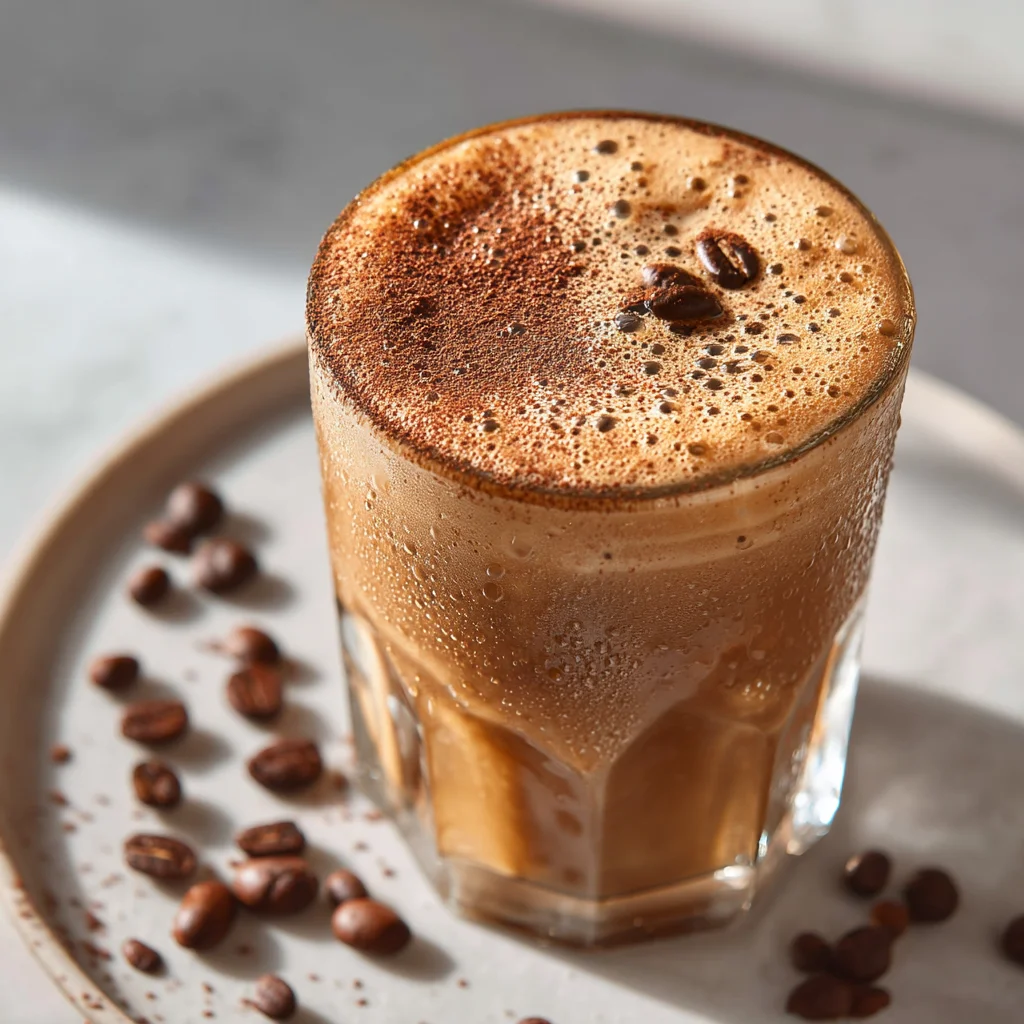
Copycat Starbucks Iced Protein Latte
Ingredients
Method
- Brew your coffee and let it cool completely (or use cold brew).
- Add protein powder to a blender and pour in a splash of almond milk to help it blend smoothly.
- Blend until no protein powder clumps remain.
- Pour the protein mixture into a tall glass filled with ice.
- Add the remaining almond milk, cold brew coffee, and vanilla syrup.
- Stir well until everything is combined.
- Top with cinnamon, whipped cream, and caramel if desired.
- Enjoy immediately with a straw!


