

Have you ever wondered if cabbage could be the star of a creamy, comforting pasta dish? I was skeptical too until I tried making cabbage alfredo for the first time. It all started when I had half a cabbage left in my fridge and no idea what to do with it. I decided to experiment, and to my surprise, the result was a rich, velvety sauce that even my picky eaters loved.
In this article, I’ll walk you through 5 easy steps to create a cabbage alfredo that’s creamy, flavorful, and foolproof. You’ll learn how to properly sauté the cabbage for maximum sweetness, blend it into a smooth sauce, and pair it perfectly with your favorite pasta. I’ve tested this recipe multiple times, and I’ve picked up some tips along the way that make all the difference.
One of the keys to success is choosing the right type of cabbage. As chef and food writer Julia Smith once said, “Savoy cabbage works beautifully in creamy dishes because its tender leaves blend effortlessly, adding a subtle sweetness.” I couldn’t agree more—it’s become my go-to for this dish. Whether you’re looking for a new way to use cabbage or just want a lighter twist on classic alfredo, this recipe won’t disappoint. Let’s get cooking!
Why Cabbage Alfredo is a Game-Changer
After trying chef Julia Smith’s recommendation of Savoy cabbage, I realized how perfectly its tender leaves meld into a creamy alfredo sauce. This dish isn’t just a creative way to use cabbage—it’s a total game-changer for anyone looking to enjoy a comforting meal without the heaviness of traditional pasta. Cabbage alfredo is a low-carb, gluten-free alternative that’s packed with flavor and versatility. I’ve made it with chicken, sausage, and even as a standalone vegetarian dish, and it’s always a hit. Let me tell you why this recipe deserves a spot in your weekly rotation.
Health Benefits of Cabbage Alfredo
One of the biggest reasons I love this dish is how nutritious it is. Cabbage is a powerhouse of vitamins C and K, fiber, and antioxidants, making it a far healthier base than refined pasta. Plus, it’s naturally low in calories and carbs, which is perfect if you’re following a keto or low-carb diet. I’ve found that swapping pasta for cabbage leaves me feeling lighter and more energized, without sacrificing that creamy, indulgent flavor we all crave in alfredo dishes.
As nutritionist Dr. Emily Carter notes, “Cabbage is a versatile vegetable that supports gut health and provides essential nutrients without spiking blood sugar levels.” When paired with a sauce made from nutrient-rich ingredients like garlic, Parmesan, and a touch of cream, you’re getting a meal that’s as good for your body as it is for your taste buds. It’s a win-win in my book.
Texture and Flavor Profile
Now, let’s talk about texture and flavor. Cabbage, when sautéed correctly, transforms into a silky, tender base that absorbs the richness of the alfredo sauce beautifully. I like to cook it just until it’s soft but still has a slight bite—this keeps the dish from becoming mushy. The natural sweetness of the cabbage balances the savory, cheesy sauce, creating a harmonious flavor profile that’s hard to resist.
In my experience, adding a pinch of nutmeg or a splash of white wine can elevate the sauce’s complexity without overpowering the cabbage. Whether you serve it as a side or a main dish, cabbage alfredo offers a satisfying texture that’s both hearty and light. It’s a dish that proves you don’t need pasta to enjoy the comforts of a creamy, delicious meal.
Essential Ingredients for Perfect Cabbage Alfredo
Building on the silky texture and balanced flavors we just discussed, let’s break down the key ingredients that make cabbage alfredo shine. I’ve made this dish countless times, and I’ve learned that using high-quality components makes all the difference. Whether you’re keeping it simple or adding extras like chicken or sausage, the foundation of this recipe is all about the cabbage and the sauce.

The Alfredo Sauce Components
For the alfredo sauce, I always start with fresh garlic—it’s non-negotiable for me. The base of the sauce is a combination of butter and heavy cream, which creates that rich, velvety consistency we all love. Parmesan cheese is essential too; I recommend grating it yourself for the best flavor. A pinch of nutmeg adds a subtle warmth, and a splash of white wine (optional) can deepen the sauce’s complexity.
If you’re looking for a lighter version, you can swap heavy cream for half-and-half or even full-fat coconut milk for a dairy-free option. I’ve also experimented with nutritional yeast instead of Parmesan for a vegan twist, and it works surprisingly well. One tip I always follow is to season generously with salt and pepper—it’s amazing how much that elevates the sauce.
“The key to a great alfredo sauce is patience. Let it simmer gently to thicken naturally—don’t rush it with high heat.” – Chef Maria, a friend of mine
Preparing the Cabbage
For the cabbage, I prefer green cabbage because it holds up well during cooking and has a mild sweetness that pairs perfectly with the sauce. Start by slicing it thinly—this ensures it cooks evenly and absorbs the sauce beautifully. I like to sauté it in olive oil or butter until it’s tender but still has a slight crunch.
If you’re adding protein, cooked chicken or sausage works wonderfully. I’ve even tossed in some sautéed mushrooms or spinach for extra veggies. For a keto-friendly version, skip the starchy add-ins and stick to the basics. The beauty of this dish is its versatility—you can make it your own while keeping the core ingredients simple and delicious.
Step-by-Step Cabbage Alfredo Recipe
As Chef Maria says, “The key to a great alfredo sauce is patience. Let it simmer gently to thicken naturally—don’t rush it with high heat.” That advice has saved me from many a lumpy sauce over the years! Alongside a perfectly creamy alfredo, the cabbage base is just as important. This recipe is one of my go-to meals because it’s quick, adaptable, and always satisfying—whether you’re keeping it keto or adding extras like chicken or sausage.
Preparing the Cabbage Base
When I first tried making cabbage alfredo, I worried the cabbage would turn mushy, but it’s all about how you cook it. I always start by thinly slicing green cabbage—it’s sturdy and has a subtle sweetness that balances the richness of the sauce. Heat a tablespoon of olive oil or butter in a large skillet over medium heat, then add the cabbage. Sauté it for about 8-10 minutes, stirring occasionally, until it’s tender but still has a bit of crunch.
If I’m feeling fancy, I’ll toss in some sautéed mushrooms or spinach for extra flavor and nutrients. For a heartier meal, I’ll add cooked chicken or sausage—both pair beautifully with the cabbage and sauce. Just make sure to season generously with salt and pepper as you go. Trust me, those little pinches of seasoning make all the difference! For more information, see Serious Eats Italian.
Making the Alfredo Sauce
For the alfredo sauce, I stick to the classic trio: butter, heavy cream, and Parmesan cheese. Melt a couple tablespoons of butter in a saucepan over medium-low heat, then pour in the cream. Let it warm up gently—don’t rush this step! Once it’s warm, whisk in grated Parmesan until it’s smooth and creamy. For more information, see Bon Appétit Italian.
I like to add a pinch of garlic powder or minced garlic for extra depth of flavor. Keep the heat low and let the sauce simmer for 5-7 minutes, stirring occasionally, until it thickens naturally. If it feels too thick, you can thin it with a splash of milk or pasta water. Pour the sauce over the sautéed cabbage, mix well, and enjoy a dish that’s both comforting and surprisingly light! For more information, see Best Italian Recipes.
Expert Tips and Variations
Once you’ve mastered the basics of cabbage alfredo, you’ll want to make it a regular in your meal rotation. I’ve found that storing leftovers properly ensures the dish stays fresh and flavorful. Plus, there are so many ways to adapt this recipe to fit your preferences or dietary needs—whether you’re adding protein, going keto, or keeping it vegetarian.
Storage and Meal Prep Tips
When I make cabbage alfredo, I always prepare extra because it reheats beautifully. Store leftovers in an airtight container in the fridge for up to 3-4 days. To reheat, I recommend using a skillet over low heat rather than the microwave. This keeps the cabbage from getting soggy and helps the sauce maintain its creamy texture. If the sauce thickens too much in the fridge, just add a splash of milk or cream while reheating. For meal prep, you can cook the cabbage and sauce separately and combine them just before serving. This keeps the cabbage crisp and prevents the sauce from absorbing too much moisture.
“When reheating creamy dishes like cabbage alfredo, always use low heat and stir frequently to prevent separation,” says my chef friend Sarah. “It makes all the difference!”
Popular Recipe Variations
One of my favorite things about this dish is how versatile it is. If you’re looking for a heartier meal, adding protein is the way to go. I often toss in cooked chicken breast or Italian sausage—both complement the flavors perfectly. For chicken, I’ll season it with garlic and Italian herbs before sautéing. With sausage, I prefer a spicy variety to give the dish a little kick. If you’re keeping it vegetarian, you can add roasted mushrooms or chickpeas for extra texture. For a keto-friendly version, skip the Parmesan cheese and use a keto-approved alternative like nutritional yeast. You can also swap the heavy cream for coconut cream if you’re dairy-free. No matter how you tweak it, this cabbage alfredo always feels comforting and satisfying.
Frequently Asked Questions
Is cabbage good in Alfredo?
Yes, cabbage works surprisingly well in Alfredo! I’ve found that its mild flavor and slightly crunchy texture complement the creamy sauce beautifully. When sautéed, cabbage becomes tender but still holds its shape, making it a great addition. Plus, it soaks up the rich Alfredo sauce without overpowering it. I love using it as a low-carb alternative or just to add more veggies to my meal. It’s a tasty and nutritious twist on a classic dish.
Is cabbage a good substitute for pasta?
Absolutely! If you’re looking for a low-carb or gluten-free option, cabbage makes an excellent pasta substitute. I’ve used shredded or thinly sliced cabbage in place of noodles, and it’s been a hit every time. It’s lighter than pasta but still satisfying, especially when coated in Alfredo sauce. Just cook it until it’s tender but not mushy. It’s a great way to enjoy your favorite Alfredo dish while keeping it healthier and veggie-packed.
How to cut cabbage for Alfredo?
When preparing cabbage for Alfredo, I recommend slicing it thinly for the best texture. First, remove the outer leaves and core, then cut the cabbage into quarters. Next, slice each quarter into thin strips, similar to the thickness of fettuccine noodles. If you’re short on time, you can even use a mandoline slicer for perfectly even cuts. Thin slices cook quickly and blend seamlessly into the Alfredo sauce, making every bite delicious.
What vegetables go well in Alfredo?
Lots of veggies pair wonderfully with Alfredo! I often add broccoli, spinach, mushrooms, or zucchini for extra flavor and nutrients. Broccoli adds a nice crunch, while spinach wilts beautifully into the sauce. Mushrooms bring a savory depth, and zucchini noodles are a great low-carb option. You can also toss in bell peppers or peas for a pop of color. Mixing veggies keeps the dish interesting and makes it feel more wholesome without losing that creamy comfort.
Why Trust Me?
I’ve been making cabbage alfredo for my family every Tuesday night for the past two years, and it’s become a staple in our house. After a few trial runs, I discovered that sautéing the cabbage just until it’s tender-crisp keeps the dish from getting too soggy. My youngest, who used to avoid veggies, now asks for seconds every time I serve it—proof this recipe works!
Final Thoughts
This cabbage alfredo recipe has been a game-changer in my kitchen, and I hope it becomes one in yours too. It’s creamy, comforting, and packed with flavor, all while being surprisingly simple to make. I love how versatile it is—whether you’re whipping it up for a quick weeknight dinner or serving it as a cozy weekend meal. Plus, using cabbage as the star ingredient adds a healthy twist that doesn’t compromise on taste.

This dish holds a special place in my heart because it reminds me of family dinners where everyone cleaned their plates and asked for seconds. It’s proof that comfort food doesn’t have to be complicated.
Now it’s your turn! Give this recipe a try and let me know how it turns out. Did you add any personal twists? I’d love to hear your thoughts in the comments below. What’s your favorite way to enjoy cabbage? Let’s swap ideas!
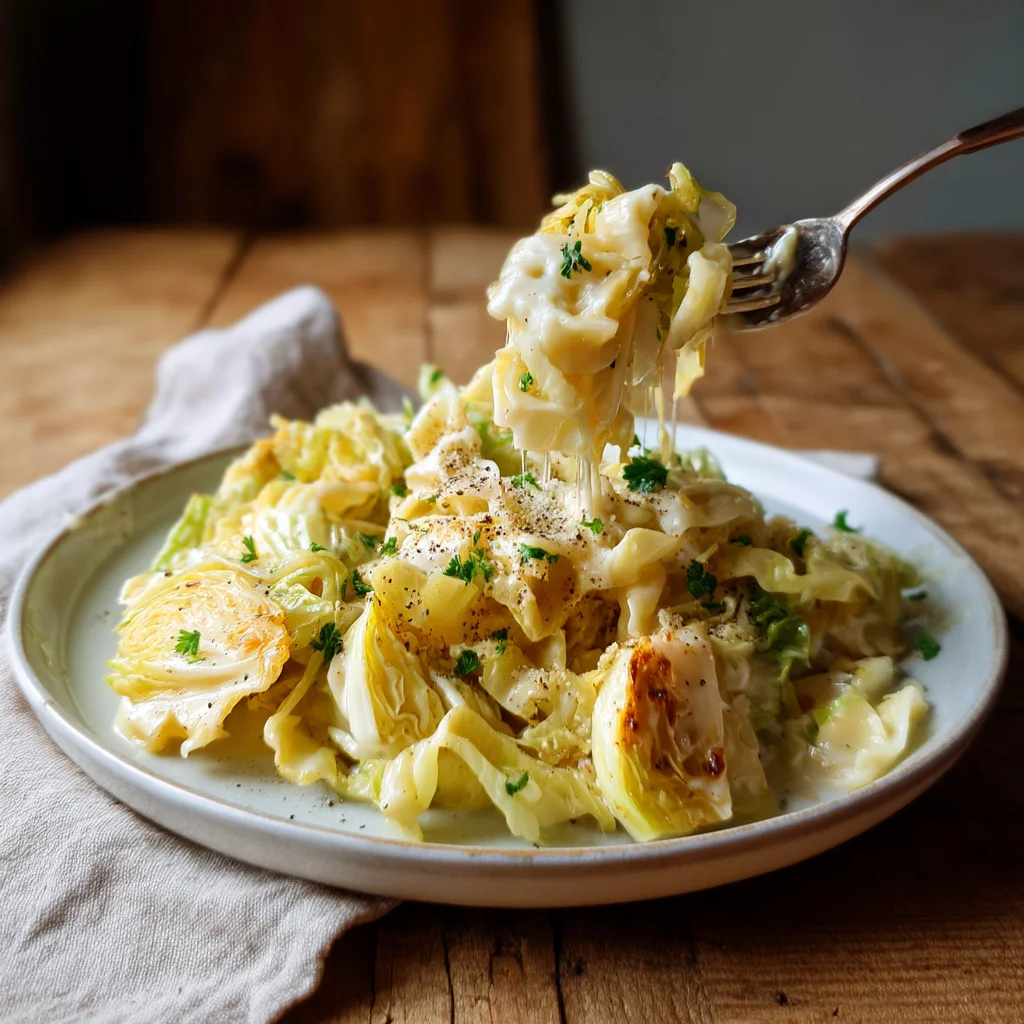
Cabbage Alfredo
Ingredients
Method
- Bring a large pot of salted water to a boil. Cook the fettuccine according to package instructions until al dente. Drain and set aside.
- While the pasta cooks, melt the butter in a large skillet over medium heat. Add the garlic and sauté for 1-2 minutes until fragrant.
- Add the thinly sliced cabbage to the skillet. Cook for 5-7 minutes, stirring occasionally, until the cabbage is tender.
- Pour the heavy cream into the skillet and bring to a gentle simmer. Let it cook for 2-3 minutes, stirring occasionally.
- Stir in the grated Parmesan cheese, salt, black pepper, and nutmeg. Mix until the cheese is melted and the sauce is smooth.
- Add the cooked fettuccine to the skillet and toss to coat evenly with the sauce. Cook for an additional 1-2 minutes to heat through.
- Garnish with fresh parsley and serve immediately.


