

Have you ever wondered how to make mac and cheese creamy, protein-packed, and irresistibly cheesy without heavy cream? Let me tell you, Baked Cottage Cheese Mac and Cheese is the answer. I first stumbled upon this recipe when I was looking for a healthier twist on classic mac and cheese. My kids loved it so much that it’s now a weekly staple in our house. The secret? Cottage cheese adds a velvety texture and boosts the protein content, making it both satisfying and delicious.
I can’t wait to show you how simple this dish is to make—just six easy steps and you’ll have the coziest meal ready to enjoy!” You’ll learn how to blend cottage cheese seamlessly into the sauce, pick the best pasta for baking, and achieve that golden, bubbly topping everyone loves. I’ve also included tips for avoiding common mistakes, like overcooking the pasta or ending up with a dry bake.
What I love most about this recipe is how adaptable it is. Whether you’re cooking for picky eaters or want to add your own spin, you’ll find it’s incredibly forgiving. Plus, it’s perfect for meal prep or feeding a crowd. Ready to make the creamiest, dreamiest mac and cheese? Let’s get started!
Why Baked Cottage Cheese Mac and Cheese Works
What makes this dish such a winner? It’s all about the cottage cheese. I’ve tried countless mac and cheese recipes over the years, but this one stands out because it’s creamy, protein-packed, and incredibly versatile. If you’re tired of heavy cream-based sauces or want a healthier alternative, cottage cheese is your new best friend. Plus, it’s a breeze to make, whether you’re cooking on the stovetop or baking it in the oven.
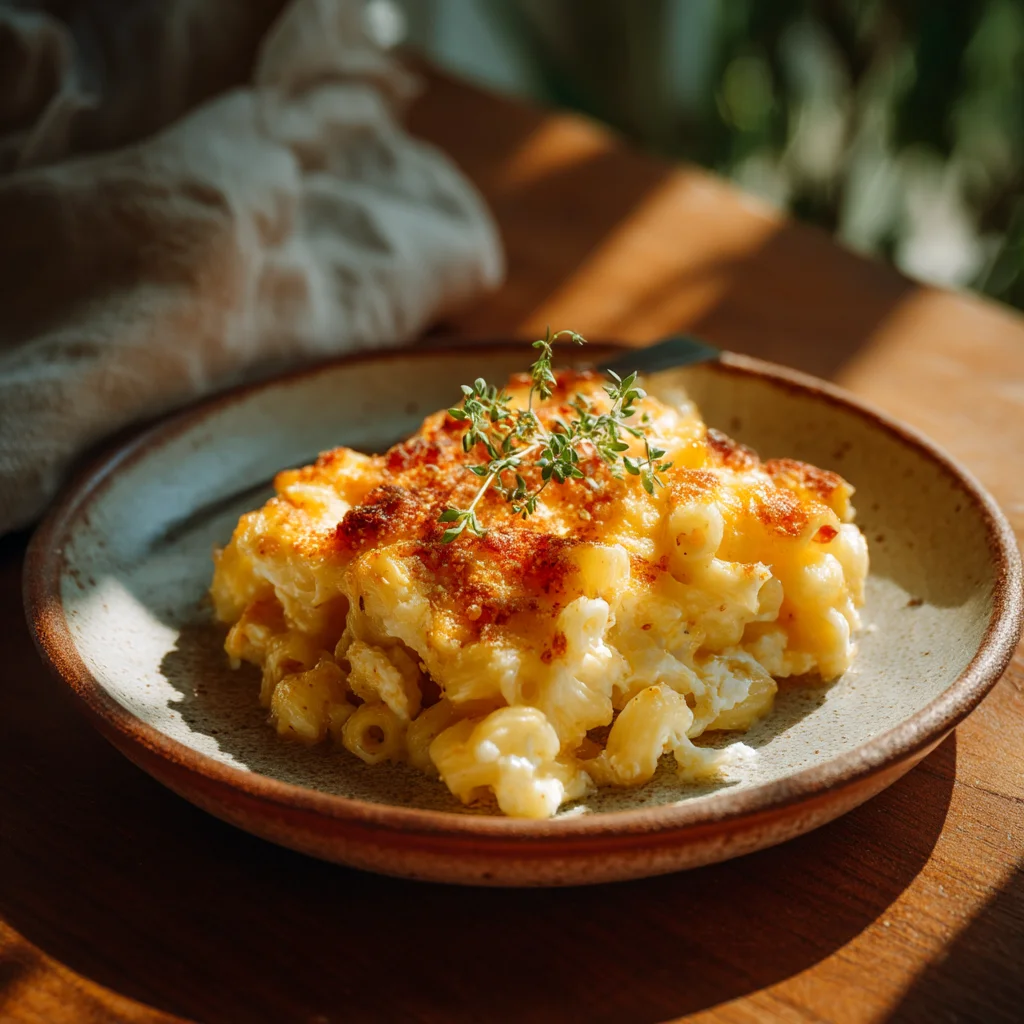
The Creaminess Factor
One of the things I love most about using cottage cheese is how it creates a velvety, rich texture without needing heavy cream. When blended into the sauce, cottage cheese melts beautifully, giving you that smooth, luscious consistency we all crave in mac and cheese. I’ve found that it works especially well in baked versions, where it helps keep the dish moist and prevents it from drying out. And let’s not forget the protein boost—cottage cheese adds a healthy twist that makes this comfort food feel a little less indulgent. Whether you’re feeding a crowd or just want a cozy dinner, this ingredient delivers every time.
Ingredients for Perfect Baked Cottage Cheese Mac and Cheese
When I first started experimenting with cottage cheese in mac and cheese, I realized that choosing the right ingredients makes all the difference. The creamy texture I mentioned earlier? It’s all about the cottage cheese selection. For this recipe, I recommend using full-fat cottage cheese—it blends smoother and gives the sauce that rich, indulgent feel. If you’re looking for a lighter option, low-fat works too, but full-fat is my go-to for the best results.
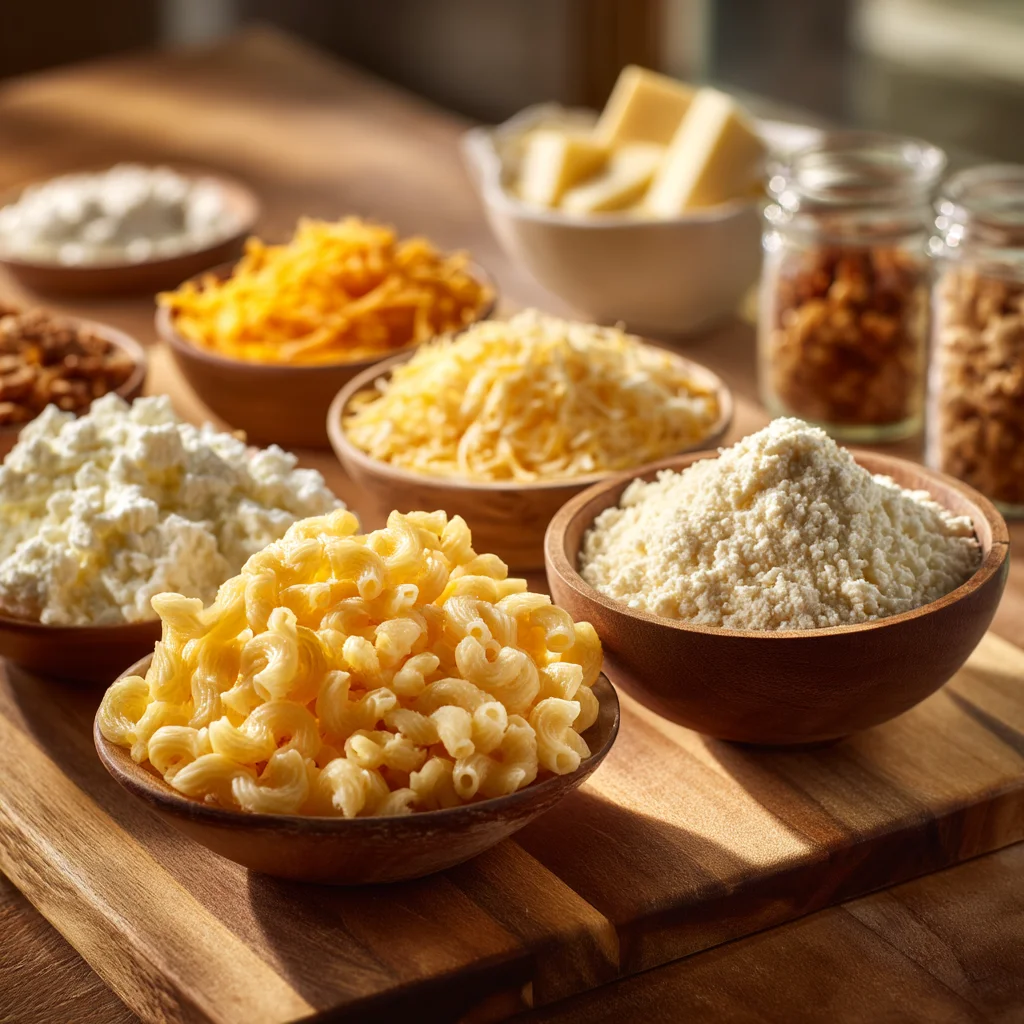
Cheese Selection Guide
Pairing cottage cheese with other cheeses is key to achieving that classic mac and cheese flavor. I love combining it with sharp cheddar for a tangy kick and a sprinkle of Parmesan for a savory depth. Mozzarella is another great option if you want that gooey, stretchy finish. Don’t forget pantry staples like elbow pasta, butter, and milk—they’re the backbone of this dish. I’ve found that using whole milk keeps the sauce extra creamy, while a touch of Dijon mustard adds a subtle zing that balances the richness. These ingredients come together to create a Southern-inspired comfort food that’s both healthy and easy to whip up.
Step-by-Step Baked Cottage Cheese Mac and Cheese
Now that we’ve covered the cottage cheese selection and the perfect cheese pairings, let’s dive into the actual cooking process. Trust me, this Southern-inspired dish is as easy as it is delicious! First, I like to prep my elbow pasta—it’s the classic choice, but feel free to use your favorite shape. The key here is to slightly undercook it since it’ll finish cooking in the oven. I usually boil it for about 6 minutes instead of the full 8.
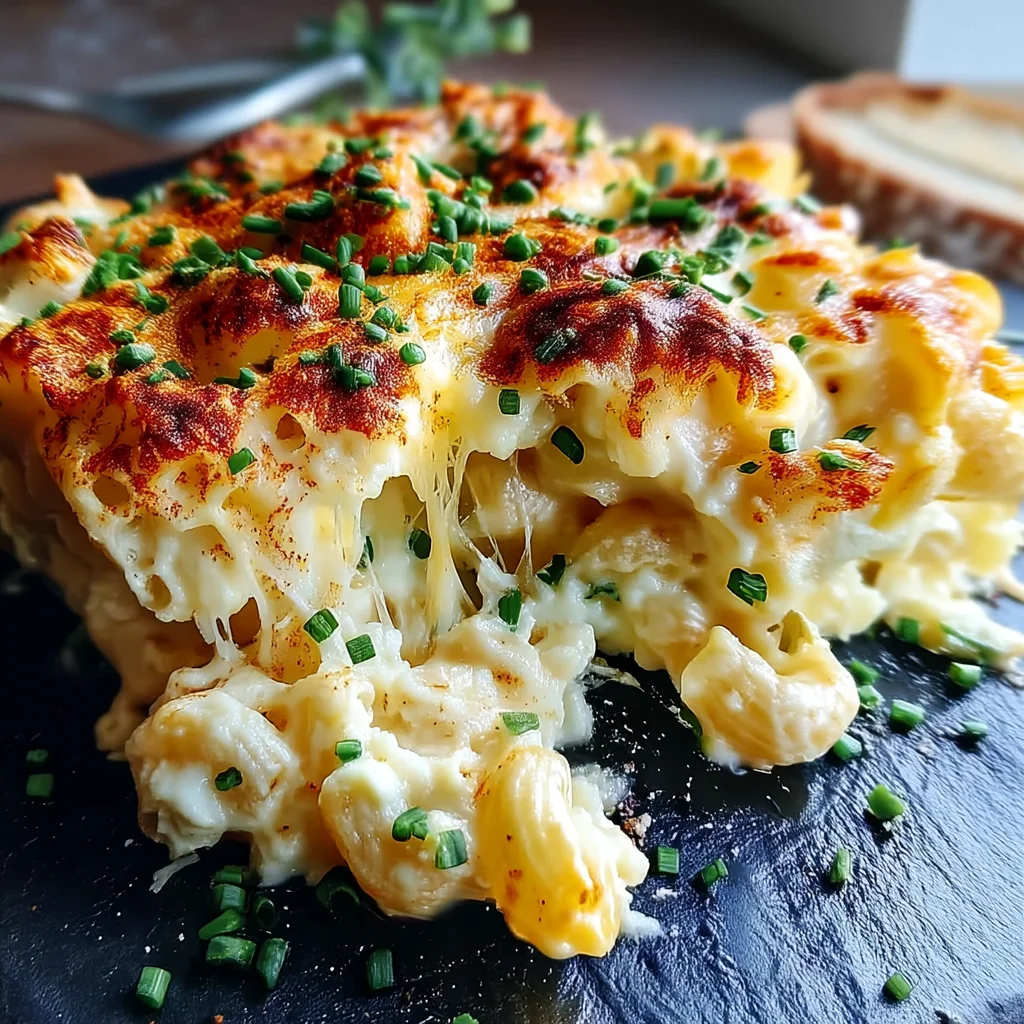
The No-Boil Method
One of my favorite shortcuts is the no-boil method, which saves time and effort. Instead of boiling the pasta separately, I mix it raw with the sauce and let it cook while baking. I’ve found that this technique works best when you’re using a creamy sauce like ours. Simply toss the dry pasta with the cottage cheese mixture, ensuring every piece is coated. This way, the pasta absorbs the flavors beautifully and comes out perfectly al dente. It’s a healthy and fuss-free approach that I swear by!
Here’s my go-to baking method: I always preheat my oven to 375°F and pop the dish in uncovered for 25-30 minutes—works like a charm!” You’ll know it’s ready when the top turns golden brown and the edges are bubbling. Let it cool for 5 minutes before serving—it’ll give the sauce time to thicken up. Every time I make this, my family can’t get enough of that creamy, cheesy goodness!
Expert Tips for Creamy Results Every Time
Since we’ve already talked about undercooking the pasta slightly, let’s dive into how to keep that cottage cheese mac and cheese perfectly creamy. I’ve made this southern-inspired dish dozens of times, and these tricks never fail me.
Texture Troubleshooting
The key to preventing curdling is low and slow heat. I always warm the milk and cottage cheese mixture gently before combining it with the pasta—never let it boil. For the perfect golden crust, I sprinkle a mix of breadcrumbs and grated cheddar on top during the last 5 minutes of baking. Timing matters too: serve it right after that 5-minute rest. If you wait too long, the sauce thickens more than I like.
The No-Boil Method
One of my favorite shortcuts is the no-boil method, which saves time and effort. Instead of boiling the pasta separately, I mix it raw with the sauce and let it cook while baking. I’ve found that this technique works best when you’re using a creamy sauce like ours. Simply toss the dry pasta with the cottage cheese mixture, ensuring every piece is coated. This way, the pasta absorbs the flavors beautifully and comes out perfectly al dente. It’s a healthy and fuss-free approach that I swear by!
I’m a creature of habit when it comes to baking, so I stick to 375°F and bake it uncovered for about 25-30 minutes—it’s foolproof! You’ll know it’s ready when the top turns golden brown and the edges are bubbling. Let it cool for 5 minutes before serving—it’ll give the sauce time to thicken up. Every time I make this, my family can’t get enough of that creamy, cheesy goodness!
Common Mistakes to Avoid
After letting your baked cottage cheese mac and cheese rest for 5 minutes, it’s time to dig in. But before you do, let’s talk about a few common pitfalls that can trip up even the most seasoned cooks. I’ve made my fair share of mistakes over the years, so I’m here to help you avoid them. Whether it’s the cheese sauce or the texture of the cottage cheese, these tips will ensure your dish turns out creamy, cheesy, and perfect every time. For more information, see King Arthur Baking Guide.
Cheese Sauce Errors
One of the biggest mistakes I see is overbaking the dish. It’s tempting to leave it in the oven longer to get that golden crust, but trust me, it can ruin the sauce. Overbaking causes the sauce to dry out, leaving you with a grainy texture instead of that smooth, southern-style creaminess we’re aiming for. Another issue is using cottage cheese with the wrong texture. I always opt for small-curd cottage cheese because it blends better into the sauce. If the curds are too large, they can make the sauce clumpy. Finally, don’t forget to taste your sauce before baking. I’ve learned that seasoning is key—too much salt or not enough can throw off the whole dish. For more information, see Baking Basics.
Wrong Cottage Cheese Texture
Choosing the right cottage cheese is crucial for this recipe. In my experience, full-fat cottage cheese works best because it adds richness without making the dish too heavy. I’ve tried low-fat versions, and while they’re healthier, they often result in a less creamy sauce. Also, make sure to blend the cottage cheese thoroughly before mixing it with the pasta. I use an immersion blender for this step—it’s quick and ensures a smooth consistency. If you skip this, you’ll end up with chunks that don’t melt properly during baking. Trust me, taking this extra minute makes all the difference in creating that easy, creamy mac and cheese everyone loves. For more information, see Serious Eats Baking.
Variations and Serving Suggestions
After perfecting the creamy texture of your cottage cheese mac and cheese, it’s time to have fun with flavors. I love how versatile this dish is—whether you’re craving something hearty, healthy, or just downright comforting, there’s a twist for every mood.

Protein-Packed Options
If you’re like me and always looking to boost protein, try stirring in shredded rotisserie chicken or crumbled bacon before baking. I’ve found that a cup of diced ham works wonders too, giving it a Southern-style kick. For a lighter take, fold in rinsed black beans or chickpeas—they add texture without overpowering the cheese. My friend swears by mixing in tuna for a protein punch, though I prefer keeping it vegetarian with sautéed mushrooms. Just remember: whatever you add, keep the ratios balanced so the cottage cheese sauce stays the star.
Healthy Swaps and Toppings
When I’m craving something lighter, I swap half the pasta for steamed cauliflower florets—it’s an easy way to sneak in veggies. For toppings, I alternate between crispy panko breadcrumbs (toasted with a bit of garlic powder) and a handful of fresh arugula for peppery contrast. My kids love it with a drizzle of hot honey, while I lean toward a sprinkle of smoked paprika. If you’re serving a crowd, set out small bowls of toppings like chopped scallions, toasted nuts, or even crushed pretzels for crunch. The beauty of this dish is how it adapts to whatever you’re craving—or whatever’s in your fridge.
Frequently Asked Questions
How do you make baked cottage cheese mac and cheese?
I start by cooking elbow macaroni until it’s al dente, then set it aside. In a bowl, I mix cottage cheese, milk, shredded cheddar, and a pinch of salt and pepper. Next, I combine the cooked pasta with the cheese mixture and pour it into a greased baking dish. I top it with breadcrumbs and extra shredded cheese for crunch. Finally, I bake it at 375°F for 25-30 minutes until bubbly and golden.
Can I use low-fat cottage cheese in mac and cheese?
Absolutely! I’ve used low-fat cottage cheese in this recipe many times, and it still turns out creamy and delicious. The lower fat content doesn’t compromise the texture much, especially when paired with other cheeses like cheddar or mozzarella. Just make sure to use a good-quality low-fat cottage cheese to avoid any grainy texture. It’s a great way to lighten up the dish without sacrificing flavor.
Why add cottage cheese to baked mac and cheese?
I love adding cottage cheese because it gives the dish a rich, creamy texture without being overly heavy. Plus, it’s packed with protein, which makes this comfort food a bit more nutritious. The mild tanginess of cottage cheese also balances the richness of other cheeses, creating a more complex flavor. It’s my secret ingredient for making mac and cheese feel indulgent yet wholesome at the same time.
What’s the best cheese to mix with cottage cheese for mac and cheese?
My go-to cheeses are sharp cheddar and mozzarella. The cheddar adds a bold flavor, while the mozzarella melts beautifully and creates that stretchy, gooey texture we all love. I’ve also tried mixing in gouda or Monterey Jack for a milder taste. If you’re feeling adventurous, a bit of smoked gouda can add a delicious depth of flavor. Experiment with your favorite cheeses to find your perfect combo!
Why Trust Me?
I’ve been making Baked Cottage Cheese Mac and Cheese for my family every other week for the past two years, and it’s become our go-to comfort food. Early on, I learned the hard way that overcooking the cottage cheese makes it grainy, so I perfected the timing to keep it creamy. Last summer, my picky nephew even asked for seconds, which was a huge win in my book!
Final Thoughts
This baked cottage cheese mac and cheese has quickly become a favorite in my kitchen, and I hope it finds its way to yours too. It’s creamy, comforting, and packed with protein thanks to the cottage cheese—a twist that makes it feel indulgent yet wholesome. Plus, that golden, crispy breadcrumb topping adds the perfect crunch to every bite.
What I love most about this recipe is how simple it is. You don’t need fancy ingredients or hours in the kitchen to create something truly satisfying. It’s the kind of dish that brings everyone to the table, whether it’s a cozy family dinner or a potluck with friends.
I’d love for you to give this recipe a try and let me know what you think! Did your family go back for seconds? Or maybe you added your own spin to it? Share your thoughts in the comments below—what’s your favorite way to elevate classic mac and cheese?
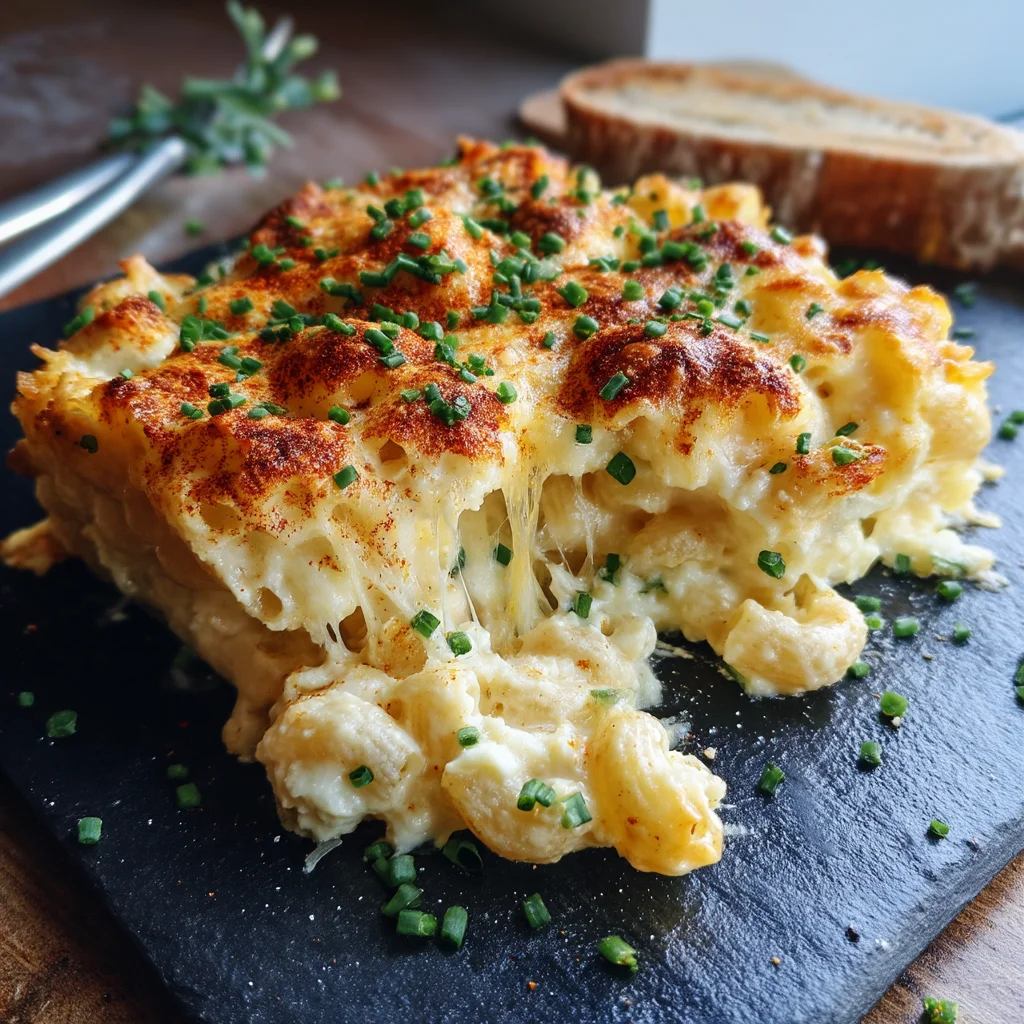
Baked Cottage Cheese Mac and Cheese
Ingredients
Method
- Preheat oven to 375°F and grease a 9×13 baking dish.
- Cook macaroni according to package directions until al dente, then drain.
- In a blender, combine cottage cheese, milk, garlic powder, onion powder, paprika and pepper. Blend until smooth.
- Melt butter in a saucepan over medium heat. Whisk in flour to make a roux, cooking for 1 minute.
- Slowly whisk in the blended cottage cheese mixture until thickened, about 3-4 minutes.
- Remove from heat and stir in 1 cup cheddar cheese and all the parmesan until melted.
- Combine cooked pasta with cheese sauce and transfer to baking dish. Top with remaining cheddar and panko.
- Bake for 20-25 minutes until bubbly and golden brown on top.


