

Have you ever bitten into a tender cabbage dumpling and marveled at how something so simple can taste so comforting? I still remember my grandmother wrapping these little bundles with practiced hands, the kitchen filling with the earthy aroma of steamed cabbage and savory filling. That memory inspired me to perfect my own version—one that’s easy enough for weeknights but special enough for gatherings.
In this guide, I’ll walk you through my 7-step method for making flawless cabbage dumplings every time. You’ll learn how to select the right cabbage (hint: go for tightly packed heads), prep the leaves without tearing them, and mix a filling that stays juicy. I’ve also included my favorite folding tricks to keep everything sealed tight during cooking.
Over the years, I’ve found that the secret lies in balancing textures—the slight crunch of cabbage against a soft, well-seasoned center. Whether you steam, boil, or pan-fry them, these dumplings are endlessly adaptable. By the end, you’ll have a foolproof recipe that works whether you’re cooking for one or a crowd. Let’s get wrapping!
What Are Cabbage Dumplings?
That perfect balance of textures I mentioned—crisp cabbage giving way to tender filling—is what makes these dumplings so special across cultures. At their core, cabbage dumplings are bundles of seasoned filling wrapped in cabbage leaves, then steamed, boiled, or pan-fried until tender. They’re the ultimate comfort food, with each bite offering a mix of earthy sweetness from the cabbage and rich savoriness from the filling.
Cultural Variations
I’ve tried versions from Beijing to Budapest, and the differences are fascinating. Chinese cabbage dumplings (like huotai) often use Napa cabbage with pork or shrimp, while Russian golubtsi stuffs sour cabbage leaves with beef and rice. My vegetarian friends swear by a mix of mushrooms and tofu tucked into savoy cabbage—proof this dish adapts to any diet. What unites them all is how cabbage’s mild flavor lets the filling shine while keeping everything moist during cooking.
Why Cabbage Works
Through trial and error, I’ve learned cabbage’s sturdy leaves hold up to folding better than delicate greens, and their natural curves create perfect little pockets. Plus, they soften just enough when cooked without turning mushy. Whether you’re using tender Napa or sturdy green cabbage, that subtle sweetness balances salty, spicy, or umami fillings beautifully. It’s no wonder this humble veggie stars in dumplings worldwide.
Essential Ingredients for Cabbage Dumplings
After discovering how cabbage’s natural curves make perfect dumpling pockets across cultures, let’s break down what you’ll need to recreate them at home. Whether you’re making Chinese jiaozi or Russian golubtsi, the right ingredients make all the difference between good and great dumplings.

Cabbage Selection Guide
I always reach for Napa cabbage when making Asian-style dumplings—its tender leaves fold easily around fillings without cracking. For sturdier Eastern European versions, regular green cabbage holds up better to longer cooking. Savoy cabbage’s crinkled leaves are my secret weapon for vegetarian dumplings since they grip fillings like mushrooms or tofu beautifully. Just avoid red cabbage unless you want a shocking pink filling!
Protein and Seasonings
Ground pork is my go-to for classic Chinese dumplings, but shredded chicken or crumbled tofu work wonders too. Don’t skimp on aromatics—I swear by ginger, garlic, and scallions for depth. For wrappers, store-bought dumpling skins save time, but homemade dough with just flour and water gives that satisfying chew. A splash of soy sauce or dash of smoked paprika can instantly shift flavors between Asian and European styles.
Step-by-Step Cabbage Dumpling Recipe
Since we’ve covered the best cabbage varieties and protein options, let’s get to the fun part—shaping these pockets of joy! I learned the hard way that blanching Napa cabbage leaves for 30 seconds makes them pliable without losing crunch, while green cabbage needs a full 2-minute boil to soften enough for folding. For my vegetarian versions, I skip cooking the Savoy leaves entirely—their natural texture grips fillings perfectly.
Folding Techniques
My grandma taught me to place a tablespoon of filling just off-center on each leaf, then fold and tuck like wrapping a present. For Chinese-style dumplings, I wet the edges with water and crimp tightly—this keeps the juicy pork filling from leaking during steaming. Russian versions get rolled like burritos with the ends tucked under. Pro tip: If your first few look messy, don’t stress! Even lopsided dumplings taste incredible once pan-fried to golden perfection.
Mixing the Perfect Filling
I always mix my filling by hand—it’s the best way to feel when the texture’s just right. For pork dumplings, I knead until the mixture looks slightly sticky, which means the proteins will bind beautifully. Vegetarian fillings need a binder like mashed potato or egg to hold together. And here’s my secret: let the filling rest 15 minutes so flavors meld before wrapping. Trust me, that patience pays off in every bite!
Expert Tips for Perfect Dumplings
Cabbage leaves naturally grip fillings perfectly, but mastering a few techniques takes your dumplings from good to unforgettable. Whether you’re making Chinese, Russian, or vegetarian versions, these tips will help you nail every step.
Cooking Methods Compared
I’ve found that steaming keeps dumplings tender but can make them soggy if you overcrowd the steamer. To avoid this, I leave space between each dumpling and use a bamboo steamer lined with parchment paper for airflow. Pan-frying gives a crispy bottom, but you’ll need medium heat—too high burns the wrapper, and too low makes them greasy. For a hybrid approach, I sometimes steam first, then finish with a quick pan-fry for golden crunch. It’s the best of both worlds!
Mixing the Perfect Filling
The secret to a great dumpling is the filling texture. For pork dumplings, I knead the mixture until it’s slightly sticky—this helps it bind and stay juicy. For vegetarian fillings, I add mashed potato or egg as a binder. I also let the filling rest for 15 minutes so the flavors blend. Trust me, this small step makes a big difference. Whether you’re going for Chinese, Russian, or veggie versions, taking your time with the filling ensures every bite is packed with flavor.
Common Cabbage Dumpling Mistakes
Getting the filling just right is crucial, but there’s more to perfect dumplings than flavor. I’ve learned that overfilling is a common mistake—too much filling can burst the wrapper during cooking, leaving you with a messy result. I aim for about a teaspoon of filling per dumpling, especially when working with delicate vegetarian fillings like cabbage and mushrooms. Another issue is wrapper thickness. If it’s too thick, the dumpling feels doughy; too thin, and it tears. I roll mine to about 2mm, which gives a nice balance between durability and tenderness.
Filling Consistency Fixes
Seasoning is another area where it’s easy to go wrong. I’ve found that cabbage fillings need a bit more salt than you’d think because cabbage releases water during cooking, diluting the flavors. For Chinese-style dumplings, I add soy sauce and sesame oil, while for Russian versions, I use sour cream and dill. Always taste your filling before wrapping—if it’s bland, add a pinch of salt or a splash of vinegar. Trust me, adjusting the seasoning before cooking saves disappointment later. For more information, see Chinese Cooking Basics.
Wrapper and Cooking Tips
The way you seal your dumplings matters too. I press the edges firmly but gently—too much pressure can tear the wrapper, while too little leaves gaps that let the filling leak out. When cooking, I avoid overcrowding the pan or steamer, as this can lead to uneven cooking or soggy dumplings. Whether you’re steaming, pan-frying, or boiling, patience is key. Taking these small steps ensures every dumpling is a success. For more information, see Japanese Cooking Basics.
Creative Cabbage Dumpling Variations
Just like getting the filling consistency and seasoning right makes all the difference, playing with variations can turn your cabbage dumplings into a whole new experience. I love how versatile they are—whether you’re adapting them for dietary needs or borrowing flavors from around the world, there’s always room to experiment. Over the years, I’ve tried everything from swapping proteins to mixing in global spices, and each twist brings something special to the table. For more information, see Serious Eats Asian Recipes.
Dietary Adaptations
For vegetarian or vegan versions, I replace ground meat with crumbled tofu, lentils, or mushrooms sautéed with garlic and soy sauce. The trick is to cook your substitute until it’s firm and flavorful, so it holds up like meat would. My vegan sister swears by adding mashed chickpeas for extra protein and texture. If you’re avoiding gluten, rice paper or lettuce wraps work beautifully for a lighter take.
Global Flavor Inspirations
I’ve borrowed techniques from Chinese dumplings by adding ginger and Sichuan pepper, or gone Russian with caraway seeds and a dollop of smetana (sour cream) in the filling. One of my favorite experiments was a Thai-inspired version with lemongrass, cilantro, and a spicy peanut dipping sauce. Don’t be afraid to mix and match—sometimes the best combinations come from happy accidents in the kitchen!
Serving and Storing Cabbage Dumplings
After experimenting with global flavors like Chinese ginger or Russian caraway seeds, it’s time to talk about how to serve and store your cabbage dumplings. I love pairing them with bold dipping sauces to complement their earthy flavor. My go-to is a mix of soy sauce, rice vinegar, sesame oil, and a dash of chili garlic paste. For a creamy option, try sour cream blended with dill and lemon zest—it’s perfect for the Russian-inspired version. If you’re making a vegetarian batch, a peanut sauce with coconut milk and lime juice adds a tangy twist.

Freezing Instructions
Freezing cabbage dumplings is a lifesaver for busy weeks. I arrange them in a single layer on a baking sheet lined with parchment paper and freeze them until firm, about 2 hours. Then, I transfer them to a freezer-safe bag or container, separating layers with parchment paper to prevent sticking. When I’m ready to eat, I steam or pan-fry them straight from the freezer—no need to thaw. They’re just as good as fresh! This method works great for meal prep, so I always make a double batch. Trust me, you’ll thank yourself later when you’ve got a quick, delicious meal ready in minutes.
Frequently Asked Questions
How do you make cabbage dumplings?
I start by finely chopping Napa cabbage and mixing it with ground pork, minced garlic, ginger, soy sauce, and a touch of sesame oil. Then, I spoon the filling into store-bought or homemade dumpling wrappers, fold them into half-moons, and pinch the edges to seal. Finally, I pan-fry them until golden and crispy, then steam for a few minutes to ensure the filling cooks through. Serve with a dipping sauce of soy, vinegar, and chili oil.
What kind of cabbage do you use for dumplings?
I prefer Napa cabbage because it’s tender and slightly sweet, which balances well with savory fillings. Regular green cabbage works too, but it’s tougher, so I blanch or sauté it first to soften it. For a twist, I’ve also used savoy cabbage—its crinkly leaves hold moisture well. Just avoid red cabbage unless you want a colorful but bitter filling. Napa is my go-to for the best texture and flavor in dumplings.
Should I cook cabbage before putting in dumplings?
Yes, I always lightly salt and drain raw cabbage to remove excess water, which prevents soggy dumplings. For Napa cabbage, I sprinkle salt, let it sit for 10 minutes, then squeeze out the liquid. With green cabbage, I sauté or blanch it first to soften it. Skipping this step can make the filling watery and harder to seal in the wrapper. A quick prep ensures your dumplings stay intact and flavorful when cooked.
Can I use regular cabbage instead of Napa in dumplings?
Absolutely! Green cabbage works fine, but I recommend slicing it thinly and sautéing or blanching it first to soften its tougher texture. It’s more fibrous than Napa, so cooking it briefly helps blend better with the filling. I’ve even used a mix of both for extra crunch. Just remember to drain any excess moisture—regular cabbage holds more water, which can make your dumpling wrappers soggy if not prepped properly.
Why Trust Me?
I’ve been perfecting my cabbage dumplings recipe for over a decade, ever since my Polish grandmother taught me her secret trick: steaming the cabbage leaves just until pliable but not soggy. After burning my first batch (lesson learned—don’t rush the prep!), I’ve made these at least 50 times, tweaking the filling until my picky nephew declared them “better than takeout.” Trust me, these dumplings are foolproof now.
Wrapping It Up
Making cabbage dumplings has become one of my favorite ways to enjoy comfort food with a healthy twist. I love how this recipe combines the earthy sweetness of cabbage with the savory filling, creating a dish that’s both satisfying and nutritious. Plus, it’s incredibly versatile—you can customize the filling to suit your taste or use what’s already in your fridge.
This recipe holds a special place in my heart because it reminds me of cozy family dinners and the joy of experimenting in the kitchen. It’s simple enough for beginners yet delicious enough to impress anyone at the table.
I’d love for you to try this recipe and make it your own! Let me know how it turns out in the comments below—did you add any unique twists? What’s your favorite way to enjoy dumplings? I can’t wait to hear your stories!
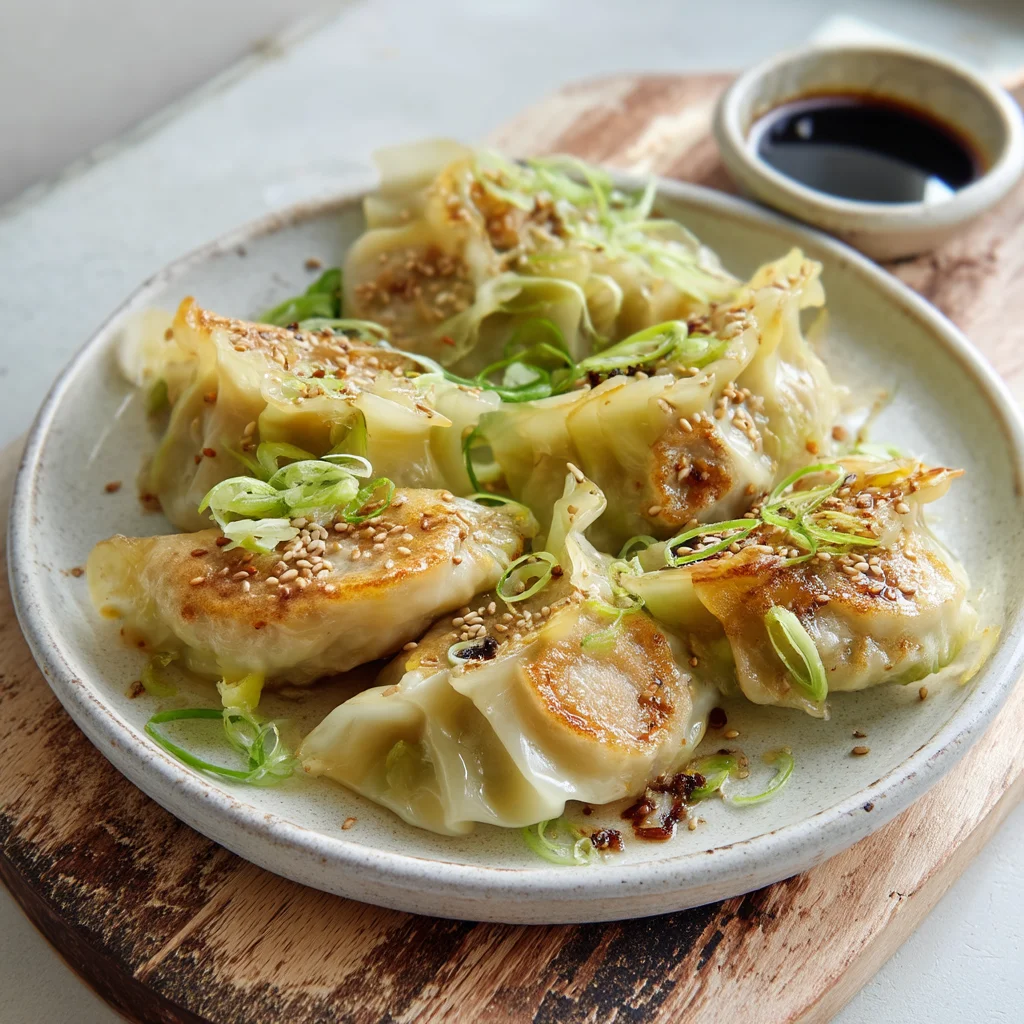
Cabbage Dumplings
Ingredients
Method
- Make the dough: Mix flour and salt in a bowl. Gradually add warm water and oil, kneading until smooth. Cover and rest for 15 minutes.
- Prepare filling: In a skillet, cook pork until browned. Add cabbage, onion, and garlic, cooking until soft. Stir in soy sauce, pepper, and dill. Let cool slightly, then mix in egg.
- Roll dough: On a floured surface, roll dough to 1/8-inch thickness. Cut into 3-inch circles.
- Fill dumplings: Place 1 tbsp filling in center of each circle. Fold and pinch edges to seal tightly.
- Cook: Bring a pot of water to boil. Working in batches, add dumplings and cook until they float (about 3-4 minutes).
- Optional browning: For crispier dumplings, heat oil in a pan and fry cooked dumplings for 2 minutes per side.
- Serve hot with sour cream or melted butter.


