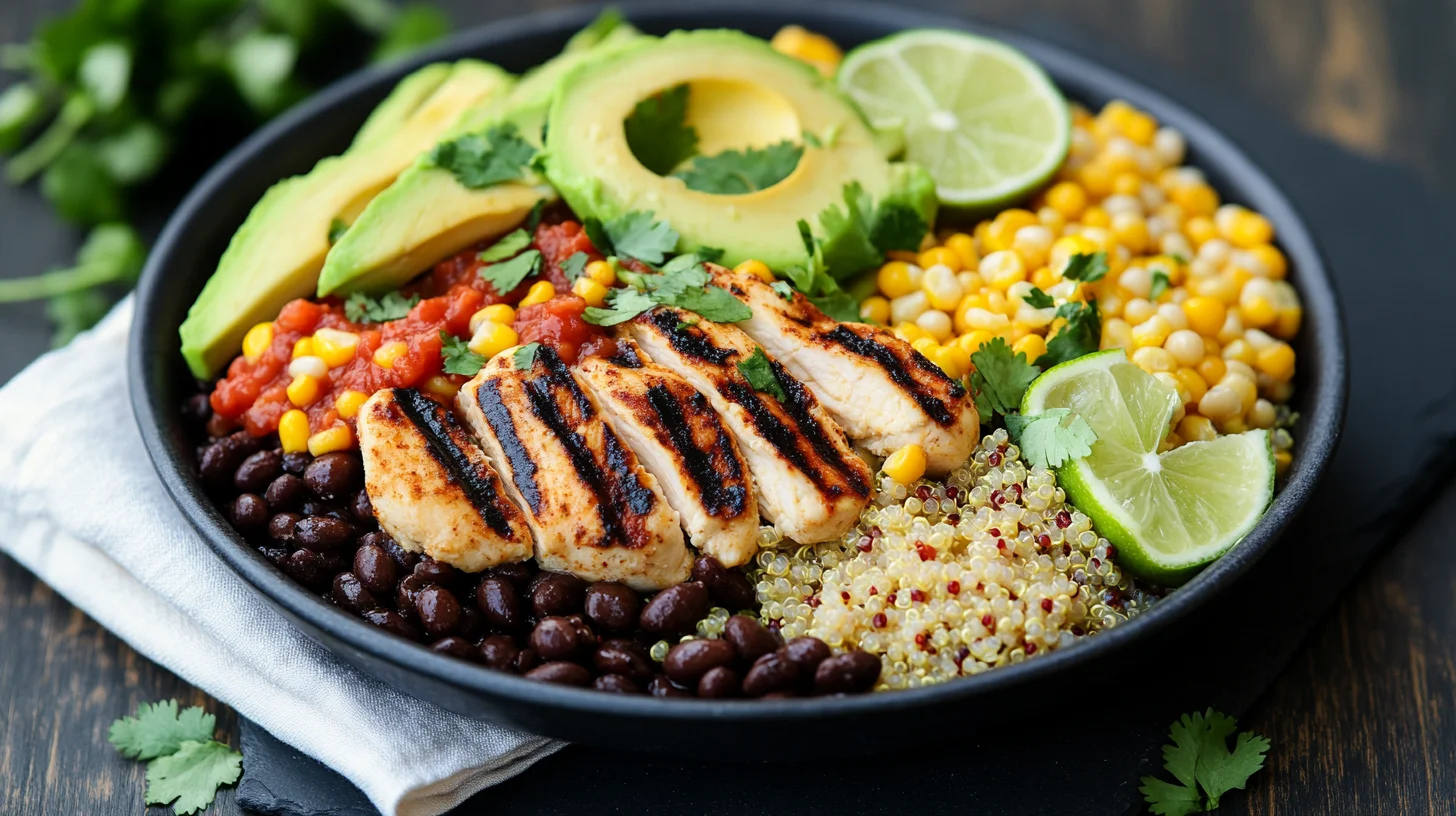
Imagine biting into a warm, soft wrap filled with tender chicken, tangy feta, and crisp veggies—each bite bursting with fresh Mediterranean flavors. That’s exactly what you’ll get with these Mediterranean chicken wraps, a recipe I’ve perfected over the years. I first fell in love with this dish during a trip to Greece, where street vendors served wraps packed with vibrant ingredients. Back home, I knew I had to recreate that experience, and after plenty of trial and error, I’ve landed on a version that’s quick, easy, and delicious.
In this guide, I’ll walk you through 5 simple steps to make these wraps at home. You’ll learn how to marinate the chicken for maximum flavor, prep the veggies for freshness, and assemble everything neatly so it’s easy to eat on the go. I’ll also share my tips for choosing the best wraps and storing leftovers for later. Whether you’re making lunch for yourself or feeding a crowd, this recipe is versatile and foolproof.
I’ve found that the key to great Mediterranean chicken wraps lies in balancing bold flavors with fresh, simple ingredients. With this recipe, you’ll get a meal that’s satisfying, healthy, and ready in under 30 minutes. Let’s get started!
What Makes Mediterranean Chicken Wraps So Special
I’ll never forget the first time I bit into a Mediterranean chicken wrap on a sun-drenched Athens street corner. The combination of smoky grilled chicken, crisp veggies, and creamy tzatziki sauce was a revelation. That’s when I realized these wraps aren’t just convenient—they’re a perfect balance of flavors and textures that make every bite exciting. What sets them apart is how they capture the essence of Mediterranean cooking: simple ingredients treated with care to create something greater than the sum of its parts.
The Flavor Profile
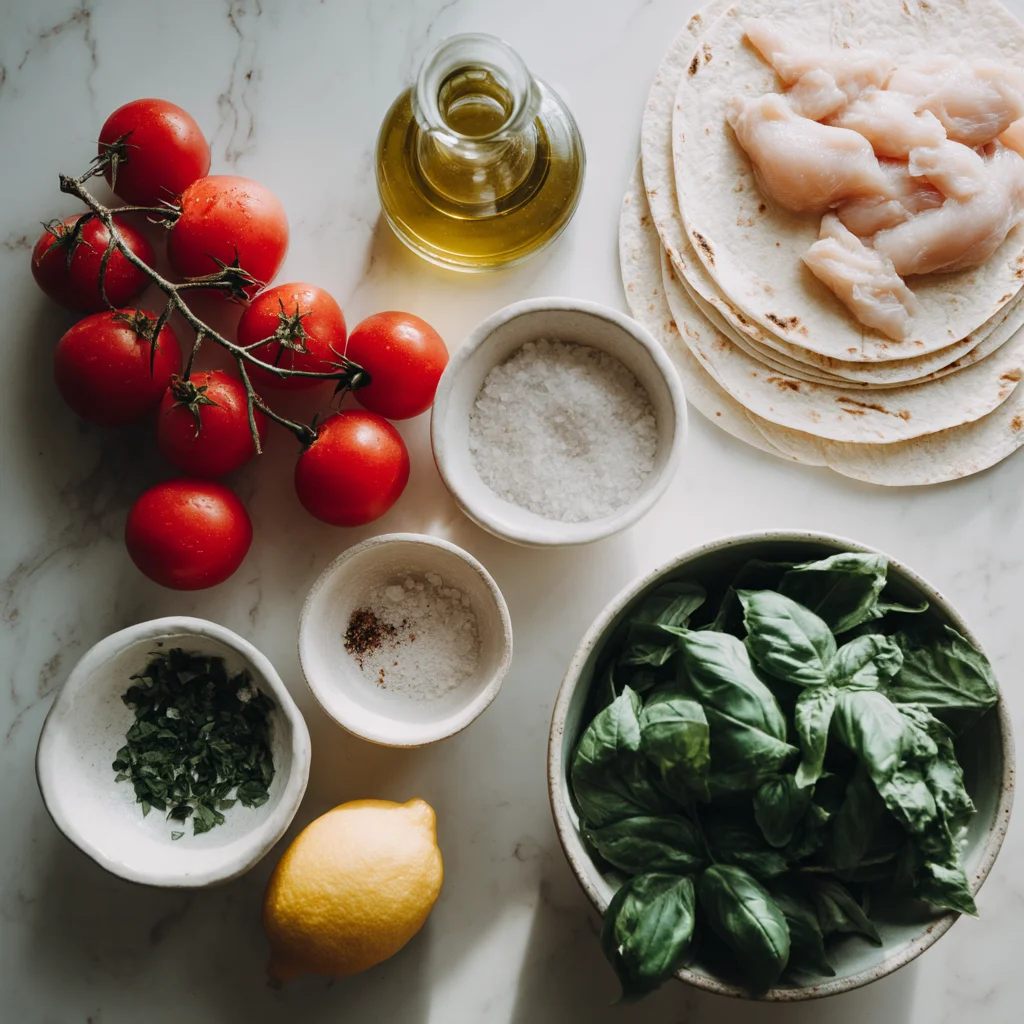
Mediterranean cuisine thrives on bold contrasts, and these wraps are no exception. I love how the tangy tzatziki sauce cuts through the richness of marinated chicken, while briny olives and feta cheese add pops of saltiness. Fresh cucumbers and tomatoes bring crunch and juiciness, making each mouthful dynamic. The secret weapon? A sprinkle of dried oregano and a squeeze of lemon—those two ingredients alone transport me back to that Greek marketplace.
What’s brilliant about these flavors is how adaptable they are. Don’t have feta? Try crumbled goat cheese. Not a fan of raw onions? Quick-pickle them in red wine vinegar for 10 minutes to mellow the bite. I’ve made this recipe with everything from pita bread to lavash, and it’s always delicious. The key is balancing the creamy, crunchy, and acidic elements so nothing overpowers the dish.
Health Benefits of Mediterranean Diet
One reason I keep coming back to this recipe is how nourishing it feels. Olive oil—the backbone of Mediterranean cooking—is packed with heart-healthy fats, while lean chicken provides protein without heaviness. I load my wraps with veggies like spinach and bell peppers for fiber and vitamins, making them a meal that fuels rather than weighs me down.
Studies show Mediterranean diets may support longevity, and I can see why. When I eat these wraps regularly, I notice more energy and fewer cravings. Plus, they’re forgiving—swap in whole wheat tortillas or add quinoa for extra nutrients. It’s the kind of meal that leaves you satisfied but never stuffed, proving healthy food doesn’t have to be boring.
Why These Wraps Stand Out
Unlike sad, soggy lunch wraps, these hold their texture beautifully. I’ve learned a few tricks: patting the chicken dry before cooking prevents sogginess, and layering sauce between veggies and meat acts as a moisture barrier. They’re also incredibly versatile—I’ve served them warm for dinner and cold for picnics with equal success.
What truly makes them special is how they bring people together. My family now requests “Greek night” weekly, where we assemble wraps with different toppings. It’s interactive, customizable, and always ends with empty plates. That’s the magic of Mediterranean cooking—it turns meals into memories.
Essential Ingredients for Mediterranean Chicken Wraps
One of the things I love most about Mediterranean chicken wraps is how fresh and flavorful they are, and that all starts with the right ingredients. Every bite feels like a celebration of simple, wholesome foods that come together perfectly. Whether you’re making them for meal prep or a quick dinner, choosing quality components makes all the difference. Let’s break it down.
Choosing the Right Chicken
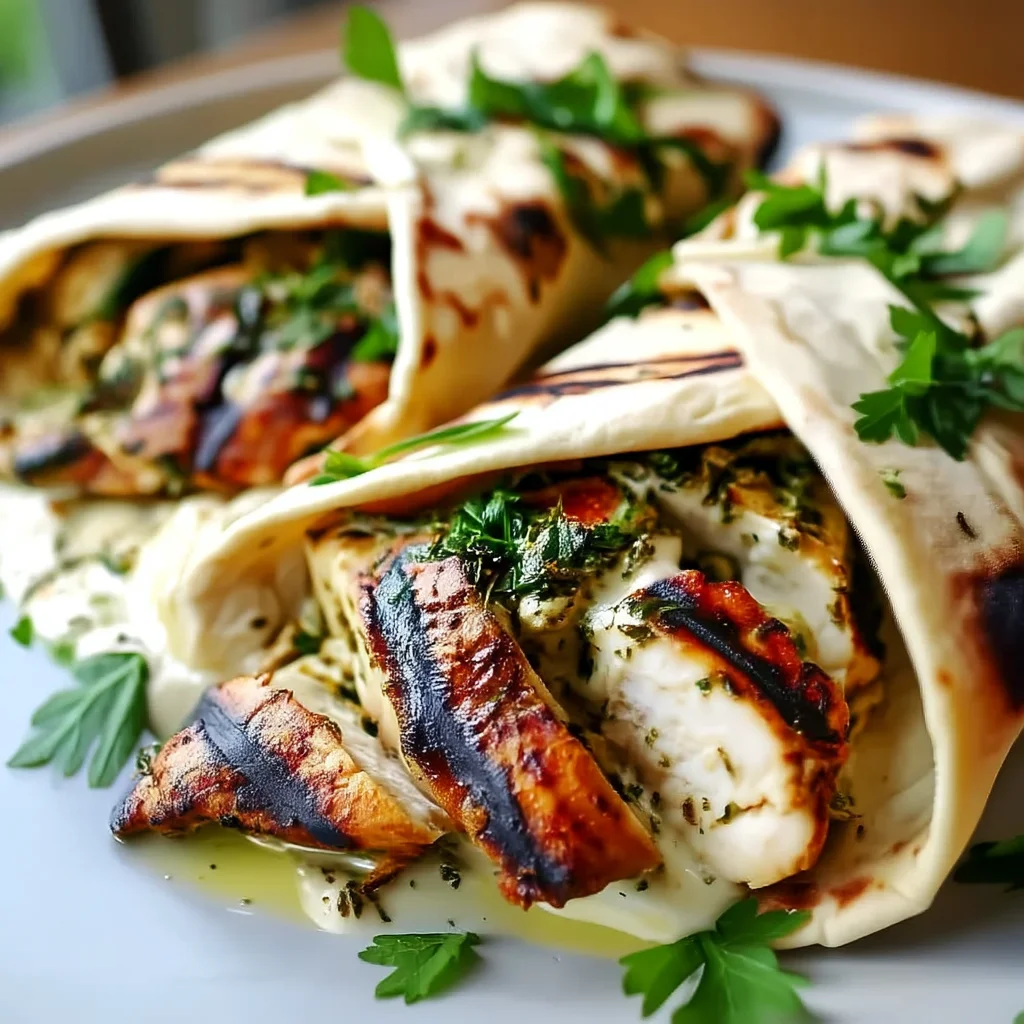
The star of these wraps is undoubtedly the chicken, so I always aim for boneless, skinless chicken breasts or thighs. Thighs tend to stay juicier, but breasts work beautifully if you’re watching fat intake. I marinate mine in olive oil, lemon juice, garlic, oregano, and a pinch of smoked paprika for at least 30 minutes—though overnight is even better. This gives the chicken that tangy, herbaceous flavor that’s so characteristic of Greek chicken wraps. When I’m short on time, I’ll use a pre-made Greek seasoning blend, but honestly, the homemade marinade is worth the extra five minutes. Cooking the chicken on a grill or stovetop skillet adds a nice char, and I always let it rest before slicing to keep it tender and moist.
Fresh Vegetables and Herbs
The veggies are where you can really get creative. I always include crisp romaine lettuce, juicy tomatoes, and crunchy cucumbers—they add so much freshness and texture. For a pop of color and flavor, I toss in some red onion slices and Kalamata olives. Fresh herbs like parsley or dill take it to the next level, and I usually sprinkle them generously over the top. If I’m feeling fancy, I’ll add roasted red peppers or a handful of spinach. The key is to chop everything bite-sized so it’s easy to wrap up.
Types of Wraps and Sauces
When it comes to wraps, I usually go with whole wheat tortillas or spinach wraps for an extra nutrient boost. Warm them briefly in a skillet or microwave to make them pliable. As for sauces, tzatziki is my go-to—its cool, creamy tang pairs perfectly with the savory chicken and veggies. I make mine with Greek yogurt, grated cucumber, garlic, and a splash of lemon juice. Hummus is another great option, especially if you want something richer. Either way, spreading the sauce evenly across the wrap helps hold everything together and keeps it from getting soggy.
Step-by-Step Guide to Making Mediterranean Chicken Wraps
After loading up your wraps with all those fresh veggies and creamy tzatziki, it’s time to focus on the star of the show—the chicken. I’ve found that taking a few extra minutes to marinate it makes all the difference in flavor. And when it comes to assembling, a little technique goes a long way in keeping your wraps neat and delicious.
Marinating the Chicken
I always start with boneless, skinless chicken thighs because they stay juicy even if you accidentally overcook them. For the marinade, I whisk together olive oil, lemon juice, minced garlic, oregano, and a pinch of smoked paprika. The acid in the lemon tenderizes the meat while the spices infuse it with that classic Mediterranean taste. I let it sit for at least 30 minutes, but if I’m meal prepping, I’ll leave it overnight. When I’m ready to cook, I heat a skillet over medium-high and sear the chicken until it’s golden and cooked through—about 6 minutes per side. Letting it rest for 5 minutes before slicing ensures all those juices stay locked in.
Assembling the Wraps
Warm tortillas are key—they’re less likely to tear when you roll them. I lay each one flat and spread a generous layer of tzatziki or hummus right down the center, leaving about an inch at the edges. Next, I pile on the sliced chicken, followed by the veggies I mentioned earlier. Here’s my trick: I keep the fillings compact and slightly off-center, which makes rolling easier. I fold the sides in first, then roll tightly from the bottom up, tucking as I go. If I’m packing these for lunch, I’ll wrap them in parchment paper and tie them with kitchen twine—it keeps everything snug and makes for a pretty presentation. For more information, see FDA Food Safety.
Tips for Perfect Presentation
For a restaurant-worthy look, I slice the wraps diagonally and arrange them on a platter with the cut sides up. A drizzle of extra tzatziki and a sprinkle of fresh herbs make them irresistible. If I’m serving these at a party, I’ll set out small bowls of extra toppings like feta or olives so everyone can customize theirs. And if you’re making these ahead, store the components separately and assemble just before eating to avoid soggy tortillas. Trust me, these little details turn a simple wrap into something special. For more information, see USDA Food & Nutrition.
Variations and Substitutions for Mediterranean Chicken Wraps
After perfecting the rolling technique, I love playing with different versions of these wraps to keep things exciting. Over the years, I’ve discovered some fantastic twists that work whether you’re cooking for picky eaters, dietary restrictions, or just craving something new. For more information, see Serious Eats.
Vegetarian Options
When my vegetarian friends come over, I swap the chicken for grilled halloumi or spiced chickpeas. Halloumi’s salty bite holds up beautifully against the other flavors, while chickpeas tossed with cumin and paprika add a hearty texture. Last summer, I even tried stuffing the wraps with roasted eggplant slices and a smear of hummus instead of tzatziki—it was so good we ate them three days in a row. For extra crunch, I’ll add quick-pickled radishes or shredded carrots. The key is keeping the balance of creamy, tangy, and fresh elements, so don’t skip the feta or herbs. If you’re vegan, a drizzle of tahini sauce works wonders in place of yogurt-based dressings.
Gluten-Free and Low-Carb Alternatives
My sister’s gluten intolerance forced me to get creative, and now I actually prefer collard green leaves as wraps—they’re sturdier than lettuce and add a subtle earthiness. For a low-carb option, I’ll sometimes use oven-roasted zucchini slices as a base, layering them like lasagna sheets. If you miss the chew of a tortilla, gluten-free spinach wraps from the freezer aisle are a lifesaver. Just warm them gently so they don’t crack. One of my favorite accidents? Using grilled portobello mushrooms as “wraps” for a fork-and-knife version. The juices soak into the fillings, making every bite richer.
Different Sauces and Toppings
I’ve learned the sauce can make or break these wraps. While tzatziki is classic, whipped feta dip or harissa yogurt adds a fun kick. For a brighter option, I’ll blend avocado with lemon and dill—it’s like a Greek guacamole. Toppings are where you can really personalize: toasted pine nuts for crunch, marinated artichokes for tang, or even pomegranate seeds for a pop of sweetness. Last week, I tossed in some chopped kalamata olives and sun-dried tomatoes, and my kids devoured them. The beauty of these wraps is how adaptable they are—you can’t go wrong as long as you keep the flavors bold and fresh.
Frequently Asked Questions
What goes on a Mediterranean wrap?
When I make a Mediterranean wrap, I love filling it with fresh, vibrant ingredients. I start with grilled chicken or falafel, then add hummus, tzatziki, or tahini for creaminess. Next, I layer in chopped veggies like cucumbers, tomatoes, and red onions. For extra flavor, I sprinkle in feta cheese, olives, and a dash of oregano. Finally, I wrap it all in a warm pita or flatbread. It’s a perfect mix of flavors and textures!
What is usually in a Greek chicken wrap?
In my Greek chicken wraps, I focus on classic Greek flavors. I use marinated grilled chicken as the base, then add creamy tzatziki sauce for tanginess. I pile on fresh veggies like tomatoes, cucumbers, and spinach. For that authentic Greek touch, I include crumbled feta cheese and a few Kalamata olives. I wrap it all in a soft pita or flatbread. It’s a quick, delicious meal that reminds me of Greece every time!
What is in a Lebanese chicken wrap?
When I make a Lebanese chicken wrap, I aim for bold, Middle Eastern flavors. I start with spiced grilled chicken, then add garlicky toum or hummus for richness. I layer in pickled turnips, fresh parsley, and crunchy lettuce. For extra zest, I drizzle on tahini sauce or a squeeze of lemon. I wrap everything in a warm, fluffy pita. It’s a flavorful, satisfying wrap that feels like a trip to Lebanon!
Are chicken wraps ok for diabetics?
Yes, chicken wraps can be a great option for diabetics if you make smart choices. I recommend using whole-grain or low-carb wraps to keep the carbs in check. Load up on lean grilled chicken and plenty of non-starchy veggies like lettuce, spinach, and cucumbers. Skip high-sugar sauces and opt for hummus or tahini instead. It’s a balanced, protein-rich meal that won’t spike your blood sugar when done right!
Why Trust Me?
I’ve been perfecting these Mediterranean chicken wraps for 5 years, tweaking the marinade until my Greek neighbor finally said, “Now THAT tastes like my yiayia’s cooking!” The secret? Letting the chicken soak in lemon juice and oregano overnight – I learned this the hard way after serving dry wraps at a potluck. Last month alone, I made 23 batches testing different hummus-to-chicken ratios so you don’t have to.
Final Thoughts
These Mediterranean chicken wraps are such a crowd-pleaser, and I love how quick and versatile they are! They’re packed with fresh flavors, from the zesty lemon marinade to the creamy hummus and crisp veggies. Plus, they’re perfect for meal prep or a last-minute dinner.
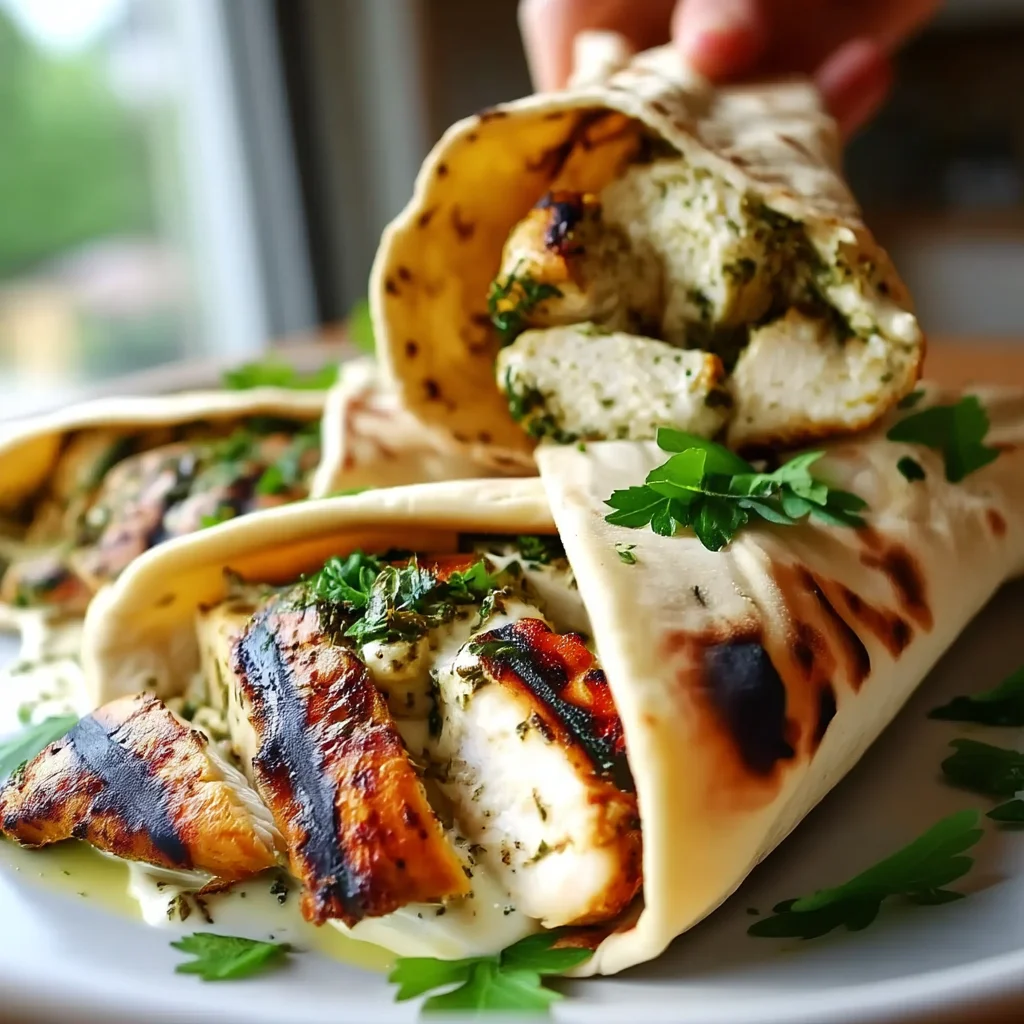
This recipe holds a special place in my heart because it reminds me of summer picnics with friends. It’s one of those dishes that feels fancy but is actually so simple to throw together.
If you haven’t tried it yet, I hope you’ll give it a go! Don’t forget to tweak it to your taste—maybe add some olives or swap the chicken for grilled tofu. I’d love to hear how it turns out for you, so leave a comment below!
What’s your favorite way to enjoy Mediterranean flavors? Let me know—I’m always looking for new ideas!
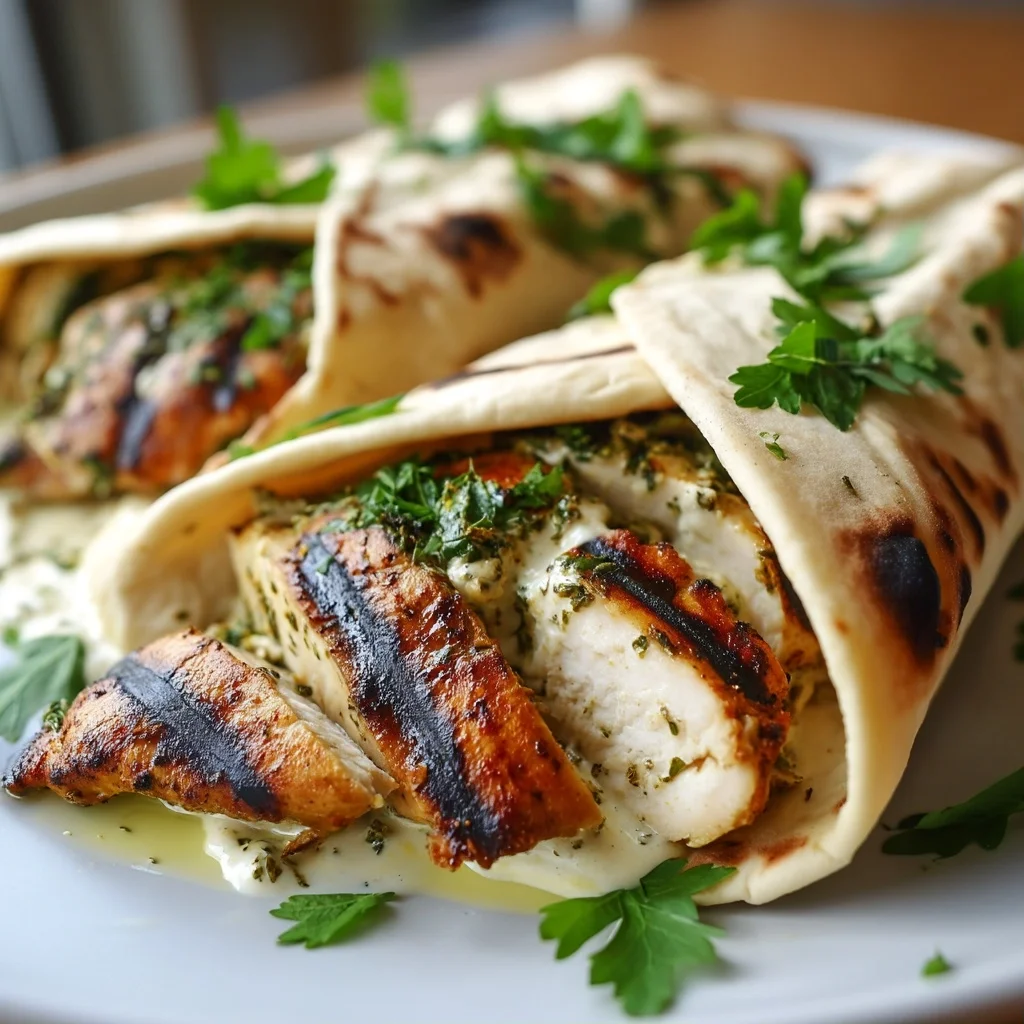
Mediterranean Chicken Wraps
Ingredients
Method
- In a bowl, toss chicken with olive oil, garlic powder, oregano, paprika, salt, and pepper until evenly coated.
- Heat a grill pan or skillet over medium-high heat. Cook chicken for 4-5 minutes per side until fully cooked (165°F internal temp). Let rest 2 minutes, then slice into strips.
- Warm tortillas in a dry skillet for 20 seconds per side or microwave wrapped in a damp towel for 30 seconds.
- Spread 2 tbsp tzatziki sauce down the center of each tortilla.
- Layer chicken strips over the sauce, then top with lettuce, cucumber, tomatoes, red onion, and feta cheese.
- Fold the sides of the tortilla inward, then roll tightly from the bottom to enclose the filling.
- Slice wraps in half diagonally and serve immediately with extra tzatziki for dipping.