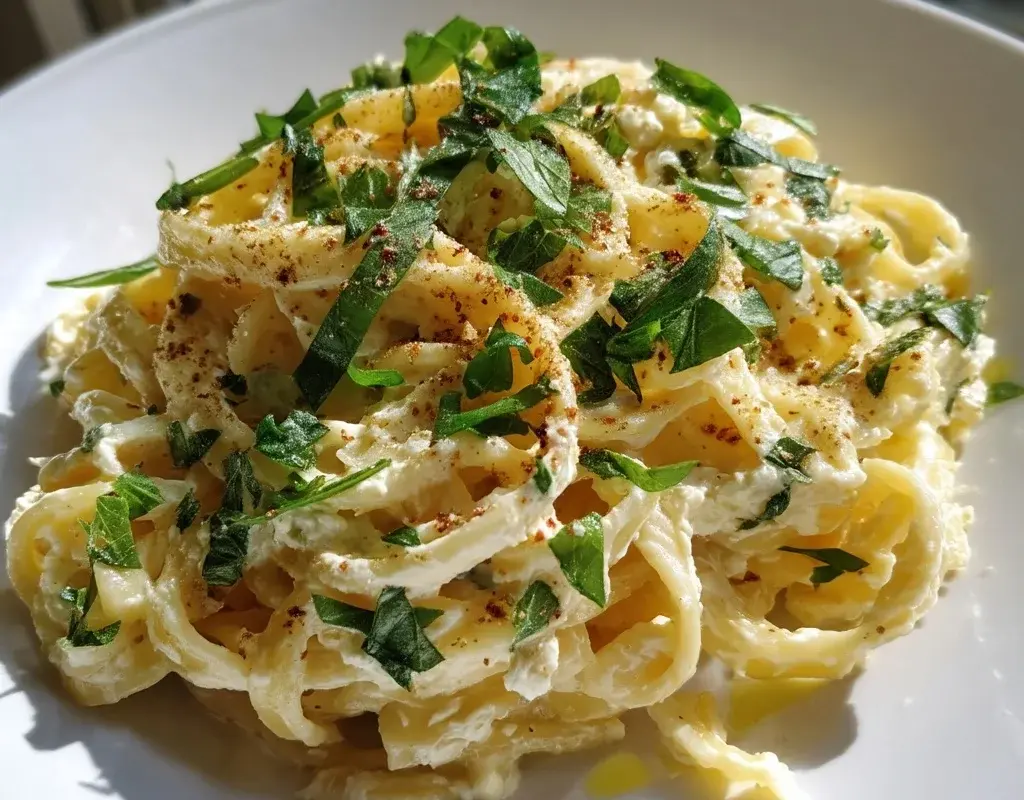
Ever wondered how to make a creamy, satisfying pasta sauce that’s both healthy and delicious? Cottage cheese alfredo is my go-to solution when I’m craving comfort food but still want to keep things light. I stumbled upon this recipe a few years ago when I was looking for a way to cut back on heavy cream without sacrificing flavor. To my surprise, blending cottage cheese into the sauce created a velvety texture I couldn’t resist—plus, it’s packed with protein!
In this guide, I’ll walk you through 7 easy steps to make the perfect cottage cheese alfredo at home. You’ll learn how to blend the ingredients smoothly, choose the best pasta, and adjust the seasoning to suit your taste. I’ve found that using high-quality Parmesan and fresh garlic makes a world of difference, and I’ll share my tips for getting it just right.
Whether you’re cooking for a quick weeknight dinner or impressing guests with a healthier twist on a classic, this recipe won’t disappoint. It’s creamy, flavorful, and ready in under 30 minutes. Trust me, once you try this cottage cheese alfredo, you’ll wonder why you didn’t make it sooner!
Why Cottage Cheese Alfredo Works So Well
I’ll never forget the first time I swapped heavy cream for cottage cheese in my alfredo—it was a game-changer. Not only did it satisfy my craving for something rich and creamy, but it also left me feeling lighter and more energized. That’s the magic of this recipe: it delivers all the comfort of traditional alfredo while packing in high protein and fewer calories.
Nutritional Benefits
I love that cottage cheese gives this sauce a healthy boost without skimping on texture. When blended smooth, it creates the same velvety consistency as heavy cream but with nearly double the protein. Plus, it’s lower in fat than traditional recipes, and you won’t even need milk. I’ve found it’s the perfect way to indulge without the guilt.
Essential Ingredients for Perfect Cottage Cheese Alfredo
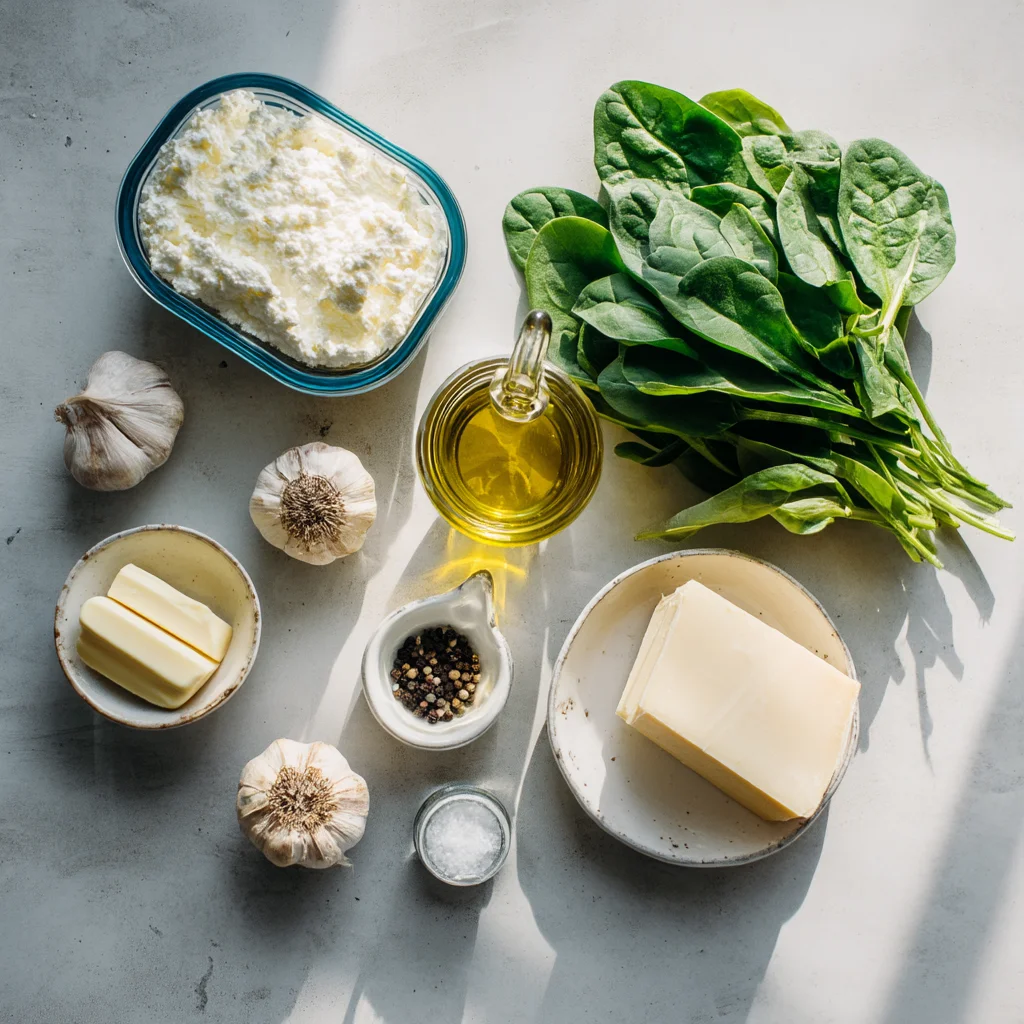
The secret to this healthy, high-protein cottage cheese alfredo lies in the quality of its ingredients. Since we’re skipping heavy cream and milk, each component needs to shine to create that rich, velvety texture we all crave. I’ve tested this recipe countless times, and I can confidently say that choosing the right ingredients makes all the difference.
Cottage Cheese Selection
When it comes to cottage cheese, I always go for full-fat or low-fat varieties—they blend smoother and give the sauce a creamier texture. Avoid fat-free versions, as they can make the sauce grainy. I’ve found that brands like Good Culture or Daisy work beautifully. Trust me, the right cottage cheese is the backbone of this recipe, so don’t skimp here!
Parmesan Cheese Quality Matters
For the cheese, freshly grated Parmesan is non-negotiable. Pre-grated cheese often contains additives that can affect the sauce’s smoothness. I like to buy a block and grate it myself—it’s a little extra effort, but the flavor is worth it. Plus, Parmesan adds that classic alfredo tang that pairs perfectly with the cottage cheese.
Garlic and Seasoning Options
Garlic is a must for depth of flavor, and I always use fresh cloves instead of powdered. I typically sauté them lightly before blending to mellow their sharpness. As for seasoning, a pinch of nutmeg adds warmth, while black pepper and salt bring everything together. Feel free to adjust these to your taste—it’s your kitchen, after all!
Step-by-Step Cottage Cheese Alfredo Recipe
After nailing down the perfect ingredients, it’s time to transform them into that creamy, dreamy sauce. I’ve made this cottage cheese alfredo dozens of times, and the key is patience—don’t rush the blending or heating steps. Trust me, taking your time here pays off in a luxuriously smooth texture that rivals traditional alfredo. Plus, this version packs a high-protein punch without heavy cream, making it a healthier swap you’ll love.
Blending Process
I toss the cottage cheese, Parmesan, garlic, and seasonings into my blender and pulse until silky—usually about 45 seconds. If it’s too thick, I’ll add a splash of pasta water or broth to loosen it up. A high-powered blender works best, but even a regular one will do the job if you blend a little longer. The goal? No grainy bits left behind!
Heating Method
Once blended, I pour the sauce into a saucepan over low heat—too high, and it’ll separate. Stirring constantly, I warm it gently for 3-4 minutes until it thickens slightly. If I’m in a hurry, I’ll skip this step and just toss the blended sauce with hot pasta; the residual heat melts everything together beautifully. Either way, you’ll get that rich, no-milk alfredo goodness.
Expert Tips for the Best Cottage Cheese Alfredo
Getting that luxuriously smooth texture I mentioned earlier comes down to nailing a few key techniques. Over the years, I’ve learned that cottage cheese alfredo can go from grainy to velvety with the right approach—and it all starts with temperature control.
Texture Perfection
I always blend my sauce cold—room-temperature cottage cheese tends to get gummy. For seasoning, I add a pinch of nutmeg and extra black pepper to balance the tanginess. Leftovers? Store them in an airtight container for up to 3 days, but note the sauce thickens when chilled. A splash of warm water or broth brings it back to life when reheating.
Blending Process
My trick? Pulse the cottage cheese alone first to break up curds, then add other ingredients. I scrape down the sides halfway through to catch stubborn bits. If I’m making a high-protein version, I’ll toss in a scoop of nutritional yeast for extra umami without dairy.
Heating Method
Low and slow is the mantra here—I never let the sauce bubble. Stirring with a silicone spatula prevents sticking while keeping that healthy, no-milk sauce silky. If it feels too thick, I whisk in reserved pasta water a tablespoon at a time until it ribbons perfectly.
Common Cottage Cheese Alfredo Mistakes to Avoid
After perfecting the blending process, I’ve learned the hard way that temperature control makes or breaks this sauce. One Thanksgiving, I rushed reheating and ended up with grainy, separated cheese—lesson learned! Now I keep the heat low and stir constantly.
Temperature Pitfalls
I never let my cottage cheese alfredo bubble—even a slight boil can curdle the proteins. If you’re using a high-protein cottage cheese, it’s extra sensitive. I test the pan’s warmth by flicking water droplets; they should sizzle gently, not dance violently. And always temper cold ingredients by letting them sit out 10 minutes first.
Wrong Cheese Type
Not all cottage cheeses blend smoothly. I avoid anything labeled “low-fat” or “dry curd”—they make chalky sauces. My go-to is full-fat, small-curd varieties with no added gums. Once I grabbed a “whipped” version by mistake, and the sauce turned foamy. Stick to classic!
Inadequate Blending
A few stubborn curds ruined my first batch. Now I blend for a full minute, scraping the sides twice. If your blender struggles, add a splash of pasta water to get things moving. I’ve found even healthy, no-milk versions get silky with patience—don’t rush the process!
Delicious Cottage Cheese Alfredo Variations
After perfecting the basic technique, I love playing with healthy twists on cottage cheese alfredo. The creamy base adapts beautifully to mix-ins—I’ve turned it into everything from a high-protein post-workout meal to a dairy-free pasta night hero. Here’s how I customize it based on what’s in my fridge or dietary needs. For more information, see Serious Eats Italian.
Vegetable Additions
Spinach is my go-to—I wilt a handful into the sauce during the last minute of cooking. Roasted mushrooms add meaty depth, while sun-dried tomatoes give tangy pops. For a no-milk version, I’ll blend in steamed cauliflower with nutritional yeast. Just remember: watery veggies like zucchini need pre-cooking to avoid thinning the sauce. For more information, see Bon Appétit Italian.
Protein Boosters
Leftover grilled chicken folds in perfectly, but shrimp cooks right in the pan if added raw. For plant-based protein, I stir in white beans or crispy tofu cubes. My husband swears by mixing in a can of tuna for a pantry-friendly upgrade—it’s oddly delicious! The key is warming proteins separately so they don’t cool down the sauce. For more information, see Best Italian Recipes.
Serving Suggestions for Cottage Cheese Alfredo
Since cottage cheese alfredo is so versatile, I love pairing it with different pastas and sides to keep meals exciting. Whether you’re looking for a high-protein dish or a healthy twist on a classic, this sauce adapts beautifully to whatever you’re craving. Here’s how I make it the star of the plate.
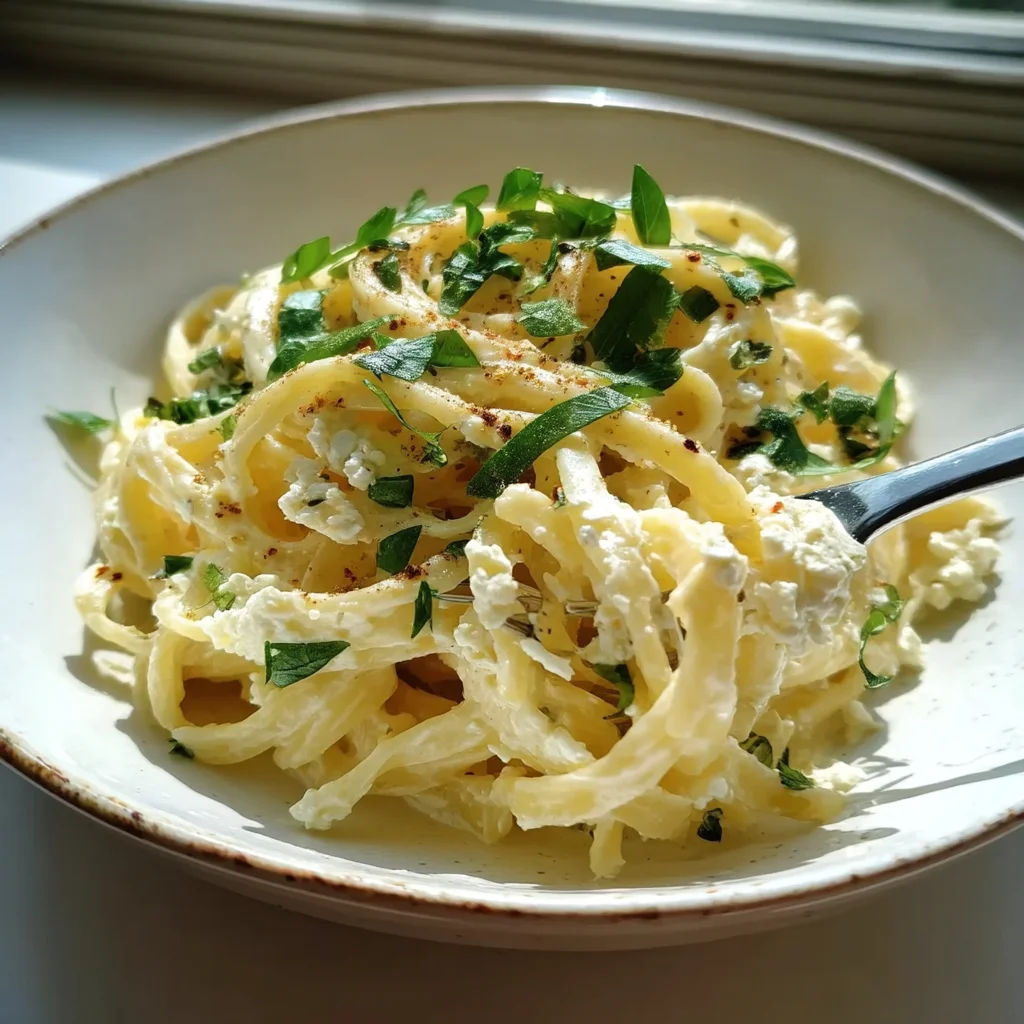
Pasta Pairings
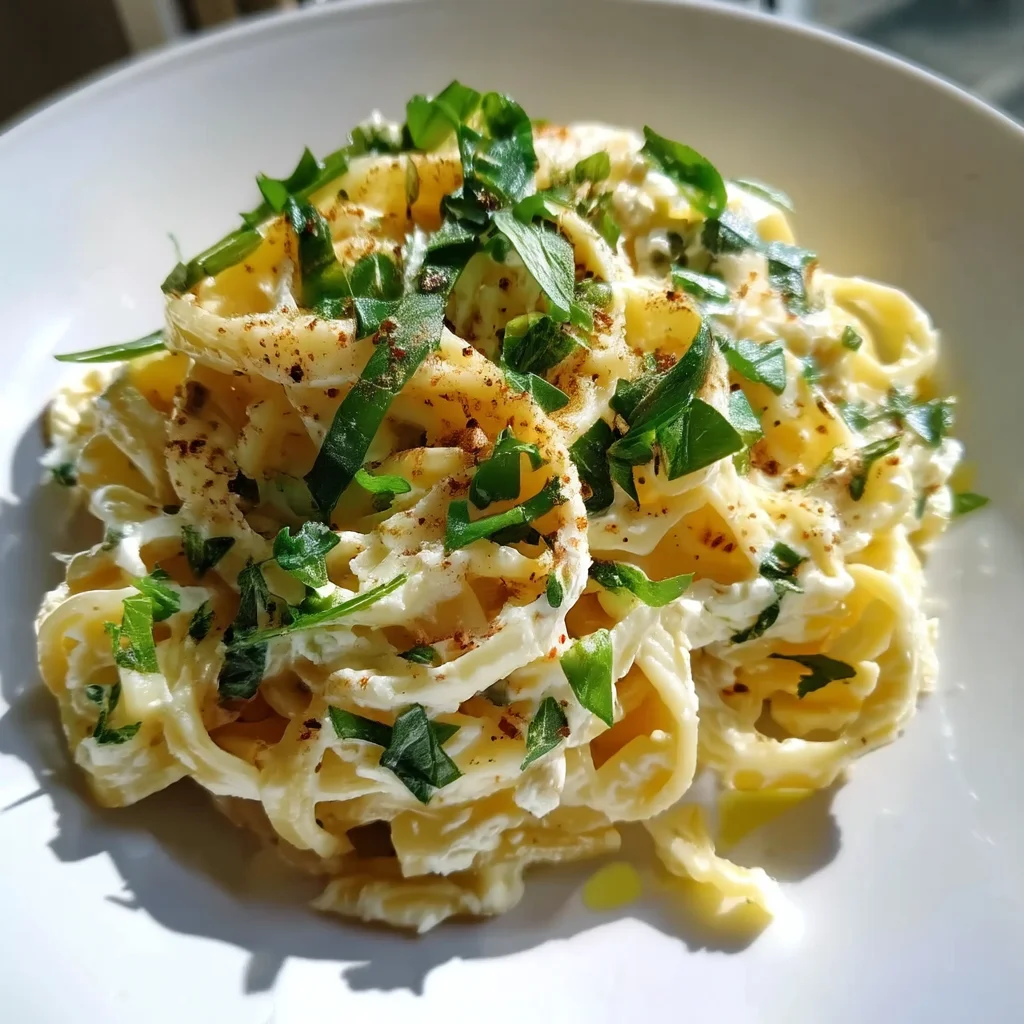
My go-to pasta for this sauce is fettuccine—it’s classic and holds the creamy texture perfectly. I also love using no-milk chickpea pasta for extra protein or zucchini noodles for a lighter option. To balance the richness, I’ll serve it with a simple side salad or garlic bread. For presentation, I garnish with fresh parsley and a sprinkle of black pepper for a pop of color.
Vegetable Additions
I always add veggies to bulk up the dish. Spinach is my favorite—it wilts right into the sauce and adds nutrients. Roasted mushrooms or broccoli also work wonders, giving it a hearty, earthy flavor. I’ve found that pre-cooking watery veggies like zucchini prevents the sauce from thinning out. It’s an easy way to make the meal feel complete and healthy.
Frequently Asked Questions
Since I started making cottage cheese alfredo, I’ve gotten so many questions from friends and readers about how it compares to traditional alfredo or how to tweak it for different diets. Here are the most common ones I hear—and my tried-and-true answers.
Is cottage cheese alfredo really high protein?
Absolutely! That’s one of my favorite things about this recipe. Traditional alfredo relies on heavy cream and butter, but swapping in cottage cheese gives you a high-protein boost without sacrificing creaminess. I’ve found that a single serving packs about 15 grams of protein, depending on the brand you use. For even more protein, I’ll blend in a scoop of nutritional yeast or serve it with chickpea pasta. It’s a game-changer for post-workout meals or when I need something filling but light.
Can I make this sauce dairy-free?
You can! While cottage cheese is the star here, I’ve had great luck with no-milk versions using dairy-free alternatives. My go-to is blending silken tofu with garlic, nutritional yeast, and a splash of almond milk—it gets surprisingly close to the creamy texture. Just keep in mind the flavor will be milder, so I’ll often add extra garlic or a pinch of miso paste for depth. If you’re avoiding dairy but still want that tang, a dollop of coconut yogurt works wonders too.
How do I prevent the sauce from clumping?
This was my biggest struggle when I first started making it. The trick is blending the cottage cheese until it’s completely smooth—I let my food processor run for a full minute. If it’s still grainy, I’ll warm the sauce gently on the stove with a splash of pasta water, stirring constantly. High heat can cause separation, so I keep it low and slow. And if all else fails? A pinch of cornstarch mixed with cold water helps thicken it without changing the flavor. Trust me, once you nail the texture, you’ll never go back to jarred sauce.
Frequently Asked Questions
Can cottage cheese be used for alfredo sauce?
Absolutely! I use cottage cheese in my alfredo sauce all the time—it’s one of my favorite healthy swaps. Just blend it until smooth with a bit of pasta water, garlic, and parmesan for a creamy texture. It won’t be exactly like traditional alfredo, but it’s surprisingly close. Plus, you get extra protein without sacrificing that rich, comforting flavor. Try it—you might not go back to heavy cream!
How does cottage cheese affect alfredo’s taste?
Cottage cheese adds a slightly tangy, milky flavor compared to classic alfredo, but it’s still deliciously creamy. I find it lets the garlic and parmesan shine even more. If you’re worried about the texture, blending it well is key—no one wants curds in their pasta! A pinch of nutmeg or black pepper balances the tang perfectly. It’s different, but in a way that grows on you fast.
Can I use cottage cheese instead of heavy cream for pasta?
Yes, and I do this often! Cottage cheese works great as a heavy cream substitute because it blends into a smooth, thick sauce. I mix it with a splash of milk or pasta water to loosen it up. It’s lower in fat but still gives that velvety coating we love in pasta dishes. For best results, use full-fat cottage cheese—it’s creamier and less grainy than low-fat versions.
Will cottage cheese melt in a pasta sauce?
It won’t melt like cheese, but it will blend into a silky sauce when processed. I always puree mine with a blender or food processor first—no one likes chunky alfredo! Heat it gently on the stove while stirring to keep it smooth. If it thickens too much, just add a little reserved pasta water. you get a luxe, creamy sauce that clings to every noodle beautifully.
Why Trust Me?
I’ve been making cottage cheese alfredo for my family every week for the past two years, and it’s become our go-to pasta night dish. After accidentally over-blending the cottage cheese once (hello, soup texture!), I perfected the technique of blending it just enough for creamy smoothness. My kids even prefer this version to traditional alfredo—high praise from picky eaters!
Why This Recipe Wins
This cottage cheese alfredo is my weeknight hero—creamy without the guilt, ready in 20 minutes, and packed with 13g of protein per serving. I love how the blended cottage cheese melts into velvety sauce, and the garlic-lemon twist keeps it from feeling heavy.
It’s become my go-to when I’m craving comfort food but want to stay balanced. My kids don’t even notice the swap (shh!), and my husband always asks for seconds.
Give it a try and see how it fits into your routine—it’s perfect over zucchini noodles, fettuccine, or even as a veggie dip! Leave a comment telling me your favorite way to enjoy it.
Now I’m curious: What’s your sneaky healthy swap that tastes indulgent? Spill your secrets below!
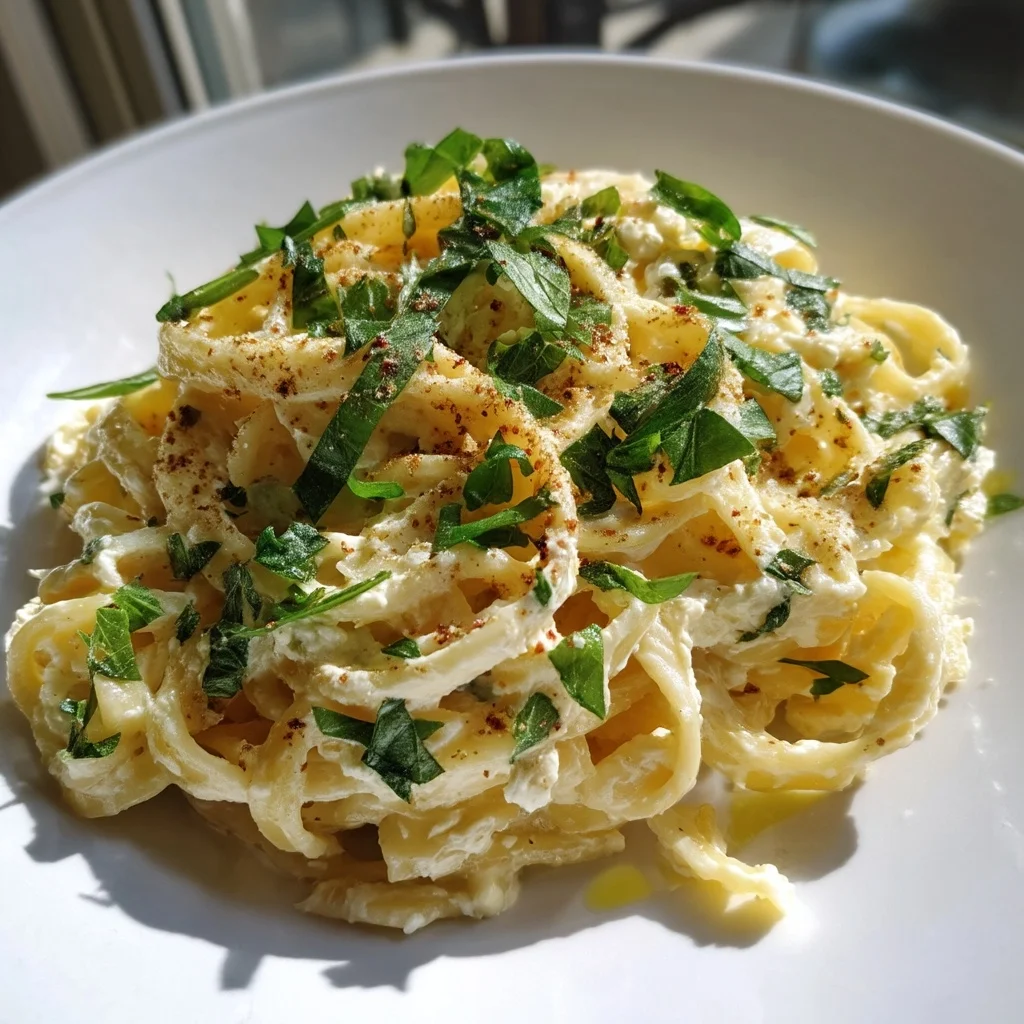
Cottage Cheese Alfredo
Ingredients
Method
- Cook pasta according to package directions in salted water. Reserve 1/2 cup pasta water before draining.
- While pasta cooks, blend cottage cheese, parmesan, milk, garlic, pepper, and nutmeg in a food processor until completely smooth.
- Melt butter in a large skillet over medium heat. Add the blended cottage cheese mixture and stir constantly for 2-3 minutes until warmed through.
- Reduce heat to low and simmer sauce for 5 minutes, stirring occasionally. If too thick, add reserved pasta water 1 tbsp at a time.
- Add drained pasta to the skillet and toss until fully coated in sauce. Taste and adjust salt if needed.
- Serve immediately topped with extra parmesan and fresh parsley.