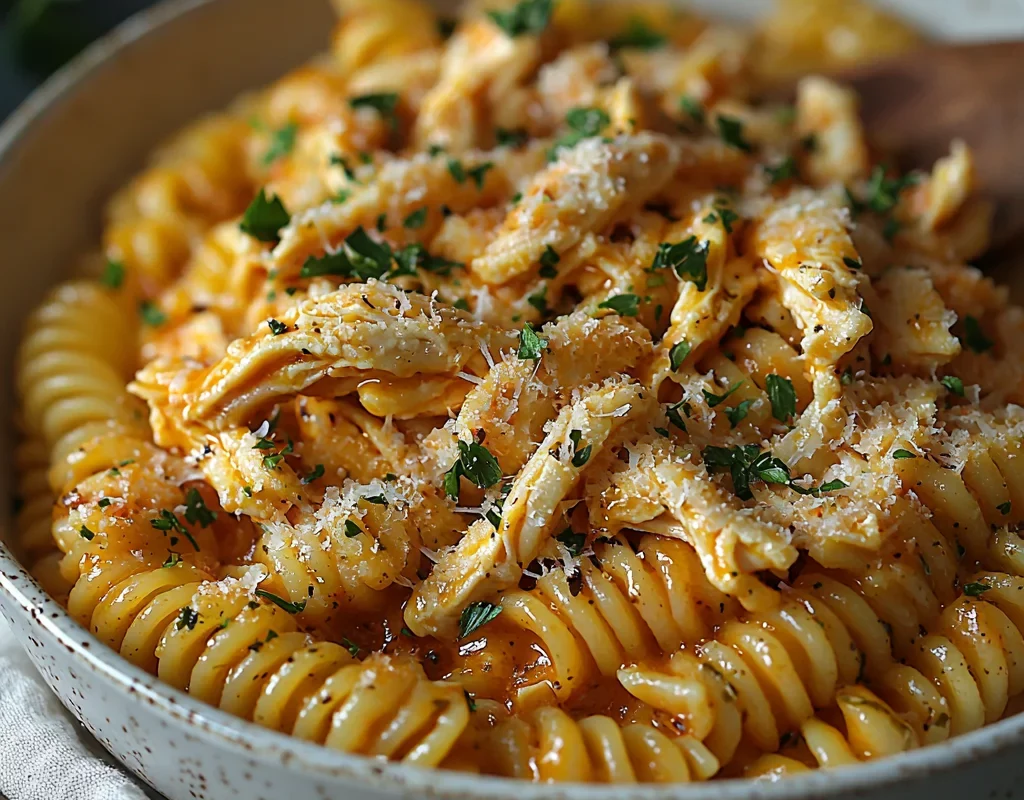
The moment you twirl that first forkful of high protein pasta recipe, you’ll understand why this dish became my weekly staple. I still remember the skeptical look on my husband’s face when I swapped regular noodles for protein-packed alternatives – until he took one bite and immediately asked for seconds. Now it’s our go-to meal for busy weeknights when we want something satisfying and nutritious.
What makes this high protein pasta recipe work when others fall flat? After testing dozens of variations, I’ve cracked the code. You’ll learn how to choose the right pasta (hint: not all protein noodles are created equal), build a flavorful sauce that complements rather than masks the ingredients, and boost the protein content without turning your dish into a chalky mess. I’ll share my favorite combos – like chickpea pasta with turkey sausage, or lentil penne with a creamy Greek yogurt sauce – that deliver at least 30g of protein per serving.
The best part? These techniques don’t need fancy ingredients or extra time. I’ve streamlined the process so you can make a killer high protein pasta in about 20 minutes flat. Whether you’re meal prepping, feeding hungry athletes, or just craving something hearty, these recipes will keep you full for hours. Let’s get cooking!
What Is High Protein Pasta?
When I first tried high protein pasta, I was skeptical. If you enjoyed this, you might also like High Protein Chicken Burrito Bowl. Would it taste like cardboard? Turns out, it’s a game-changer for anyone looking to pack more nutrition into their meals without sacrificing flavor. Unlike regular pasta made from refined wheat, high protein pasta uses ingredients like chickpeas, lentils, or edamame to boost the protein content. In fact, a typical serving can deliver up to 20-25 grams of protein, compared to just 7-8 grams in traditional pasta. Plus, it’s often higher in fiber and lower in carbs, making it a smart choice for weight loss or meal prep.
One of my favorite things about high protein pasta is how versatile it is. Whether you’re vegetarian or just trying to eat cleaner, there’s a version for everyone. I’ve found that chickpea pasta works beautifully in hearty sauces, while lentil noodles hold up perfectly in a light olive oil-based dish. It’s become a staple in my kitchen, especially when I need something quick but nutritious.
Why Choose High Protein Pasta?
I started using high protein pasta because I wanted meals that kept me full longer without feeling heavy. Regular pasta often left me crashing an hour later, but with high protein options, I noticed a steady energy boost. Plus, it’s packed with essential amino acids, which are crucial for muscle repair and recovery. If you’re active or just trying to stay healthy, it’s a no-brainer.
Another reason I love it? It’s incredibly easy to cook. In my experience, high protein pasta cooks just as quickly as regular pasta, usually in about 8-10 minutes. It pairs well with everything from marinara sauce to pesto, and you can add extra protein sources like grilled chicken or tofu for an even bigger boost. Whether you’re a fitness enthusiast or just looking for a healthier alternative, high protein pasta is worth trying.
Why High Protein Pasta Works
Since I started making high protein pasta a regular part of my meals, I’ve noticed how much better I feel throughout the day. If you enjoyed this, you might also like Protein Banana Pancakes. Unlike regular pasta, which can leave me sluggish, this version keeps me energized and satisfied for hours. It’s become my go-to for weight loss and meal prep, especially when I’m juggling a busy schedule. Plus, it’s incredibly versatile—whether I’m cooking a quick dinner or prepping lunches for the week, it always hits the spot.

Nutritional Breakdown
What makes high protein pasta so effective? For starters, it’s packed with essential amino acids, which are crucial for muscle repair and recovery. I’ve found it’s especially helpful after a workout when my body needs fuel to rebuild. It’s also lower in carbs compared to traditional pasta, which helps stabilize blood sugar levels. For anyone looking to manage their weight or stay fuller longer, it’s a game-changer. Plus, it’s a great option for vegetarians who want to up their protein intake without relying solely on meat.
Impact on Metabolism
One thing I’ve learned is that protein has a higher thermic effect than carbs or fats, meaning your body burns more calories digesting it. This makes high protein pasta a smart choice for boosting metabolism. I’ve noticed it helps me feel more alert and less prone to cravings throughout the day. Whether I’m pairing it with veggies or adding a lean protein source like tofu, it’s become a staple in my kitchen for staying on track with my health goals.
Ingredients for High Protein Pasta
Since we’ve talked about how high protein pasta supports metabolism and keeps you full, let’s break down what actually goes into making it. If you enjoyed this, you might also like Chicken Avocado Protein Salad. I’ve experimented with dozens of combinations, and the right ingredients make all the difference between a bland bowl and something truly satisfying.

Best Pasta Choices
When I’m craving pasta but want to stay on track, I reach for lentil pasta or chickpea pasta—they pack 20-25g of protein per serving, which is way more than traditional wheat pasta. Edamame pasta is another favorite of mine, though it has a stronger flavor, so I pair it with bold sauces. For a milder option, black bean pasta blends seamlessly into dishes while still delivering that protein punch.
Protein-Rich Add-Ins
I always bulk up my pasta with extras like grilled chicken, shrimp, or tofu for vegetarians. A handful of nutritional yeast adds a cheesy flavor and extra protein, while Greek yogurt makes sauces creamier and higher in protein. Don’t forget veggies like spinach or roasted broccoli—they add fiber and nutrients without weighing you down. A drizzle of olive oil or avocado slices brings healthy fats that keep you satisfied longer, perfect for meal prep or weight loss goals.
Step-by-Step Guide to High Protein Pasta
Since we’ve covered the best pasta and add-ins, let’s get cooking! I start by boiling my lentil pasta in well-salted water—it needs about 7-9 minutes, but I taste-test at 6 minutes to avoid mushiness. While that cooks, I sauté garlic in olive oil until fragrant, then toss in grilled chicken or tofu cubes for extra protein. For vegetarians, I’ll stir in a scoop of nutritional yeast for a cheesy kick. Once the pasta’s al dente, I reserve a cup of starchy water before draining—it’s my secret for silky sauces.
Cooking Tips
I’ve learned that high-protein pasta sticks more than regular pasta, so I stir it constantly during the first 2 minutes of boiling. For weight loss-friendly meals, I swap heavy cream for Greek yogurt in sauces—it thickens beautifully and adds 10g of protein per half-cup. If I’m meal prepping, I undercook the pasta by a minute since it softens when reheated. Always finish with a squeeze of lemon to brighten earthy flavors, especially with chickpea pasta.
Serving Suggestions
I love topping my bowl with avocado slices and chili flakes for crunch and heat. For a complete meal, I’ll add roasted veggies like Brussels sprouts or zucchini—they pair perfectly with the pasta’s nutty taste. Leftovers keep for 3 days, but I’ll often double the recipe since it reheats so well for quick lunches.
Expert Tips for Success
Reserving that starchy pasta water isn’t just a trick—it’s a game-changer for creating silky, protein-packed sauces. Over the years, I’ve picked up a few more secrets that make this dish shine, whether you’re aiming for weight loss, vegetarian meals, or easy meal prep. For more information, see Serious Eats Italian.
Seasoning Secrets
I always season my pasta water generously with salt—it’s the foundation of flavor. For high-protein pasta, I find that adding garlic powder or onion powder to the boiling water infuses the noodles with depth. Once cooked, I’ll toss the pasta with a drizzle of olive oil and a pinch of red pepper flakes for warmth. Don’t forget fresh herbs! A handful of basil or parsley brightens everything, especially with chickpea or lentil pasta. For more information, see Bon Appétit Italian.
Cooking Tips
High-protein pasta can be tricky—it sticks more than traditional noodles, so I stir constantly during the first two minutes of boiling. To keep it al dente, I set a timer for 1 minute less than the package suggests. For creamy sauces, I swap heavy cream for Greek yogurt—it adds richness and extra protein. If I’m meal prepping, I undercook the pasta slightly so it holds up when reheated. A squeeze of lemon at the end balances earthy flavors beautifully. For more information, see Best Italian Recipes.
Common Mistakes to Avoid
Getting the flavors right is just half the battle—I’ve ruined more high-protein pasta dishes than I’d care to admit by making simple errors. The good news? These mistakes are easy to fix once you know what to watch for.
Avoid Overcooking
I learned the hard way that high-protein pasta turns gummy fast. Unlike regular noodles, chickpea or lentil pasta needs constant attention—I set a timer for 2 minutes less than the package says. Last week, I got distracted and ended up with mushy fusilli that clumped together like glue. Now I taste-test every 30 seconds after the 5-minute mark. For meal prep, I undercook it slightly since reheating will finish the job.
Skipping Protein Sources
Just because the pasta itself is high-protein doesn’t mean you should skimp on toppings. I once made a sad bowl of plain edamame spaghetti with only olive oil, and it tasted like cardboard. Now I always add at least one extra protein—crumbled tofu, grilled shrimp, or a fried egg. For vegetarian versions, I toss in roasted chickpeas or hemp seeds for crunch. The combo keeps me full for hours.
Ignoring Sauce Consistency
Thick sauces like Alfredo can turn high-protein pasta into a sticky mess. I ruined a batch by dumping cold cottage cheese straight onto hot noodles—it seized up instantly. Now I thin sauces with pasta water or broth until they coat the back of a spoon. For weight loss versions, I’ll use Greek yogurt instead of cream. A splash of lemon juice at the end loosens everything beautifully.
Variations and Substitutions
Since I’ve learned the hard way how important sauce consistency is with high-protein pasta, I’ve also picked up some great tips for adapting this recipe to different diets and preferences. Whether you’re vegetarian, dairy-free, or looking for low-carb options, there’s a way to make this dish work for you.
Vegetarian Options
For a vegetarian twist, I love swapping out traditional meat toppings for plant-based proteins. Roasted chickpeas add a satisfying crunch, while crumbled tofu soaks up flavors beautifully. If you’re dairy-free, skip the cheese and use nutritional yeast for that cheesy flavor. I’ve also tried adding hemp seeds for extra protein and omega-3s. For meal prep, I’ll toss in marinated tempeh or edamame—they hold up well in the fridge and still taste fresh when reheated.
Low-Carb Variations
If you’re watching your carbs, there are plenty of ways to lighten up this dish. I’ve used zucchini noodles or spaghetti squash instead of traditional pasta, and they pair perfectly with high-protein sauces like Greek yogurt-based Alfredo. For a weight loss-friendly version, I’ll bulk up the dish with sautéed spinach or kale. A squeeze of lemon juice brightens everything up, making it feel fresh and light. These swaps keep the meal satisfying without the extra carbs.
Frequently Asked Questions
What can I add to pasta for more protein?
I love boosting my pasta’s protein with simple add-ins! Try mixing in grilled chicken breast, lean ground turkey, or shrimp for animal-based options. For plant-based protein, stir in lentils, chickpeas, or tofu crumbles. Don’t forget cheese—ricotta, parmesan, or cottage cheese blend beautifully. I also toss in a handful of edamame or nutritional yeast for extra punch. Even the sauce can help—opt for a Greek yogurt Alfredo or bean-based pesto!
What kind of pasta for IBS?
If you’ve got IBS, low-FODMAP pasta is your best bet to avoid bloating. I recommend rice noodles, quinoa pasta, or gluten-free oat pasta—they’re gentle on digestion. Sprouted grain pasta works too, as the sprouting breaks down hard-to-digest compounds. Avoid wheat-based pastas if you’re sensitive, and skip chickpea pasta (high in FODMAPs). Always pair it with easy-to-digest sauces like olive oil, basil, or low-FODMAP veggies like zucchini.
What is the best pasta for kidney disease?
For kidney-friendly pasta, focus on low-phosphorus and low-potassium options. White rice pasta or plain wheat pasta (in moderation) are safe bets. I avoid whole wheat pasta (higher in phosphorus) and legume-based pastas like black bean or lentil, which are too high in minerals. If you’re watching sodium, skip pre-seasoned varieties. Pair with kidney-safe veggies like green beans and a splash of olive oil for flavor.
What is the best pasta for PCOS?
With PCOS, high-protein, low-glycemic pasta helps balance blood sugar. My go-tos are edamame pasta (24g protein per serving!) or lentil pasta. They’re packed with fiber to slow digestion. If you prefer traditional pasta, whole wheat or quinoa blends are better than white flour. Top with healthy fats like avocado or olive oil and lean proteins to keep you full. Avoid sugary sauces—opt for pesto or marinara with veggies instead.
Why Trust Me?
I’ve been making this high protein pasta recipe weekly for the past two years, tweaking it until it’s just right. One thing I learned the hard way was that overcooking the pasta ruins the texture, so I always set a timer now. My sister, who’s a fitness coach, said it’s her go-to meal for busy weeknights—and she’s picky about her protein!
Final Thoughts
This high-protein pasta recipe has become my go-to when I need something satisfying yet nutritious—it’s packed with lean protein, easy to customize, and ready in under 30 minutes. I love how the Greek yogurt sauce adds creaminess without heaviness, and tossing in extra veggies or swapping proteins keeps it exciting.
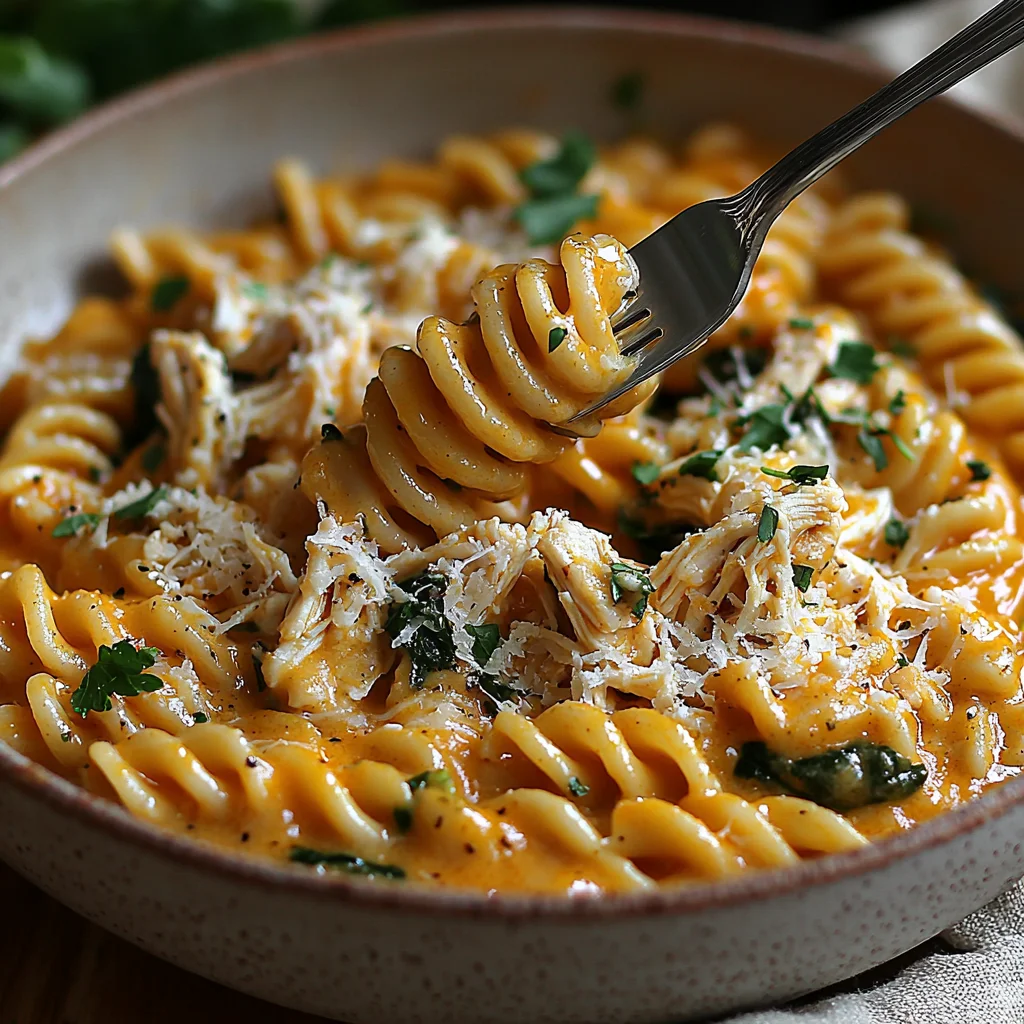
What makes this dish special to me? It’s the perfect balance of comfort and fuel, whether I’m meal-prepping for busy weeks or treating myself to a cozy dinner. Plus, it’s a hit with my family—even the picky eaters clean their plates!
Give it a try and let me know how yours turns out in the comments. Did you add a twist like roasted garlic or spicy chicken? What’s your favorite way to boost protein in pasta? I’d love to hear your ideas!
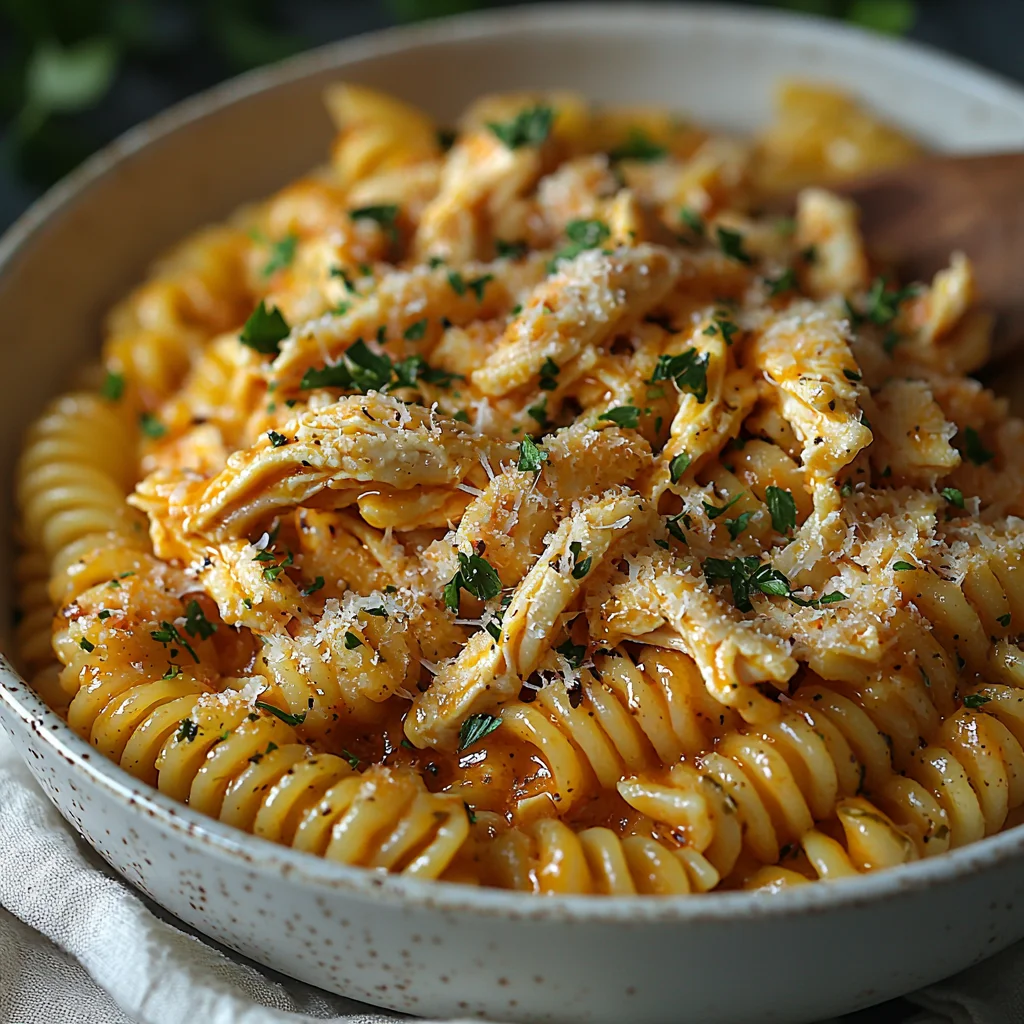
High Protein Pasta Recipe
Ingredients
Method
- Bring a large pot of salted water to a boil and cook the pasta according to package instructions. Drain and set aside.
- While the pasta cooks, heat olive oil in a large skillet over medium heat. Add the diced onion and cook until softened, about 3-4 minutes.
- Add the minced garlic and cook for another minute until fragrant.
- Add the ground turkey or chicken to the skillet, breaking it up with a spoon. Cook until browned and fully cooked through, about 6-8 minutes.
- Stir in the marinara sauce, Greek yogurt, Parmesan cheese, and Italian seasoning. Mix well and let simmer for 5 minutes.
- Add the cooked pasta to the skillet and toss until evenly coated with the sauce.
- Season with salt and pepper to taste. Serve hot, garnished with fresh basil leaves.