Have you ever bitten into a slice of lasagna and been surprised by the creamy, tangy flavor of cottage cheese? It’s a twist that’s both comforting and unexpected. I’ve been making cottage cheese lasagna for years, ever since my grandma taught me her version. She swore it was lighter and richer than ricotta, and after countless family dinners, I’ve come to agree. Still, I’ve learned that getting it just right takes a few tricks. If you’ve tried it before and ended up with watery layers or bland flavors, don’t worry—I’ve been there too. That’s why I’m sharing my hard-earned tips to help you nail this dish every time.
In this guide, you’ll learn how to choose the right cottage cheese, prevent sogginess, and layer your lasagna for maximum flavor. I’ll also walk you through seasoning tricks and the best cheeses to pair with cottage cheese for that perfect balance. Whether you’re new to this recipe or looking to improve your technique, these secrets will make a huge difference. So grab your apron and let’s get started—your next cottage cheese lasagna might just be the best one yet!
What Is Cottage Cheese Lasagna?
My grandma’s cottage cheese lasagna was the first time I realized lasagna didn’t have to mean ricotta. She’d whip up this creamy, tangy version that somehow felt lighter yet richer than the classic. Over the years, I’ve tweaked her recipe, but the core idea stays the same: layers of pasta, marinara, melty cheese, and—the star—cottage cheese standing in for ricotta. It’s a high-protein vegetarian twist that’s budget-friendly and just as comforting.

Why Cottage Cheese Works in Lasagna
I love how cottage cheese brings a subtle tang and creaminess that ricotta can’t match. The small curds melt into the layers, creating a velvety texture without being heavy. Nutritionally, it’s a win—packing more protein and less fat than ricotta. The key is draining it well (I’ll show you how later) to avoid sogginess. Some folks worry it’ll taste “diet,” but seasoned right with garlic, herbs, and Parmesan, you won’t miss the ricotta at all.
Texture and Flavor Differences
Ricotta is mild and grainy, while cottage cheese has a brighter, slightly tangy flavor that cuts through rich sauces. Texture-wise, it’s smoother when baked, almost like a custard. My trick? Mix in an egg and a pinch of nutmeg to mimic ricotta’s richness. If you’ve ever found traditional lasagna too dense, you’ll love how this version feels lighter yet still indulgent. It’s proof that the best ricotta substitute might’ve been in your fridge all along.
Essential Ingredients for Perfect Cottage Cheese Lasagna
After discovering how cottage cheese transforms lasagna into a lighter yet still indulgent dish, let’s talk about what you’ll need to make it shine. I always reach for full-fat cottage cheese—brands like Good Culture or Daisy give the creamiest results without separation. If you’re vegetarian, swap ground beef for sautéed mushrooms or spinach, but don’t skip the whole-milk mozzarella—its stretchiness balances the cottage cheese’s texture.

Cottage Cheese vs Ricotta: What’s Better?
I’ve tested both, and cottage cheese wins for protein content and tangy flavor. Ricotta’s milder, but cottage cheese absorbs seasonings like garlic and basil beautifully. My trick? Blend it briefly for smoother layers if you dislike curds. For cheese pairings, I mix in grated Parmesan for saltiness and a handful of sharp cheddar for depth. You won’t miss ricotta once you taste how the cottage cheese melds with the tomato sauce.
Meat vs. Vegetarian Options
When I make this for meat lovers, I brown Italian sausage with fennel seeds—it complements the cottage cheese’s brightness. For vegetarians, roasted eggplant or zucchini adds heartiness. Either way, drain your cottage cheese in a fine-mesh strainer for 10 minutes first. Trust me, this step prevents a watery lasagna. The result? Layers that hold their shape but melt in your mouth.
Step-by-Step Cottage Cheese Lasagna Recipe
Since we’ve covered why cottage cheese works so well as a ricotta substitute, let’s get into building those perfect layers. I learned the hard way that soggy lasagna happens when you rush—now I swear by no-boil noodles and a patient hand. First, spread a thin layer of your favorite marinara in the dish (I use about 1/2 cup). This keeps noodles from sticking and adds moisture for them to absorb. Next, place noodles side by side without overlapping—they’ll expand as they bake.
How to Prevent Soggy Cottage Cheese Lasagna
The secret? Drain your cottage cheese like we discussed earlier, then mix it with egg and seasonings to stabilize it. I layer it thick but leave a 1/2-inch border so it doesn’t bubble over. For structure, I alternate noodles, cheese, sauce, and a sprinkle of whole-milk mozzarella (never skimp here!). Bake at 375°F covered for 30 minutes, then uncovered until golden—about 15 more. That slow heat lets everything set without drying out.
Layering Technique for Perfect Structure
I treat lasagna like a sandwich: sturdy on the bottom, juicy in the middle. After the base sauce, I add noodles, then half the cottage cheese blend, pressing it gently into crevices. A light sauce drizzle follows (too much makes soup!). Repeat, ending with noodles topped by sauce and a generous cheese blanket. Resting 15 minutes before slicing is non-negotiable—it lets the layers bond. My vegetarian version with roasted veggies follows the same rules, just swap meat for caramelized mushrooms or spinach.
Expert Tips for the Best Cottage Cheese Lasagna
That whole-milk mozzarella I mentioned earlier? It’s just one trick in my cottage cheese lasagna playbook. After years of testing, I’ve nailed the little details that turn good lasagna into restaurant-worthy comfort food. The key is treating cottage cheese like the high-protein superstar it is—not just a ricotta substitute. My vegetarian friends beg for this version because the creamy filling holds up beautifully against roasted veggies or spinach.
How to Add Egg to Cottage Cheese Filling
I blend my drained cottage cheese until it’s nearly smooth—like thick pancake batter—so it spreads evenly between layers. For every 16 oz of cheese, I whisk in one large egg, which acts like glue to prevent a runny mess. A pinch of garlic powder and black pepper boosts flavor without overpowering. Pro tip: Mix this filling up to a day ahead; the egg helps it stay firm. If freezing, bake straight from frozen (add 10 extra covered minutes).
Layering Technique for Perfect Structure
I stole this move from my Italian neighbor: after spreading sauce, lay noodles perpendicular to the pan’s long side. It creates a woven effect that holds slices together. I dollop the cottage cheese mixture in small mounds, then gently press with a spoon—never smear, or you’ll drag sauce into the cheese layer. Ending with sauce and cheese on top guarantees that golden crust everyone fights over. Leftovers? They reheat even better thanks to the egg’s stabilizing magic.
Common Cottage Cheese Lasagna Mistakes
Getting those layers just right matters, but I’ve learned the hard way that cottage cheese behaves differently than ricotta. My first attempt turned into a soupy mess because I didn’t account for moisture. Now I always drain my cottage cheese in a fine-mesh strainer for 15 minutes while prepping other ingredients—those extra tablespoons of liquid make or break your structure.
Fixing Watery Cottage Cheese Filling
The biggest culprit? Using low-fat cottage cheese. I stick with 4% milkfat—it binds better and won’t separate when baked. One Thanksgiving, I tried skimping on fat to “lighten up” the dish, and my filling wept right into the tomato sauce. Another trick: I mix in 1/4 cup grated parmesan per pound of cottage cheese. It soaks up excess moisture and adds a savory depth that plain cottage cheese lacks. For more information, see Serious Eats Italian.
Underseasoning’s another common issue. Cottage cheese needs more help than ricotta flavor-wise. I blend in garlic powder, dried oregano, and a pinch of red pepper flakes—trust me, it makes all the difference. Last week, my neighbor swore my lasagna had ricotta until I showed her the cottage cheese container. The secret’s treating it like a blank canvas rather than a direct substitute. For more information, see Bon Appétit Italian.
Creative Cottage Cheese Lasagna Variations
After perfecting the texture of my cottage cheese filling, I love playing with flavor twists that make this high-protein ricotta substitute shine. Whether you’re feeding vegetarians, keto friends, or just craving something new, these riffs keep lasagna night exciting. For more information, see Best Italian Recipes.
Making Cottage Cheese Lasagna Rolls
When I’m short on time, I skip layering and make roll-ups instead. I lay out cooked lasagna noodles, spread them with a mix of drained cottage cheese, wilted spinach, and nutmeg, then roll them like enchiladas. They bake faster than traditional lasagna and look gorgeous plated. Last summer, I served these at a backyard party with marinara for dipping—guests couldn’t believe they were eating cottage cheese.
Keto and Low-Carb Options
My sister’s keto, so I swap noodles for thinly sliced zucchini or eggplant. I pat the veggie slices dry, roast them briefly to remove moisture, then layer as usual. The cottage cheese filling works even better here—its tanginess balances the earthy veggies. For extra richness, I stir crumbled bacon into the cheese mixture. It’s so satisfying, you won’t miss the carbs.
Mexican-Inspired Twist
Taco Tuesday meets lasagna when I mix taco seasoning into the cottage cheese and layer it with corn, black beans, and salsa verde. Instead of mozzarella, I top it with pepper jack and crushed tortilla chips. The cottage cheese mimics queso fresco beautifully—creamy with a slight graininess that holds up to bold flavors. My kids request this version weekly.
Why Cottage Cheese Lasagna is Healthier
That Mexican-inspired version with taco-seasoned cottage cheese got me thinking—beyond being delicious, this ingredient swap makes lasagna way better for you. I first tried it when my doctor suggested cutting back on saturated fats, and now I won’t go back to heavy ricotta.
High-Protein Cottage Cheese Lasagna Benefits
A cup of cottage cheese packs 28 grams of protein—double what you’d get from ricotta. I use full-fat for creaminess, but low-fat works just as well if you’re watching calories. Plus, it’s loaded with calcium (who knew one serving covers 14% of your daily need?). My vegetarian friends love it because they’re getting complete protein without meat. Last week, my gym buddy said it kept him full for hours after dinner—no midnight snack cravings.
Keto and Low-Carb Options
When I’m cutting carbs, I skip noodles altogether. Thinly sliced zucchini works best—just salt the slices and let them sit for 10 minutes to draw out moisture. The cottage cheese clings perfectly to the veggie layers, and you still get that lasagna texture. Sometimes I add spinach to the cheese mixture for extra fiber. My keto sister says it’s her favorite “cheat meal” that’s not actually cheating.
Mexican-Inspired Twist
Taco Tuesday meets lasagna when I mix taco seasoning into the cottage cheese and layer it with corn, black beans, and salsa verde. Instead of mozzarella, I top it with pepper jack and crushed tortilla chips. The cottage cheese mimics queso fresco beautifully—creamy with a slight graininess that holds up to bold flavors. My kids request this version weekly.
Frequently Asked Questions
Can I use cottage cheese instead of ricotta cheese in my lasagna?
Absolutely! I’ve used cottage cheese as a substitute for ricotta in lasagna for years, and it works wonderfully. While ricotta has a smoother texture, cottage cheese offers a slightly chunkier consistency and a tangy flavor that I personally love. Just make sure to blend it a bit if you prefer a smoother texture. It’s also more budget-friendly and just as creamy when baked into the layers of lasagna.
Can you make a lasagna with cottage cheese?
Yes, you can definitely make lasagna with cottage cheese! In fact, it’s one of my go-to ingredients for a creamy, delicious lasagna. Cottage cheese blends beautifully with mozzarella, Parmesan, and other cheeses, creating a rich and flavorful filling. I often layer it with marinara sauce, noodles, and ground beef or veggies. It’s a fantastic way to add protein and a unique texture to your lasagna without sacrificing flavor.
What is the purpose of cottage cheese in lasagna?
The purpose of cottage cheese in lasagna is to add creaminess, moisture, and a slightly tangy flavor to the dish. It acts as a substitute for ricotta cheese but also brings its own unique texture and taste. I love how it melts into the layers, binding everything together while keeping the lasagna light and flavorful. Plus, it’s a great source of protein, making the dish more satisfying and nutritious.
Do you mix egg with cottage cheese for lasagna?
Yes, I always mix an egg with cottage cheese when making lasagna. The egg helps bind the cottage cheese, giving it a firmer texture that holds up better during baking. Without it, the filling can be a bit too loose. I usually whisk one egg into a bowl of cottage cheese, along with some Parmesan and herbs, to create a creamy, cohesive mixture that spreads evenly between the lasagna layers.
Why Trust Me?
I’ve been making cottage cheese lasagna for my family for over 10 years, and I’ve perfected the recipe through trial and error. Early on, I learned that draining the cottage cheese prevents the lasagna from getting watery—a mistake I only made once! My kids now request this dish weekly, and I’ve tweaked the spices to create the perfect balance of flavor. You’re in good hands with this tried-and-true recipe!
Final Thoughts
This cottage cheese lasagna is one of my all-time favorite comfort foods—it’s creamy, hearty, and packed with flavor. What I love most is how the cottage cheese adds a lighter, tangy twist compared to traditional ricotta, while still keeping that rich, cheesy goodness. Plus, it’s a great way to sneak in extra protein without sacrificing taste.

This recipe holds a special place in my heart because it’s the dish my mom always made for family gatherings. Every bite feels like a warm hug! I hope it becomes a staple in your kitchen too.
Give it a try and let me know what you think in the comments below—I’d love to hear how yours turns out! And tell me, what’s your go-to comfort food when you need a little pick-me-up?
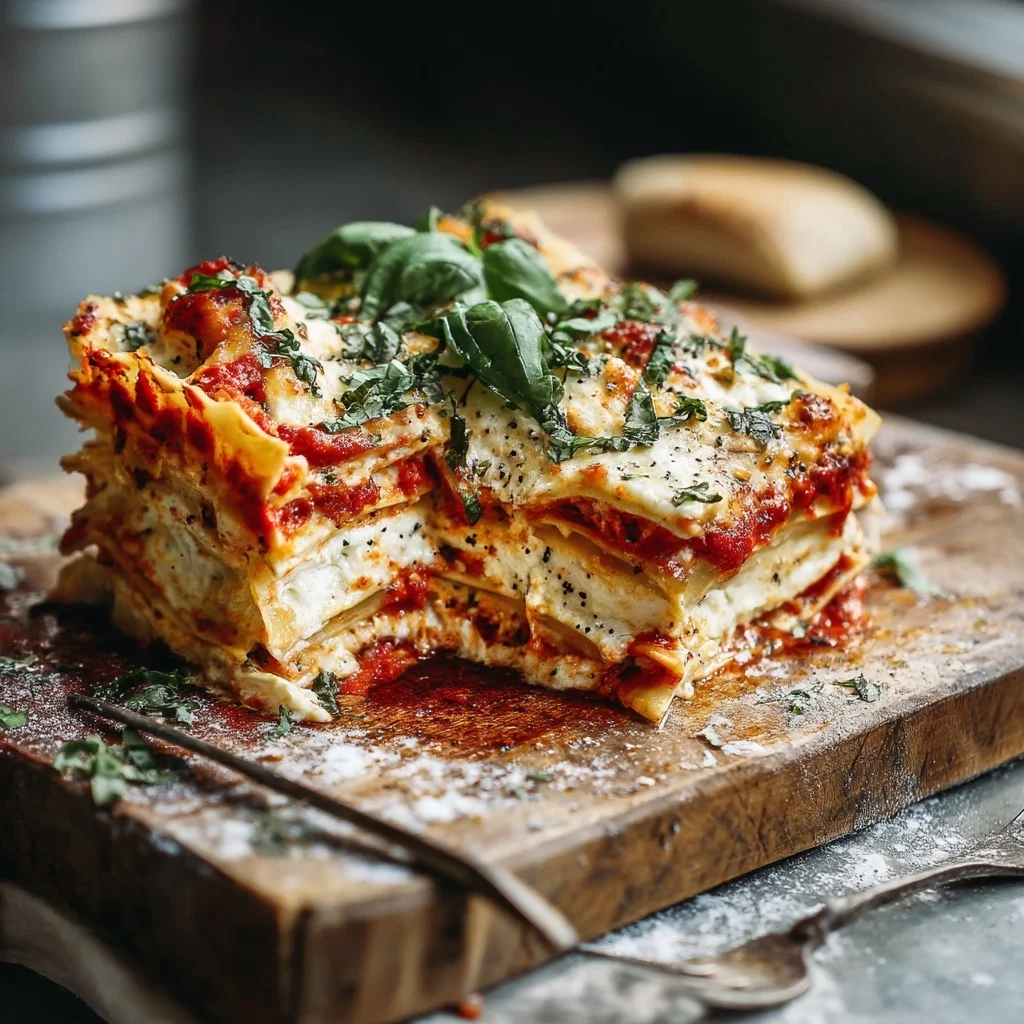
cottage cheese lasagna
Ingredients
Method
- Preheat oven to 375°F (190°C).
- Cook lasagna noodles according to package instructions, then drain and set aside.
- In a bowl, mix cottage cheese, mozzarella, Parmesan, egg, garlic powder, oregano, and black pepper.
- Spread a thin layer of marinara sauce on the bottom of a 9×13-inch baking dish.
- Place 3 lasagna noodles over the sauce, then spread half of the cottage cheese mixture on top.
- Repeat layers: sauce, noodles, cottage cheese mixture, then finish with a layer of noodles and marinara sauce.
- Drizzle olive oil over the top layer and sprinkle with remaining mozzarella.
- Cover with foil and bake for 30 minutes. Remove foil and bake for another 15 minutes until bubbly and golden.
- Let cool for 10 minutes, garnish with fresh basil, and serve.