

Ever pulled a warm, chewy cottage cheese bagel from the oven and wondered how something so simple could taste so good? I remember my first batch—they came out dense as hockey pucks, but after tweaking the recipe a dozen times, I cracked the code. Now, these bagels are my go-to for quick, protein-packed breakfasts that actually keep me full till lunch.
What makes cottage cheese bagels special? They’re shockingly easy (no yeast, no waiting!), lower in carbs than traditional versions, and pack a tangy richness you won’t get from regular dough. But there’s a catch: small mistakes can lead to gummy or dry results. That’s why I’m sharing the five techniques that transformed my fails into foolproof wins.
In this guide, you’ll learn how to pick the right cottage cheese (fat content matters!), why overmixing is the enemy, and the baking trick that guarantees a golden crust without toughness. I’ll even throw in my favorite flavor variations, like everything seasoning or cinnamon-raisin. Whether you’re new to baking or just tired of store-bought bagels, these tips will save you time and frustration. Ready to bake smarter? Let’s get started.
What Are Cottage Cheese Bagels?
You know how most homemade bagels turn out dense or chewy? That’s exactly why I fell in love with cottage cheese bagels—they’re lighter, faster, and packed with protein. Unlike traditional yeast-based dough, these use cottage cheese as the star ingredient, giving them a tangy flavor and tender crumb. I first stumbled on the idea when my neighbor brought over a batch, and I couldn’t believe they were flour-free. Now, they’re my secret weapon for quick breakfasts that don’t spike my blood sugar.
The Rise of Cottage Cheese Bagels
I’ll admit, I was skeptical at first. Cottage cheese in bagels? But after my third failed attempt at keto-friendly baking, I gave it a shot. Turns out, blending cottage cheese with eggs and almond flour creates a dough that’s surprisingly easy to handle. The trend blew up on social media last year, but the technique actually dates back to old-school weight watchers recipes. What makes them so popular now? They’re forgiving for beginners and customizable—swap in everything seasoning or cinnamon, and you’ve got a whole new flavor.
The magic lies in the cottage cheese’s moisture and protein content. Full-fat versions yield richer bagels, while low-fat keeps them lean. My trick? Strain the cheese for 10 minutes to avoid soggy middles. Whether you’re gluten-free, keto, or just tired of store-bought carbs, these bagels solve so many problems. Plus, they toast up golden and crisp—no hockey puck texture in sight.
Why Cottage Cheese Bagels Are a Healthy Choice
After struggling with store-bought bagels that left me crashing by mid-morning, I discovered cottage cheese bagels are the perfect solution. They’re packed with high-quality protein that keeps me full for hours without the sugar crash. Unlike traditional bagels made with refined flour, these use almond flour or go completely no flour, making them a smarter choice for my energy levels.

Nutritional Breakdown
What surprised me most was the protein punch—each bagel delivers about 12 grams thanks to the cottage cheese and eggs. They’re naturally low-carb (under 5g net carbs per serving) and easily made gluten-free. Compared to a standard bagel’s 50g of carbs, these let me enjoy that chewy texture guilt-free. I often add chia seeds for extra fiber, which makes them even more satisfying.
The Keto Advantage
When I first tried keto, I missed bread terribly. These bagels became my go-to because they fit perfectly into my macros. The cottage cheese adds creaminess without overwhelming flavor, while the almond flour gives just enough structure. Even my non-keto friends love them—they’re that good. Pro tip: Using full-fat cottage cheese makes them richer, but low-fat works if you’re watching calories. Either way, they toast up beautifully.
Essential Ingredients for Cottage Cheese Bagels
The beauty of these bagels lies in their simplicity—just a handful of quality ingredients transform into something magical. I’ve made them with everything from all-purpose flour to almond flour, and each version brings its own charm. The cottage cheese isn’t just for moisture; it adds a subtle tang and keeps the crumb tender. If you’re like me and love experimenting, toss in everything bagel seasoning or a handful of sunflower seeds for crunch.
Choosing the Right Flour
I’ve found that all-purpose flour gives the classic chewy texture, but almond flour works wonders for a keto-friendly twist. The first time I tried almond flour, I worried they’d turn out dense, but the cottage cheese kept them surprisingly light. For gluten-free folks, a 1:1 GF blend does the trick—just add an extra tablespoon of water since GF flours tend to thirstier.
The Role of Cottage Cheese
Don’t skip the cottage cheese—it’s the secret weapon here. I use full-fat for richness, but low-fat still delivers that moist crumb. One batch I made with ricotta by accident (oops!), and while tasty, they lacked the signature springiness. Small-curd works best; large-curd can make the dough uneven. Pro tip: Blend it smooth if you dislike the texture, but I love the little flecks in each bite.
Optional Add-Ins and Toppings
My favorite part? Customizing these. A sprinkle of everything bagel seasoning before baking gives that iconic flavor, or try cinnamon-raisin for a sweet twist. I’ve folded in chopped jalapeños for kick, and my husband swears by garlic powder and Parmesan. For toppings, an egg wash makes them shiny, but brushing with melted butter post-bake adds decadence. The possibilities are endless—just keep add-ins to 1/4 cup max so the dough holds together.
Step-by-Step Guide to Making Cottage Cheese Bagels
Since we’ve covered how cottage cheese keeps these bagels tender, let’s get into the fun part—making them! I’ve tested both oven and air fryer methods, and while traditional baking gives a chewier crust, the air fryer delivers a crisp exterior in half the time. Either way, you’ll love how simple the process is. Just mix, shape, and bake—no yeast, no waiting.

Air Fryer Method
For air fryer magic, preheat to 350°F (175°C). I shape my dough into 4 equal balls, poke a hole in the center, and gently stretch it into a ring. Lightly spray the basket with oil to prevent sticking. They’ll need about 12-15 minutes, flipping halfway, until golden. Watch closely—my first batch got too dark because I got distracted by my dog begging for a bite!
The Role of Cottage Cheese
Don’t skip the cottage cheese—it’s the secret weapon here. I use full-fat for richness, but low-fat still delivers that moist crumb. One batch I made with ricotta by accident (oops!), and while tasty, they lacked the signature springiness. Small-curd works best; large-curd can make the dough uneven. Pro tip: Blend it smooth if you dislike the texture, but I love the little flecks in each bite.
Optional Add-Ins and Toppings
My favorite part? Customizing these. A sprinkle of everything bagel seasoning before baking gives that iconic flavor, or try cinnamon-raisin for a sweet twist. I’ve folded in chopped jalapeños for kick, and my husband swears by garlic powder and Parmesan. For toppings, an egg wash makes them shiny, but brushing with melted butter post-bake adds decadence. The possibilities are endless—just keep add-ins to 1/4 cup max so the dough holds together.
Expert Tips for Perfect Cottage Cheese Bagels
After playing with add-ins like everything seasoning and jalapeños, let’s nail the basics. Over the years, I’ve learned that small tweaks make a huge difference—like the time my bagels turned out gummy because I rushed the blending step.
Blending Techniques
I can’t stress enough how crucial blending is. If your cottage cheese isn’t smooth, you’ll get pockets of wet dough. I use a food processor for 30 seconds—just until creamy, but stop before it turns liquid. For no flour versions (like with almond flour), this step binds everything. Once, I over-blended, and my bagels spread like pancakes. Lesson learned: pulse, don’t puree. A pinch of salt during blending boosts flavor without altering texture. For more information, see King Arthur Baking Guide.
Avoiding Common Pitfalls
Timing matters. Let the dough rest 10 minutes after mixing—it firms up and handles better. I’ve had batches crack because I skipped this. Also, don’t over-knead; 2 minutes max keeps them tender. For keto bakers, watch the baking time closely—they brown faster than traditional bagels. My first attempt got too dark because I got distracted by my dog begging for a bite! For more information, see Baking Basics.
Common Mistakes to Avoid
After sharing how blending techniques can make or break your cottage cheese bagels, I’ve learned there are a few other pitfalls to watch out for. Trust me, I’ve made my fair share of mistakes—like the time my dough turned out sticky because I didn’t pay attention to consistency. Let’s dive into what you need to avoid for perfect bagels every time. For more information, see Serious Eats Baking.
Dough Consistency
One of the biggest mistakes I’ve made is overmixing the dough. If you mix it too much, it becomes sticky and hard to handle. I’ve also found that using the wrong type of cottage cheese can throw off the texture. Stick to full-fat cottage cheese for the best results—low-fat versions can make the dough too wet. And don’t forget to bake them just right—too long, and they dry out; too short, and they stay gummy.
Avoiding Common Pitfalls
Timing is everything with these bagels. I’ve learned to let the dough rest for 10 minutes after mixing—it firms up and makes shaping much easier. Skipping this step has led to cracked bagels in my kitchen. Also, don’t over-knead the dough—2 minutes max keeps them tender. For keto versions, keep an eye on the baking time—they brown faster than traditional bagels. Once, I got distracted and ended up with overly dark bagels. Lesson learned!
Variations and Substitutions
If you’ve been experimenting with cottage cheese bagels, you’ll love how versatile they can be. After perfecting the basics, I started playing with different versions to suit dietary needs and flavor preferences. Whether you’re looking for a keto-friendly option or just want to mix things up, there’s a variation for everyone.
Keto Cottage Cheese Bagels
When I first tried making keto-friendly bagels, I swapped traditional flour for almond flour and was thrilled with the results. The texture stays soft and chewy, just like a classic bagel, but with fewer carbs. I’ve also tested no-flour recipes using just cottage cheese and eggs—they’re surprisingly sturdy and delicious. For toppings, I love sprinkling everything bagel seasoning or adding sesame seeds for extra crunch. One tip: keep an eye on the oven because keto bagels tend to brown faster. Trust me, I’ve burned a batch or two by forgetting to check!
Serving Suggestions and Pairings
After experimenting with cottage cheese bagel variations—like my almond flour keto version—I realized half the fun is deciding how to serve them. These bagels are so versatile, they work for breakfast, lunch, or even a quick snack. I love them fresh out of the oven, but they’re just as good toasted the next day. Here’s how I like to dress them up for maximum flavor.

Top Toppings for Cottage Cheese Bagels
My go-to is classic cream cheese with a sprinkle of everything bagel seasoning—it’s simple but always satisfying. For something richer, I’ll mash avocado with lemon juice and red pepper flakes. Sweet options are great too: a swipe of almond butter and sliced bananas hits the spot. If I’m feeling fancy, I’ll top them with smoked salmon, capers, and a drizzle of honey for a salty-sweet combo.
Pairing with Dips and Spreads
I’ve found these bagels pair perfectly with no-flour dips like whipped feta or roasted red pepper hummus. For a protein boost, I’ll serve them with Greek yogurt mixed with herbs and garlic. My kids love dunking their bagels in marinara sauce for a pizza-inspired snack. Honestly, anything you’d normally put on bread works here—get creative!
Frequently Asked Questions
Are cottage cheese bagels actually healthy?
Yes, cottage cheese bagels can be a healthier alternative to traditional bagels! I love that they’re packed with protein from the cottage cheese, which keeps you fuller longer. They’re also lower in carbs since they skip the yeast and use minimal flour. But, watch your toppings—loading them with cream cheese or butter adds calories. I like mine with avocado or smoked salmon for a balanced, nutritious meal.
How to make Bethenny Frankel cottage cheese bagels?
I’ve made Bethenny’s famous cottage cheese bagels dozens of times, and they’re so easy! Blend 1 cup cottage cheese with 1 egg, then mix in 1 cup flour and 1 tsp baking powder. Shape into bagels, brush with egg wash, and bake at 375°F for 20-25 minutes. The key is blending the cottage cheese first for a smooth texture. They come out fluffy with a slight tang—perfect for toasting!
What is the healthiest bagel for weight loss?
If you’re watching your weight, I’d go for whole-grain or protein-packed options like cottage cheese bagels. Traditional bagels are carb-heavy, but whole-wheat versions add fiber to keep you full. For the lowest-calorie pick, try mini bagels or “thin-sliced” ones. I always pair mine with protein-rich toppings like turkey or Greek yogurt spread. Portion control matters too—half a bagel with veggies is my go-to light meal.
Do you have to blend the cottage cheese for bagels?
You don’t have to blend it, but I highly recommend it! Unblended cottage cheese leaves lumps in the dough, which can make your bagels uneven. Blending creates a smooth base that mixes perfectly with the flour. I use my immersion blender for 30 seconds—it’s quick and worth the extra step. That said, if you don’t mind a chunkier texture, you can skip blending and just mix vigorously by hand.
Why Trust Me?
I’ve been making cottage cheese bagels every weekend for the past two years, tweaking the recipe until it’s just right. One time, I accidentally overmixed the dough and ended up with dense bagels—lesson learned! Now, I fold the dough gently for a perfectly chewy texture. My family begs me to make these bagels because they’re so much better than store-bought. Trust me, this recipe is foolproof after all my trial and error!
Final Thoughts
These cottage cheese bagels are my go-to when I want something chewy, protein-packed, and ridiculously easy to make. No yeast, no waiting—just mix, shape, and bake! I love how the cottage cheese keeps them moist inside while giving that perfect golden crust. Plus, they’re versatile enough for sweet or savory toppings—my personal favorite is a schmear of honey butter or everything bagel seasoning.
This recipe holds a special place in my kitchen because it’s the one I make with my niece on lazy Sunday mornings. She calls them “cloud bread,” and honestly? She’s not wrong.
Give them a try and let me know how yours turn out! Did you stick with classic plain or get creative with mix-ins? Tag me on Instagram—I’d love to see your twist. Now, tell me: What’s your ultimate bagel topping? Cream cheese and lox? Cinnamon sugar? Go wild in the comments!
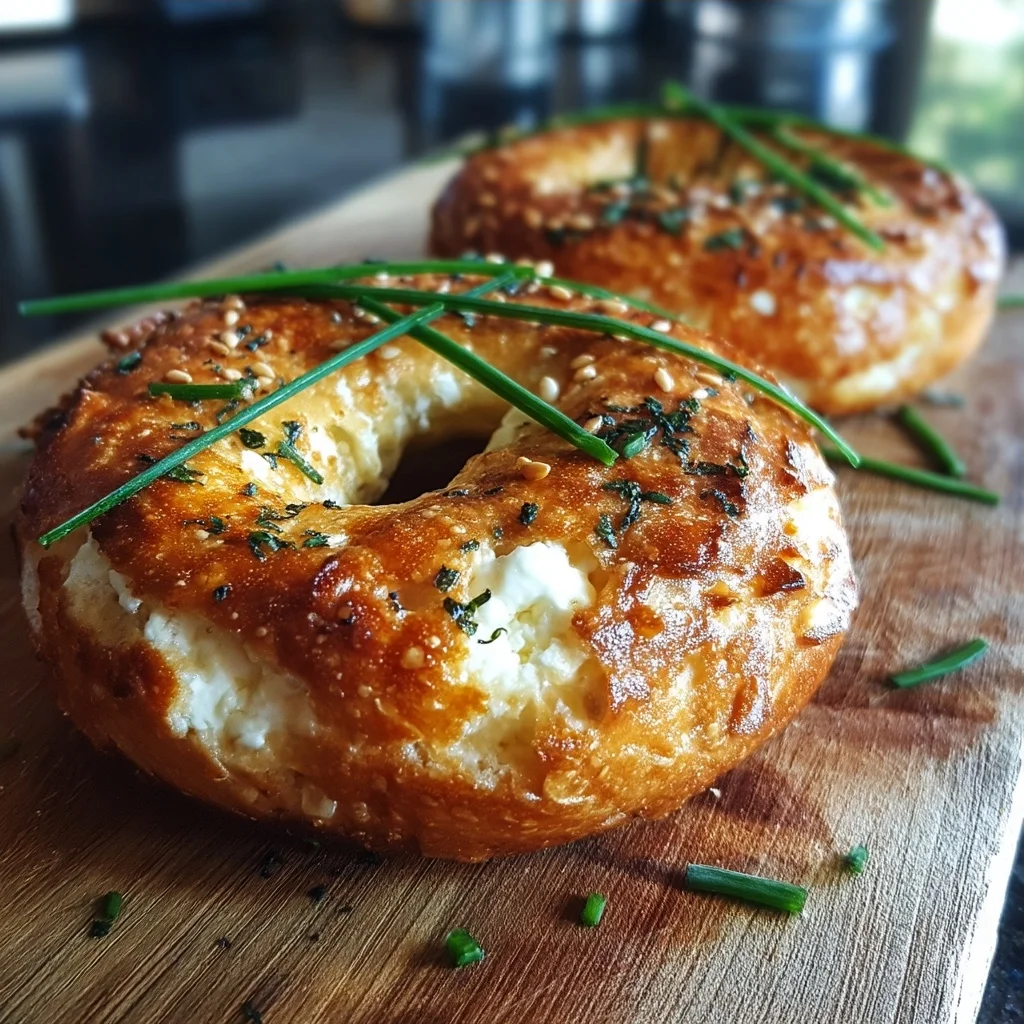
COTTAGE CHEESE BAGELS
Ingredients
Method
- Preheat oven to 375°F (190°C) and line a baking sheet with parchment paper.
- In a large bowl, whisk together cottage cheese, eggs, and honey until well combined.
- In a separate bowl, mix flour, baking powder, and salt. Gradually add to wet ingredients, stirring until a dough forms.
- Divide dough into 6 equal portions. Roll each into a ball, then poke a hole in the center to form bagel shapes.
- Place bagels on prepared baking sheet. Brush tops with egg white and sprinkle generously with everything bagel seasoning.
- Bake for 23-25 minutes until golden brown. Let cool for 5 minutes before serving.


