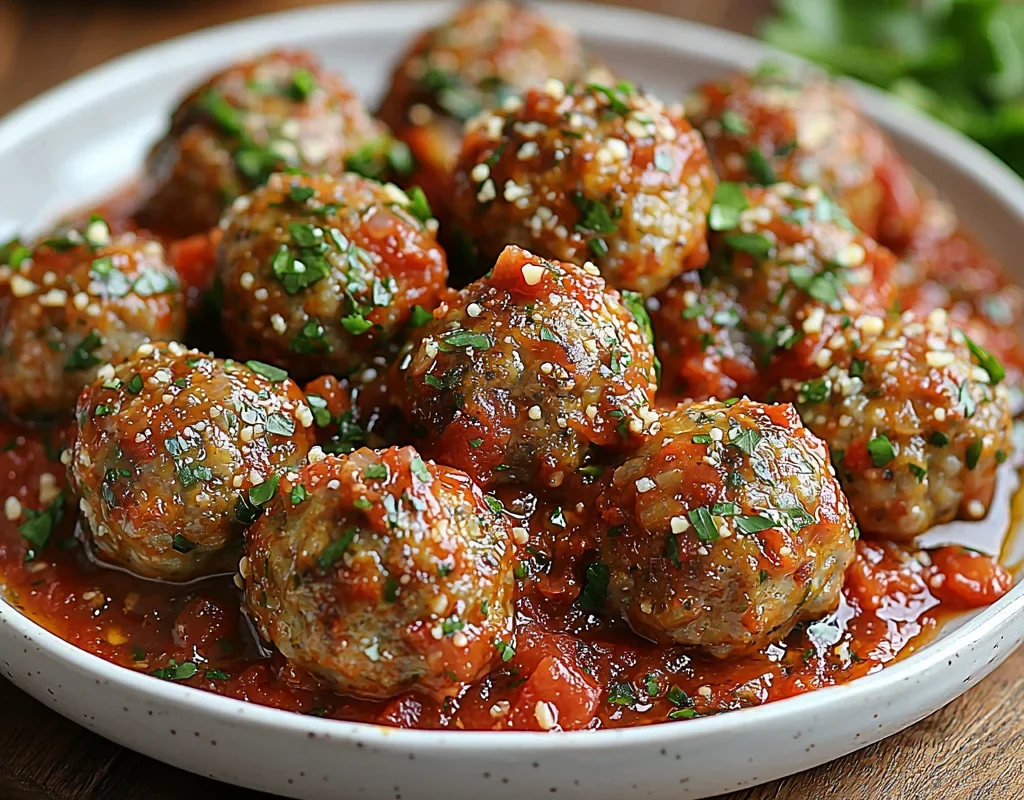
Ever bitten into a dry, bland meatball and wondered how it went so wrong? I’ve been there too, and it’s exactly why I’ve spent years perfecting my high protein meatballs. These little flavor-packed bites are a staple in my kitchen, especially on busy weeknights when I need something quick, satisfying, and packed with nutrition. I’ve learned that making the perfect meatball isn’t just about the ingredients—it’s about the techniques that bring them together.
In this article, I’m sharing 7 secrets that have transformed my meatballs from mediocre to mouthwatering. You’ll learn how to choose the right protein base, binders that actually work, and cooking methods that keep them juicy. I’ve tested these tips over and over, and I can confidently say they’ll make a world of difference for your meatballs too. Whether you’re meal prepping for the week or cooking for a crowd, these tricks will help you create high protein meatballs that are tender, flavorful, and packed with protein. Ready to elevate your meatball game? Let’s get started!
Why High Protein Meatballs Belong in Your Diet
After years of trial and error perfecting my high protein meatballs, I’ve realized they’re more than just a tasty meal—they’re a nutritional powerhouse. If you enjoyed this, you might also like High Protein Chicken Burrito Bowl. Unlike traditional versions loaded with breadcrumbs, these pack a serious protein punch that keeps you full for hours. I love how versatile they are, whether I’m tossing them with zoodles for a low-carb dinner or stacking them in a meal prep container for easy lunches.

Nutritional Advantages Over Regular Meatballs
My go-to recipe packs nearly 30g of protein per serving—almost double what you’d get from classic meatballs. That extra protein does wonders for muscle recovery after my workouts and helps curb those afternoon snack cravings. Since I started swapping in ingredients like cottage cheese instead of breadcrumbs, I’ve noticed they fit perfectly into my keto weeks without sacrificing flavor or texture. Plus, the higher protein content means they’re naturally more satisfying, which has been a game-changer for my weight loss goals.
Perfect for Busy Lifestyles
What I love most is how these meatballs simplify my week. I’ll make a big batch on Sunday, and they reheat beautifully for quick protein-packed meals. Last week, I threw them over salad greens for lunch, and by dinner, they were starring in a hearty marinara sauce. They’re the kind of staple that adapts to whatever I’m craving while keeping my nutrition on track.
Essential Equipment for Perfect Meatballs
Since I mentioned how these high-protein meatballs save me time during busy weeks, let’s talk about the tools that make meal prep a breeze. If you enjoyed this, you might also like Protein Energy Balls. Over the years, I’ve learned that having the right equipment is just as important as the ingredients—especially when you’re mixing in cottage cheese or other sticky binders. Trust me, trying to shape meatballs with the wrong tools can turn a quick recipe into a messy ordeal.

The Meatball Maker’s Toolkit
My must-haves start with a large mixing bowl—I prefer stainless steel because it’s easy to clean and doesn’t hold odors. A cookie scoop is my secret weapon for evenly sized meatballs; the 1.5-inch size gives me perfect two-bite portions. If you don’t have one, a tablespoon works, but your hands will get stickier. For serious meal preppers, a nonstick baking sheet with a wire rack lets me cook two batches at once without flipping.
Budget-Friendly Alternatives
When I first started making these, I used a regular dinner fork to mix everything—it works fine, though a sturdy spatula is better for folding in cottage cheese without overworking the meat. No scoop? Wet your hands lightly with cold water to prevent sticking while rolling. And if you’re skipping the wire rack, just line your pan with parchment paper—it’s not quite as crisp, but still great for weight loss-friendly meals.
High Protein Meatball Base Recipe
After perfecting my meatball-making toolkit, I’ve learned that the texture is just as important as the tools you use. If you enjoyed this, you might also like Protein Banana Pancakes. Getting that tender yet firm bite starts with the right mix of ingredients. I always go for 90% lean ground beef—it’s got enough fat to stay juicy without being greasy. To boost the protein even more, I add cottage cheese and egg whites. The cottage cheese keeps them moist, while the egg whites help bind everything together without needing breadcrumbs.
The Perfect Meatball Texture
I’ve found that the key to perfect meatballs isn’t overmixing. I gently combine the meat, cottage cheese, and seasonings with my hands until just blended—too much handling makes them tough. When I roll them, I aim for golf-ball size, about 1.5 inches, so they cook evenly. Baking them on a wire rack ensures they crisp up all around, but if you don’t have one, parchment paper works fine. These little tricks make all the difference for that ideal meal prep texture—firm enough to hold shape but tender enough to melt in your mouth.
Budget-Friendly Alternatives
If you’re watching your wallet, don’t stress—there are easy swaps. I’ve used low-fat ricotta instead of cottage cheese when it’s on sale, and it works just as well. No egg whites? A whole egg does the job, though it’s slightly less protein-packed. For weight loss-friendly versions, I’ll sometimes swap half the beef with ground turkey—it’s leaner and still delicious. These small changes keep the recipe affordable without sacrificing flavor or nutrition.
5 Game-Changing Variations
When it comes to high protein meatballs, I’ve found that small tweaks can make a big difference in flavor, nutrition, and cost. Whether you’re meal prepping for the week or aiming for specific weight loss goals, these variations let you customize the recipe to fit your needs. Plus, they’re all easy to pull off—no fancy ingredients or complicated steps required.
Turkey vs Beef: Which Packs More Protein?
I often get asked whether turkey or beef is better for high protein meatballs, and honestly, it depends on your goals. Ground turkey is leaner and slightly higher in protein per ounce, making it great for weight loss. But beef, especially grass-fed, has more iron and a richer flavor. My go-to hack? I mix turkey with cottage cheese—it adds moisture and a protein boost without drying out. For bodybuilders, I’ll stick to beef and egg whites to hit those macros.
Budget-Friendly Alternatives
If you’re shopping at Costco or Lidl, grab their bulk ground turkey or beef to save money. I’ve also used low-fat ricotta instead of cottage cheese when it’s on sale—it’s just as creamy and protein-rich. For low-carb or keto options, skip the breadcrumbs and use almond flour or crushed pork rinds. These swaps keep the recipe affordable while still hitting those meal prep goals.
Meal Prep Mastery with High Protein Meatballs
Since we’ve already covered budget-friendly swaps like using cottage cheese or almond flour, let’s talk about making these high protein meatballs work for your weekly meal prep. I’ve been prepping these for years, and the key is nailing the storage so they stay juicy and flavorful. First, I portion them into single servings—usually 4-5 meatballs per container—to keep my weight loss goals on track. They reheat beautifully with a splash of broth to prevent drying out.
Freezing Without Compromising Texture
I freeze my meatballs raw or cooked, but here’s the trick: lay them on a baking sheet first until solid, then transfer to bags. This stops them from sticking together into one giant clump. When I’m ready to eat, I’ll thaw them overnight or pop them straight into the air fryer for a crispy exterior. Adding a bit of cottage cheese to the mix helps retain moisture, even after freezing.
5-Day Meal Prep Plans
For busy weeks, I’ll make a double batch on Sunday. Half go in the fridge for lunches with zucchini noodles, and the rest get frozen for quick dinners. They pair perfectly with roasted veggies or a simple salad. I’ve found they stay fresh for up to 5 days in the fridge—just reheat gently to keep them tender. For more information, see Healthline Nutrition.
Common Meatball Mistakes and How to Fix Them
After meal prepping dozens of batches, I’ve learned the hard way that even simple high protein meatballs can go wrong fast. Nothing’s sadder than dry, crumbly meatballs that taste like cardboard—especially when you’re counting on them for weight loss meals. But don’t worry, I’ve picked up tricks to salvage almost any meatball mishap. For more information, see Mayo Clinic Nutrition.
Rescuing Overcooked Meatballs
If your meatballs turned out dry, don’t toss them! I’ll simmer them in marinara or broth for 10 minutes to rehydrate. The liquid seeps in, making them juicy again. For extra insurance, I mix cottage cheese into the raw meat—it keeps them moist even if I accidentally overcook them. Just be gentle when stirring; aggressive handling breaks them apart. For more information, see EatingWell.
Preventing Fall-Apart Meatballs
Nothing’s worse than meatballs that crumble in the pan. I bind mine with an egg and let the mixture chill for 30 minutes before shaping. Cooking at medium heat (not high!) gives them time to firm up without cracking. If they’re still fragile, a tablespoon of almond flour helps hold everything together. Trust me, it’s saved many a meal prep batch!
Serving Suggestions That Boost Protein
After perfecting your meatball texture, let’s make them the star of a high-protein meal that keeps you full for hours. I love pairing them with protein-packed pasta like chickpea or lentil varieties—they add 10-15g protein per serving compared to regular noodles. For a lower-carb option, zucchini or spaghetti squash noodles work beautifully, especially when topped with a creamy cottage cheese sauce (my secret for sneaking in extra protein).

Building a 40g Protein Meal
My go-to combo: 3 turkey meatballs (20g protein) over 1 cup chickpea pasta (15g protein), with a drizzle of olive oil and grated Parmesan (5g). Add a side of roasted broccoli, and you’ve hit 40g protein easily. I prep this weekly for weight loss lunches—it reheats like a dream. For sauces, marinara beats alfredo nutritionally, but I’ll blend ricotta into mine for extra creaminess without guilt.
Sauce Nutrition Comparisons
I tested sauces side-by-side and found marinara averages 2g protein per ½ cup, while a Greek yogurt-based sauce clocks 8g. My hack? Stir ¼ cup blended cottage cheese into warm marinara—it thickens the texture and doubles the protein. It’s a meal prep game-changer for busy nights when you need fast, filling fuel.
Nutrition Breakdown and Health Benefits
I’m always looking for ways to sneak in extra protein, and cottage cheese is my secret weapon. Whether blended into sauces or mixed into meatball recipes, it adds creaminess and boosts nutrition. Speaking of nutrition, let’s break down why these high-protein meatballs are such a smart choice. They’re packed with lean turkey or chicken, which gives you all the essential amino acids your body needs. Plus, they’re rich in potassium, a nutrient that helps regulate blood pressure and muscle function. Pairing them with veggies like roasted broccoli or zucchini noodles makes for a meal prep dream that’s both filling and nutritious.
Are Meatballs Good for Weight Loss?
Absolutely, if you portion them right. I find that sticking to 3-4 meatballs per meal keeps calories in check while still giving you a protein punch. Each turkey meatball typically has around 20g of protein and 60 calories, making them a satisfying option for weight loss. Adding a side of roasted veggies or a small scoop of chickpea pasta keeps things balanced. I’ve also noticed they’re great for post-workout recovery—your muscles crave that protein boost. For an extra edge, I’ll blend cottage cheese into the meatball mix for added creaminess and protein without overloading on calories. It’s a win-win!
Frequently Asked Questions
How do I make high protein meatballs without breadcrumbs?
You can easily skip breadcrumbs by using ground flaxseed, almond flour, or crushed pork rinds as binders instead. I love using flaxseed because it adds extra protein and healthy fats. Another trick is to mix in grated zucchini or cauliflower rice – they add moisture without carbs. Just squeeze out excess water first. My go-to combo is 1/4 cup almond flour per pound of meat, which keeps them juicy and holds shape perfectly when baked.
What meats are best for high protein meatballs?
For maximum protein, I recommend 90% lean ground beef (18g protein per 3oz) or ground turkey (22g protein). My personal favorite is mixing ground chicken with Italian sausage for flavor. If you’re really serious about protein, try bison (24g protein) or venison. Just remember leaner meats can dry out, so I always add an egg and some olive oil. Grass-fed beef gives you extra omega-3s too!
Can I freeze high protein meatballs for later?
Absolutely! I freeze them all the time for quick meals. First, cook them completely and let cool. Then spread them on a baking sheet to flash freeze for 1 hour before transferring to bags. This prevents sticking. They’ll keep for 3 months – just reheat in sauce or microwave at 50% power. Pro tip: Freeze some in marinara sauce for instant protein-packed spaghetti and meatballs on busy nights.
Why are eggs important in high protein meatballs?
Eggs do triple duty – they bind ingredients, add moisture, and boost protein content (6g per egg!). The yolks especially help keep lean meats from drying out. I use 1 egg per pound of meat, but you can use just egg whites if watching cholesterol. They create that perfect tender texture too. Fun fact: The proteins in eggs actually change structure when cooked, creating that satisfying meatball “bounce” we all love!
Why Trust Me?
I’ve been perfecting these high protein meatballs for years, making them at least twice a month for my gym-obsessed family. After countless batches, I learned the hard way that overmixing makes them tough—now I gently fold in the egg whites for the perfect fluffy texture. My picky nephew actually asks for seconds now, and that’s how I know this recipe works.
Final Thoughts
These high protein meatballs are my go-to when I need a meal that’s both satisfying and packed with nutrition. They’re easy to customize with your favorite spices, stay juicy thanks to the breadcrumb trick, and deliver a serious protein punch—perfect for meal prep or a cozy family dinner. What I love most is how versatile they are—toss them in marinara, slice them for sandwiches, or even enjoy them cold straight from the fridge (yes, I’ve done it!).
I’d love for you to give this recipe a try and make it your own. Let me know in the comments: What’s your favorite way to serve meatballs? Over pasta, in a sub, or maybe with a side of roasted veggies? But you enjoy them, I hope these become a staple in your kitchen too!
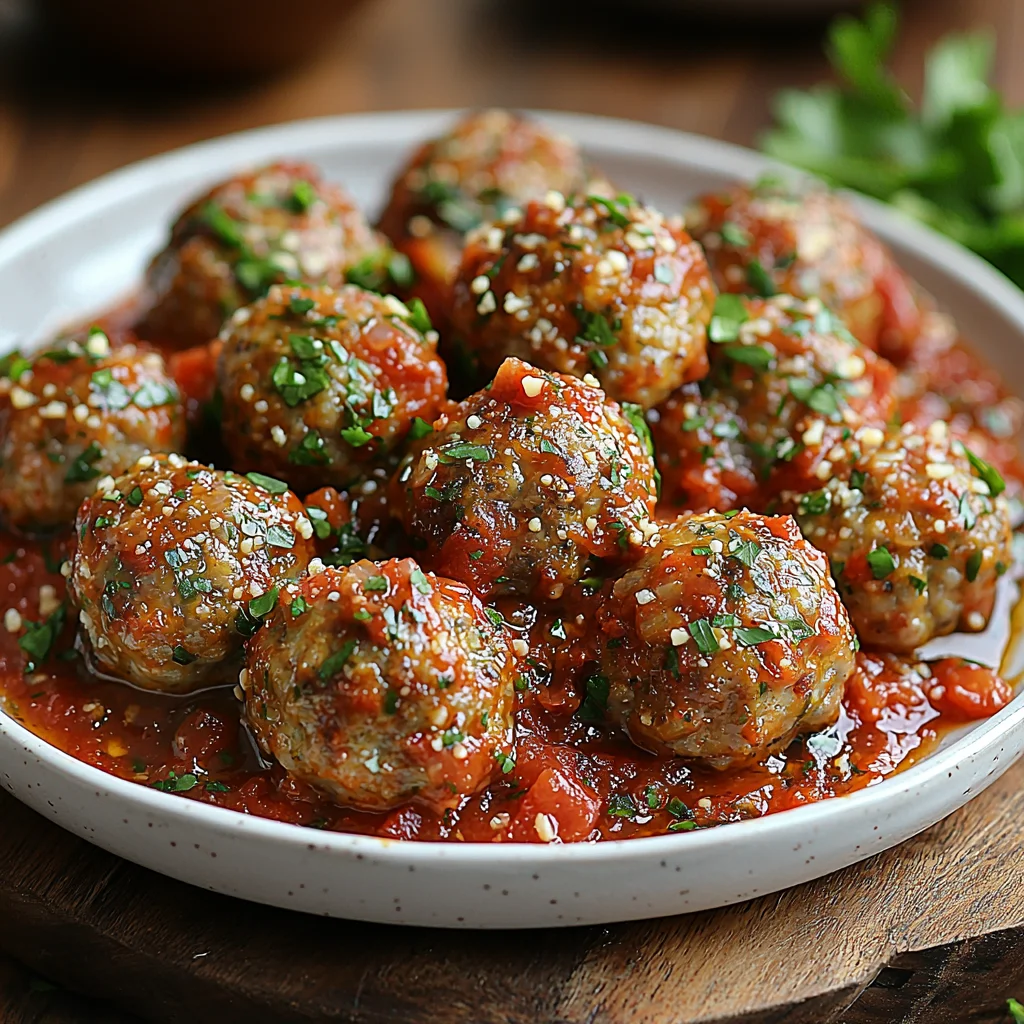
High Protein Turkey Meatballs
Ingredients
Method
- Preheat oven to 400°F and line a baking sheet with parchment paper.
- In a large bowl, combine ground turkey, oats, parmesan, egg, garlic, and all seasonings.
- Mix gently with your hands until just combined – don’t overmix or meatballs will be tough.
- Form into 20 equal-sized balls (about 1.5 tbsp each) and place on prepared baking sheet.
- Lightly brush meatballs with olive oil for golden browning.
- Bake for 18-20 minutes until internal temperature reaches 165°F.
- Let rest 5 minutes before serving.
- Serve with marinara sauce and zucchini noodles or whole wheat pasta.