
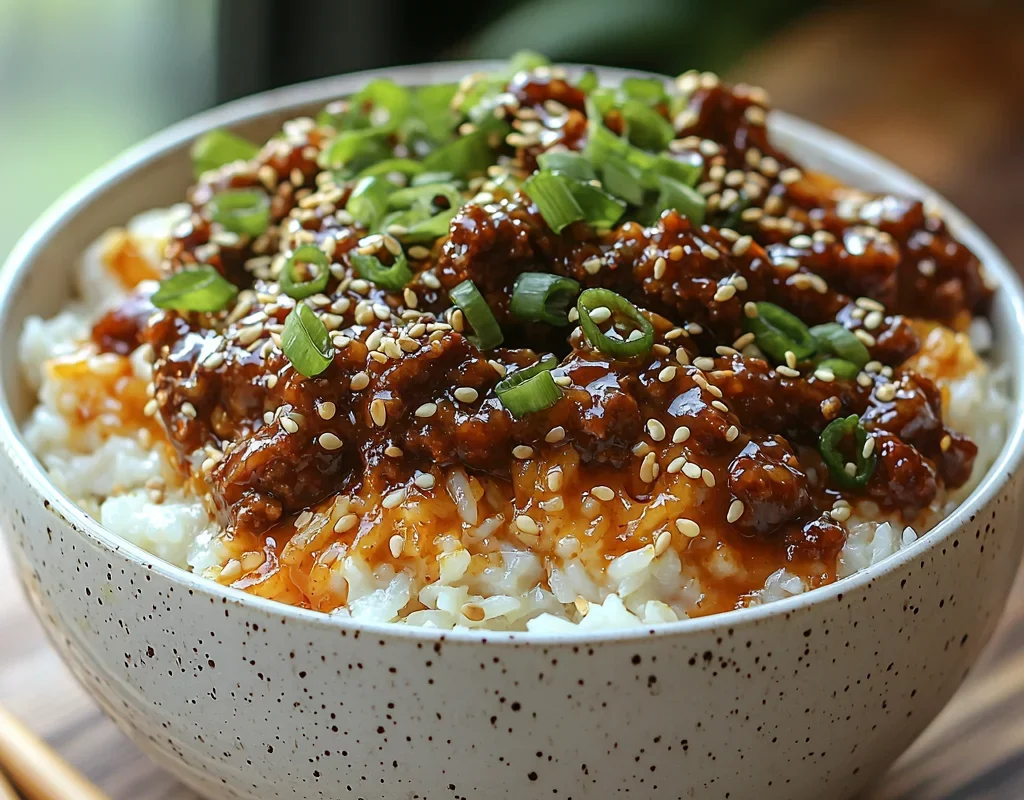
Ever smell something so good your stomach growls before you even see the food? That’s what happens every time I make this Korean ground beef bowl—the sizzle of beef with garlic, the sweet-spicy aroma of the sauce, and that irresistible caramelized crust forming in the pan. I first tried this dish at a friend’s potluck, and after one bite, I demanded the recipe. Now it’s my go-to weeknight meal because it’s faster than takeout and twice as flavorful.
In this guide, I’ll walk you through my foolproof method for making Korean ground beef bowls that are sticky, savory, and just a little spicy. You’ll learn how to:
- Pick the right cut of beef (hint: don’t waste money on lean blends)
- Balance the sauce so it’s not too sweet or too salty
- Get that perfect caramelization without burning the garlic
What Makes Korean Ground Beef Bowls Special
That caramelized crust I mentioned earlier? It’s all thanks to the magic of gochujang and soy sauce working together—a modern shortcut that gives ground beef the rich, complex flavor of traditional bulgogi without the marinating time. If you enjoyed this, you might also like Mediterranean Chickpea Meal Prep Bowl. I love how this dish bridges the gap between quick weeknight dinners and authentic Korean flavors. The first time I made it, my kitchen smelled like my favorite Korean BBQ spot, and I knew I’d stumbled onto something special.
What really sets this dish apart is its balance. It’s sweet from brown sugar, savory from soy sauce, and has just enough heat to keep things interesting. Plus, it’s incredibly versatile—I’ve served it over rice, in lettuce wraps, even stuffed into baked potatoes. And because the sauce clings to the beef so well, it’s perfect for meal prep; the flavors actually improve overnight.
The Gochujang Factor
Here’s my secret: don’t skip the gochujang. This fermented chili paste is what gives the dish its signature depth and gentle kick. I’ve tried substituting sriracha or red pepper flakes, but they just don’t deliver the same umami richness. When my local store was out of gochujang once, I learned the hard way—the sauce tasted flat. Now I always keep a tub in my fridge. A little goes a long way, and it lasts for months.
Weeknight Wonder
What I adore most is how fast this comes together. From pan to bowl in 20 minutes, yet it tastes like something you’d simmer for hours. My trick? Cooking the beef until it’s crispy in spots—that texture contrast makes all the difference. It’s become my emergency dinner for busy nights when takeout seems tempting, but I’d rather have something fresher (and cheaper). Even my picky nephew devours it, which is the highest compliment I could get.
Essential Ingredients for Authentic Flavor
Since we’re talking about a dish that shines in meal prep, let’s nail down the ingredients that make it so special. If you enjoyed this, you might also like Steak And Sweet Potato Protein Bowl. The magic lies in balancing sweet, savory, and spicy—and trust me, skipping even one key component can throw off the whole dish. I learned this the hard way when I tried improvising with what I had on hand. The result? A sad, bland imitation of the vibrant Korean ground beef bowl I craved.

Sauce Ingredients Breakdown
The sauce is where the flavor lives, and it’s all about three non-negotiables: gochujang, sesame oil, and fresh ginger. Gochujang brings that deep, fermented heat, while sesame oil adds nutty richness. Fresh ginger (not powdered!) gives it a bright kick. For protein, lean ground beef works best, but I’ve swapped in turkey or even crumbled tofu for a lighter version. Toss in quick-cooking veggies like shredded carrots or spinach—they add color and texture without extra fuss.
The Gochujang Factor
Here’s my secret: don’t skip the gochujang. This fermented chili paste is what gives the dish its signature depth and gentle kick. I’ve tried substituting sriracha or red pepper flakes, but they just don’t deliver the same umami richness. When my local store was out of gochujang once, I learned the hard way—the sauce tasted flat. Now I always keep a tub in my fridge. A little goes a long way, and it lasts for months.
Weeknight Wonder
What I adore most is how fast this comes together. From pan to bowl in 20 minutes, yet it tastes like something you’d simmer for hours. My trick? Cooking the beef until it’s crispy in spots—that texture contrast makes all the difference. It’s become my emergency dinner for busy nights when takeout seems tempting, but I’d rather have something fresher (and cheaper). Even my picky nephew devours it, which is the highest compliment I could get.
Step-by-Step Cooking Instructions
Since we’ve already talked about how gochujang makes this dish special, let’s get into the nitty-gritty of making it. If you enjoyed this, you might also like Buffalo Chicken Protein Bowl. I’ve made this Korean ground beef bowl more times than I can count, and I’ve picked up some tricks along the way. The key is balancing speed with flavor—you want that rich, caramelized beef without overcooking it.

Perfect Rice Cooking Method
I always start my rice first because it takes the longest. For this dish, I prefer short-grain white rice—it sticks together just enough to scoop up with the beef. Here’s my method: Rinse 1 cup rice until the water runs clear (this removes excess starch), then cook it with 1 1/4 cups water in a covered pot. Once it boils, I turn the heat to low and set a timer for 18 minutes. No peeking! That steam is crucial. After it’s done, I let it sit covered for 5 minutes—this gives you those perfect, separate grains. Pro tip: If I’m meal prepping, I’ll make extra rice and freeze portions for future bulgogi bowls.
Browning Beef Properly
The magic happens when you get that crispy-edged beef. I use 85% lean ground beef—enough fat for flavor but not greasy. Heat your pan (I prefer cast iron) on medium-high until a water droplet sizzles. Break the beef into small chunks with a wooden spoon, then resist stirring! Let it sit for 2-3 minutes to develop a crust. That’s where the deep flavor comes from. Once one side is browned, I flip the pieces and cook just until no pink remains—overcooking makes it tough.
Sauce Incorporation
Timing is everything with the sauce. I whisk together the gochujang, soy sauce, brown sugar, sesame oil, and garlic while the beef cooks. As soon as the beef is browned, I drain most of the fat (leave about 1 tbsp for flavor), then pour the sauce right in. The sizzle means it’s caramelizing perfectly. I stir constantly for just 1-2 minutes until the sauce thickens and coats every bit of beef. If it looks too thick, I’ll add a splash of water or broth. That’s it—spoon it over rice and dig in!
Nutrition Facts and Health Benefits
That rich gochujang-glazed beef isn’t just delicious—it’s surprisingly balanced nutritionally. A typical serving (about 1 cup with rice) packs 25g of protein from the lean ground beef, keeping you full for hours. I opt for 85% lean to cut saturated fat without sacrificing flavor, but you can use 90% lean if you’re watching calories. The sauce adds about 10g of sugar per serving (mostly from the brown sugar), but I’ve found reducing it by half still gives great caramelization.
Why This Bowl Works for Meal Prep
What I love about this bulgogi-inspired dish is how well the ingredients hold up. The beef reheats beautifully because the sauce locks in moisture, and the gochujang offers gut-friendly probiotics. I often double the recipe for weekday lunches—just store the beef separately from rice to prevent sogginess. For a lighter version, I’ll swap in cauliflower rice and add extra veggies like shredded carrots or snap peas.
Healthier Twists Without Losing Flavor
If you’re cutting carbs, try serving the beef over zucchini noodles or a crunchy cabbage slaw. I’ve also used coconut aminos instead of soy sauce for a lower-sodium option, and it still gives that umami punch. The sesame oil’s healthy fats help absorb the fat-soluble vitamins in the dish, so don’t skip it—just use a teaspoon instead of a tablespoon. Pro tip: A squeeze of lime at the end brightens everything up while adding vitamin C!
5 Expert Tips for Perfect Bowls
Speaking of making this bulgogi-inspired dish shine, I’ve learned a few tricks over the years to take your Korean ground beef bowl from good to restaurant-worthy. Let me share my go-to tips for creating a bowl that’s flavorful, balanced, and visually stunning.
Choosing the Right Meat for Maximum Flavor
When it comes to ground beef, I always opt for an 85/15 blend. It’s got enough fat to keep the meat juicy and flavorful, but not so much that it feels greasy. If you’re looking for a leaner option, ground turkey works beautifully too—just add a splash of sesame oil to compensate for the lower fat content. I’ve found that browning the meat in small batches helps it caramelize better, which gives that deep, savory flavor we love in gochujang-based dishes.
Mastering the Sauce and Garnishes
The sauce is where the magic happens, and I’ve got a couple of tricks to make it perfect. First, I always whisk the sauce ingredients together before adding them to the pan—this ensures everything blends evenly. If your sauce seems too thin, a teaspoon of cornstarch mixed with water will thicken it up nicely without changing the flavor. For garnishes, I love adding sliced green onions, toasted sesame seeds, and a sprinkle of gochugaru for a pop of color and texture. These little touches make the dish feel special, even if it’s just a quick weeknight meal.
Meal Prep and Storage Guide
The beauty of this Korean ground beef bowl is how well it works for meal prep. I’ve made it countless times for busy weeks, and it holds up beautifully when stored properly. First, let’s talk about storing the components. I like to keep the beef, rice, and garnishes separate until I’m ready to eat. This keeps the rice from getting soggy and the garnishes fresh. The beef stays juicy in an airtight container in the fridge for up to 3 days. If you’re planning ahead, you can freeze the beef mixture in portion-sized containers for up to 2 months—just thaw it overnight in the fridge before reheating.
Freezing and Reheating Tips
When it comes to freezing, I’ve found that the gochujang sauce actually gets richer after thawing. Just make sure to cool the beef completely before freezing to avoid ice crystals. For reheating, I prefer the stovetop method because it brings back that caramelized flavor. Heat a skillet over medium-low, add the beef, and stir occasionally until warmed through. If you’re in a rush, the microwave works too—just cover the bowl with a damp paper towel to keep the meat moist. Either way, a quick sprinkle of sesame seeds and green onions before serving makes it feel fresh and vibrant. For more information, see Chinese Cooking Basics.
Keeping It Fresh
If you’re meal prepping for the week, I recommend cooking the rice fresh every few days. Rice can dry out quickly, so I store it in the fridge with a damp paper towel over it to retain moisture. For the garnishes, I keep sliced green onions in a jar of water in the fridge—they stay crisp for days. Toasted sesame seeds and gochugaru can be stored in small airtight containers at room temperature. With these tips, you’ll have a bulgogi-inspired meal that’s ready to go whenever you need it, without sacrificing flavor or texture. For more information, see Japanese Cooking Basics.
Creative Variations to Try
I love how versatile this Korean ground beef bowl is—it’s one of those meals I can tweak endlessly without losing its essence. If you’re like me and enjoy experimenting, there are so many ways to make this dish your own. Whether you’re swapping proteins, adding veggies, or playing with the sauce, each variation keeps things exciting. Let’s dive into some of my favorite adaptations. For more information, see Serious Eats Asian Recipes.
Protein Swaps
While ground beef is the classic choice, I’ve found that other proteins work beautifully too. Ground turkey or chicken are lighter options that still soak up the gochujang and soy sauce flavors perfectly. For a plant-based twist, I’ve used crumbled tofu or tempeh, and it’s surprisingly satisfying. If you’re feeling fancy, thinly sliced ribeye or sirloin can bring a bulgogi-style upgrade. Just make sure to adjust cooking times—thinner cuts cook faster than ground meat. No matter what you choose, the key is to keep that rich, savory balance intact.
Veggie Boosters
Adding veggies is an easy way to bulk up this dish while keeping it nutritious. I often toss in shredded carrots or zucchini for a bit of crunch and color. Mushrooms are another favorite—they add an earthy depth that pairs well with the sauce. If you’re a fan of greens, spinach or kale wilt beautifully into the mixture. For meal prep, I recommend roasting veggies separately and adding them at the end to keep their texture intact. It’s a simple trick, but it makes all the difference.
Sauce Twists
The sauce is the heart of this dish, and I’ve had fun playing with its flavors. Sometimes I swap the soy sauce for coconut aminos for a slightly sweeter, gluten-free option. A splash of fish sauce adds a funky umami kick, while a dollop of peanut butter creates a creamy, nutty twist. If you like it spicier, double the gochujang or add a pinch of chili flakes. These small changes can completely transform the dish, making it feel new every time.
Common Mistakes and How to Fix Them
Playing with the sauce and veggies can make this dish exciting, but it’s easy to stumble into a few pitfalls if you’re not careful. Let me walk you through the most common mistakes I’ve made—and how to fix them so your Korean ground beef bowl turns out perfect every time.
Overcooking the Beef
One thing I’ve learned the hard way is that ground beef cooks fast, and overcooking it can leave it dry and tough. I used to crank up the heat and cook it until it was browned all over, but now I keep it medium-high and stop as soon as it loses its pink hue. If you’re meal prepping, pull the beef off the heat a minute early—it’ll continue cooking as it sits. Trust me, this small adjustment makes a huge difference in keeping it juicy and tender.
Sauce Consistency Issues
Getting the sauce right can be tricky, especially if you’re experimenting with gochujang or other additions. I’ve ended up with sauces that were too thick or too watery, but here’s the fix: Start with the base recipe, then adjust slowly. If it’s too thick, add a splash of water or broth. Too thin? Let it simmer a bit longer or whisk in a cornstarch slurry. I also taste as I go, since soy sauce and gochujang can vary in saltiness and heat. Balancing flavors takes practice, but it’s worth it for that perfect bulgogi-inspired taste.
What to Serve With Korean Beef Bowls
Once you’ve mastered the gochujang sauce and nailed the perfect juicy ground beef, it’s time to think about rounding out your meal. I’ve found that Korean beef bowls are incredibly versatile, so you can pair them with traditional sides or keep it simple with quick veggie options. Let me share some of my favorite combos that’ll turn this dish into a complete meal.

Traditional Korean Sides
If you’re going for an authentic vibe, I love serving Korean beef bowls with classic sides like kimchi or banchan (small side dishes). Kimchi adds a tangy, spicy kick that complements the savory beef perfectly. I also enjoy adding a cucumber salad tossed with sesame oil and vinegar for a refreshing crunch. Steamed rice is a must, but if you want to mix it up, try adding a scoop of bibimbap veggies or a fried egg on top. These traditional pairings really bring the bulgogi flavors to life.
Quick Vegetable Pairings
When I’m short on time, I keep it simple with steamed or roasted veggies. Broccoli, carrots, and zucchini are my go-to choices because they cook quickly and pair well with the bold flavors of the beef. If you’re meal prepping, I recommend tossing a handful of spinach or kale into the bowl—it wilts nicely when reheated. For a pop of color, add sliced green onions or sesame seeds. These quick additions make the meal feel balanced without requiring extra effort.
Beverage Recommendations
To wash it all down, I like pairing Korean beef bowls with light, refreshing drinks. Iced green tea or barley tea are my top picks because they complement the meal without overpowering it. If you’re in the mood for something fizzy, try a Korean soda like Chilsung Cider. For an adult twist, a cold lager or soju cocktail works beautifully. These beverages tie everything together and make the meal feel complete.
Frequently Asked Questions
How to make Korean ground beef bowl with simple ingredients?
You’ll be surprised how easy it is to whip up this dish with basic ingredients. Start by browning ground beef in a skillet, then add minced garlic and ginger for flavor. Mix soy sauce, brown sugar, sesame oil, and a splash of rice vinegar for the sauce. Simmer everything together until the beef is coated and glossy. Serve it over steamed rice and top with sesame seeds and green onions for a quick, delicious meal.
What vegetables go best in a Korean beef rice bowl?
I love adding veggies to make the bowl more colorful and nutritious. Carrots, cucumbers, and spinach are my go-to choices. Thinly sliced carrots add a nice crunch, while cucumbers bring freshness. You can also sauté spinach or bok choy for a tender bite. If you’re feeling adventurous, kimchi adds a tangy, spicy kick that pairs perfectly with the savory beef. It’s all about balancing flavors and textures!
Can I use turkey instead of beef in Korean bowls?
Absolutely! Ground turkey works wonderfully as a leaner alternative to beef. Just make sure to season it well since turkey can be milder in flavor. I’d recommend adding a bit more garlic or ginger to enhance the taste. The sauce will still coat the turkey beautifully, and you’ll get the same sweet and savory flavors. It’s a great option if you’re looking for a lighter version of this dish.
Why is my Korean beef bowl sauce too sweet?
If your sauce tastes overly sweet, it’s likely because of the brown sugar ratio. I’ve learned to start with less sugar and adjust as I go. You can balance it by adding a bit more soy sauce or rice vinegar for tanginess. Also, make sure to taste as you cook—sometimes simmering concentrates the sweetness. A splash of water or broth can help mellow it out if needed. It’s all about finding the right balance!
Why Trust Me?
I’ve been making Korean ground beef bowls for my family every week for the past two years, and it’s become our go-to weeknight meal. I learned the hard way that overcooking the beef makes it dry, so I now use medium-high heat and cook it just until it’s tender. My kids even beg for seconds when I add extra sesame oil for that nutty flavor!
Final Thoughts
This Korean ground beef bowl has become my go-to weeknight hero—it’s fast, flavorful, and endlessly customizable. The sweet-savory glaze clings to every bite of beef, while the crunchy veggies and runny egg turn it into a full meal. Plus, it’s one of those rare dishes that somehow tastes better the next day as leftovers.
I first made this for a busy friend who claimed she “hated cooking,” and now it’s her signature dish. That’s the magic of this recipe—it turns skeptics into believers.
Give it a try and let me know how you make it your own! Swap in ground turkey, add kimchi, or double the sauce for extra punch.
Now I’m curious: What’s your favorite quick-fix meal when time’s tight but you still want big flavor? Share yours below—I’m always hunting for new ideas!
(P.S. Don’t forget to tag me if you make it—I love seeing your creations!)
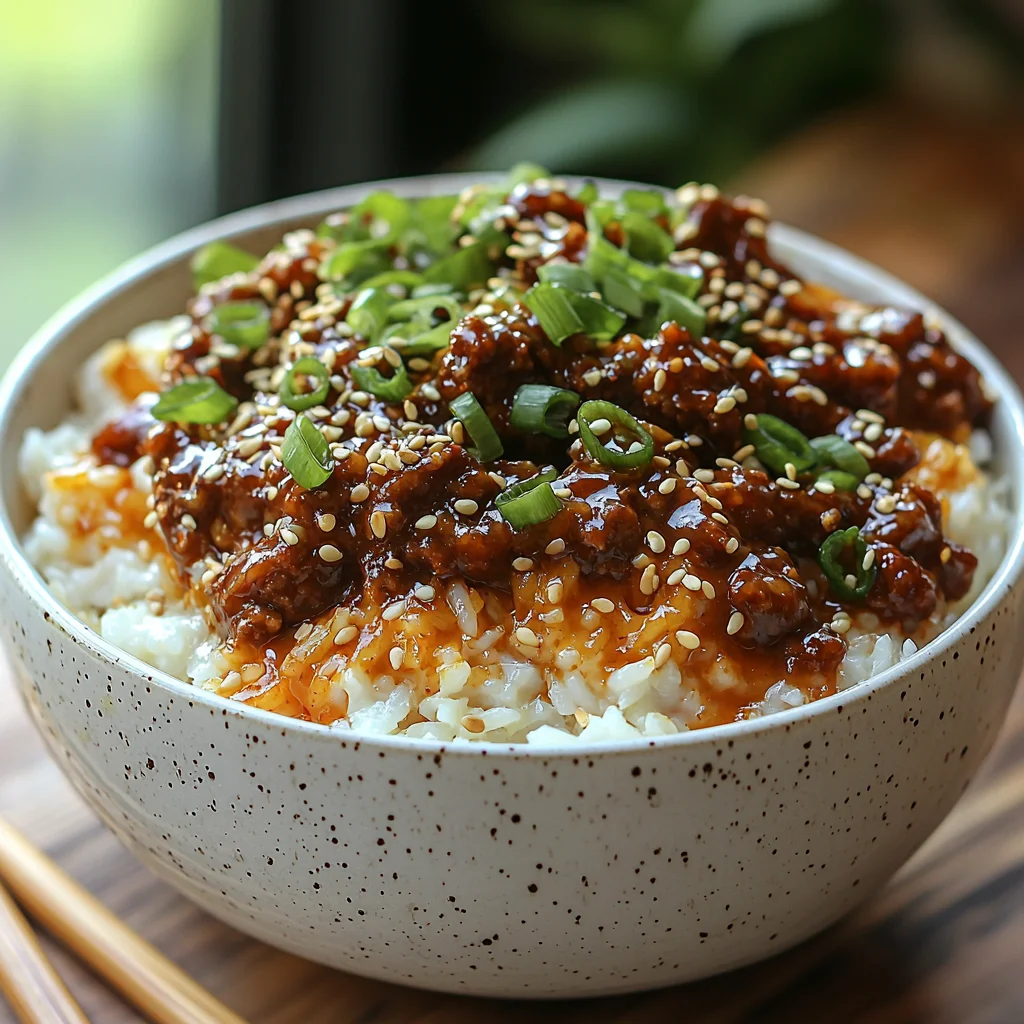
Korean Ground Beef Bowl
Ingredients
Method
- In a small bowl, whisk together soy sauce, brown sugar, sesame oil, garlic, ginger, red pepper flakes, and black pepper.
- Heat a large skillet over medium-high heat. Add the ground beef and cook until browned, breaking it into small pieces as it cooks.
- Drain any excess fat from the skillet.
- Pour the sauce mixture over the cooked beef and stir to coat evenly. Cook for 2-3 minutes until the sauce thickens slightly.
- Serve the ground beef over cooked rice.
- Garnish with sliced green onions and sesame seeds.
- Enjoy immediately!


