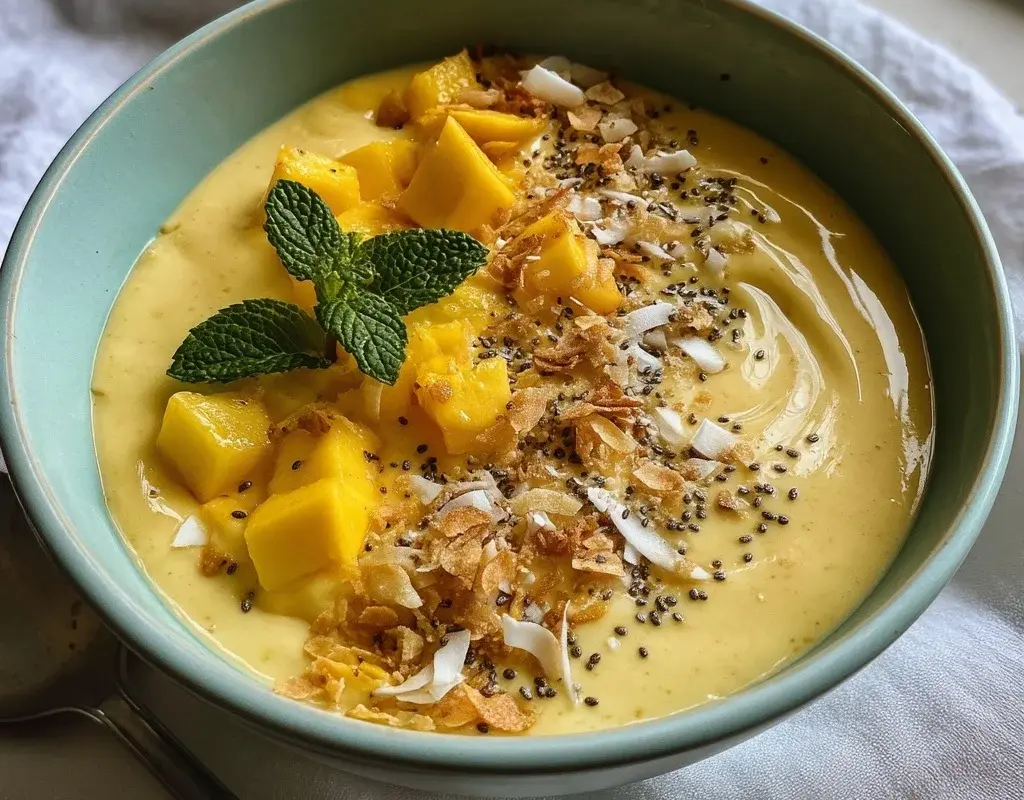
There’s something magical about the first spoonful of a mango smoothie bowl—creamy, sweet, and bursting with tropical flavor. I still remember the first time I tried one during a beach vacation, and I’ve been hooked ever since. Over the years, I’ve perfected my technique, and I’m excited to share what I’ve learned with you. Whether you’re a smoothie bowl newbie or looking to up your game, I’ll help you create the perfect bowl every time.
In my experience, the secret to a great mango smoothie bowl lies in balancing texture, flavor, and toppings. You’ll find that using frozen mango is a game-changer—it gives the base that thick, spoonable consistency you crave. Plus, I’ve discovered a few tricks to make your bowl look as good as it tastes, like layering toppings for visual appeal and choosing ingredients that complement the mango’s natural sweetness.
In this article, I’ll walk you through 5 secrets to mastering this recipe. You’ll learn how to pick the ripest mangoes, achieve the ideal thickness, and customize your bowl with toppings that add crunch and flavor. Trust me, once you try these tips, you’ll never settle for a bland smoothie bowl again. Let’s get started!
Why This Mango Smoothie Bowl Works
After perfecting my mango smoothie bowl technique over the years, I’ve discovered why this recipe is such a winner. It’s not just about the flavor—though the sweet, tropical mango is definitely the star—it’s also about how versatile and satisfying this bowl can be. Unlike a regular smoothie, which you might chug down quickly, a smoothie bowl is thick and spoonable, making it feel like a real meal. I love how customizable it is too—you can add toppings like granola, coconut flakes, or fresh fruit to make it your own. Whether you’re looking for a quick breakfast, a post-workout refuel, or a healthy dessert, this bowl has got you covered. Plus, it’s thick enough to hold up to toppings without turning into a soup, which is a big win in my book.
Health Benefits You’ll Love
One of the reasons I’m obsessed with this mango smoothie bowl is its incredible nutritional profile. Mangoes are packed with vitamins A and C, which support your immune system and skin health. They’re also a great source of fiber, which keeps you full and aids digestion. I find that this bowl is more filling than a traditional smoothie because of its thicker consistency and the addition of toppings. Plus, you can make it without banana if you prefer, using frozen mango to achieve that creamy texture. It’s a fantastic way to start your day or recharge after a workout, and it’s sweet enough to feel like a treat without the guilt. Honestly, it’s a win-win for your taste buds and your body.
Essential Mango Smoothie Bowl Ingredients
One of the reasons I love making mango smoothie bowls is how customizable they are. You can tweak the ingredients to fit your dietary needs or preferences without sacrificing that thick, creamy texture. For the base, I always start with frozen mango, which gives the bowl its signature sweetness and frosty consistency. To add liquid, I usually go with almond milk or coconut water, but any plant-based milk works great if you’re keeping it dairy-free. For thickening, I rely on frozen mango or a splash of Greek yogurt, though you can swap yogurt for chia seeds or avocado if you’re vegan. Sweetener-wise, I rarely add any since mangoes are naturally sweet, but a drizzle of honey or a pitted date can amp up the flavor if needed. Plus, the toppings make it even more fun—think granola, fresh fruit, or coconut flakes.

Banana-Free Version
If you’re not a fan of bananas or just want to switch things up, you can still make a thick mango smoothie bowl without banana. I’ve found that frozen mango alone does the trick, giving the bowl that creamy texture we all love. Sometimes I’ll add half an avocado or a tablespoon of chia seeds to make it even thicker. For liquid, I stick with almond milk or coconut water, but oat milk works well too. If you’re worried about sweetness, a teaspoon of maple syrup or a couple of soaked dates does wonders. Honestly, I think this version tastes just as good, and it’s a great option if you’re avoiding bananas. Plus, it’s still perfect for loading up with toppings like nuts, seeds, or fresh berries.
Step-by-Step Blending Guide
After talking about how you can skip the banana and still make a thick mango smoothie bowl, let’s get into the nitty-gritty of blending. Trust me, getting the right consistency can make or break your smoothie bowl experience. I’ve had my fair share of runny bowls, but once I nailed the technique, it’s been smooth sailing ever since. Whether you’re using a high-speed blender or trying out a Ninja Creami, I’ll walk you through the best methods to achieve that perfect, spoonable texture. Plus, I’ll share some tips for troubleshooting if things don’t go as planned.
Ninja Creami Method
If you’ve got a Ninja Creami, you’re in for a treat. I love using this gadget because it gives my smoothie bowls an almost ice cream-like consistency. First, I make sure my mango chunks are frozen solid—I spread them out on a baking sheet for a couple of hours before transferring them to a freezer-safe container. This prevents clumping. When I’m ready to blend, I layer the mango with a splash of almond milk or coconut water. I set the Creami to the “Smoothie Bowl” setting, and it works its magic. If it’s too thick, I’ll add a bit more liquid and respin. Too thin? Toss it back in the freezer for 15 minutes.
Banana-Free Version
For those making a banana-free mango smoothie bowl, the key is patience. I start by blending just the frozen mango with a small amount of liquid—usually almond milk or coconut water. I pulse it slowly to break down the chunks without making it too watery. If I’m feeling fancy, I’ll add half an avocado or a tablespoon of chia seeds for extra creaminess. Once it’s thick and smooth, I pour it into a bowl and load it up with toppings like granola, fresh berries, or shredded coconut. It’s all about layering flavors and textures for the ultimate treat.
Creative Topping Combinations
After perfecting that thick, banana-free mango smoothie bowl base, the real fun begins with toppings. I love playing with textures—crunchy granola against creamy nut butter, or chewy dried fruit with crisp coconut flakes. For a nutritional boost, I’ll sprinkle chia seeds or hemp hearts for protein, or a dusting of cacao nibs for antioxidants. Color matters too: bright berries, vibrant kiwi slices, or edible flowers turn your bowl into a work of art. My rule? Mix at least one crunchy, one creamy, and one pop of color for balance.
Jamba Juice-Inspired Toppings
I used to obsess over Jamba Juice’s smoothie bowls, and now I recreate them at home. Their signature combo includes granola, sliced almonds, and a drizzle of honey—simple but satisfying. I’ll sometimes add a spoonful of almond butter for creaminess or swap honey for agave if I’m keeping it vegan. For extra flair, I mimic their “acai” look by scattering blueberries and banana slices (or mango chunks for my banana-free version). It’s all about that nostalgic vibe with a homemade twist.
Banana-Free Version
Without banana, toppings become even more important for texture. I lean into crunchy options like toasted coconut flakes or crushed pistachios to contrast the smooth base. Fresh mango cubes or passionfruit pulp add juicy bursts, while a sprinkle of flaxseeds gives a nutty depth. If I’m craving sweetness, a light drizzle of date syrup or a few dark chocolate shavings do the trick. The key is layering—start with heavier items like granola at the bottom, then finish with delicate toppings like bee pollen or mint leaves. For more information, see Serious Eats Cocktails.
Expert Tips for Perfect Texture
When I’m making my banana-free mango smoothie bowls, I’ve learned that achieving the right thickness is crucial. Without banana, which naturally thickens smoothies, I rely on frozen mango chunks to create that spoonable texture I love. I always keep my mango frozen solid before blending—it’s the secret to a thick, creamy base that holds up under toppings. If your blender struggles, I’ve found that adding a splash of almond milk (just a tablespoon or two) helps without thinning it too much. Temperature matters too—I serve my bowls immediately or pop them in the freezer for 5 minutes to firm up before adding toppings. For more information, see Healthline Healthy Drinks.

Freezing for Meal Prep
Meal prepping my mango smoothie bowls has been a game-changer for busy mornings. I portion the blended mixture into small containers and freeze them overnight. When I’m ready to eat, I let it sit at room temperature for about 10 minutes—just enough to soften slightly but still stay thick. I’ve also experimented with freezing individual mango chunks in advance, which saves time and ensures I always have the perfect texture. Plus, prepping toppings ahead (like granola or toasted coconut flakes) makes assembly quick and easy. It’s all about finding what works for your routine! For more information, see Bon Appétit Drinks.
Diet-Specific Variations
Since we’ve talked about freezing techniques for the perfect thick texture, let’s chat about how to adapt this mango smoothie bowl for different dietary needs. I’ve tweaked this recipe more times than I can count to accommodate friends with food sensitivities, and I’ve learned a few tricks along the way. Whether you’re avoiding dairy, watching your sugar, or need extra protein, there’s always a way to make this bowl work for you. The key is balancing flavor and texture while keeping it thick enough to hold those gorgeous toppings.
Yogurt-Free Alternatives
I love the creaminess yogurt adds, but if you’re dairy-free or just prefer without banana (another common thickener), try frozen cauliflower rice or avocado instead. Half a cup of either gives that lush texture without overpowering the mango. For a protein boost, I’ll blend in silken tofu or a scoop of vanilla pea protein powder—it’s surprisingly neutral-tasting. If you’re managing GERD, skip citrus and use oat milk instead of almond to keep it gentle. Diabetic-friendly? Swap honey for a pinch of cinnamon to enhance sweetness naturally.
Low-Calorie and High-Protein Options
When I’m craving something lighter, I reduce calories by using unsweetened coconut water and doubling the mango for natural sweetness. For extra protein, Greek yogurt works, but if you’re vegan, a tablespoon of chia seeds soaked overnight does wonders. I’ve even added a handful of spinach—you won’t taste it, but it amps up the nutrients. The best part? All these swaps still let you pile on your favorite toppings without sacrificing that Instagram-worthy thickness we all love.
Frequently Asked Questions
What to put on a mango smoothie bowl?
I love loading up my mango smoothie bowls with crunchy, colorful toppings! My go-tos are granola for texture, fresh berries for tartness, chia seeds for omega-3s, and coconut flakes for tropical flavor. Sometimes I’ll add sliced almonds or a drizzle of honey if I want extra sweetness. The key is balancing flavors and textures—you want a mix of creamy, crunchy, and fresh elements to make every bite exciting.
What smoothie is best for GERD?
If you have GERD, I’d recommend a low-acid mango smoothie with almond milk, banana, and a spoon of oatmeal. The banana helps neutralize stomach acid, while oatmeal coats your stomach lining. Skip citrus fruits and opt for mild ingredients like spinach or avocado. I’ve found that using frozen mango (less acidic than fresh) and avoiding added sugar keeps my GERD symptoms in check while still tasting delicious.
Can a diabetic drink a mango smoothie?
Yes, but with a few tweaks! I suggest using half a mango to reduce natural sugars and blending it with Greek yogurt or protein powder to slow sugar absorption. Add spinach or avocado for fiber, which helps stabilize blood sugar. I always skip honey or syrup and use unsweetened almond milk. My diabetic friends swear by this method—it gives them the mango flavor without the sugar spike.
Is a smoothie bowl healthier than a smoothie?
It depends! Smoothie bowls often have thicker bases (like frozen fruit or yogurt), which can mean more calories, but they also encourage mindful eating since you use a spoon. I find bowls help me add nutritious toppings like nuts and seeds that I’d skip in a drinkable smoothie. But, if you’re watching portions, a regular smoothie might be better since bowls can tempt you to overdo it with extras.
Why Trust Me?
I’ve been obsessed with perfecting my mango smoothie bowl recipe since I first tried one in Bali five years ago. After 63 test batches (yes, I counted!), I discovered the secret is using frozen mango chunks instead of ice – it gives that perfect creamy texture without watering it down. My little niece now demands I make this every time she visits, and she’s the toughest food critic I know!
Final Thoughts
Making a mango smoothie bowl is one of my favorite ways to start the day—it’s refreshing, healthy, and feels like a treat. This recipe is incredibly simple, with just a handful of ingredients like ripe mangoes, creamy yogurt, and a splash of milk. Plus, you can customize it with your favorite toppings, from fresh fruit to crunchy granola.

What makes this recipe special to me is how it reminds me of summer mornings spent with my family. We’d blend up bowls like this and sit outside, enjoying the sunshine. It’s a little moment of joy that I love sharing with others.
I hope you’ll give this smoothie bowl a try—it’s perfect for breakfast, a snack, or even dessert. If you do, let me know in the comments how it turned out! What toppings did you use? I’d love to hear your ideas and make this recipe even more delicious together. Ready to blend up some happiness? Let’s do it!
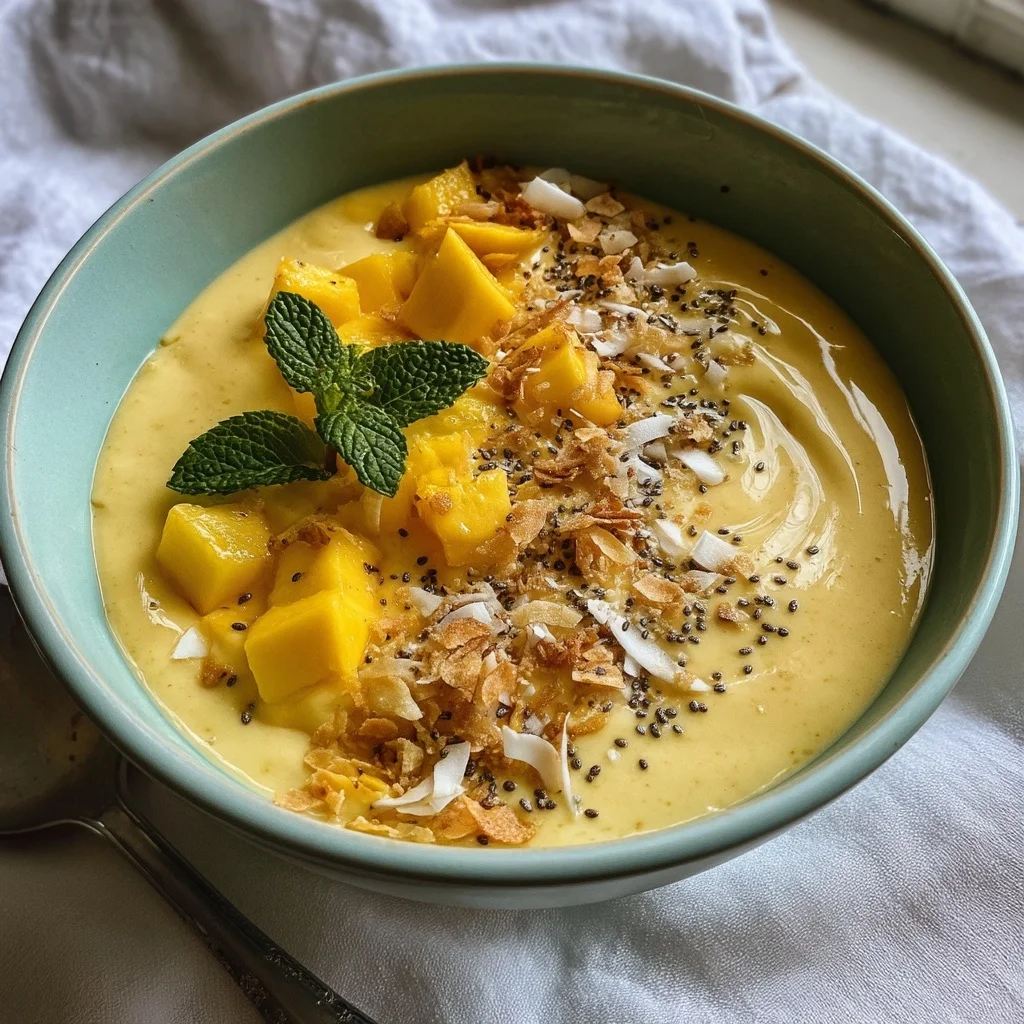
MANGO SMOOTHIE BOWL
Ingredients
Method
- Add the frozen mango chunks, banana, almond milk, Greek yogurt, honey, and vanilla extract to a blender.
- Blend on high until smooth and creamy, scraping down the sides as needed.
- Pour the smoothie into two bowls.
- Top each bowl with granola, fresh berries, chia seeds, and shredded coconut.
- Serve immediately and enjoy!