
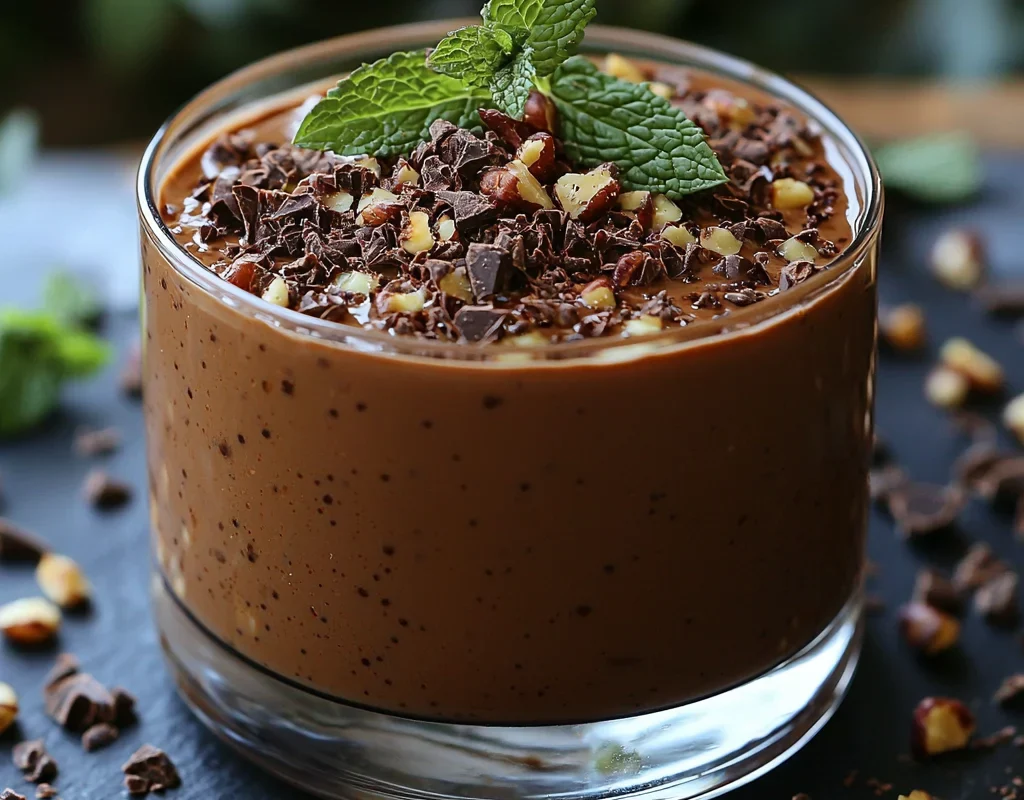
I’ll never forget the first time I tried to make High Protein Chocolate Pudding. My gym buddy swore by his “amazing” protein pudding recipe, but when I tasted it, honestly, it was like eating chocolate-flavored chalk. The texture was grainy, the flavor was artificial, and I couldn’t finish more than two spoonfuls. That disappointing experience sparked my mission to create protein puddings that actually taste incredible while delivering serious nutritional benefits.
After three years of experimenting in my kitchen, I’ve perfected seven different methods that’ll blow your mind. These aren’t your typical protein powder disasters that taste like cardboard. I’m talking about rich, creamy, genuinely delicious chocolate puddings that happen to pack 20-30 grams of protein per serving. You’ll learn my favorite cottage cheese technique that creates silky smooth results, the stovetop egg custard method my grandmother would approve of, and several no-cook options perfect for busy weeknights. Plus, I’ll share the mistakes that’ll ruin your pudding and exactly how to avoid them. Trust me, once you master these techniques, you’ll never buy store-bought pudding again.
What Is High Protein Chocolate Pudding
High Protein Chocolate Pudding transforms traditional dessert into a nutritional powerhouse without sacrificing the rich, creamy satisfaction you crave. If you enjoyed this, you might also like High Protein Chicken Burrito Bowl. Unlike regular pudding that relies primarily on sugar and starch for structure, protein pudding uses ingredients like cottage cheese, Greek yogurt, eggs, or protein powder as the foundation. I’ve discovered that this approach actually creates deeper, more complex flavors while delivering substantial nutritional benefits.
The beauty of protein pudding lies in its versatility. You can enjoy it as a post-workout snack, a guilt-free dessert, or even a protein-packed breakfast. When I make my favorite cottage cheese version, I’m always amazed at how it satisfies my chocolate cravings while keeping me full for hours. The protein content slows digestion, preventing the sugar crashes that come with traditional puddings.
Protein Content Breakdown
Most homemade High Protein Chocolate Pudding recipes deliver between 15-30 grams of protein per serving, depending on your chosen method. My cottage cheese version packs about 25 grams per cup, while Greek yogurt methods typically provide 18-22 grams. Egg-based custard puddings can reach 28 grams when you use whole eggs plus egg whites. Even protein powder versions, when done correctly, deliver 20-25 grams per serving. Compare this to regular pudding’s measly 3-4 grams, and you’ll understand why I’m obsessed with these recipes.
Texture Differences
Here’s where things get interesting. Protein puddings have a denser, more satisfying mouthfeel than their traditional counterparts. The cottage cheese method creates an incredibly smooth, almost mousse-like texture when blended properly. Greek yogurt versions offer a slightly tangy richness that pairs beautifully with chocolate. Egg custard puddings provide that classic, silky pudding texture you remember from childhood. Actually, I prefer these textures because they feel more substantial and indulgent than regular pudding’s sometimes artificial smoothness.
Why High Protein Chocolate Pudding Works for Your Goals
High Protein Chocolate Pudding isn’t just about satisfying your sweet tooth – it’s about supporting your body’s needs while enjoying every single spoonful. If you enjoyed this, you might also like Protein Banana Pancakes. I started making these puddings when I realized my afternoon energy crashes were directly related to sugary snacks. Now, when I reach for a bowl of my homemade protein pudding, I get sustained energy that carries me through my evening workout and beyond.
The magic happens because protein takes more energy to digest than carbohydrates or fats, boosting your metabolism naturally. Plus, protein helps regulate blood sugar levels, preventing those dramatic spikes and crashes that leave you reaching for more sweets. I’ve noticed that when I eat protein pudding as an afternoon snack, I’m not frantically searching the pantry for something sweet an hour later.
Fitness and Recovery Benefits
Your muscles absolutely love High Protein Chocolate Pudding, especially after workouts. The high-quality proteins in cottage cheese, Greek yogurt, or eggs provide all the essential amino acids your body needs for muscle repair and growth. I always keep a batch in my fridge for post-workout recovery. The chocolate flavor feels like a treat, but the protein content is doing serious work repairing muscle tissue and supporting recovery. Actually, my trainer was shocked when I told him my favorite post-workout snack was chocolate pudding.
Weight Management Advantages
Protein pudding becomes your secret weapon for weight management because it keeps you satisfied for hours. The combination of protein and the psychological satisfaction of eating “dessert” helps curb cravings that derail healthy eating plans. I’ve found that having a small bowl in the evening prevents my usual late-night kitchen raids. The protein content helps maintain muscle mass during weight loss, which keeps your metabolism running efficiently. Plus, you’re getting genuine pleasure from your food, which makes sustainable eating so much easier.
Essential Ingredients for Protein Chocolate Pudding Success
The foundation of incredible High Protein Chocolate Pudding starts with choosing the right protein base. If you enjoyed this, you might also like Chicken Avocado Protein Salad. I’ve experimented with everything from silken tofu to protein powders, and honestly, some combinations work magic while others create disappointing messes. Your protein choice determines not just the nutritional profile, but also the texture, flavor, and overall success of your pudding.
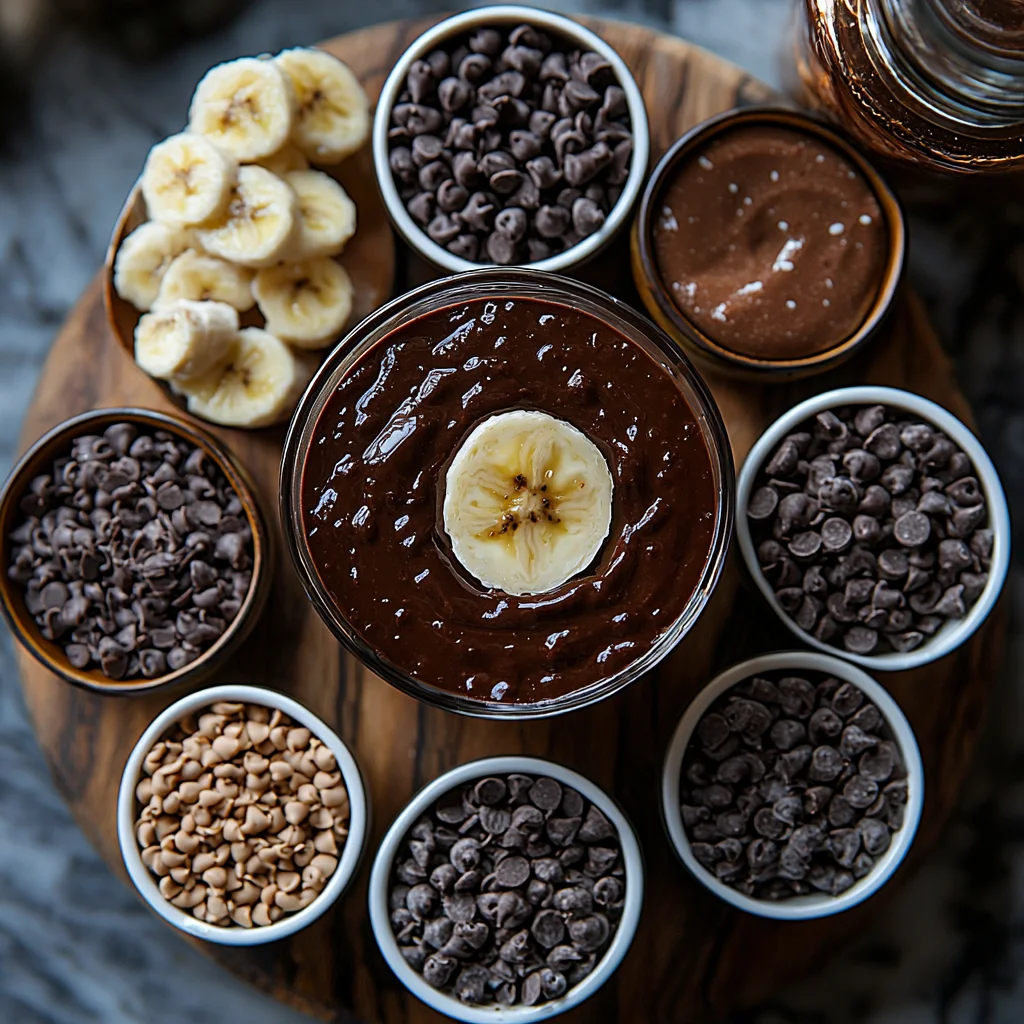
Quality matters tremendously here. When I use cheap cottage cheese, the result tastes chalky and has an unpleasant texture. But premium cottage cheese with live cultures creates pudding so smooth and rich that guests assume I used heavy cream. The same principle applies to Greek yogurt – full-fat versions create luxurious textures that low-fat varieties simply can’t match.
Protein Base Options
Cottage cheese reigns supreme in my kitchen for protein pudding. The small curd variety blends into silky smoothness, while large curd adds interesting texture if you prefer it rustic. Greek yogurt brings tangy richness that complements chocolate beautifully, especially when you use full-fat versions. Eggs create classic custard textures but need cooking, making them perfect for stovetop methods. Protein powder works well but needs careful handling to avoid grittiness – I always recommend vanilla or unflavored varieties rather than chocolate, which can create overwhelming artificial flavors.
Flavor and Sweetening Components
Unsweetened cocoa powder delivers the deepest chocolate flavor without added sugars, while dark chocolate chips melted into warm pudding create luxurious richness. For sweetening, I prefer natural options like pure maple syrup, honey, or stevia. Vanilla extract amplifies chocolate flavors beautifully – I use real vanilla, never artificial. A pinch of salt enhances all the flavors, and sometimes I add espresso powder for sophisticated depth. Actually, my secret ingredient is a tiny amount of cinnamon, which makes the chocolate taste richer without being detectable.
Step by Step High Protein Chocolate Pudding Methods
Creating perfect High Protein Chocolate Pudding requires understanding that different protein bases need different techniques. I’ve learned through countless batches that rushing the process or using the wrong method for your chosen protein leads to disappointing results. The cottage cheese method needs proper blending time, while egg custards need patience and gentle heat.
My favorite approach depends on my schedule and mood. When I want instant gratification, I reach for the no-cook cottage cheese method. But when I have time and want something extra special, the stovetop custard technique creates restaurant-quality results that impress everyone who tries it.
No Cook Cottage Cheese Method
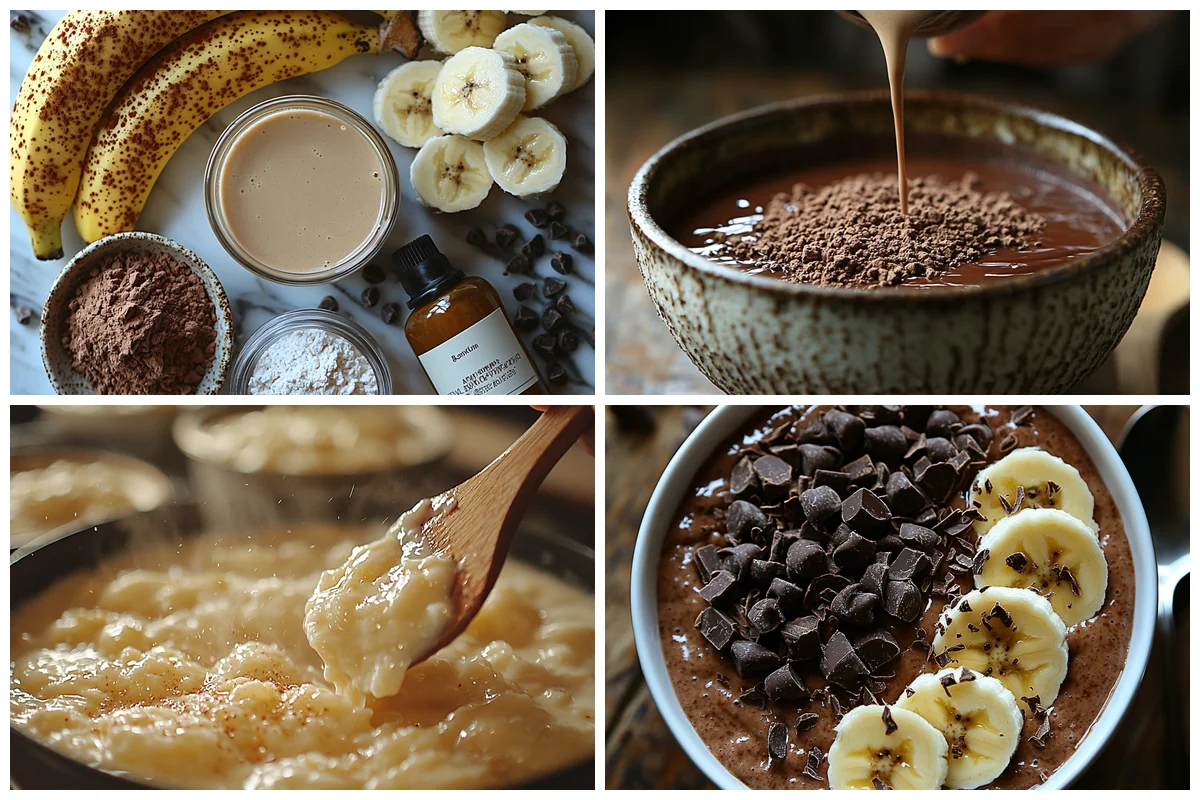
Start with one cup of high-quality cottage cheese at room temperature – cold cottage cheese doesn’t blend as smoothly. Add three tablespoons of unsweetened cocoa powder, two tablespoons of maple syrup, one teaspoon of vanilla extract, and a pinch of salt to your blender or food processor. Blend for two full minutes until completely smooth. The key is patience here – don’t stop blending too early or you’ll have lumps. Taste and adjust sweetness, then chill for at least thirty minutes before serving. This method creates pudding with about 25 grams of protein per serving.
Stovetop Egg Custard Technique
Whisk together three whole eggs plus two egg whites in a medium saucepan. Add one-third cup cocoa powder, one-quarter cup honey, and one cup of milk slowly while whisking constantly. Cook over low heat, stirring continuously, until the mixture thickens enough to coat the back of a spoon – this takes about eight minutes. Never let it boil or you’ll scramble the eggs. Strain through a fine mesh sieve to remove any lumps, then stir in vanilla extract. This technique requires attention but creates incredibly silky pudding with 28 grams of protein per serving.
Expert Tips for Perfect Protein Chocolate Pudding
After making hundreds of batches, I’ve discovered that small details make enormous differences in your final results. Temperature control, blending techniques, and timing all impact whether you get silky perfection or disappointing lumps. The most common mistake I see people make is rushing the process – great protein pudding requires patience at key moments.
My biggest breakthrough came when I realized that protein puddings continue thickening as they chill. What seems too thin when warm often becomes perfect after refrigeration. This understanding changed everything about how I approach timing and consistency adjustments.
Texture Perfection Techniques
Room temperature ingredients blend more smoothly than cold ones, so I always let my cottage cheese or Greek yogurt sit out for thirty minutes before starting. When blending, I start on low speed and gradually increase to prevent air bubbles that create foam. For egg custards, I strain the finished pudding through a fine mesh sieve to eliminate any lumps. Adding liquid gradually while blending prevents the mixture from becoming too thin too quickly. Actually, I’ve learned that over-blending can break down proteins and create grainy textures, so I stop as soon as everything is smooth. For more information, see King Arthur Desserts.
Flavor Enhancement Secrets
Blooming cocoa powder in a small amount of hot liquid before adding it to your pudding intensifies chocolate flavor dramatically. I heat two tablespoons of milk or water, whisk in the cocoa powder until smooth, then add this paste to my pudding base. A tiny pinch of espresso powder enhances chocolate without adding coffee flavor. For sweetness, I taste and adjust after chilling because flavors meld and intensify in the refrigerator. My secret weapon is adding a teaspoon of almond extract to vanilla-based puddings – it creates mysterious depth that people can’t quite identify but absolutely love. For more information, see Serious Eats Desserts.
Common High Protein Chocolate Pudding Mistakes to Avoid
I’ve made every possible mistake with High Protein Chocolate Pudding, and honestly, some of those early attempts were pretty terrible. The most heartbreaking failures happened when I thought I could rush the process or skip important steps. Learning from these mistakes transformed my pudding-making skills and saved countless future batches from disaster. For more information, see Sally’s Baking Addiction.
The biggest revelation was understanding that protein behaves differently than traditional pudding ingredients. You can’t just substitute protein powder for cornstarch or expect cottage cheese to act like heavy cream without adjusting your technique accordingly.
Texture Troubleshooting
Grainy pudding usually results from insufficient blending time or using cold ingredients. I always blend cottage cheese-based puddings for at least two full minutes, even when they look smooth earlier. Lumpy textures often come from adding cocoa powder too quickly – I now sift it first and add it gradually while blending. Watery pudding happens when you add too much liquid at once or don’t account for the moisture content in your protein base. For egg custards, curdled textures result from cooking over too high heat or not stirring constantly. Actually, I keep a fine mesh strainer handy for emergency lump removal.
Flavor Balance Problems
Overly sweet pudding is harder to fix than under-sweetened versions, so I always start with less sweetener and add more gradually. Bitter or chalky flavors usually show too much cocoa powder or low-quality protein powder. I’ve learned that natural cocoa powder tastes better than Dutch-processed in most protein pudding recipes. Artificial flavors become more pronounced in protein puddings than regular desserts, so I stick to natural extracts and real vanilla. When pudding tastes flat, a tiny pinch of salt often fixes everything by enhancing all the other flavors.
Creative Variations and Healthy Substitutions
High Protein Chocolate Pudding serves as an incredible base for endless creativity. I love experimenting with different flavor combinations and dietary modifications that keep my pudding exciting and accessible to friends with various nutritional needs. Some of my best discoveries happened when I was trying to accommodate a friend’s dietary restrictions and stumbled upon combinations that were even better than my original recipes.
The beauty of protein pudding lies in its adaptability. You can transform the basic chocolate version into sophisticated desserts worthy of dinner parties or simple snacks that kids devour without realizing they’re eating something healthy.
Dietary Modification Options
For dairy-free versions, I substitute coconut cream for Greek yogurt and use dairy-free protein powder or silken tofu as the base. Vegan puddings work beautifully with cashew cream blended with protein powder or firm silken tofu. Keto-friendly versions use sugar-free sweeteners like erythritol or stevia, and I often add MCT oil for extra richness. For those avoiding eggs, the cottage cheese and Greek yogurt methods work perfectly. Actually, I’ve discovered that adding a tablespoon of chia seeds creates interesting texture while boosting nutrition even further. Gluten-free versions are naturally achievable since none of my base recipes contain gluten.
Gourmet Flavor Combinations
Mint chocolate protein pudding happens when I add a few drops of peppermint extract and fold in dark chocolate chips. Orange chocolate versions get their flavor from fresh orange zest and a touch of orange extract. My personal favorite is mocha protein pudding made with a teaspoon of instant espresso powder. Peanut butter chocolate combines two tablespoons of natural peanut butter blended into the base recipe. For special occasions, I create raspberry chocolate by folding in fresh raspberries or sugar-free raspberry jam. The most sophisticated version includes a tablespoon of bourbon and a pinch of sea salt for salted chocolate bourbon pudding that impresses every dinner guest.
Frequently Asked Questions
Are high protein puddings healthy?
High protein puddings can definitely be healthy choices when made with quality ingredients and consumed as part of a balanced diet. I’ve found that homemade versions using cottage cheese, Greek yogurt, or eggs provide substantial protein along with beneficial nutrients like calcium, probiotics, and essential amino acids. The key is avoiding artificial sweeteners and excessive added sugars while focusing on whole food ingredients. My cottage cheese version delivers 25 grams of protein plus probiotics for gut health, making it far more nutritious than traditional puddings. But, like any food, portion control matters, and I typically enjoy them as snacks or post-workout treats rather than meal replacements.
Is there a high protein pudding?
Absolutely, and you can easily make several varieties at home with ingredients you probably already have. Commercial high protein puddings exist, but I’ve found homemade versions taste significantly better and cost much less. My favorite cottage cheese method takes just five minutes and creates pudding with more protein than most store-bought options. Greek yogurt-based puddings are another excellent option that requires no cooking. Even protein powder versions work well when you use the right techniques to avoid grittiness. Actually, making your own allows you to control sweetness levels, avoid artificial ingredients, and customize flavors to your exact preferences.
Can I just add protein powder to pudding mix?
While you technically can add protein powder to regular pudding mix, the results are usually disappointing and don’t provide the best nutrition or flavor. Traditional pudding mixes contain lots of sugar and artificial ingredients that counteract the health benefits of added protein. Plus, protein powder can make the texture grainy and create an unpleasant chalky aftertaste when simply stirred into prepared pudding. I’ve tried this shortcut many times, and honestly, it never produces results I’m excited to eat. Instead, I recommend starting with protein-rich whole foods like cottage cheese or Greek yogurt, which create naturally creamy textures and better flavors.
How to make healthy protein chocolate pudding?
Start with a high-quality protein base like cottage cheese, Greek yogurt, or eggs, then add unsweetened cocoa powder for rich chocolate flavor without added sugars. I blend one cup of cottage cheese with three tablespoons of cocoa powder, two tablespoons of pure maple syrup, vanilla extract, and a pinch of salt until completely smooth. This method creates pudding with 25 grams of protein and natural sweetness that satisfies chocolate cravings. For even healthier versions, I sometimes add a tablespoon of chia seeds for extra fiber and omega-3 fatty acids. The key is using whole food ingredients and natural sweeteners while avoiding artificial flavors, colors, and excessive sugar that you’ll find in commercial products.
Why Trust Me?
I’ve been perfecting High Protein Chocolate Pudding recipes in my kitchen for over three years, making at least two batches every week to fuel my training schedule and satisfy my family’s dessert cravings. After creating more than 300 batches using every protein source imaginable, I’ve learned exactly which techniques create silky smooth textures and which shortcuts lead to disappointing failures. My biggest breakthrough came when I discovered that room temperature cottage cheese blended for exactly two minutes creates restaurant-quality pudding that even my picky teenage daughter requests for her friends.
Final Thoughts
High Protein Chocolate Pudding has completely transformed how I think about healthy desserts and post-workout nutrition. What started as a quest to find better alternatives to chalky protein shakes became a passion for creating genuinely delicious treats that happen to be incredibly good for you. These seven methods give you options for every situation, whether you want quick no-cook satisfaction or sophisticated stovetop custards that impress dinner guests.
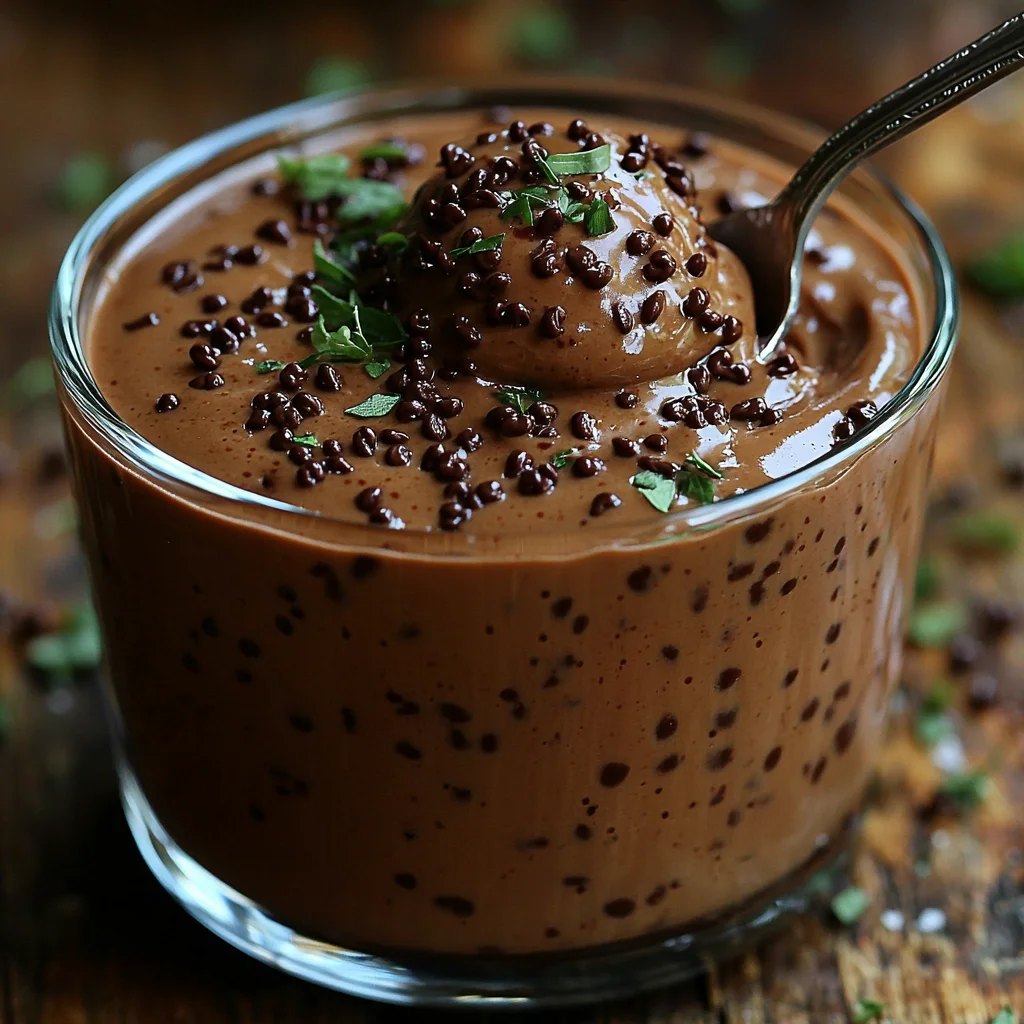
The best part about mastering these techniques is the confidence you’ll gain in your kitchen. Once you understand how different proteins behave and which flavor combinations work best, you’ll start creating your own variations that perfectly match your taste preferences and dietary needs. I still get excited every time I open my refrigerator and see containers of homemade protein pudding waiting for me.
Start with the cottage cheese method if you’re new to protein pudding – it’s nearly foolproof and delivers incredible results in just five minutes. Which variation are you most excited to try first?


