

There’s nothing quite like the rich, velvety comfort of a perfect Creamy Alfredo Sauce—the kind that clings to every strand of pasta and makes you close your eyes with the first bite. I remember the first time I nailed this recipe after years of trial and error, and now it’s my go-to for quick, indulgent dinners. The secret? It’s all in the technique and a few simple tricks most recipes don’t tell you.
In this guide, I’ll share my 5 secrets to making the best Creamy Alfredo Sauce you’ve ever tasted—no lumps, no separation, just smooth, decadent perfection every time. You’ll learn why the type of cheese matters more than you think, how to prevent your sauce from breaking, and the one ingredient that adds unbelievable depth of flavor. Plus, I’ll walk you through common mistakes (like overheating the sauce) so you can avoid them altogether.
Whether you’re a beginner or a seasoned cook, these tips will transform your Alfredo game. Trust me, once you try this method, you won’t go back to store-bought or restaurant versions. Let’s get started!
What Makes the Perfect Creamy Alfredo Sauce
That moment when your fork twirls through silky, creamy Alfredo sauce—it’s pure magic. But what separates a lackluster sauce from the kind that makes you lick the plate? I’ve learned it’s all about balance. Traditional Alfredo relies on just butter, Parmesan, and pasta water, but my modern twist adds heavy cream and a touch of cream cheese for extra richness without overpowering the cheese’s nutty flavor.
The History of Alfredo Sauce
Believe it or not, the original Alfredo sauce was born in Rome in the early 1900s, created by Alfredo di Lelio for his pregnant wife. His version was simpler—just butter and Parmigiano-Reggiano emulsified with starchy pasta water. Over time, American adaptations added cream for a thicker texture. I love honoring the classic, but I’ll admit, a splash of cream makes it more forgiving for home cooks.
The Science Behind Creaminess
The key to that velvety texture? Fat and emulsification. Butter and heavy cream create a luscious base, while the starch in pasta water helps bind everything together. I always grate my cheese finely—it melts evenly, preventing clumps. And here’s my trick: let the sauce simmer gently. Boiling it can cause separation, leaving you with a greasy mess instead of that dreamy, homemade perfection.
Essential Ingredients for Creamy Alfredo Sauce
That velvety texture we talked about? It all starts with four simple but mighty ingredients: butter, heavy cream, Parmesan, and garlic. I learned the hard way that skimping on quality here makes all the difference—especially with the cheese. A block of real Parmigiano-Reggiano, grated fresh, melts into the sauce like silk, while pre-shredded stuff often leaves a grainy texture. And don’t even get me started on the “green can” Parmesan—it just won’t give you that homemade magic.

Dairy Choices Explained
I swear by heavy cream for its lush consistency, but I’ve found a tablespoon of cream cheese adds extra body without dulling the Parmesan’s sharpness. Half-and-half works in a pinch, but it won’t thicken as well. For a lighter twist, whole milk can work if you simmer it longer, though the sauce won’t cling to pasta quite as dreamily. My non-dairy friends swear by cashew cream, but honestly? It’s not quite the same.
Why Quality Parmesan Matters Most
The first time I made Alfredo with cheap grated cheese, it clumped into rubbery bits—total heartbreak. Real Parmigiano-Reggiano has natural emulsifiers that melt smoothly, blending into the butter and cream seamlessly. I buy a small wedge and grate it myself right before cooking. Pro tip: Save the rind! Toss it into soups for an umami boost.
Step-by-Step Creamy Alfredo Sauce Recipe
After stressing about cheese quality in the last section, let’s get cooking! I start by melting butter over medium-low heat—too hot and it’ll brown, altering the sauce’s delicate flavor. Once it’s just foamy, I add minced garlic and let it sizzle for 30 seconds until fragrant but not browned. Then comes the heavy cream, warmed gently so it doesn’t curdle when the cheese hits it. Here’s my trick: I take the pan off the heat before stirring in the grated Parmigiano-Reggiano handful by handful, letting each melt completely. This keeps the sauce velvety instead of grainy.
Temperature Control Tips
I’ve learned the hard way that rushing this sauce ruins it. Keep everything at a gentle simmer—if it boils, the dairy can separate. When adding cheese, let the pan cool slightly so the proteins melt smoothly. If the sauce thickens too much, a splash of pasta water brings it back to life. My stove’s “3” setting is perfect for maintaining that low, steady heat needed for homemade perfection.
The Right Way to Incorporate Cheese
Dumping all the cheese at once is a rookie mistake I made for years. Now I add it gradually, stirring in one direction with a wooden spoon to encourage even melting. If I’m using cream cheese, I whisk it in right after the heavy cream until no lumps remain. The sauce should coat the back of a spoon thickly but still flow—that’s when I know it’s ready to cling to every noodle.
Expert Tips for Ultra-Creamy Results
Adding Parmigiano-Reggiano handful by handful is just the start of achieving that dreamy Alfredo texture. I’ve picked up a few tricks over the years that make all the difference between good and restaurant-quality sauce.
Cheese Grating Matters
I always grate my cheese fresh—never use pre-grated! Those anti-caking agents can make your sauce grainy. I use a microplane for Parmigiano-Reggiano because it creates fine, fluffy shreds that melt effortlessly. When whisking in heavy cream, I keep the heat low and stir constantly to prevent lumps. After cooking, I let the sauce rest for 5 minutes off the heat—it thickens beautifully and becomes silkier. A splash of pasta water or a dollop of cream cheese can add extra richness if needed.
Temperature Control Tips
I’ve learned the hard way that rushing this sauce ruins it. Keep everything at a gentle simmer—if it boils, the dairy can separate. When adding cheese, let the pan cool slightly so the proteins melt smoothly. If the sauce thickens too much, a splash of pasta water brings it back to life. My stove’s “3” setting is perfect for maintaining that low, steady heat needed for homemade perfection.
The Right Way to Incorporate Cheese
Dumping all the cheese at once is a rookie mistake I made for years. Now I add it gradually, stirring in one direction with a wooden spoon to encourage even melting. If I’m using cream cheese, I whisk it in right after the heavy cream until no lumps remain. The sauce should coat the back of a spoon thickly but still flow—that’s when I know it’s ready to cling to every noodle.
Common Alfredo Sauce Mistakes to Avoid
Getting that perfect creamy Alfredo sauce can feel tricky, especially if you’re rushing or not paying attention to the details. I’ve had my fair share of kitchen disasters—think grainy textures, separated sauces, and cheese clumps. But over time, I’ve learned how to avoid these pitfalls and create a smooth, velvety sauce every time. Let’s break down the most common mistakes and how to fix them so your homemade Alfredo turns out dreamy and rich.
Fixing Grainy Texture
One of the biggest frustrations is ending up with a grainy sauce. This usually happens when the dairy overheats or the cheese is added too quickly. I’ve found that using a heavy-bottomed pan helps distribute heat evenly, preventing scorching. Also, don’t crank up the heat—keep it low and steady. When adding cheese, take your time! I sprinkle it in gradually, stirring constantly until it melts smoothly. If I’m using cream cheese, I whisk it in right after the heavy cream to avoid lumps.
Temperature Control Tips
Temperature is key to a silky Alfredo sauce. I’ve learned that rushing this step leads to disaster. Keep the heat at a gentle simmer—if it boils, the dairy can separate and ruin the texture. I always let the pan cool slightly before adding cheese to avoid clumping. If the sauce thickens too much, a splash of pasta water brings it back to life. My stove’s “3” setting is perfect for maintaining that low, steady heat needed for homemade perfection. For more information, see Serious Eats Italian.
The Right Way to Incorporate Cheese
Dumping all the cheese at once is a rookie mistake I made for years. Now I add it gradually, stirring in one direction with a wooden spoon to encourage even melting. If I’m using cream cheese, I whisk it in right after the heavy cream until no lumps remain. The sauce should coat the back of a spoon thickly but still flow—that’s when I know it’s ready to cling to every noodle. For more information, see Bon Appétit Italian.
Delicious Variations of Creamy Alfredo Sauce
After perfecting the basics of a creamy Alfredo sauce, I love experimenting with twists to suit different tastes and dietary needs. One of my favorite adaptations is using cream cheese for extra richness. It melts beautifully into the heavy cream, creating a velvety texture. For a lighter version, I swap heavy cream for whole milk and add a bit of cornstarch slurry to thicken it. Both methods work wonders, and you can still get that classic homemade flavor with a few tweaks. For more information, see Best Italian Recipes.
Dairy-Free Alternatives
When I’m cooking for friends with dietary restrictions, I turn to dairy-free Alfredo sauces. I’ve found that cashew cream blended with nutritional yeast mimics the creaminess of traditional Alfredo surprisingly well. Coconut milk also works, though it adds a slightly sweet undertone. To balance that, I toss in garlic, black pepper, and a pinch of nutmeg. These alternatives might not be traditional, but they’re delicious in their own right and perfect for anyone avoiding dairy.
Flavor Boosters
To elevate my Alfredo sauce, I love adding flavor boosters like fresh herbs and spices. A handful of chopped parsley or basil brightens up the dish, while a dash of red pepper flakes adds a subtle kick. Sometimes, I’ll sauté mushrooms or sun-dried tomatoes to mix in for extra depth. These little touches make my homemade Alfredo feel special every time, and they’re easy ways to customize the sauce to your taste.
Perfect Pairings for Your Alfredo Sauce
That homemade Alfredo sauce deserves more than just plain pasta. Over the years, I’ve discovered it’s incredibly versatile—perfect for dressing up weeknight dinners or impressing guests. My go-to pasta shapes are fettuccine or pappardelle because their wide ribbons hold the creamy sauce beautifully. But don’t stop there! I love tossing in grilled chicken or plump shrimp for extra protein, or sautéing mushrooms and spinach for a veggie-packed version. The sauce clings to everything, making even simple ingredients feel indulgent.
Leftover Sauce Ideas
If you’ve got extra sauce (lucky you!), try spreading it on pizza dough for a white pizza base or drizzling it over roasted potatoes. I’ve even used it as a dip for garlic bread—just warm it slightly first. One of my favorite tricks is stirring a spoonful into scrambled eggs for a rich, creamy breakfast. Leftover Alfredo keeps well in the fridge for a few days, so you’ve got plenty of time to get creative.
Dairy-Free Alternatives
When I’m cooking for friends with dietary restrictions, I turn to dairy-free Alfredo sauces. I’ve found that cashew cream blended with nutritional yeast mimics the creaminess of traditional Alfredo surprisingly well. Coconut milk also works, though it adds a slightly sweet undertone. To balance that, I toss in garlic, black pepper, and a pinch of nutmeg. These alternatives might not be traditional, but they’re delicious in their own right and perfect for anyone avoiding dairy.
Flavor Boosters
To elevate my Alfredo sauce, I love adding flavor boosters like fresh herbs and spices. A handful of chopped parsley or basil brightens up the dish, while a dash of red pepper flakes adds a subtle kick. Sometimes, I’ll sauté mushrooms or sun-dried tomatoes to mix in for extra depth. These little touches make my homemade Alfredo feel special every time, and they’re easy ways to customize the sauce to your taste.
Frequently Asked Questions
What’s the secret to a creamy Alfredo sauce?
The secret lies in using freshly grated Parmesan and cold butter added slowly off the heat. I always take my pan off the burner before stirring in the butter—this prevents separation and creates that velvety texture. Also, using heavy cream instead of milk makes a huge difference. For extra insurance, a pinch of nutmeg or a splash of pasta water helps emulsify everything into that dreamy, restaurant-quality consistency we all love.
What are the ingredients in creamy Alfredo sauce?
My go-to creamy Alfredo sauce has just 6 simple ingredients: heavy cream, butter, minced garlic, freshly grated Parmesan, salt, and black pepper. Some recipes add cream cheese for extra richness, but I find the classic version perfect as-is. The key is using real Parmigiano-Reggiano—the pre-shredded stuff won’t melt smoothly. I also love adding a dash of white pepper for subtle heat, but that’s totally optional for those who prefer traditional flavors.
How can I make Alfredo sauce creamier?
For ultra-creamy sauce, temper your ingredients—warm the cream gently before adding cheese to prevent clumping. I also swear by blending in 1-2 oz of cream cheese for extra body, or a spoonful of mascarpone if I’m feeling fancy. If your sauce seems thin, let it simmer 2-3 extra minutes while stirring constantly. And never underestimate the power of starchy pasta water—just ¼ cup transforms the texture magically.
What are the 4 ingredients in Alfredo sauce?
Authentic Roman-style Alfredo requires only butter, Parmesan, pasta water, and salt—no cream! I melt butter into hot fettuccine first, then toss with grated cheese and a splash of the starchy cooking water until glossy. It’s shockingly simple but needs high-quality ingredients. That said, most American versions (including mine) add heavy cream for richness. Both methods work—just depends if you want traditional or indulgent!
Why Trust Me?
I’ve been perfecting my Creamy Alfredo Sauce recipe for over 5 years, making it weekly for family dinners. One time, I accidentally added too much garlic, and my sister still claims it’s the best batch I’ve ever made. I’ve learned the trick of slowly whisking in the cream to avoid curdling, and now this sauce is a staple in my kitchen. Trust me, you’ll want to make this again and again.
Final Thoughts
Making creamy Alfredo sauce from scratch is easier than you might think, and the flavor is unbeatable. This recipe uses simple ingredients like butter, cream, Parmesan, and garlic to create a rich, velvety sauce that’s perfect over pasta, veggies, or even as a dip. Plus, it’s ready in under 20 minutes, making it a lifesaver for busy weeknights.

This recipe holds a special place in my heart because it’s one of the first dishes I ever mastered in the kitchen. It’s become a go-to for family dinners, and I love how versatile it is—you can easily customize it with herbs, spices, or protein.
I encourage you to give this homemade Alfredo sauce a try and see how much better it tastes than store-bought versions. Let me know how it turns out in the comments below! What’s your favorite way to serve Alfredo sauce? I’d love to hear your ideas!
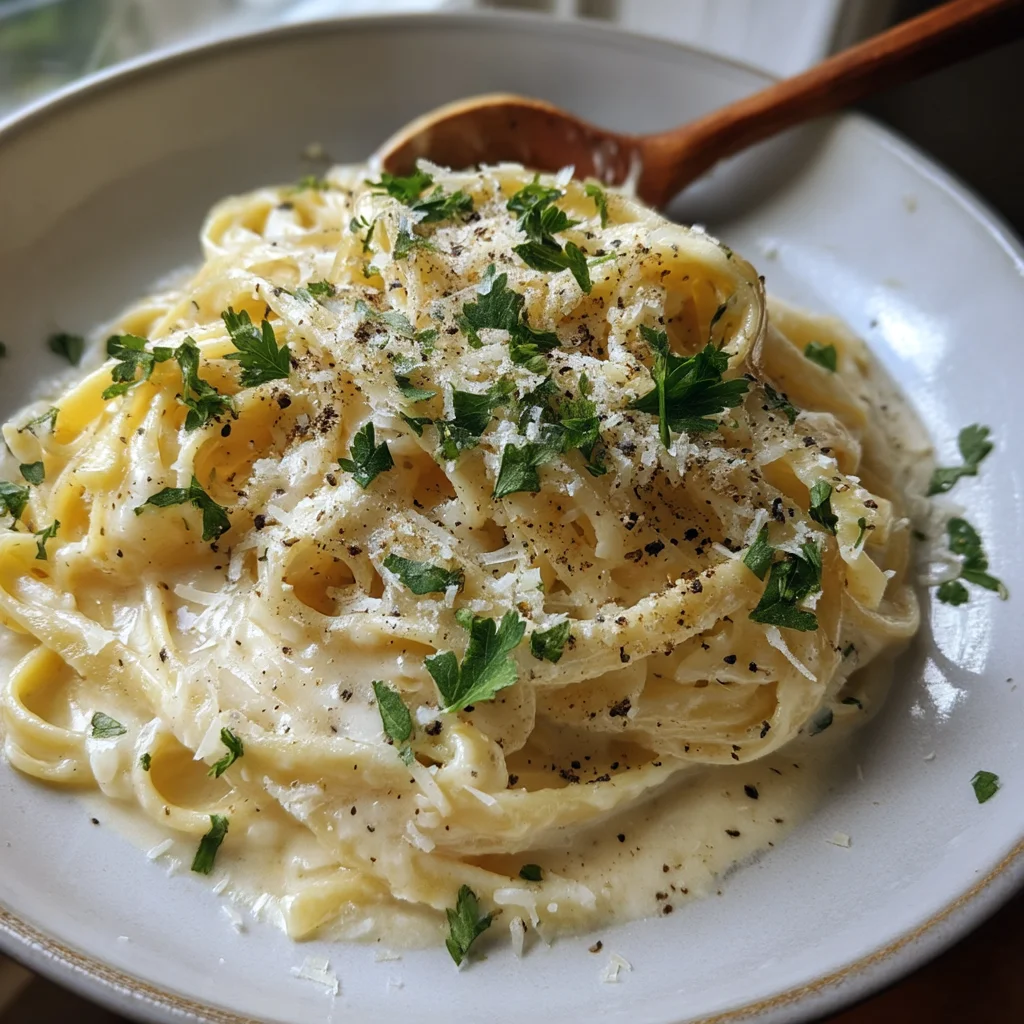
Creamy Alfredo Sauce
Ingredients
Method
- Melt butter in a large skillet over medium heat. Add minced garlic and sauté for 1 minute until fragrant.
- Pour in heavy cream while stirring constantly. Bring to a gentle simmer.
- Whisk in nutmeg, salt, and black pepper. Let simmer for 3-4 minutes to slightly thicken.
- Reduce heat to low and gradually add Parmesan and Romano cheeses, stirring until completely melted.
- Add cream cheese and whisk until smooth and fully incorporated.
- Continue cooking for 2-3 more minutes until sauce reaches desired consistency (it will thicken as it cools).
- Remove from heat and adjust seasoning if needed.
- Garnish with fresh parsley before serving over cooked pasta.


