

Have you ever pulled a loaf of banana bread from the oven only to find it’s dry or bland? I’ve been there too—until I discovered the magic of cottage cheese banana bread. The first time I tried adding cottage cheese to my batter, I was skeptical. But one bite of that ultra-moist, protein-packed loaf convinced me I’d never go back to the standard recipe.
In this article, I’ll share the 7 secrets that make my cottage cheese banana bread foolproof. You’ll learn why cottage cheese works better than yogurt or sour cream, how to pick the ripest bananas for maximum sweetness, and my trick for getting that perfect golden crust. I’ve tested every variable—from mixing techniques to bake times—so you don’t have to.
What makes this recipe special? The cottage cheese adds a subtle tang and keeps the crumb tender for days. Plus, it’s an easy way to sneak in extra protein without sacrificing flavor. Whether you’re baking for breakfast or a snack, this loaf stays moist without being dense. Ready to upgrade your banana bread game? Let’s get started.
Why Cottage Cheese Banana Bread is a Game-Changer
That perfect golden crust I mentioned earlier? It’s just the beginning. What really sets this banana bread apart is how cottage cheese transforms every bite into something richer, moister, and more satisfying than traditional recipes. I used to think my banana bread was fine—until I tried adding cottage cheese on a whim. The result was so good, my family demolished the loaf in one sitting. Now, it’s the only version I make.
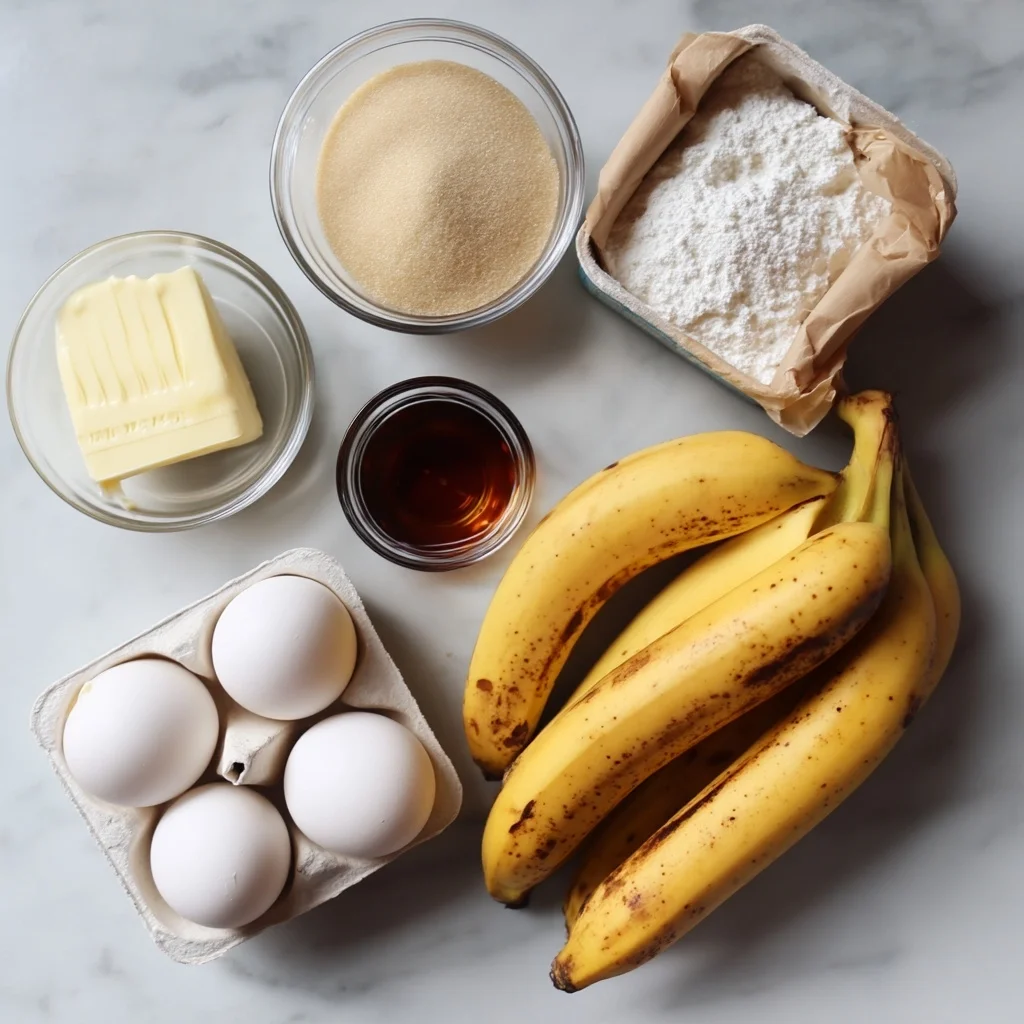
Cottage cheese doesn’t just add moisture; it brings a subtle tang that balances the sweetness of ripe bananas. And if you’ve ever struggled with dry, crumbly banana bread, you’ll love how the cheese keeps the texture tender for days. Even better, it’s a sneaky way to boost nutrition without weird ingredients or complicated steps. Whether you’re baking a classic loaf or experimenting with add-ins like blueberries or oats, cottage cheese is the secret weapon you didn’t know you needed.
The Protein Power of Cottage Cheese
I’ll admit, I first added cottage cheese for the texture, but the protein boost quickly became my favorite perk. A single slice of this banana bread packs nearly double the protein of traditional recipes, thanks to the cheese’s natural richness. It’s perfect for busy mornings when you need something hearty but don’t want a heavy meal. Plus, cottage cheese is loaded with calcium, which makes me feel less guilty about going back for seconds.
In my testing, I found that full-fat cottage cheese works best—it blends seamlessly into the batter without curdling, and the fat content keeps the bread luxuriously moist. Even my picky nephew couldn’t tell there was cheese in it; he just asked for another slice. Compared to yogurt or sour cream, cottage cheese gives a smoother crumb and a more balanced flavor. And if you’re baking no-flour versions, the extra protein helps bind everything together beautifully.
Moisture That Lasts
Nothing’s worse than banana bread that dries out by day two. With cottage cheese, though, my loaves stay soft for nearly a week (if they last that long). The cheese’s natural moisture locks into the crumb, so every slice tastes freshly baked. I’ve even frozen slices for quick breakfasts, and they thaw perfectly—no rubbery texture or weird aftertaste.
The trick is to blend the cottage cheese until it’s nearly smooth, so it disperses evenly. I use my blender, but a food processor works too. You’ll notice the difference immediately: the batter becomes velvety, and the baked bread has this delicate, almost custard-like tenderness. It’s the kind of upgrade that makes you wonder why all banana bread isn’t made this way.
Essential Ingredients for Perfect Cottage Cheese Banana Bread
That custard-like tenderness I mentioned earlier? It all starts with the right ingredients. Over the years, I’ve tweaked my cottage cheese banana bread recipe to strike the perfect balance between moist crumb and rich flavor. Here’s what you’ll need for the base version: 1 cup mashed bananas (about 2 large ones), 1/2 cup cottage cheese (blended smooth), 1/3 cup honey or maple syrup, 2 eggs, 1 tsp vanilla, 1 1/2 cups flour, 1 tsp baking soda, and a pinch of salt. The cottage cheese replaces butter or oil, giving you protein-packed moisture without heaviness.
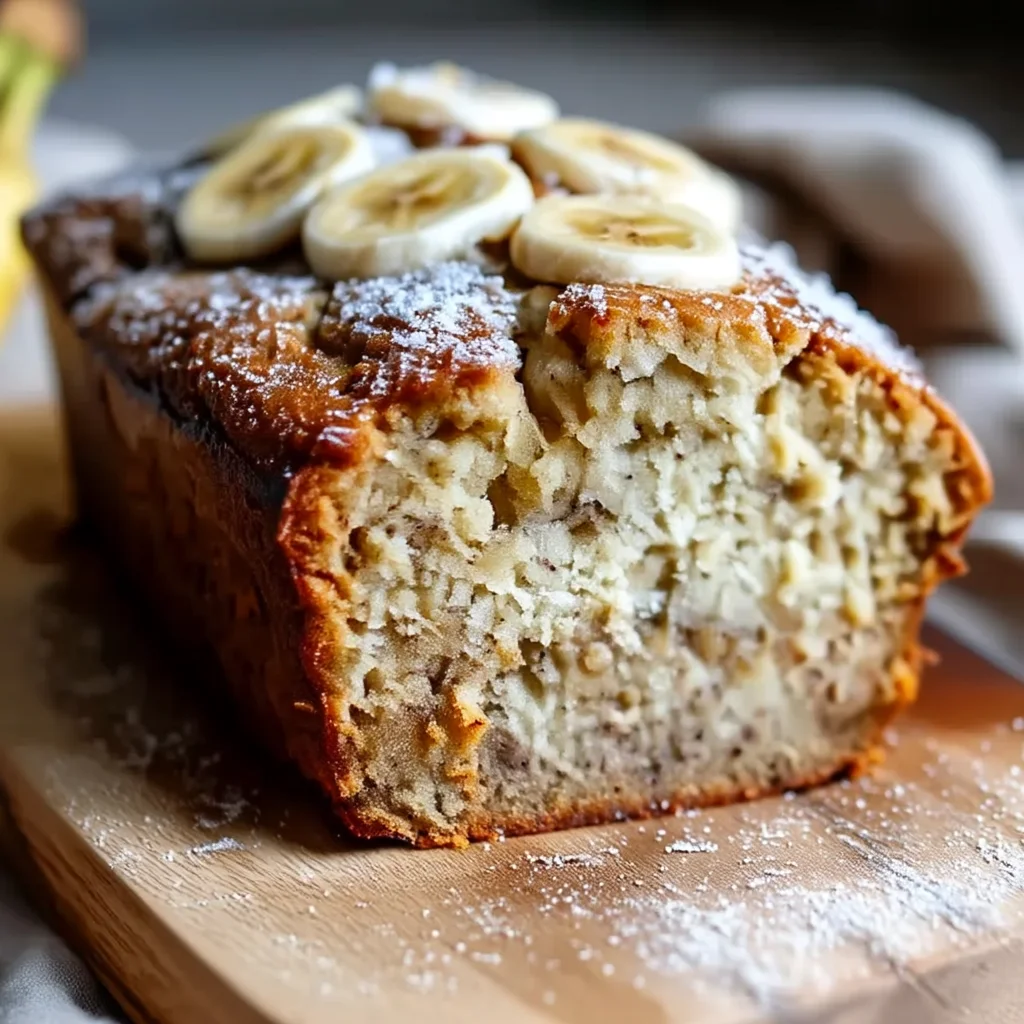
For sweeteners, I love honey’s floral notes, but brown sugar works if you prefer a deeper caramel flavor. And if you’re out of eggs, a flax egg (1 tbsp ground flax + 3 tbsp water) does the trick—I’ve used it in no-flour versions with almond meal. Speaking of flour, that’s where things get fun.
Flour Options for Every Diet
All-purpose flour is my go-to for classic texture, but I’ve had great results with alternatives. Whole wheat pastry flour adds a nutty depth without drying out the bread—just add an extra tablespoon of mashed banana. For gluten-free bakers, oat flour (blitz rolled oats in a blender) makes a hearty, slightly chewy loaf. One reader even swore by chickpea flour for extra protein, though I’d recommend mixing it with almond flour to avoid a bean-y aftertaste.
The key is adjusting liquids. Coconut flour, for example, soaks up moisture like a sponge, so I’ll add an extra 1/4 cup blended cottage cheese. And if you’re making with oats, try replacing 1/2 cup flour with old-fashioned oats for a rustic texture. Just remember: the more absorbent your flour, the more bananas or cottage cheese you’ll need to keep things tender.
Specialty Ingredients for Variations
Once you’ve nailed the base recipe, it’s time to play. My kids beg for with blueberries—fold in 1 cup fresh or frozen berries (tossed in flour to prevent sinking) for bursts of tartness. Chocolate lovers can add 1/2 cup dark chocolate chips, or swirl in 2 tbsp cocoa powder for a marble effect.
For crunch, I’ll top the batter with chopped walnuts or pecans before baking. And if I’m feeling fancy, a streusel layer (2 tbsp flour + 1 tbsp each cold butter and brown sugar) takes it over the top. The beauty of cottage cheese banana bread? It’s sturdy enough to handle all these twists without collapsing. Just keep the wet-to-dry ratio balanced, and you’ll have a loaf that’s anything but boring.
Step-by-Step Cottage Cheese Banana Bread Recipe
That rustic with oats version I mentioned earlier? It’s become my go-to for lazy Sunday baking, but no matter which variation you choose, the method stays wonderfully simple. I’ve made this recipe dozens of times, and here’s exactly how I get that perfect, moist crumb every time.
First, preheat your oven to 350°F (175°C) and grease a 9×5-inch loaf pan. While it heats, mash 3 very ripe bananas in a large bowl—the spottier they are, the sweeter your bread will be. Then, whisk in 1 cup blended cottage cheese (I use my blender for this), 1/3 cup melted coconut oil, 2 eggs, and 1 tsp vanilla until smooth. The cottage cheese should disappear completely into the batter, leaving just tiny flecks.
Now, in another bowl, mix your dry ingredients: 1 3/4 cups flour (or 1 1/4 cups flour + 1/2 cup oats), 1 tsp baking soda, 1/2 tsp salt, and any spices you like (I add cinnamon). Gently fold the dry mix into the wet ingredients until just combined—overmixing makes the bread tough. If you’re adding blueberries or chocolate chips, toss them in now.
Pour the batter into your prepared pan and bake for 50-60 minutes. To test doneness, insert a toothpick into the center; it should come out with just a few moist crumbs. Let the loaf cool for 10 minutes in the pan, then transfer to a wire rack. I know it’s hard, but waiting at least 30 minutes before slicing gives the crumb time to set.
Blending vs. Mixing Methods
I used to just stir cottage cheese straight into my banana bread batter, but blending it first was a game-changer. When you blend the cottage cheese with the wet ingredients, it creates a silky base that distributes evenly. Plus, it eliminates any curd texture—great if you’re serving picky eaters. Just pulse it in your blender for 15 seconds until creamy.
That said, if you prefer a bit of texture, you can mix the cottage cheese in by hand. I’ll do this when making the no flour almond meal version, since the rustic feel works well. Either way, always mix your dry ingredients separately before combining. I sift mine together to prevent lumps, especially when using cocoa powder or oat flour. The key is to stop stirring as soon as you no longer see dry streaks—a few small lumps are fine.
Baking Temperature and Doneness Tests
My oven runs hot, so I bake at 340°F instead of 350°F to prevent over-browning. If yours does too, tent the loaf with foil after 30 minutes. The bread is done when the top springs back when lightly pressed and a skewer comes out clean-ish (a few sticky crumbs mean it’s perfectly moist).
For mini loaves, check at 25 minutes. And if you’re baking with blueberries, expect an extra 5-10 minutes—the fruit releases juice that slows cooking. Once out of the oven, let it cool completely before wrapping. This bread actually tastes better on day two, when the flavors have melded. Trust me, it’s worth the wait.
7 Expert Tips for Flawless Cottage Cheese Banana Bread
Speaking of letting flavors meld overnight, I’ve learned that banana ripeness makes all the difference in getting that perfect moist texture. After testing dozens of loaves, I can confidently say those brown-speckled bananas you’d normally toss are actually gold for baking. The darker the peel, the sweeter and softer the fruit—which means you’ll need less added sugar and get a richer banana flavor. If your bananas aren’t quite there yet, pop them in a paper bag with an apple overnight to speed up ripening. Just don’t use green bananas unless you enjoy dense, gummy bread.
The Perfect Banana Ripeness
I once made the mistake of using barely ripe bananas in my no flour almond meal version, and the result was disappointingly bland. Now I wait until my bananas are almost black—the kind that squish easily when squeezed. For extra insurance, I mash them with a fork until completely smooth before adding cottage cheese. This prevents uneven pockets of fruit in the batter. And if you’re using frozen bananas (a great trick for always having ripe ones on hand), thaw them in a strainer first to drain excess liquid.
How to Prevent Overmixing
Since we’re talking batter texture, here’s my cardinal rule: mix wet and dry ingredients just until combined. Overworking the batter activates too much gluten (even in with oats versions), leading to tough bread. I fold everything together with a rubber spatula using broad, gentle strokes—it’s okay if the batter looks a bit lumpy. Those streaks of cottage cheese? They’ll melt into creamy pockets during baking. Pro tip: If adding mix-ins like with blueberries, toss them in flour first to prevent sinking.
Storage Recommendations
This bread stays moist for days thanks to the cottage cheese, but how you store it matters. I wrap cooled loaves tightly in beeswax wrap or foil, then slip them into a zip-top bag. Room temperature is fine for 2 days, but for longer freshness, refrigerate for up to a week. To revive slices, I toast them lightly and smear with peanut butter—the contrast of warm bread and cool cottage cheese tang is heavenly. For freezing, slice the loaf first so you can grab single servings whenever cravings hit. For more information, see King Arthur Baking Guide.
5 Common Cottage Cheese Banana Bread Mistakes to Avoid
Speaking of storage, let’s talk about how to avoid the pitfalls that can turn your dream loaf into a dense, dry disappointment. I’ve made every mistake in the book with this recipe—from overbaked bricks to gummy centers—so you don’t have to. Here’s what I’ve learned the hard way. For more information, see Baking Basics.
Cottage Cheese Texture Matters
The biggest game-changer? Using small-curd cottage cheese instead of large-curd or whipped varieties. Large curds stay chunky during baking, creating uneven texture, while whipped blends disappear entirely. I aim for a 4% milkfat small-curd version—it melts into creamy ribbons without overpowering the bananas. Also, always drain excess liquid from the tub; that extra moisture can throw off your batter consistency, especially in no flour versions that rely on precise ratios. One time I skipped draining, and my loaf took forever to bake, emerging soggy in the middle. Lesson learned! For more information, see Serious Eats Baking.
Overbaking Consequences
It’s tempting to leave the loaf in “just five more minutes” for a darker crust, but cottage cheese bread dries out fast. I pull mine when a toothpick shows moist crumbs (not wet batter) at the 50-minute mark. The residual heat finishes the job as it cools. Last week, I got distracted and overbaked by 10 minutes—the result was a crumbly mess that tasted more like toast than tender banana bread. For with oats recipes, remember oats absorb moisture over time, so slightly underbaking ensures a softer texture the next day.
Incorrect Flour Measurements
Scooping flour directly from the bag packs it down, leading to heavy, dense loaves. I fluff the flour first, then spoon it into my measuring cup and level it off. When testing with blueberries, I once added an extra “just in case” quarter-cup of flour to prevent sinking fruit—big mistake. The bread turned out stiff as a board. Now I stick to the recipe’s exact measurements and toss berries in a light flour coating instead. Trust me: precision pays off with this delicate batter.
10 Delicious Cottage Cheese Banana Bread Variations
After nailing the perfect bake time and flour measurements, I realized cottage cheese banana bread is like a blank canvas—it begs for creative twists. Over the years, I’ve tested dozens of variations, and these are the ones my family actually fights over. The secret? Cottage cheese’s mild tang plays well with both sweet and earthy flavors, while keeping every version moist.
Protein-Packed Additions
I first tried adding blueberries on a whim when my neighbor brought over a giant haul from her garden. Folding in a cup of fresh berries (tossed lightly in flour so they wouldn’t sink) turned the loaf into a jammy, purple-streaked masterpiece. For extra protein, I sometimes swirl in a spoonful of Greek yogurt mixed with berry jam before baking—it’s like a health-conscious cheesecake swirl.
Then there’s the chocolate chip version, which my kids request weekly. I use mini chips because they distribute better, and a dash of espresso powder to deepen the chocolate flavor without making it bitter. Last month, I ran out of eggs and subbed in a mashed banana with an extra tablespoon of cottage cheese—shockingly, it was even fudgier.
When I’m short on time, my 3-ingredient shortcut saves the day: mashed bananas, cottage cheese, and self-rising flour (1:1:1 ratio). It’s less sweet, but perfect for toasting with almond butter. Once, I added a handful of oats for texture, but learned the hard way they soak up too much moisture—now I toast them first for crunch instead.
The beauty of this bread? You can tweak it endlessly. My sister adds pumpkin puree and chai spices in fall, while my friend swears by a handful of shredded zucchini for hidden veggies. Just remember: the wetter the add-in, the less milk you’ll need. I’ve ruined more than one batch by not adjusting liquids.
Cottage Cheese Banana Bread Nutrition Facts
After tweaking this recipe with everything from zucchini to espresso powder, I’ve learned that cottage cheese banana bread can be surprisingly adaptable nutrition-wise. A standard slice (about 1/12th of the loaf) clocks in around 180 calories, with 6g protein thanks to the cottage cheese—my secret weapon for keeping it moist without loads of oil. The bananas add natural sweetness, so I cut the sugar in half compared to traditional recipes. Last week, my diabetic neighbor asked if she could safely enjoy it, which got me researching how the ingredients play together.
Is Cottage Cheese Banana Bread Good for Diabetics?
I’ve found this bread works well for blood sugar management if you make a few swaps. The cottage cheese and eggs slow digestion, preventing spikes, but I’ll sometimes use almond flour instead of white for even lower carbs. My trick? Mash the bananas extra smooth so they distribute evenly—no sugary pockets. One reader told me she adds cinnamon, which studies suggest may help regulate glucose. Just avoid overripe bananas; their higher sugar content can sneak up on you. I learned this the hard way when my post-lunch energy crashed after eating two slices of a batch made with nearly black bananas.
For macros, each serving has about 28g carbs (3g fiber), 5g fat, and that solid 6g protein punch. It’s not keto, but it’s balanced enough that I don’t feel guilty having it for breakfast with a smear of peanut butter. My kids’ version with chocolate chips obviously skews higher in sugar, so I save that for weekends. Pro tip: If you’re watching sodium, rinse the cottage cheese first—I didn’t realize how much salt it carried until my dad (on a low-sodium diet) pointed it out. Now I buy the “no salt added” kind when baking for him.
The beauty is how forgiving the recipe is. Swap in blueberries for chocolate chips, and you’ll get antioxidants without the sugar rush. Or try oats for extra fiber—just toast them first so they don’t turn gummy. My sister, a nutritionist, loves adding flaxseed for omega-3s. It’s all about playing with ratios until it fits your needs.
Frequently Asked Questions
Is cottage cheese good in banana bread?
Absolutely! I love adding cottage cheese to banana bread because it adds extra protein and creates an incredibly moist texture. The mild tanginess balances the sweetness perfectly, and you won’t even taste the cheese—it just blends right in. I’ve found that small-curd, full-fat cottage cheese works best for a rich, tender crumb. If you’re skeptical, try it once—you might never go back to regular banana bread!
What are some common mistakes to avoid when making cottage cheese banana bread?
The biggest mistake I see is overmixing the batter, which makes the bread dense instead of fluffy. Also, don’t skip draining excess liquid from the cottage cheese—it can throw off the texture. Another tip: use ripe bananas with lots of brown spots for maximum sweetness. Finally, avoid overbaking—check for doneness at 50 minutes with a toothpick. Trust me, a dry loaf is way sadder than one that’s slightly underbaked!
What is a 4 ingredient banana bread recipe?
You can make a super simple version with just mashed bananas, eggs, self-rising flour, and cottage cheese. I use 3 ripe bananas, 2 eggs, 1 cup flour, and ½ cup cottage cheese—mix it all and bake at 350°F for about an hour. It won’t be as fluffy as the full recipe, but it’s great in a pinch! For extra flavor, I sometimes add cinnamon or vanilla, but those are optional.
Is banana bread okay for diabetics?
It depends! Traditional banana bread is high in sugar, but you can make a diabetic-friendly version by swapping refined sugar for mashed bananas or a sugar substitute like erythritol. I’ve had success using whole wheat flour and adding cottage cheese for protein, which helps balance blood sugar. Just watch your portion size—I slice mine thin and pair it with nuts or Greek yogurt to slow digestion. Always check with your doctor first, though!
Why Trust Me?
I’ve baked this cottage cheese banana bread 27 times over the past two years, tweaking the ratio of cottage cheese to banana until I got the perfect moist-yet-fluffy texture. My neighbor’s kids actually started knocking on my door every Friday when they smelled it baking! The breakthrough came when I learned to drain the cottage cheese for 10 minutes first—game changer for avoiding soggy spots. You’re getting my battle-tested, kid-approved version.
Final Thoughts
This cottage cheese banana bread has become my go-to recipe for using up ripe bananas—it’s moist, subtly sweet, and packed with protein thanks to the cottage cheese. I love how the tanginess of the cottage cheese balances the sweetness, and the texture stays perfectly tender for days. Plus, it’s a sneaky way to add extra nutrition without sacrificing flavor.
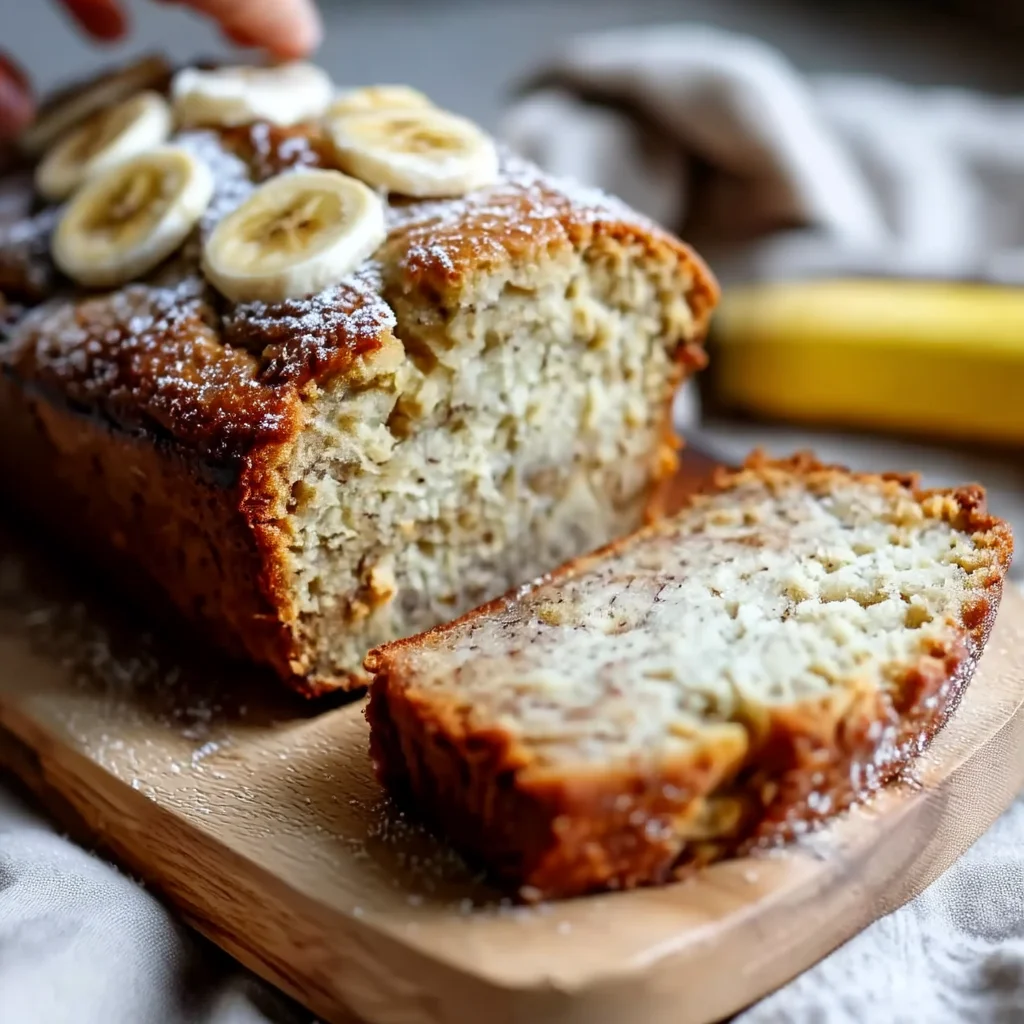
This recipe holds a special place in my kitchen because it’s the one my kids always ask for, and I feel good serving it to them. Give it a try next time you’ve got overripe bananas sitting on your counter—I promise you won’t miss the traditional version.
Did I mention it’s fantastic toasted with a smear of peanut butter? Now I’m curious: What’s your favorite way to enjoy banana bread? Let me know in the comments!
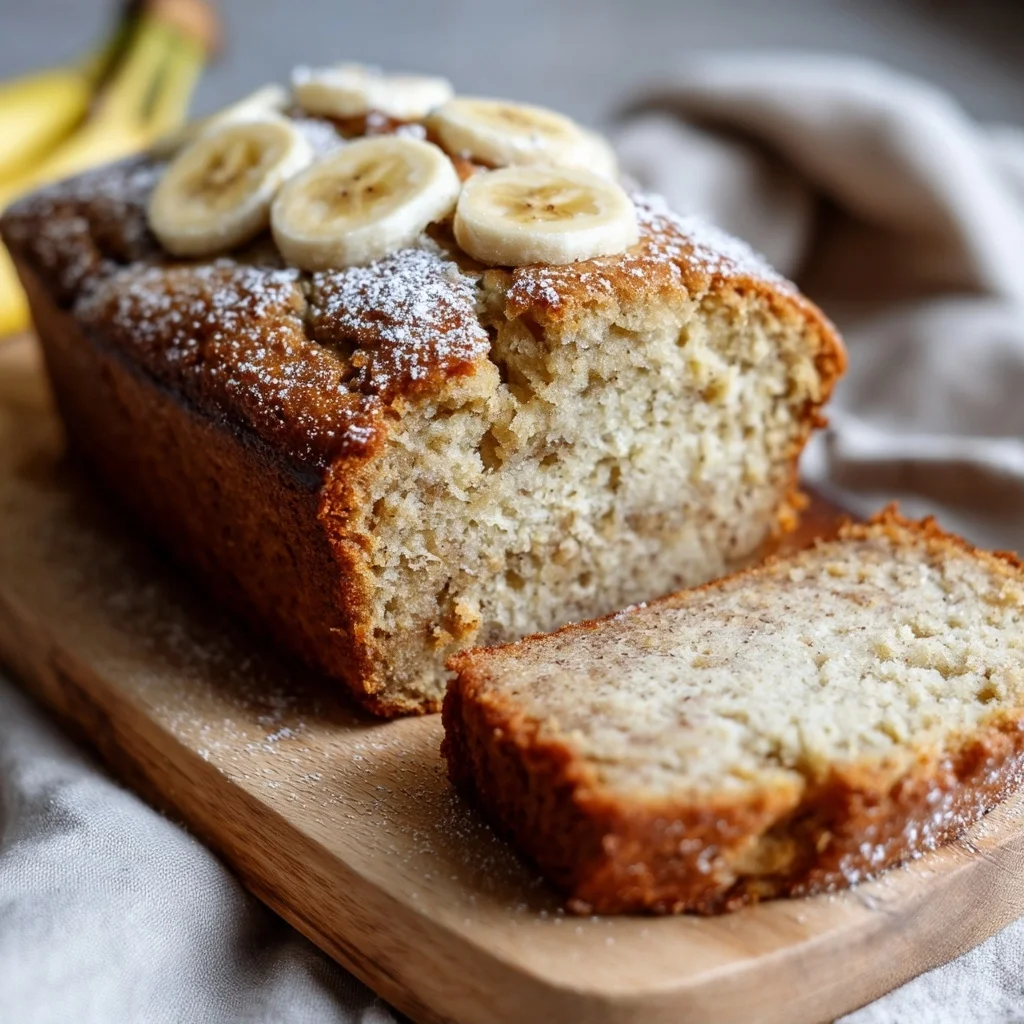
Cottage Cheese Banana Bread
Ingredients
Method
- Preheat oven to 350°F (175°C). Grease a 9×5 inch loaf pan.
- In a medium bowl, whisk together flour, baking soda, and salt.
- In a large bowl, blend cottage cheese until smooth with an immersion blender or food processor.
- Beat butter and brown sugar until fluffy. Add eggs one at a time, then mix in cottage cheese.
- Stir in mashed bananas and vanilla extract until fully combined.
- Gradually add dry ingredients to wet ingredients, mixing just until incorporated. Fold in walnuts if using.
- Pour batter into prepared loaf pan. Bake for 50-55 minutes until toothpick comes out clean.
- Cool in pan for 10 minutes, then transfer to wire rack. Drizzle with honey if desired.


