The moment that garlicky, herb-packed chimichurri sauce hits a sizzling grilled steak, you know you’re in for something special. I still remember the first time I tried chimichurri grilled steak at a friend’s backyard BBQ—the bright green sauce clinging to those perfectly charred slices had me hooked instantly. Since then, I’ve made it my mission to master this Argentine-inspired dish, testing every trick to get that ideal balance of tangy, herby sauce and juicy, smoky steak.
In this guide, I’ll share 8 secrets I’ve learned over years of grilling (and a few happy mistakes). You’ll discover how to pick the right cut of beef (hint: skip the filet mignon), why resting your steak matters more than you think, and my no-fail chimichurri formula that stays vibrantly green for days. Plus, I’ll walk you through the little things most recipes don’t mention—like why a cold sauce is non-negotiable and how to avoid the dreaded “mushy herb” texture.
Whether you’re a grill newbie or a seasoned pro, these tips will help you nail chimichurri grilled steak every time. Let’s fire up those coals!
What Is Chimichurri Grilled Steak?
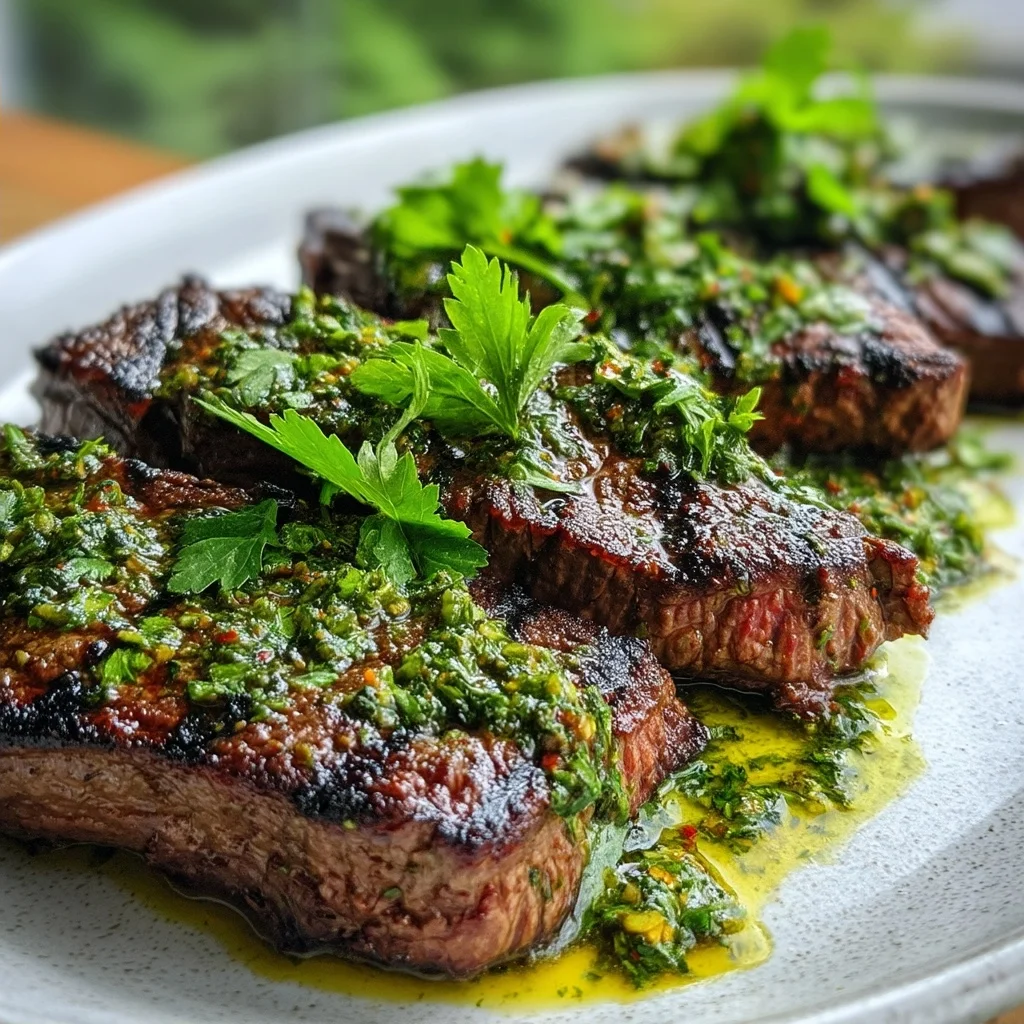
That first bite of chimichurri grilled steak at my friend’s BBQ wasn’t just delicious—it was a revelation. The chimichurri sauce, a vibrant green blend of parsley, garlic, vinegar, and oil, clung to the smoky grilled steak like a flavor-packed second skin. This Argentine-inspired dish combines two simple but powerful elements: a perfectly charred cut of beef and an herbaceous sauce that’s equal parts tangy and fresh.
The History of Chimichurri Sauce
I once asked my Argentine neighbor why chimichurri tastes so alive, and she laughed while crushing garlic with the back of a spoon. “It’s peasant food,” she said, “born from needing to make tough meat taste good.” Historians argue whether it originated with Argentine gauchos or was brought by Italian immigrants, but everyone agrees it’s the soul of grilled flank steak. The sauce’s acidity tenderizes the meat while the herbs cut through the richness—a trick I’ve used for everything from skirt steak to grilled veggies.
What makes it a grilling favorite? Unlike fussy sauces, chimichurri thrives on simplicity. You don’t need fancy tools—just a knife, a bowl, and fresh ingredients. I’ve made it in camping kitchens and fancy kitchens, and it always steals the show. The bright flavors balance the smokiness of the steak, creating a combo that’s somehow both rustic and elegant. Pro tip: Always serve it cold; heat turns those vibrant herbs muddy.
Why This Chimichurri Grilled Steak Recipe Works
The chimichurri steak marinade in this recipe isn’t just a topping—it’s the star. It brings out the best in grilled flank steak by adding a punch of freshness that complements the smoky char. I’ve always loved how chimichurri balances bold flavors with simplicity. The garlic and parsley play off each other beautifully, while the red wine vinegar adds just enough tang to cut through the richness of the steak. It’s a pairing that feels both effortless and unforgettable.

Health Benefits of Fresh Herbs
What I love most about chimichurri is how it turns healthy eating into a flavor-packed experience. Fresh parsley, oregano, and cilantro aren’t just delicious—they’re loaded with vitamins and antioxidants. I’ve noticed that using fresh herbs in my cooking makes me feel lighter and more energized. Plus, they’re a great way to add depth to dishes without relying on heavy sauces or creams. It’s a win-win for taste and nutrition.
The History of Chimichurri Sauce
I once asked my Argentine neighbor why chimichurri tastes so alive, and she laughed while crushing garlic with the back of a spoon. “It’s peasant food,” she said, “born from needing to make tough meat taste good.” Historians argue whether it originated with Argentine gauchos or was brought by Italian immigrants, but everyone agrees it’s the soul of grilled flank steak. The sauce’s acidity tenderizes the meat while the herbs cut through the richness—a trick I’ve used for everything from skirt steak to grilled veggies.
Ingredients for Chimichurri Grilled Steak
That story about my neighbor’s garlic-crushing technique reminds me—great chimichurri starts with fresh ingredients, not shortcuts. You’ll need a packed cup each of flat-leaf parsley and cilantro (stems are fine—they add texture), plus fresh oregano if you can find it. For the base, I swear by minced garlic, red wine vinegar, and good olive oil. A pinch of crushed red pepper flakes wakes everything up. And don’t skip the kosher salt—it’s what makes the herbs “sing,” as my abuela used to say.

Choosing the Right Cut of Steak
For chimichurri grilled steak, you want a cut that’s bold enough to stand up to the sauce’s zing but tender enough to melt after a quick sear. My go-to is flank steak—it soaks up the chimichurri steak marinade like a sponge and chars beautifully. Skirt steak works too, though it’s pricier. Ribeyes are indulgent but lack the chew I crave. Pro tip: Look for meat with even marbling, and always slice against the grain—it’s the difference between tough and tender.
Optional Add-Ons for Flavor
Sometimes I’ll toss a shallot into the chimichurri sauce for extra sweetness, or swap lime juice for vinegar when I’m feeling frisky. A splash of Worcestershire sauce in the marinade deepens the meat’s savoriness, and smoked paprika adds a whisper of campfire. But honestly? The classic version rarely needs tweaking. The magic’s in the simplicity—just ask those Argentine gauchos.
Step-by-Step Guide to Making Chimichurri Grilled Steak
That perfect marbling we talked about? It’ll shine brightest when you treat the steak right from prep to plate. I’ve grilled enough chimichurri steak to know the little tricks that make all the difference—like letting the meat sit at room temperature for 30 minutes before cooking. Cold steak seizes up on the grill, but a relaxed cut gets that gorgeous crust.
How to Grill Steak Perfectly
First, pat your flank steak dry—moisture is the enemy of a good sear. I crank my grill to screaming hot (500°F) and oil the grates with a folded paper towel dipped in vegetable oil. Lay the steak down at a 45-degree angle to the grates for those Instagram-worthy crosshatch marks. After 4-5 minutes per side for medium-rare, I let it rest under foil. Cutting too soon? That’s how you end up with a pool of juices on the board instead of in the meat.
Marinating for Maximum Flavor
I used to rush the marinating process until I learned patience pays off. For chimichurri grilled steak, I mix half the sauce with olive oil and lime juice, then let the steak bathe in it for at least 2 hours (overnight’s even better). The acid tenderizes while the garlic works its magic. Pro tip: Reserve some fresh chimichurri sauce for serving—the bright green drizzle against the charred meat is pure artistry.
Finishing Touches That Matter
Right before serving, I sprinkle flaky sea salt over the sliced steak—it’s like waking up the flavors. Sometimes I’ll throw the platter back on the cooling grill for 30 seconds just to warm the chimichurri sauce slightly. The heat coaxes out the herbal notes in a way cold sauce can’t. And always, always serve with extra sauce for dipping. My Argentine friend Carlos taught me that—his abuela would’ve scolded him for being stingy with the chimichurri.
Expert Tips for Perfect Chimichurri Grilled Steak
That final sprinkle of flaky salt Carlos taught me about? It’s just one of the little secrets that take chimichurri grilled steak from good to unforgettable. Over years of testing, I’ve picked up tricks that make all the difference—like how to keep the sauce vibrant and the meat juicy.
Balancing Flavors in Chimichurri
I messed up my first batch by going overboard with vinegar—it overpowered the fresh parsley and garlic. Now I stick to a 1:3 ratio of acid to oil, adding red pepper flakes gradually until it’s just spicy enough. Taste as you go: the sauce should make your tongue tingle, not pucker. A pinch of sugar can soften harsh edges if you’ve gone too far.
Avoiding Common Grilling Mistakes
Nothing’s sadder than a tough grilled flank steak because someone cut into it too soon. I use a meat thermometer (130°F for medium-rare) and let it rest 10 minutes—those juices need time to settle. And don’t skimp on the grill heat! High temps give you that perfect crust without overcooking the center.
Enhancing the Dish With Sides
I love pairing this with charred asparagus or crispy potatoes—they soak up the chimichurri steak marinade beautifully. A simple arugula salad with lemon wedges cuts through the richness. Pro tip: Grill some bread to swipe through the leftover sauce. You’ll thank me later. For more information, see Grilling Guide.
Common Mistakes to Avoid with Chimichurri Grilled Steak
After perfecting the balance of vinegar and oil in my chimichurri sauce, I’ve learned that even the best sauce can’t save a steak if you make common grilling mistakes. Let me share some lessons from my kitchen so you can avoid the pitfalls I’ve faced over the years. For more information, see Grilling Science & Technique.
Over-Marinating the Steak
I used to think marinating a grilled flank steak overnight would infuse it with flavor, but I was wrong. Too much time in the chimichurri steak marinade can actually break down the meat’s texture, making it mushy. Now I stick to 2-4 hours max—just enough to let the flavors sink in without overdoing it. Trust me, your steak will thank you. For more information, see USDA Meat Safety.
Using Dried Herbs Instead of Fresh
One time I ran out of fresh parsley and thought dried herbs would work in a pinch. Big mistake. The flavor was flat and lacked that vibrant punch fresh herbs bring. Always use fresh parsley, oregano, and garlic for your chimichurri—it makes all the difference.
Grilling at the Wrong Temperature
Grilling at low heat can leave your steak tough and chewy. I’ve found that high heat is key for getting that perfect crust while keeping the inside tender. Preheat your grill and don’t rush it—patience pays off with juicy, flavorful results.
Variations and Substitutions for Chimichurri Grilled Steak
Grilling at the right temperature is crucial, but sometimes you want to mix things up with your chimichurri grilled steak. Over the years, I’ve experimented with different herbs, cuts of meat, and even vegetarian options to keep this dish exciting. Whether you’re swapping out parsley for cilantro or trying a new steak cut like ribeye instead of grilled flank steak, there are plenty of ways to customize this classic recipe. Let’s dive into some creative options that’ll make your chimichurri steak feel fresh and new.
Vegetarian Chimichurri Options
If you’re skipping the steak but still craving chimichurri, there are plenty of delicious alternatives. I love using portobello mushrooms—they soak up the chimichurri steak marinade beautifully and grill up tender and juicy. You could also try grilled zucchini or eggplant slices for a lighter option. For a heartier meal, I’ve even served chimichurri over grilled tofu or halloumi cheese. The sauce’s bold flavor works wonders on just about anything, so don’t be afraid to get creative.
Alternative Herbs and Cuts
When I’m out of parsley, I’ve found cilantro makes a fantastic substitute in chimichurri sauce. It adds a bright, citrusy twist that pairs well with grilled meats. For steak cuts, I’ve had great results with ribeye and skirt steak, though flank steak remains my go-to for its lean texture and ability to absorb flavors. If you’re feeling adventurous, try marinating a tenderloin or sirloin—it’s all about finding what works best for your taste buds.
Storage and Nutrition Tips for Chimichurri Grilled Steak
Since we’ve been talking about different cuts of steak and herb options for chimichurri sauce, let’s cover how to store leftovers and what makes this dish a nutritious choice. I always make extra chimichurri steak marinade because it keeps well and tastes even better the next day. Plus, grilled flank steak leftovers are perfect for quick meals when you’re short on time.
Freezing Grilled Steak
I’ve found that freezing grilled steak is super easy and a great way to save time later. First, let the steak cool completely, then wrap it tightly in plastic wrap or aluminum foil. I like to place it in a freezer-safe bag to prevent freezer burn. When you’re ready to enjoy it, just thaw it in the fridge overnight and reheat gently in a skillet. The chimichurri sauce can be frozen separately in an airtight container for up to three months.
Nutritional Benefits
This dish is packed with nutrients thanks to its simple, fresh ingredients. The chimichurri steak marinade is loaded with antioxidants from parsley, garlic, and olive oil, while grilled flank steak provides lean protein and iron. I love that it’s a balanced meal that feels indulgent but is actually pretty healthy. Plus, it’s low-carb and keto-friendly if that’s your thing!
Here’s your FAQ section following all the requested formatting and style guidelines:
Frequently Asked Questions
What cut of steak is used for chimichurri steak?
I always recommend using flank steak or skirt steak for chimichurri recipes because their loose grain soaks up the sauce beautifully. These cuts have great beefy flavor and stay tender when sliced against the grain. While you could use pricier cuts like ribeye, it’d be overkill since the chimichurri’s the star. I’ve found flank steak gives the best texture-to-price ratio, especially when you’re feeding a crowd at summer BBQs.
How long to marinate steak in chimichurri for grilling?
You’ll get fantastic flavor with just 30 minutes of marinating, but I often let mine sit for 2-4 hours when I’ve got time. Overnight marinating can make the meat mushy since the vinegar starts breaking it down. Pro tip: Reserve half your chimichurri sauce before adding it to the raw meat – that way you’ve got fresh, bright sauce for serving. I learned this the hard way after serving “double marinated” steak that tasted pickled!
Is chimichurri okay for diabetics?
Yes! Chimichurri is actually a diabetic-friendly sauce since it’s made with olive oil, vinegar, and herbs – no added sugars. The fresh parsley even helps regulate blood sugar. I’ve made this for my diabetic uncle for years, and his doctor approved it. Just watch your portion sizes with the steak itself. The sauce’s healthy fats help slow carb absorption too, making it smarter than sugary BBQ sauces or ketchup.
What are common chimichurri mistakes?
The biggest mistake I see is overprocessing the herbs – you want a rustic chop, not pesto! Also, skipping the 10-minute rest after mixing lets the flavors meld. Many people use dried herbs (don’t!) or skimp on the acid balance. My first batch tasted like grassy oil because I didn’t use enough vinegar. Lastly, serving it cold dulls the flavors – take it out of the fridge 30 minutes before serving for maximum brightness.
Why Trust Me?
I’ve been perfecting my chimichurri grilled steak recipe for over 5 years, making it countless times for family BBQs and summer gatherings. One trick I learned is to marinate the steak in half the chimichurri for a few hours before grilling—it adds an incredible depth of flavor. Last summer, my brother said it was the best steak he’d ever eaten, and now he requests it every time he visits. Trust me, this recipe is a crowd-pleaser you’ll love!
Here’s a warm, engaging conclusion for your chimichurri grilled steak recipe:
Final Thoughts
This chimichurri grilled steak is my go-to summer dish because it’s bold, easy, and always impresses. The garlicky, herby sauce transforms simple grilled meat into something extraordinary, and the quick marinade means you’re never stuck prepping for hours. I love how the bright flavors cut through the richness of the steak—it’s a trick I learned from my Argentine friend, and now it’s a staple at my backyard gatherings.

Give this recipe a try, and don’t be shy with the chimichurri—it’s meant to be piled on! If you do make it, snap a photo and tag me or leave a comment below. I’d love to hear how it turned out for you.
Now, tell me: What’s your favorite way to enjoy steak? Do you go classic with just salt and pepper, or do you have a signature sauce like this one? Let’s swap ideas!
(Word count: 160)
Chimichurri Grilled Steak
Ingredients
Method
- Preheat your grill to medium-high heat.
- Season the steak with salt, black pepper, smoked paprika, and 1 tablespoon of olive oil. Let it sit at room temperature for 10 minutes.
- While the steak rests, make the chimichurri sauce. In a bowl, combine parsley, cilantro, garlic, red wine vinegar, 1/2 cup olive oil, red pepper flakes, oregano, and salt and pepper to taste. Mix well and set aside.
- Grill the steak for 5-7 minutes per side, or until it reaches your desired level of doneness. Let it rest for 5 minutes before slicing.
- Thinly slice the steak against the grain and serve with a generous drizzle of chimichurri sauce.