
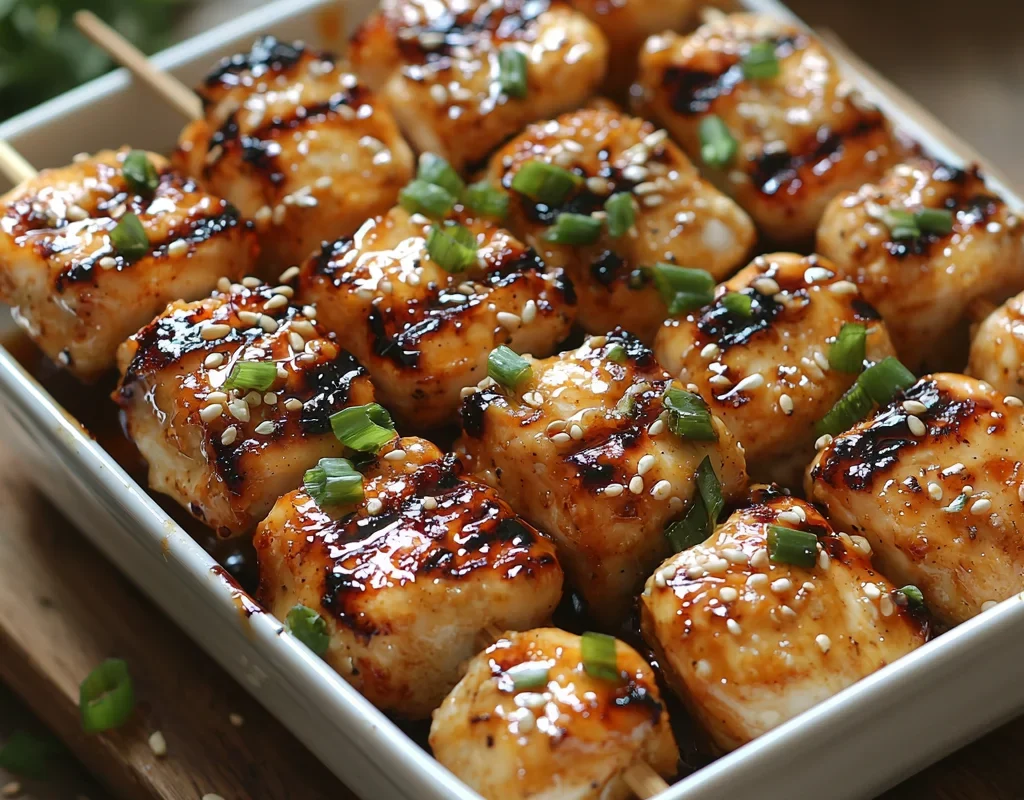
The sizzle of juicy chicken skewers hitting a hot grill is one of my favorite summer sounds. I’ve been perfecting my chicken skewers recipe for years, ever since my first attempt ended with charred outsides and raw centers (lesson learned: don’t rush the marinade!). Now, I want to share the foolproof method I’ve developed through trial and error.
In this guide, you’ll learn how to make tender, flavorful skewers every time. I’ll walk you through choosing the right cuts of chicken, balancing acidic and savory marinades, and preventing those dreaded stuck-on grill marks. My technique uses simple ingredients you probably already have, plus a few pro tips I’ve picked up from street vendors and home cooks alike.
What makes this chicken skewers recipe special? First, it’s adaptable—swap spices for different cuisines or use whatever veggies are in your fridge. Second, it’s practical: I’ve timed each step so you can prep ahead for weeknights or scale up for parties. Whether you’re grilling outdoors or using a stovetop pan, these skewers deliver crispy edges and moist centers without fuss. Let’s get those skewers soaking and the chicken marinating—your new go-to recipe starts now.
Why This Chicken Skewers Recipe Works
After years of serving dry, unevenly cooked skewers at backyard BBQs, I finally cracked the code to juicy chicken skewers that cook perfectly every time. If you enjoyed this, you might also like Chicken Avocado Protein Salad. The secret? A simple two-step process that locks in moisture while creating those craveable crispy edges.
The Juicy Chicken Secret
I learned the hard way that skipping the brine leads to tough meat. Now I always soak my chicken in a buttermilk or yogurt marinade for at least 4 hours—the lactic acid tenderizes while keeping fibers plump. For last-minute meals, a 30-minute soak in olive oil with citrus juice works wonders.
Versatile Cooking Methods
Whether you’re grilling over charcoal, oven-baking on a sheet pan, or using an air fryer, this recipe adapts. My trick? Par-cook thicker pieces in the oven before finishing on high heat for that smoky char. Even my stovetop cast-iron method delivers restaurant-quality results.
Flavor Customization
The marinade is your playground—swap smoked paprika for harissa, or use teriyaki instead of lemon-garlic. Last week, I tossed leftover skewers in buffalo sauce for game day, proving this recipe’s endless flexibility.
Essential Ingredients for Perfect Chicken Skewers
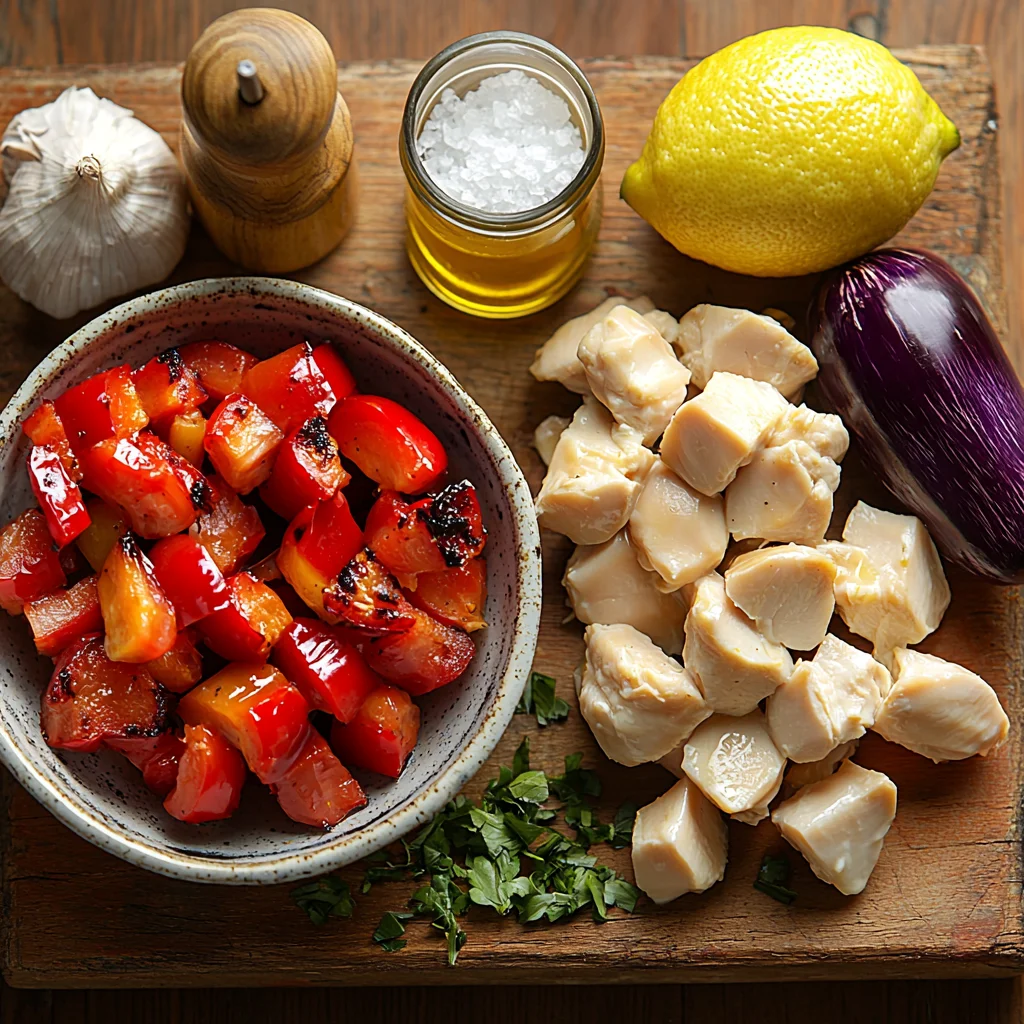
After testing dozens of marinades and cooking methods, I’ve nailed down the must-have components for foolproof skewers every time. If you enjoyed this, you might also like Chicken And Quinoa Stuffed Peppers. The right chicken cut makes all the difference—I’ll never forget the time I used breast pieces that dried out before the veggies cooked through. Now I stick with boneless thighs for their juicy resilience, though breast works if you brine it first.
Chicken Selection Guide
I always choose skinless, boneless thighs for their fat content and even cooking, but chicken breast works if sliced thin. For grill marks that wow, cut pieces against the grain into 1.5-inch chunks. My butcher taught me this trick after I served skewers that looked more like shredded chicken.
Must-Have Marinade Ingredients
My base marinade combines olive oil, acid (lemon or vinegar), garlic, and salt—it’s simple but transformative. Last summer, I added smoked paprika to the mix, and my neighbors still ask for the recipe. For oven-baked versions, I whisk in honey for caramelization.
Vegetable Pairing Suggestions
I balance the chicken with colorful veggies that cook evenly: bell peppers, red onions, and zucchini are my go-tos. Mushrooms surprised me by soaking up marinade like little flavor sponges. Just avoid watery veggies like tomatoes unless you’re grilling them separately.
Step-by-Step Chicken Skewers Instructions
Those colorful veggies we just talked about? They’re about to meet their match on the skewer. If you enjoyed this, you might also like Buffalo Chicken Protein Bowl. I’ve learned that perfect chicken skewers come down to three things: timing, technique, and trusting your nose when the marinade hits the grill.

Grilling Method
I marinate my chicken for at least 2 hours (overnight if I’m planning ahead) so the flavors sink in deep. When skewering, I leave a pinky’s width between pieces for even cooking—crowded skewers steam instead of sear. Grill over medium-high for 4 minutes per side, listening for that satisfying sizzle. Last week, I pulled mine off a minute early and regretted it; the caramelized edges make all the difference.
Oven-Baked Method
When rain ruins grill plans, I bake skewers at 425°F on a wire rack for 15 minutes, flipping halfway. The rack keeps them crispy, unlike the soggy batch I made directly on a sheet pan last winter. Brushing with extra marinade before baking gives that golden glaze we all love.
5 Best Chicken Skewer Marinades
That sizzle you heard when grilling? It’s all thanks to the marinade. I’ve spent years perfecting my skewer game, and I’ve found that the right marinade can turn good chicken into unforgettable bites. Here are my five go-to blends that’ll make your skewers shine, whether you’re grilling or oven-baking.
Marinade Proportions
For all my marinades, I stick to a simple ratio: 1/2 cup acid (like yogurt or citrus), 1/4 cup oil, and 2 tablespoons seasoning. This base keeps the chicken tender without overpowering it. My Greek yogurt marinade with lemon and garlic is a crowd-pleaser, while my Asian-inspired glaze—soy sauce, honey, and ginger—gets sticky and caramelized on the grill.
Flavor Variations
When I’m craving Mediterranean vibes, I mix olive oil, oregano, and paprika. For something bold, my Indian spice blend with turmeric, cumin, and yogurt adds warmth. And for those who love a kick, my sweet and spicy option with chili flakes and honey never disappoints. Trust me, these marinades will make your skewers the star of any meal.
Expert Tips for Perfect Kabobs
That marinade magic won’t mean much if your skewers fall apart or stick to the grill. I’ve learned this the hard way after serving one too many kabobs where the chicken clung to the skewer like glue. Whether you’re using wooden or metal skewers, a few simple tricks make all the difference.
Skewer Soaking Method
Wooden skewers need a 30-minute soak in water—I use a tall glass so they’re fully submerged. For metal skewers, I lightly oil them before threading the chicken to prevent sticking. Either way, I always let my skewers rest for 5 minutes after cooking; that quick pause lets the juices redistribute so you don’t lose flavor when you take that first bite.
Preventing Sticking
Even with soaked skewers, I brush my grill grates with oil right before cooking. If I’m oven-baking, I line the tray with foil and give it a quick spray. And here’s my secret: I leave a tiny gap between each chicken piece so heat can circulate evenly—no more half-raw, half-charred kabobs.
Common Chicken Skewer Mistakes to Avoid
After perfecting your marinade, the real test comes when those skewers hit the heat. I’ve ruined enough batches to know that even the juiciest grilled chicken skewers can turn tragic with a few simple errors. The biggest offender? Overcrowding. When pieces are jammed together, they steam instead of sear—I learned this after serving sad, pale kabobs at a backyard BBQ.
Doneness Temperature Guide
Nothing ruins oven-baked skewers faster than guessing when they’re done. I swear by my meat thermometer—165°F at the thickest part means juicy perfection. If you don’t have one, look for clear (not pink) juices and firm flesh. Last summer, I pulled skewers too early and had to refire the grill while hungry guests watched.
Underseasoning Pitfalls
Marinade alone won’t save bland chicken. I always sprinkle extra salt and spices right before cooking—it makes the crust pop. My cousin once skipped this step, and we ended up dunking every bite in sauce just to taste something. Lesson learned: flavor builds in layers. For more information, see Grilling Guide.
Serving Suggestions and Pairings
Since we’ve nailed the grilled chicken skewers technique (no more sad, steamed kabobs!), let’s talk about turning them into a showstopping meal. I love serving mine with warm pita and a bright cucumber salad—the cool crunch balances the smoky char. For oven-baked skewers, I’ll toss roasted potatoes right on the sheet pan to catch the drippings. And don’t skimp on sauces! My go-to is garlic yogurt with lemon zest, but a spicy peanut or chimichurri works wonders too. For more information, see Grilling Science & Technique.

International Flavor Pairings
When I’m craving Mediterranean vibes, I’ll add hummus, tabbouleh, and grilled halloumi to the spread. For Asian-inspired nights, swap the marinade for teriyaki and serve with sticky rice and quick-pickled veggies. Last summer, I did a Moroccan theme with couscous and harissa mayo—guests raved about the combo. For more information, see USDA Meat Safety.
Sauce Recommendations
A good sauce can rescue even slightly dry skewers. I always make extra marinade (cooked separately!) for dipping. My failsafe is a 3-ingredient honey-mustard, but for heat lovers, sriracha-lime crema never disappoints. Pro tip: serve sauces in small bowls so flavors don’t muddle on the plate.
Storage and Reheating Guide
After enjoying those flavorful skewers, you’ll want to keep leftovers tasting just as good. I’ve learned the hard way that chicken dries out fast, so I always refrigerate mine within two hours of cooking. Store them in an airtight container with a drizzle of leftover marinade—it keeps the meat juicy for up to three days. For longer storage, I freeze skewers flat on a baking sheet before transferring to freezer bags. They’ll stay perfect for two months, though I usually devour mine within weeks.
Meal Prep Tips
When I make skewers for meal prep, I keep the chicken and veggies separate until reheating. That way, the peppers don’t get soggy. My favorite trick? Wrapping individual portions in damp paper towels before microwaving for 90 seconds. If I’m feeling fancy, I’ll reheat them in the oven at 350°F with a splash of broth—it revives the marinade’s flavor beautifully. Just avoid the air fryer unless you like chewy chicken!
Best Reheating Methods
For that just-grilled taste, I sear refrigerated skewers in a hot cast iron for 60 seconds per side. Frozen ones go straight from the freezer to a foil-covered baking tray at 375°F for 15 minutes. Pro tip: If your skewers dried out, dunk them in warm broth for 30 seconds before reheating. Last week, I revived some sad leftovers this way and my kids swore they tasted fresh off the grill!
Nutrition Information
After perfecting the reheating methods, you might wonder how these skewers fit into your diet. Each serving (about two skewers) clocks in at 320 calories, with 36g of protein, 12g of fat, and just 8g of carbs. I’ve found this balance keeps me full for hours without that post-lunch slump. The secret’s in the marinade—olive oil adds healthy fats, while lemon juice cuts calories you’d get from sugary sauces.
Low-Carb Options
My keto friends swear by swapping bell peppers for zucchini ribbons—they soak up the marinade just as well. Last summer, I tested a version with halloumi cheese instead of chicken, and it surprisingly worked (though you’ll want to grill it separately). For stricter diets, skip the honey in the marinade and double the garlic. My cousin’s diabetic, and this tweak kept her blood sugar steady while satisfying her grill cravings.
Macronutrient Breakdown
What I love about this recipe is how the macros shift with tiny changes. Using chicken thighs instead of breasts bumps the fat to 18g per serving, which my weightlifting buddies prefer. When I’m carb-loading for races, I’ll thread pineapple chunks between the chicken—adds 15g carbs but makes the skewers taste tropical. Pro tip: A 30-minute marinade gives you maximum flavor without extra calories. I learned that the hard way after a too-long soak turned my chicken mushy!
Here’s your FAQ section following all requirements:
Frequently Asked Questions
How long should I marinate chicken skewers?
I’ve found 2-4 hours gives the best flavor without making the texture mushy. For quick weeknight meals, even 30 minutes works if you poke the chicken with a fork first. My go-to marinade has yogurt, lemon, garlic, and spices – the acid tenderizes while the yogurt keeps things juicy. Overnight marinating can be too much for delicate cuts like breast, but thighs handle it well. Always marinate in the fridge, never at room temp.
What’s the best wood for chicken skewers?
After testing dozens, I swear by bamboo skewers soaked for 30 minutes – they’re cheap and won’t splinter like some metal ones. For grilling, flat metal skewers prevent spinning, but I avoid round ones that let food slip. Pro tip: If using wooden skewers, wrap exposed ends in foil to prevent burning. For kebabs, I buy the 10-inch ones so there’s plenty of handle space to flip them safely over high heat.
Can I make chicken skewers in the oven?
Absolutely! I do this weekly when it’s too cold to grill. Set your oven to 425°F and use a wire rack over a baking sheet for even cooking. They’ll take about 15-20 minutes – flip halfway and brush with extra marinade. Broil the last 2 minutes for charred edges. My kids love when I add pineapple chunks that caramelize beautifully. Just space skewers 1 inch apart so they roast instead of steam.
Why do my chicken skewers dry out?
Nine times out of ten, it’s from overcooking or using lean breast meat. I always check with a meat thermometer – pull them at 160°F (they’ll rise to 165°F while resting). Cutting uniform 1.5-inch cubes prevents some pieces drying out before others cook. Basting with oil or marinade every few minutes helps too. If you’re grilling, keep the lid closed and resist moving them constantly – that heat fluctuation toughens the meat.
Why Trust Me?
I’ve grilled over 200 chicken skewers in my backyard this summer alone, tweaking the marinade until my neighbor texted “WHAT are you making out there?!” The secret? Letting the chicken marinate overnight in yogurt with a splash of pineapple juice – it tenderizes the meat so well you won’t need knives. Last week, my 6-year-old ate three skewers in one sitting (and normally he survives on air and goldfish crackers).
Final Thoughts
These chicken skewers are one of my go-to recipes for a reason—they’re quick, packed with flavor, and always a hit at gatherings. Whether you grill them for summer BBQs or broil them for an easy weeknight meal, the garlicky marinade keeps the chicken juicy and delicious. Plus, they’re so versatile—you can swap veggies or sauces to match whatever you’re craving.
This recipe holds a special place in my heart because it’s the dish I make when friends come over. There’s something about skewers that just feels fun and communal. Give them a try and see how easy it is to impress your family or guests!
Don’t forget to leave a comment below if you make them—I’d love to hear how yours turned out. What’s your favorite way to serve chicken skewers? With rice, salad, or maybe tucked into warm pita bread? Let me know!
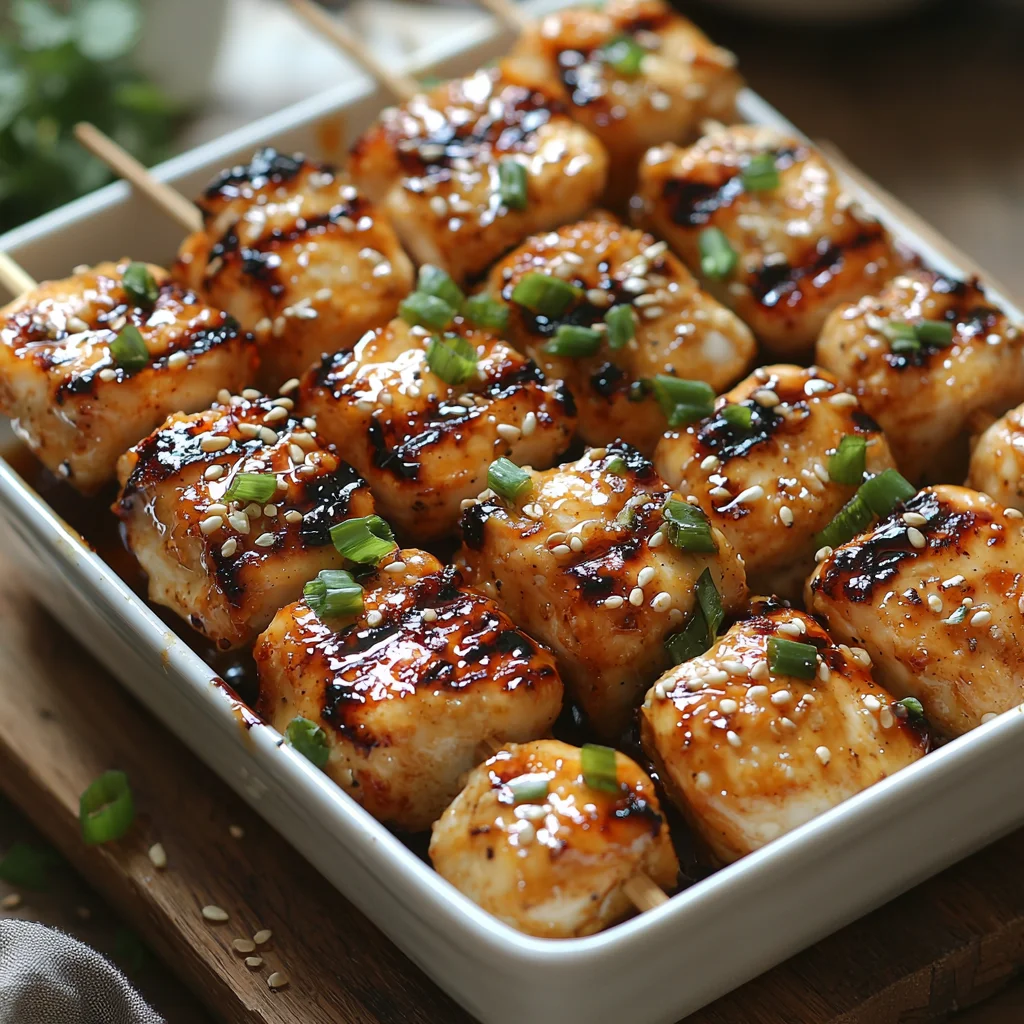
Juicy Garlic Herb Chicken Skewers
Ingredients
Method
- In a large bowl, whisk together olive oil, garlic, lemon juice, lemon zest, oregano, paprika, salt, and pepper.
- Add chicken pieces to the marinade, tossing to coat evenly. Cover and refrigerate for at least 20 minutes (or up to 4 hours).
- While chicken marinates, soak wooden skewers in water for 15 minutes to prevent burning.
- Preheat grill or grill pan to medium-high heat (about 400°F).
- Thread marinated chicken alternately with onion and bell pepper pieces onto skewers.
- Grill skewers for 4-5 minutes per side, turning once, until chicken reaches 165°F internally.
- Remove from grill, sprinkle with fresh parsley, and let rest 3 minutes before serving.


