

There’s something magical about the aroma of cabbage rolls simmering on the stove—a comforting blend of savory meat, tender cabbage, and fragrant spices filling the kitchen. I’ve been making this dish for years, ever since my grandmother taught me her secret technique for perfectly rolled cabbage leaves. Her trick? Briefly blanching the cabbage to make it pliable without losing its bite. It’s a method I still use today, and it never fails to impress. If you’ve ever struggled with tearing cabbage leaves or ending up with soggy rolls, I’m here to help. Let me show you 7 simple steps to make the most amazing cabbage rolls—I’ve been making these for years, and I’ve got all the tricks to help you nail it!”
First, you’ll learn how to prep the cabbage leaves so they’re easy to roll and hold their shape during cooking. I’ll also share my favorite filling combination—a mix of ground beef, rice, and spices that’s flavorful but not overwhelming. Plus, I’ll show you how to simmer the rolls in a rich tomato sauce that ties everything together. Whether you’re a beginner or just looking to refine your technique, these steps will give you the confidence to create a dish that’s as impressive as it is delicious. Let’s get started!
What Are Cabbage Rolls?
My grandma’s cabbage rolls were the stuff of family legend—tender leaves wrapped around a savory filling, simmered until every bite was packed with flavor. If you’re new to this dish, cabbage rolls are exactly what they sound like: cooked cabbage leaves stuffed with a mixture (usually meat and rice), then baked or simmered in sauce. They’re like little flavor parcels that somehow taste even better the next day. I love how the cabbage softens just enough to cradle the filling without falling apart—it’s a texture game-changer.
The beauty of this dish is how it pops up in so many cultures, each with its own twist. My Polish neighbor calls them golabki, while my Ukrainian friend insists they’re holubtsi. No matter the name, they all share that same comforting vibe. I’ve even had a vegetarian version at a potluck with lentils and mushrooms that blew my mind—proof this dish can adapt to any diet.
Cultural Variations
I’ll never forget the first time I tried my Hungarian aunt’s version—she adds paprika and sour cream to the sauce, giving it a totally different personality. Meanwhile, Asian variations often use napa cabbage and star anise for a lighter, aromatic take. What fascinates me is how one simple concept morphs across borders. In Romania, they stuff them with pork and dill. In Sweden, they’re sweetened with lingonberry jam. It’s like a delicious world tour in one pot.
Essential Ingredients for Perfect Cabbage Rolls
That Hungarian paprika-spiked version I mentioned? It all starts with choosing the right foundation. After testing dozens of heads, I swear by Savoy cabbage—its crinkled leaves peel away easily after a quick boil, and they’re naturally flexible for rolling. If you can’t find Savoy, green cabbage works too, though I recommend removing the thick center ribs with a paring knife.

For traditional Polish cabbage rolls, I use a 50/50 mix of ground beef and pork—the pork adds juiciness while the beef brings depth. Lately though, I’ve been loving ground turkey for a lighter twist (just add an extra tablespoon of olive oil to keep it moist). The rice matters more than you’d think—short-grain holds its shape better during cooking, though I’ve used basmati in a pinch when that’s all I had.
Vegetarian Alternatives
That unforgettable potluck version I mentioned? The host replaced meat with a mix of brown lentils and cremini mushrooms sautéed with onions—the umami was incredible. For vegetarian cabbage rolls, I now swear by this combo plus cooked quinoa instead of rice. The key is roasting the mushrooms until they’re deeply browned; it mimics that meaty richness. I’ll sometimes add smoked paprika or liquid smoke for extra depth. Don’t skip the tomato sauce though—it’s what ties everything together. For crock pot cabbage rolls, I thin the sauce with a bit of veggie broth so they don’t dry out.
Step-by-Step Cabbage Rolls Recipe
After experimenting with those vegetarian cabbage rolls at the potluck, I couldn’t wait to master the classic version. Whether you’re making Polish cabbage rolls or a lighter turkey-based filling, the technique stays pretty much the same. I’ll walk you through my tried-and-true method, from prepping the cabbage to that final bake (or slow cook). Trust me, once you get the hang of it, you’ll be rolling these up like a pro.
Preparing the Cabbage
First, you’ll need to soften those sturdy cabbage leaves. I’ve tried steaming, but blanching works best for me. Bring a large pot of water to a boil, then carefully remove the core from your cabbage. Gently peel off the outer leaves—don’t worry if they tear a little; you can patch them later. Submerge the leaves in boiling water for about 2-3 minutes until they’re pliable but not mushy. I always keep a bowl of ice water nearby to shock them immediately after blanching—it stops the cooking process and helps retain that vibrant green color.
For larger heads of cabbage, I sometimes trim the thick central vein to make rolling easier. If you’re working with Savoy cabbage, you’re in luck—its naturally crinkled leaves are more flexible. I’ve found that one medium cabbage yields about 12-15 leaves, which is perfect for a standard batch. Keep any smaller inner leaves aside; they’re great for lining the baking dish to prevent sticking.
Assembly Techniques
Now comes the fun part—rolling! Lay a blanched leaf flat on your work surface, shiny side down. I like to spoon about ¼ cup of filling (that meat or vegetarian mix we talked about earlier) near the base of the leaf. Fold the sides inward, then roll tightly from the bottom up, like a burrito. Don’t overstuff—it’s tempting, but trust me, less filling means neater rolls that hold together better.
To secure them, I used to use toothpicks, but now I just place them seam-side down in my baking dish—the weight of the sauce keeps them closed. For crock pot cabbage rolls, I arrange them in layers, sprinkling a bit of sauce between each. Whether baking or slow cooking, make sure the rolls are snug but not crammed; they need room to absorb that delicious tomato sauce. I usually bake mine at 350°F for about 1½ hours until bubbly and tender, but for a deeper flavor, I’ll sometimes brown them in a skillet first. Either way, the aroma will have your kitchen smelling like heaven.
Expert Tips for Flawless Cabbage Rolls
Once you’ve mastered the rolling technique, it’s time to focus on perfecting the details that make your cabbage rolls unforgettable. I’ve learned a few tricks over the years that have saved me from overcooked, split rolls or bland, watery sauce. Let me share my secrets so you can nail this dish every time.
Cooking Shortcuts
If you’re short on time but still want that homemade flavor, I’ve got you covered. First, I always blanch my cabbage leaves in batches and freeze them ahead of time. That way, I can pull them out whenever I’m ready to roll. For the filling, I sometimes use pre-cooked rice or even leftover quinoa to speed things up. Another time-saver? I’ll double the recipe and freeze half before baking—it reheats beautifully. If I’m really in a rush, I’ll use a store-bought marinara sauce and jazz it up with a splash of balsamic vinegar and a pinch of sugar. Trust me, no one will know the difference.
Preventing Splits and Perfecting Sauce
The key to preventing splits is all in the rolling technique and cooking method. I make sure not to overstuff the leaves and roll them snugly but not too tight. When baking, I always cover the dish tightly with foil for the first hour to keep the moisture in. For the sauce, I aim for a consistency that’s thick enough to coat the rolls but still pourable. If it’s too thin, I’ll simmer it for a few extra minutes. And don’t forget to season every layer—the filling, the sauce, and even a sprinkle of salt on the blanched leaves. I’ve found that balancing the flavors with a touch of acidity (like lemon juice or vinegar) really makes the dish sing. No matter if you’re whipping up Polish-style cabbage rolls, a veggie-packed version, or even slow cooker cabbage rolls, I’ve got tips that’ll make your dish shine.”
Creative Cabbage Roll Variations
Balancing flavors with a touch of acidity is just one way to make cabbage rolls shine, but there’s so much more you can do to customize this classic dish. Over the years, I’ve experimented with all kinds of variations, from international twists to dietary-friendly options. Whether you’re sticking with traditional Polish cabbage rolls or branching out into something entirely new, there’s a version for everyone.
International Twists
One of my favorite things about cabbage rolls is how versatile they are across cultures. Traditional Polish cabbage rolls are stuffed with ground pork, rice, and spices, then simmered in a tangy tomato sauce. Meanwhile, Russian versions often include beef and are sometimes topped with sour cream for extra richness. If you’re feeling adventurous, try an Asian-inspired twist—I love swapping the tomato sauce for a ginger-soy glaze and adding shiitake mushrooms to the filling. For a Korean flair, I’ve even used kimchi in place of regular cabbage leaves—it adds a spicy, fermented kick that’s unforgettable. And if you’re short on time, lazy cabbage roll casserole is a lifesaver. Just layer chopped cabbage, filling, and sauce in a baking dish—it’s all the flavor without the fuss. For more information, see King Arthur Baking Guide.
Crockpot Cabbage Rolls
When I’m hosting a big gathering or just want dinner ready when I walk in the door, I turn to my crock pot cabbage rolls. The slow cooker method is incredibly forgiving—just assemble your rolls, pour the sauce over the top, and let it simmer on low for 6-8 hours. The cabbage becomes melt-in-your-mouth tender, and the flavors meld beautifully. I’ve even adapted this method for vegetarian cabbage rolls by using lentils or quinoa instead of meat. Plus, the crockpot keeps everything moist, so there’s no risk of dried-out rolls. It’s a set-it-and-forget-it meal that never disappoints. For more information, see Baking Basics.
Storing and Reheating Cabbage Rolls
Whether I’m making Polish cabbage rolls for a family dinner or whipping up vegetarian cabbage rolls for meal prep, I always end up with leftovers—and that’s a good thing! These flavorful bundles keep beautifully, so you can enjoy them all week long. After letting them cool, I store them in an airtight container in the fridge for up to 3-4 days. If I’m planning ahead, I’ll freeze them for longer storage. When it’s time to reheat, I find the oven works best to keep the cabbage tender and the filling moist, though the microwave is handy for a quick fix. Cabbage rolls are a meal prep dream—they’re just as delicious (if not more so) the next day. For more information, see Serious Eats Baking.
Freezing Tips
If you’ve made a big batch of crock pot cabbage rolls or any other variation, freezing is a lifesaver. First, let them cool completely to avoid condensation, which can lead to freezer burn. I wrap each roll individually in plastic wrap or foil, then place them in a freezer-safe bag or container. This way, I can thaw just the number I need. They’ll keep for 2-3 months without losing flavor. When I’m ready to eat, I thaw them overnight in the fridge, then reheat in the oven at 350°F for about 20 minutes. Freezing works equally well for meat-filled rolls and vegetarian cabbage rolls, so you’ll always have a hearty meal on hand.
Common Cabbage Roll Mistakes to Avoid
After freezing a big batch of Polish cabbage rolls, I’ve learned the hard way that a few small mistakes can turn this cozy dish into a kitchen disaster. Whether you’re making vegetarian cabbage rolls or the traditional meat-filled version, these pitfalls are easy to avoid once you know what to watch for.
Texture Problems
The biggest issue I’ve faced is ending up with mushy cabbage or dry filling. First, don’t overfill the leaves—about 1/4 cup of filling per leaf is perfect. Too much and they’ll burst open while cooking. Also, underseasoning the filling is a common mistake. I always taste mine before rolling to avoid bland bites. Overcooking the cabbage during blanching is another culprit. You want the leaves pliable but still slightly crisp, or they’ll turn to mush in the crock pot cabbage rolls. Finally, if your sauce is too thin, the rolls will swim; too thick, and they’ll dry out. I aim for a gravy-like consistency that coats the back of a spoon.
Sauce Consistency
Getting the sauce right makes all the difference. I’ve ruined a pot of rolls by using watery tomato juice instead of crushed tomatoes—now I always check the thickness before pouring. A quick simmer thickens it up perfectly. For vegetarian cabbage rolls, I sometimes add a splash of veggie broth for extra flavor without thinning it too much.
What to Serve with Cabbage Rolls
Getting the sauce consistency right is crucial, but pairing your cabbage rolls with the right sides can elevate the whole meal. Whether you’re making Polish cabbage rolls, vegetarian versions, or cooking them in a crock pot, the accompaniments matter just as much as the main dish.

Perfect Pairings
Traditionally, cabbage rolls are served with hearty sides that complement their rich flavor. I love pairing them with mashed potatoes or buttered egg noodles—they soak up the tomato sauce beautifully. For a lighter touch, a crisp cucumber salad with dill and sour cream adds freshness. If you’re going for a fusion twist, I’ve found that roasted Brussels sprouts or garlicky sautéed green beans work surprisingly well. Don’t forget the bread! A slice of rye or crusty sourdough is perfect for mopping up every last bit of sauce.
For drinks, I’m all about keeping it light and crisp—something that cools you down while you enjoy your meal. A cold glass of kvass, a traditional Eastern European fermented drink, pairs wonderfully. If you prefer wine, a light red like Pinot Noir balances the richness of the dish. For vegetarian cabbage rolls, I often serve a tangy kombucha or sparkling water with a squeeze of lemon. These pairings make the meal feel complete and satisfying.
Frequently Asked Questions
What is the filling for cabbage rolls?
The classic filling I use for cabbage rolls is a hearty mix of ground beef, rice, onions, and spices. I like to brown the beef with diced onions first, then stir in cooked rice, garlic, paprika, salt, and pepper. Some folks add tomato sauce or diced tomatoes to the filling for extra moisture. My grandma always tossed in a handful of chopped parsley for freshness. You can also use ground pork or turkey if you prefer.
When making cabbage rolls, do you boil the cabbage first?
Yes, I always boil the whole cabbage head first to soften the leaves for rolling. I drop it in a pot of boiling water for about 5 minutes until the outer leaves peel away easily. Then I carefully remove leaves as they loosen, returning the cabbage to boil if needed. The trick is getting them pliable but not mushy – they should still hold their shape when rolled. Ice water stops the cooking if they get too soft.
What is a lazy cabbage roll?
A lazy cabbage roll is my go-to shortcut when I want the flavors without the work. Instead of rolling individual leaves, I layer chopped cabbage with the meat filling in a baking dish like a lasagna. It’s got all the same ingredients – ground beef, rice, tomatoes, and spices – but cooks faster. The top gets nice and crispy while the bottom stays tender. It’s perfect for busy weeknights when I’m craving comfort food.
How do you make a simple cabbage roll casserole?
For my easy casserole version, I brown ground beef with onions, then mix in cooked rice, tomato sauce, and seasonings. Next, I layer shredded cabbage in a greased baking dish, top with the meat mixture, then repeat. Finally, I pour more tomato sauce over everything and bake at 375°F for about 45 minutes until bubbly. Sometimes I add cheese on top during the last 10 minutes for extra richness. It’s foolproof and feeds a crowd!
Why Trust Me?
I’ve been perfecting my cabbage roll recipe for over a decade, making them at least twice a month for family gatherings. The trick I learned from my grandma? Briefly freezing the cabbage heads before peeling—it makes the leaves pliable without tearing. Last Thanksgiving, my picky nephew actually asked for seconds, which never happens with his veggies!
Final Thoughts
Cabbage rolls are one of those comfort food classics that never go out of style—tender cabbage leaves wrapped around a savory filling, simmered in a rich tomato sauce. Whether you stick with the traditional beef and rice filling or try a veggie-packed twist, they’re always satisfying. Plus, they freeze beautifully, making them perfect for meal prep or cozy weeknight dinners.
This recipe holds a special place in my heart because it reminds me of family gatherings where my grandma would spend hours rolling them with love. Now, I love making them for my own crew—they’re always a hit!
Ready to give them a try? Whip up a batch this weekend and let me know how they turn out in the comments. And tell me—what’s your favorite filling to stuff inside cabbage rolls? I’m always looking for new ideas!
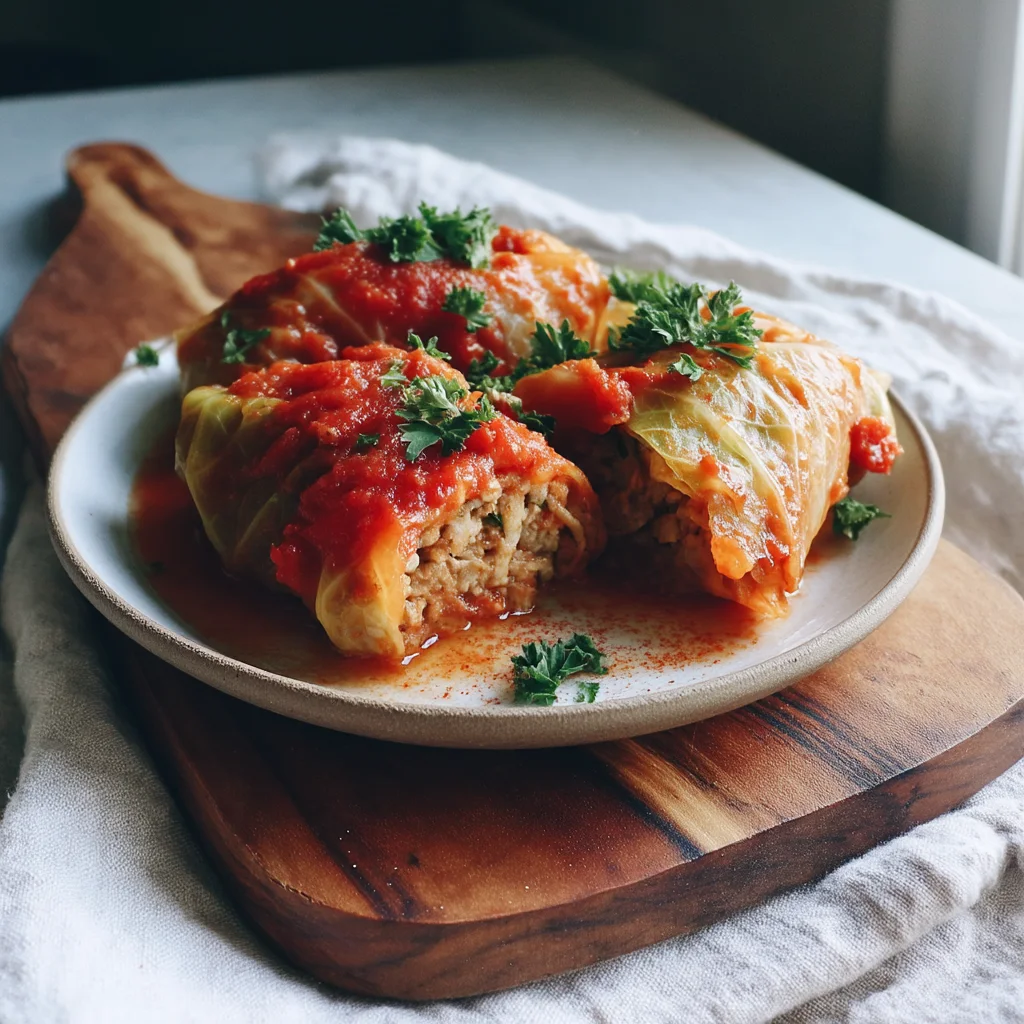
Classic Cabbage Rolls
Ingredients
Method
- Bring a large pot of water to boil. Core the cabbage and carefully lower it into the boiling water. Peel off leaves as they soften (about 1-2 minutes per leaf). Drain and set aside 12 large leaves.
- In a bowl, mix ground beef, rice, onion, garlic, egg, salt, pepper, and paprika until well combined.
- Place 1/4 cup of filling in the center of each cabbage leaf. Fold in sides and roll up tightly.
- Arrange rolls seam-side down in a large Dutch oven or baking dish.
- Whisk together tomato sauce, brown sugar, and lemon juice. Pour over cabbage rolls.
- Cover and bake at 350°F for 1.5 hours, or simmer on stovetop over low heat for same duration.
- Let rest 10 minutes before serving. Spoon extra sauce over rolls when plating.


