

Ever find yourself craving cookie dough but wishing it was actually good for you? That’s exactly why I started making Edible Protein Cookie Dough—a guilt-free treat that satisfies my sweet tooth while packing in protein. I remember the first time I whipped up a batch after a workout, skeptical it could taste as good as the real deal. One bite in, and I was hooked. Now, it’s my go-to snack for quick energy or a post-dinner indulgence.
In this guide, I’ll walk you through my foolproof method for making Edible Protein Cookie Dough in just 7 easy steps. You’ll learn how to choose the right protein powder (hint: not all work well), the secret to getting that perfect dough-like texture, and my favorite mix-ins for extra flavor. I’ve tested countless variations, so I’ll also share what to avoid—like overmixing or using liquid sweeteners that make the dough too sticky.
Best part? This recipe comes together in minutes with no baking required. Whether you’re meal-prepping snacks or need a healthier dessert option, this dough is versatile, delicious, and safe to eat raw. Let’s get started!
What Is Edible Protein Cookie Dough?
After years of craving raw cookie dough but avoiding it because of the risks, I finally discovered Edible Protein Cookie Dough—a game-changer for snack lovers like me. Unlike traditional dough with raw eggs and flour, this version swaps in protein powder and heat-treated flour (or alternatives like oat flour) to make it safe to eat straight from the bowl. The texture is spot-on: thick, slightly crumbly, and begging to be licked off the spoon. I love that it’s packed with 20+ grams of protein per serving, thanks to ingredients like whey or plant-based protein powder, and often includes Greek yogurt or cottage cheese for extra creaminess.
Why Choose Protein Cookie Dough?
I reach for protein cookie dough over the classic version because it’s a two-in-one win: dessert and fuel. The protein keeps me full longer, curbing my afternoon snack attacks, and it’s perfect for post-workout recovery. Plus, it’s endlessly customizable—I’ve stirred in everything from dark chocolate chips to crushed pretzels. My kids don’t even realize they’re eating something packed with nutrients, which makes it a sneaky mom win too.
Is It Really Safe to Eat Raw?
Absolutely! The trick is skipping raw eggs and using heat-treated flour (or almond flour) to avoid bacteria risks. I also use pasteurized Greek yogurt or cottage cheese for moisture, which adds safety and protein. After dozens of batches, I’ve never had issues—just happy taste testers begging for more.
Why This Edible Protein Cookie Dough Recipe Works
Since we’ve already covered why protein cookie dough is safer than the classic version (no raw eggs!), let’s talk about what makes this recipe so foolproof. I’ve tested countless variations, and this one strikes the perfect balance—creamy from Greek yogurt or cottage cheese, sweet but not cloying, and packed with customizable mix-ins. It comes together in under 10 minutes, and you probably have most ingredients in your pantry already.
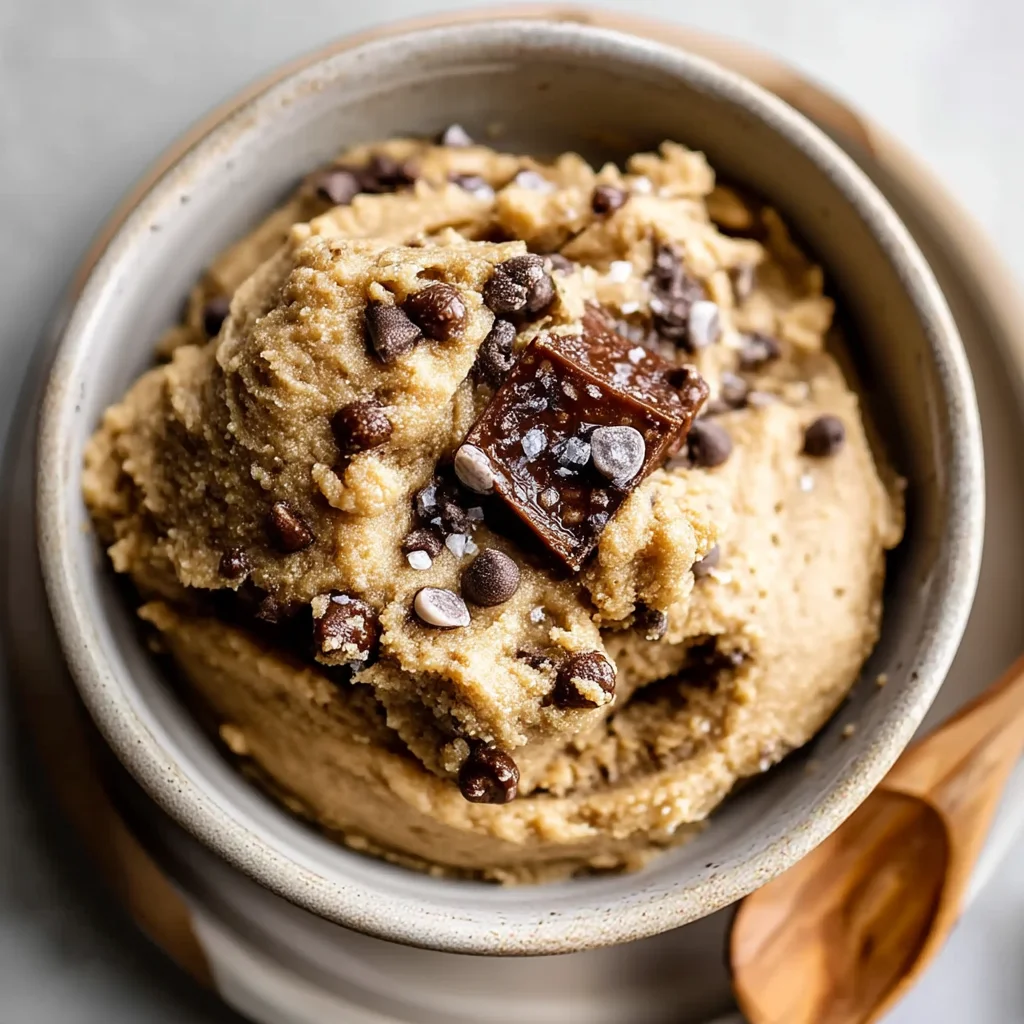
Customizable Ingredients
What I love most is how flexible this recipe is. If you’re dairy-free, swap the Greek yogurt for almond butter. Prefer plant-based? Use vegan protein powder. I’ve even subbed cottage cheese for yogurt when I wanted extra protein—just blend it smooth first. The base is forgiving, so feel free to tweak sweeteners or add-ins like dark chocolate, nuts, or even a pinch of sea salt.
Suitable for Various Dietary Needs
Whether you’re gluten-free, keto, or just watching your sugar intake, this dough adapts easily. Almond flour keeps it grain-free, while monk fruit sweetener works for low-carb diets. My friend’s kids have nut allergies, so we use sunflower seed butter instead—still delicious. It’s rare to find a recipe this versatile that actually tastes like dessert!
Ingredients for the Best Edible Protein Cookie Dough
Since we’re all about customizable mix-ins and quick fixes, let’s break down what you’ll need for this foolproof dough. My base always starts with almond flour for that chewy texture, vanilla protein powder (I prefer whey for creaminess, but plant-based works too), and a splash of maple syrup for sweetness. Don’t forget Greek yogurt or cottage cheese—blended smooth—to bind everything without raw eggs. A pinch of salt and vanilla extract round it out, but honestly? The add-ins (chocolate chips, sprinkles, etc.) are where you make it yours.
Substitutions for Common Allergens
If nuts are an issue, swap almond flour for oat flour—just toast it first for extra flavor. For dairy-free versions, I use coconut yogurt instead of Greek yogurt, and sunflower seed butter adds richness without nuts. One reader even subbed applesauce for yogurt when her kid had a soy allergy, and it worked like a charm. Always check your protein powder’s ingredients too; some hide sneaky allergens.
Importance of Quality Protein Powder
I’ve learned the hard way that chalky protein powder ruins the texture. My trick? Stick to vanilla or unflavored varieties with minimal additives. Plant-based powders can be grainier, so I’ll often add an extra tablespoon of yogurt to compensate. The brand matters less than the taste—if you wouldn’t drink it in a shake, don’t bake with it. Trust me, your cookie dough will thank you.
Step-by-Step Guide to Making Edible Protein Cookie Dough
Since we’ve already covered the importance of choosing the right protein powder, let’s dive into the actual process of making this edible protein cookie dough. It’s simpler than you’d think, and I love how customizable it is—whether you’re using cottage cheese, Greek yogurt, or even a dairy-free alternative.
Mixing Techniques
First, I always start by whisking my dry ingredients—protein powder, almond flour, and a pinch of salt—in a large bowl. Then, I add my wet ingredients: Greek yogurt, a splash of vanilla extract, and a drizzle of honey. I’ve found that mixing with a spatula works best to avoid overworking the dough. If it feels too dry, I’ll add an extra tablespoon of yogurt, and if it’s too sticky, a bit more almond flour does the trick. The key is to aim for a thick, scoopable consistency that holds its shape without crumbling.
Substitutions for Common Allergens
If nuts are an issue, swap almond flour for oat flour—just toast it first for extra flavor. For dairy-free versions, I use coconut yogurt instead of Greek yogurt, and sunflower seed butter adds richness without nuts. One reader even subbed applesauce for yogurt when her kid had a soy allergy, and it worked like a charm. Always check your protein powder’s ingredients too; some hide sneaky allergens.
Importance of Quality Protein Powder
I’ve learned the hard way that chalky protein powder ruins the texture. My trick? Stick to vanilla or unflavored varieties with minimal additives. Plant-based powders can be grainier, so I’ll often add an extra tablespoon of yogurt to compensate. The brand matters less than the taste—if you wouldn’t drink it in a shake, don’t bake with it. Trust me, your cookie dough will thank you.
Expert Tips for Perfect Edible Protein Cookie Dough
Since we’ve covered the importance of quality protein powder, let’s talk about how to make your edible cookie dough truly shine. I’ve been experimenting with this recipe for years, and I’ve picked up a few tricks along the way. Whether you’re using cottage cheese or Greek yogurt as your base, these tips will help you avoid common mistakes and elevate your results. Trust me, once you nail these details, you’ll never go back to store-bought versions.
Storage Tips
I always store my edible cookie dough in an airtight container in the fridge—it keeps fresh for up to 5 days. If you want to freeze it, I recommend rolling it into small balls and placing them on a parchment-lined tray. Once frozen, transfer them to a freezer bag for easy snacking. One reader told me she adds a slice of bread to the container to keep the dough soft, and it works like a charm. Just make sure to label your container with the date so you don’t forget when you made it!
How to Add Flavor
To amp up the flavor, I love adding a pinch of sea salt or a splash of vanilla extract. If you’re using Greek yogurt, try mixing in a teaspoon of almond butter for a nutty twist. Another trick I swear by is toasting your flour before mixing it in—it adds a warm, nutty aroma that makes all the difference. For a chocolatey version, I’ll swap out some of the protein powder for cocoa powder. Small tweaks like these can take your cookie dough from good to unforgettable. For more information, see King Arthur Baking Guide.
Common Pitfalls
One mistake I made early on was overmixing the dough, which made it too dense. Now, I stop stirring as soon as everything comes together. Another issue is using too much liquid—start with less yogurt or milk than the recipe calls for, and add more gradually. I’ve also learned to taste-test as I go, especially if I’m using a new protein powder. Sometimes, a dash of honey or a sprinkle of cinnamon can save the batch if the flavor feels off. Pay attention to these details, and you’ll avoid disappointment every time. For more information, see Baking Basics.
Common Mistakes to Avoid With Edible Protein Cookie Dough
After perfecting my protein cookie dough recipe with tricks like toasted flour and almond butter, I learned the hard way that small missteps can ruin the texture or flavor. Let me save you from the same frustrations I faced—these are the pitfalls to watch for. For more information, see Serious Eats Baking.
Using the Wrong Protein Powder
I once used a chalky, unflavored protein powder and ended up with bland, gritty dough. Now, I stick to vanilla or chocolate whey protein for the best flavor and smooth texture. Plant-based powders can work too, but they often need extra moisture—I’ll add a spoonful of Greek yogurt or cottage cheese to balance it out. Always taste your powder first—if it’s bitter or overly sweet, adjust the other ingredients accordingly.
Over-Mixing the Dough
In my early attempts, I’d stir the dough until it was stiff and dense, like Play-Doh. Now, I mix just until the ingredients combine—overworking it activates the proteins too much, making it tough. If I accidentally overmix, I’ll fold in a splash of milk or a drizzle of honey to loosen it up. Remember, cookie dough should be soft and slightly sticky, not dry or crumbly.
Not Measuring Ingredients Accurately
Eyeballing measurements led to my first batch being too wet or too dry. Now, I use a kitchen scale for protein powder and flour—it’s a game-changer. Too much liquid (like Greek yogurt) makes the dough soggy, while too little leaves it crumbly. Start with less, then add gradually until the consistency feels right. Trust me, precision pays off here.
Variations and Substitutions for Edible Protein Cookie Dough
After nailing the basics—like avoiding over-mixing and measuring ingredients precisely—it’s time to have fun with flavors and swaps. I love experimenting with this protein cookie dough recipe because it’s so forgiving. Whether you’re craving chocolatey richness or fruity sweetness, there’s a way to tweak it. Plus, if you’re out of Greek yogurt or need a dairy-free option, I’ve got you covered.
Flavor Variations
My go-to is classic chocolate chip, but sometimes I swap in cocoa powder for a double-chocolate version. For a fruity twist, I’ll add freeze-dried strawberries or a dash of cinnamon. Peanut butter lovers can stir in a spoonful for extra creaminess—just reduce the cottage cheese or yogurt slightly to balance the texture. The key is to start small with add-ins and taste as you go.
Substitutions for Dietary Restrictions
If you’re dairy-free, try almond butter instead of Greek yogurt—it keeps the dough moist without the tang. For a nut-free version, sunflower seed butter works beautifully. I’ve even used mashed banana when I ran out of yogurt, though it adds a subtle sweetness. Just remember: every swap changes the texture slightly, so adjust liquids as needed.
Nutritional Benefits of Edible Protein Cookie Dough
Swapping traditional cookie dough for this protein-packed version isn’t just about satisfying cravings—it’s a sneaky way to fuel your body. I first started making this when I needed a post-workout snack that didn’t taste like chalky protein powder. Turns out, it’s become my guilt-free go-to for movie nights too.
Protein Content
The star here is the cottage cheese or Greek yogurt, which packs 15–20 grams of protein per serving. I love that it keeps me full for hours, unlike sugary treats that leave me crashing. Even my kids don’t realize they’re eating something that helps rebuild muscles after soccer practice.
Low Calorie Count
Compared to regular cookie dough, this version cuts calories nearly in half. I’ve found it’s perfect when I’m watching my intake but still want something indulgent. The secret? Using natural sweeteners like maple syrup instead of cups of sugar.
Healthy Fats and Fibers
Ingredients like almond butter add good fats, while oats sneak in fiber. My digestion has honestly improved since swapping my late-night ice cream for this—plus, it’s way more satisfying. Sometimes I’ll toss in chia seeds for an extra boost.
Frequently Asked Questions
How to make edible protein cookie dough?
I love making this simple, healthy treat! Start by mixing 1 cup oat flour with 1 scoop protein powder (vanilla or chocolate work great). Add 2 tbsp nut butter for creaminess, then stir in 1-2 tbsp milk until it reaches dough-like consistency. Sweeten with 1 tbsp maple syrup if needed, then fold in chocolate chips. The key is adjusting liquids slowly – you want it sticky but not wet. I always taste-test as I go!
What protein powder works best for edible cookie dough?
From my testing, whey-casein blends give the best texture since they’re less chalky. Vanilla or unflavored powders blend smoothly, while chocolate adds richness. Plant-based options like pea protein work too, but may need extra liquid. Avoid powders with gritty textures or strong aftertastes. My go-to is Orgain vanilla – it mixes well and isn’t overpowering. Always sift the powder first to prevent lumps in your dough!
Can you bake edible protein cookie dough?
Actually, I don’t recommend baking it! This dough skips eggs and uses heat-sensitive ingredients like nut butter that can burn. Plus, protein powder gets super dry when baked – I learned this the hard way with hockey-puck cookies! If you want cookies, use a proper baking recipe. This version is meant for raw enjoyment straight from the bowl (my favorite way) or chilled for firmer texture.
Why is my protein cookie dough crumbly?
Don’t worry – this happens to me too when I add too much protein powder or not enough wet ingredients. Fix it by mixing in 1 tsp milk at a time until it comes together. If it’s still dry, add extra nut butter (1/2 tbsp) for binding. The dough should stick when pressed – if it cracks, it needs more moisture. Pro tip: Let it sit 5 minutes after mixing so the flour absorbs liquids fully!
Why Trust Me?
I’ve been perfecting this edible protein cookie dough recipe for over two years, making it at least twice a month for my post-workout snack. After countless batches, I learned the hard way that too much protein powder makes it chalky—so I adjusted the ratios until it tasted just like the real deal. My gym buddies now beg me to bring it every week!
Final Thoughts
This edible protein cookie dough is truly a game-changer—it’s packed with wholesome ingredients, satisfies sweet cravings, and gives you a protein boost without the guilt. I love that it comes together in minutes and tastes just like the real deal, minus the raw egg worry.
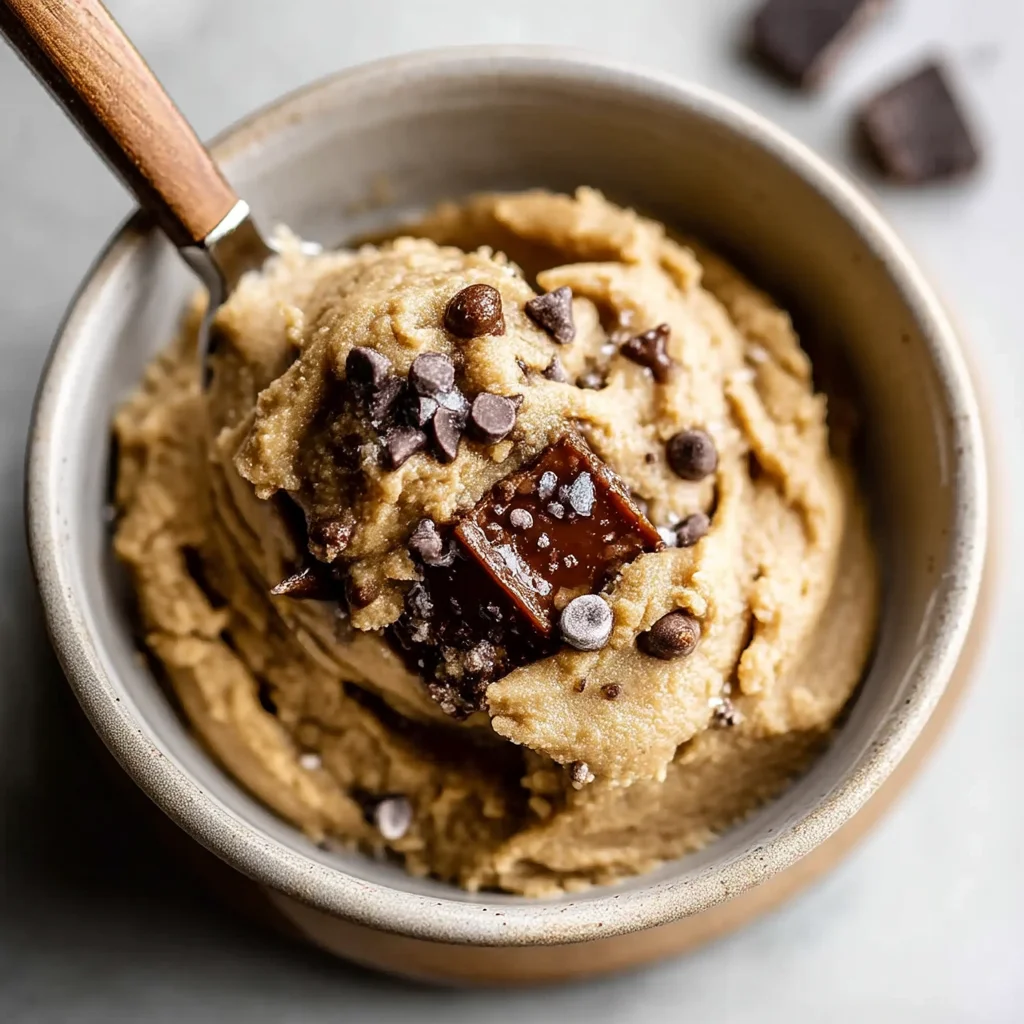
This recipe holds a special place in my kitchen because it’s my go-to post-workout treat or late-night snack when I need something indulgent but still nutritious. Plus, it’s endlessly customizable—swap in your favorite mix-ins or protein powder flavors to make it your own.
Ready to give it a try? Whip up a batch and let me know how you like it in the comments! And tell me—what’s your dream cookie dough add-in? Chocolate chips, sprinkles, or something totally wild? Happy mixing!
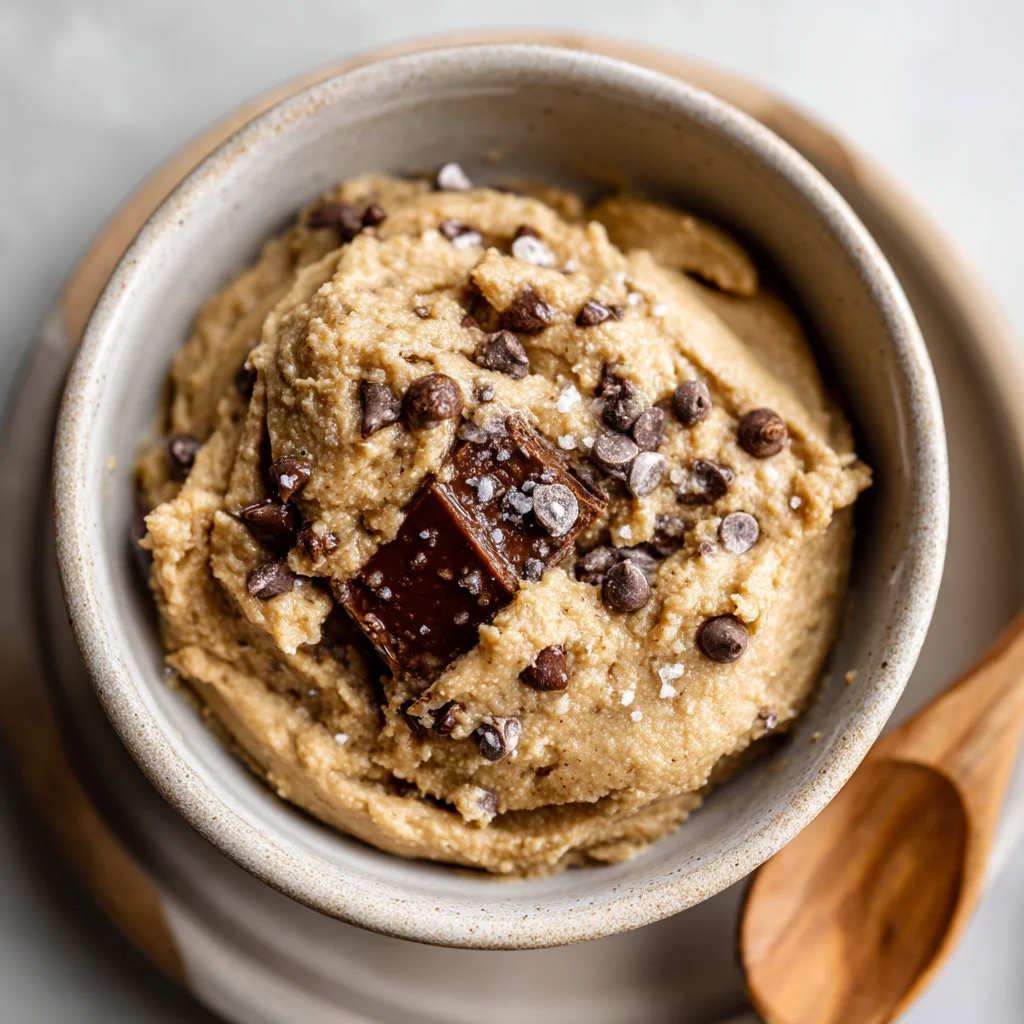
Edible Protein Cookie Dough
Ingredients
Method
- In a medium bowl, whisk together oat flour, protein powder, coconut sugar, and salt.
- Add almond butter, melted coconut oil, maple syrup, and vanilla extract. Mix well.
- Slowly add milk 1 tablespoon at a time until dough reaches desired consistency.
- Fold in chocolate chips until evenly distributed.
- Taste and adjust sweetness if needed by adding more maple syrup.
- Serve immediately or refrigerate for 30 minutes for firmer texture.
- Store leftovers in an airtight container in refrigerator for up to 5 days.


