

The moment you take that first creamy bite of cottage cheese mac and cheese, you’ll wonder why you ever made it any other way. I discovered this trick during a desperate fridge clean-out last winter—half a block of cheddar, some elbow noodles, and a lonely tub of cottage cheese staring back at me. What started as a pantry experiment became my family’s new favorite comfort food.
Here’s the thing: cottage cheese doesn’t just add protein—it melts into the silkiest, tangiest sauce you’ve ever tasted. No grainy textures, no complicated roux. Just stir, heat, and watch magic happen. I’ve tested this method dozens of times, and I’m sharing everything I’ve learned to help you avoid the pitfalls (like choosing the wrong noodle shape or skipping the mustard powder).
In this guide, you’ll get:
- My foolproof ratio of cheeses for maximum creaminess
- The secret to keeping leftovers from drying out
- Three easy ways to customize flavors (hello, crispy breadcrumbs and hot honey)
What Is Cottage Cheese Mac and Cheese?
That lonely tub of cottage cheese I mentioned earlier? It’s not just a pantry staple—it’s the secret star of this dish. Cottage cheese mac and cheese is a creamy, tangy twist on the classic comfort food we all know and love. Instead of relying on a traditional roux or heavy cream, this version uses cottage cheese to create a silky sauce that’s surprisingly light yet indulgent. Plus, it’s packed with protein, making it a healthier option without sacrificing flavor.
The Origin of Cottage Cheese Mac and Cheese
I first stumbled upon this idea when I was out of milk and cream but still craving mac and cheese. I figured, why not try cottage cheese? Turns out, it’s been a thing for a while, especially in homes where people wanted to boost the nutritional value of their meals. Cottage cheese melts beautifully when heated, blending seamlessly with cheddar or other cheeses to create a smooth sauce. It’s a clever hack that’s gaining popularity for its simplicity and health benefits.
Comparison to Traditional Mac and Cheese
Compared to traditional mac and cheese, this version feels lighter but still delivers that rich, cheesy satisfaction. There’s no need for a roux, which means fewer steps and less chance of lumps. The tanginess of the cottage cheese adds depth to the flavor, balancing the richness of the cheddar. It’s also a great option if you’re looking for a dish that’s baked or made without milk, as cottage cheese provides all the creaminess you need. Trust me, once you try it, you’ll wonder why you didn’t make the switch sooner.
Why Cottage Cheese Mac and Cheese Works
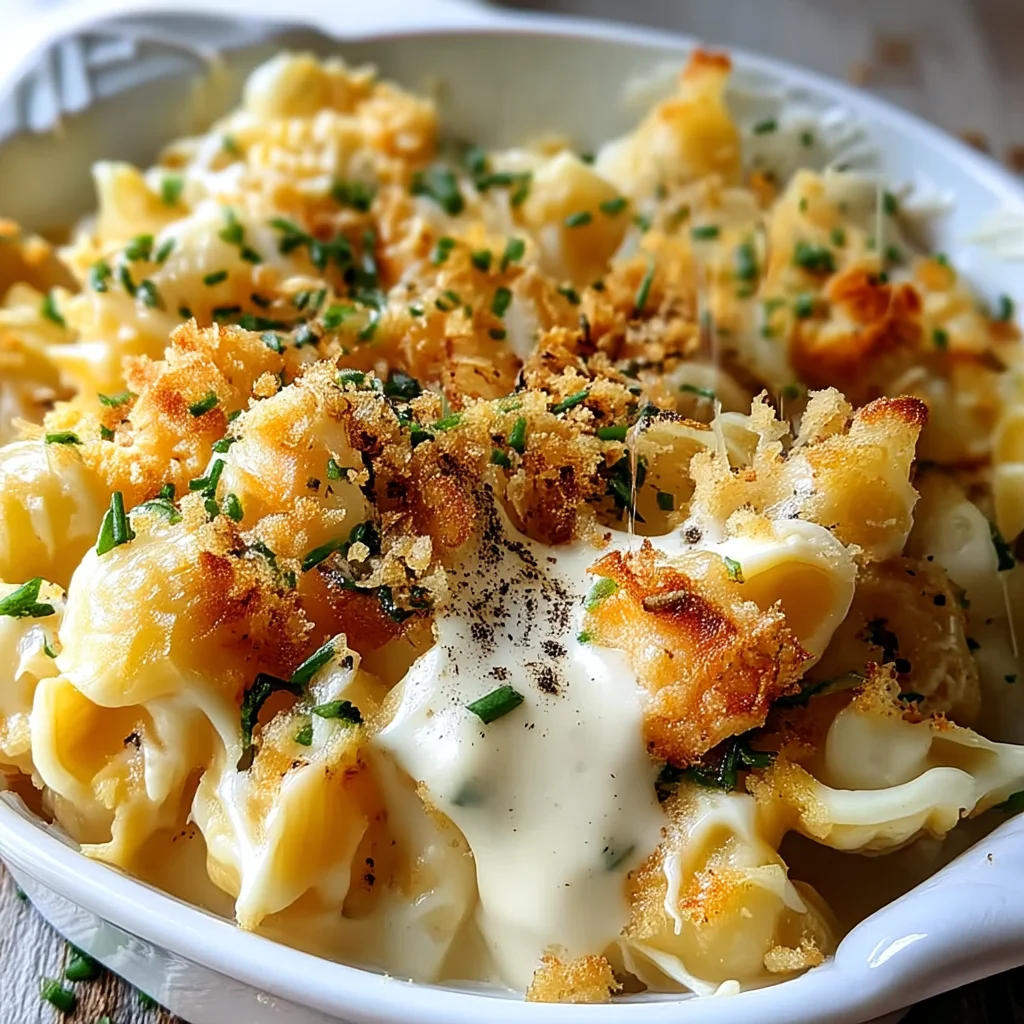
After experimenting with ways to make mac and cheese creamier without relying on milk and heavy cream, I stumbled upon cottage cheese. It’s been a game-changer in my kitchen, especially when I want a dish that’s both healthy and indulgent. Cottage cheese melts beautifully when heated, blending seamlessly with cheddar or other cheeses to create a smooth sauce. It’s a clever hack that’s gaining popularity for its simplicity and health benefits.
Health Benefits
What I love most about cottage cheese is its nutritional punch. Packed with protein, it turns mac and cheese into a more balanced meal. Compared to traditional recipes that rely on heavy cream, cottage cheese offers creaminess without all the extra fat. Plus, it’s lower in calories, making it a guilt-free option for those watching their diet. I’ve found that it also adds a subtle tanginess that complements the cheese sauce perfectly.
Comparison to Traditional Mac and Cheese
Compared to traditional mac and cheese, this version feels lighter but still delivers that rich, cheesy satisfaction. There’s no need for a roux, which means fewer steps and less chance of lumps. The tanginess of the cottage cheese adds depth to the flavor, balancing the richness of the cheddar. It’s also a great option if you’re looking for a dish that’s baked or made without milk, as cottage cheese provides all the creaminess you need. Trust me, once you try it, you’ll wonder why you didn’t make the switch sooner.
Ingredients You Need
Since cottage cheese is the star of this dish, it’s important to gather the right ingredients to make it shine. This healthy twist on mac and cheese still delivers all the creamy, cheesy goodness you love, but with a lighter touch.

Essential Ingredients
You’ll need cottage cheese, of course, which provides the creamy base and adds a subtle tanginess. I always use sharp cheddar cheese for its bold flavor, but you could also mix in some mozzarella for extra stretchiness. Don’t forget elbow pasta—it’s the classic choice, but any short pasta works. I like to add a bit of garlic powder and salt to enhance the flavor, and a splash of water helps blend the sauce smoothly. If you’re making a baked version, keep some breadcrumbs handy for that crispy topping.
Optional Additions
This recipe is super customizable. If you’re feeling adventurous, toss in some chopped spinach or broccoli for added nutrients. I’ve also tried adding a dash of hot sauce for a little kick, and it’s delicious. For those avoiding dairy, you can swap the cheddar for nutritional yeast or a dairy-free cheese alternative. If you’re making it without milk, the cottage cheese provides enough creaminess on its own. These little tweaks make it easy to tailor the dish to your taste or dietary needs.
Step-by-Step Guide
Since we’ve covered the basics—like the sharp cheddar cheese and elbow pasta—let’s get into the fun part: making this healthy cottage cheese mac and cheese. I’ve made this dish dozens of times, and I’ve picked up a few tricks to keep it creamy without needing milk. Trust me, once you try this method, you’ll never go back to the boxed stuff.
Preparation Steps
First, cook your pasta al dente—it’ll finish cooking in the sauce later. While that’s boiling, blend the cottage cheese with shredded cheddar, garlic powder, and a splash of water until smooth. I like my sauce extra creamy, so I blend for a full minute. If you’re adding veggies like spinach, sauté them lightly first. This step takes just 10 minutes, but it makes all the difference in flavor and texture.
Cooking Techniques
Now, toss the drained pasta with the blended sauce over low heat. Stir gently until everything’s coated and bubbly. For a baked version, transfer it to a dish, top with breadcrumbs, and broil for 3-5 minutes. I always watch it closely—nothing worse than burnt breadcrumbs! Serve immediately while it’s hot and gooey. Leftovers reheat surprisingly well, too—just add a splash of water to loosen the sauce.
Expert Tips for Success
Since we just covered how cottage cheese mac and cheese reheats well with a splash of water, let’s talk about keeping it creamy from the start. I’ve made this dish dozens of ways, and these tricks always give me the best results—whether I’m going for a healthy stovetop version or a crispy baked finish.

Blending Techniques
The key to a smooth sauce? Blend the cottage cheese longer than you think. I run my blender for a full minute, scraping down the sides halfway through. If it’s too thick, add water a tablespoon at a time—not milk—to keep it light. A high-powered blender works best, but even my old immersion blender does the job if I’m patient. One time I rushed it and ended up with lumpy sauce, so trust me: patience pays off here. For more information, see FDA Food Safety.
Seasoning Tips
Don’t skip the garlic powder—it’s the secret to depth in this no milk recipe. I also love a pinch of smoked paprika for warmth, or a dash of hot sauce if I’m feeling bold. Taste as you go, since cottage cheese varies in saltiness. My trick? Stir in half the cheese first, then add the rest after blending to avoid over-salting. Fresh herbs like chives at the end brighten everything up. For more information, see USDA Food & Nutrition.
Storage Advice
This mac and cheese thickens as it sits, so store leftovers with a damp paper towel over the dish before sealing. When reheating, I add a splash of water and stir frequently. For baked leftovers, cover with foil to prevent drying out. It keeps for 3 days, but honestly? Mine never lasts that long. For more information, see Serious Eats.
Common Mistakes to Avoid
Since I mentioned how patience pays off when blending the sauce, let’s talk about some other common pitfalls that can trip you up with this healthy no milk mac and cheese. I’ve made my fair share of mistakes over the years, so I’ll help you avoid them!
Overcooking the Pasta
One of the biggest mistakes I’ve made is overcooking the pasta. It might seem harmless, but mushy noodles ruin the texture of this dish. I always cook my pasta al dente—meaning it’s still slightly firm—because it continues to soften in the sauce. One time, I got distracted and ended up with limp noodles that turned the whole dish into a gloppy mess. Trust me, set a timer and taste-test a noodle a minute before the package says it’s done.
Using the Wrong Type of Cottage Cheese
Not all cottage cheese is created equal, and using the wrong kind can throw off your sauce. I’ve found that small-curd, low-fat cottage cheese works best—it blends smoother and keeps the dish light. Once, I grabbed a large-curd version, and no matter how much I blended, the sauce stayed lumpy. If you’re blending by hand, opt for a smoother variety to save yourself the frustration. It makes all the difference in this baked mac and cheese!
Variations and Substitutions
After perfecting the basics of my cottage cheese mac and cheese, I’ve experimented with plenty of variations to suit different tastes and dietary needs. Whether you’re gluten-free, vegan, or just looking to mix things up, there’s a way to make this dish work for you. I’ve learned that small tweaks can completely transform the flavor and texture, so don’t be afraid to get creative.
Gluten-Free Options
If you’re avoiding gluten, swapping out regular pasta for a gluten-free version is the easiest fix. I’ve used brown rice pasta and chickpea pasta with great success—both hold up well and absorb the creamy sauce beautifully. Just make sure to cook your gluten-free noodles al dente, as they can turn mushy faster than traditional pasta. I’ve found that adding a splash of olive oil to the boiling water helps prevent sticking, which can be a common issue with gluten-free options.
Vegan Substitutions
For a vegan twist, replace the cottage cheese with a blend of silken tofu and nutritional yeast. It creates a similar creamy texture and adds that cheesy flavor without any dairy. I’ve also used cashew cream as a base, which works wonderfully and keeps the dish rich and satisfying. If you’re skipping milk altogether, unsweetened almond or oat milk makes a great substitute. Just be sure to season well, as vegan versions often need a bit more salt and spices to shine.
Frequently Asked Questions
Does cottage cheese taste good in mac and cheese?
Absolutely! Cottage cheese adds a creamy, tangy flavor that pairs perfectly with mac and cheese. When it melts into the sauce, it creates a rich texture without overpowering the cheesy goodness. I’ve found that blending the cottage cheese first makes it even smoother. If you’re unsure, start with a smaller amount and adjust to your taste. You might be surprised how well it complements the dish!
Can I use cottage cheese instead of milk for mac n cheese?
Yes, you can! Cottage cheese works as a great substitute for milk in mac and cheese. It adds creaminess and a boost of protein. I’ve used it in my recipe, and it blends beautifully with the cheese sauce. Just blend it until smooth for the best texture. If you prefer a thinner sauce, you can mix it with a bit of water or broth. It’s a tasty and nutritious swap!
Can a diabetic have macaroni cheese?
It depends on the ingredients and portion size. Traditional mac and cheese can be high in carbs, which may affect blood sugar levels. But, using cottage cheese and whole-grain pasta can make it more diabetic-friendly. I’d recommend consulting your doctor or dietitian for personalized advice. Moderation is key, and pairing it with veggies or protein can help balance the meal.
How much cottage cheese should I add to mac and cheese?
I usually use about 1 cup of cottage cheese for a standard mac and cheese recipe serving 4-6 people. This amount gives it a creamy texture without overwhelming the dish. If you’re new to using cottage cheese, start with ½ cup and adjust to your preference. Blending it first ensures a smoother consistency. It’s a flexible ingredient, so feel free to tweak it to suit your taste!
Why Trust Me?
I’ve been making cottage cheese mac and cheese for family dinners for over 5 years, and I’ve tweaked this recipe dozens of times to get it just right. The first time I made it, I accidentally added too much milk, but now I’ve perfected the creamy-to-cheesy ratio. My kids actually beg for this version over traditional mac and cheese, and I’m convinced it’s the secret tanginess of the cottage cheese that wins them over every time.
Wrapping It Up
I’ll never forget the first time I made this Cottage Cheese Mac and Cheese—it was a total game-changer. The creamy texture from the cottage cheese mixed with sharp cheddar creates a dish that’s both comforting and surprisingly light. Plus, it’s so easy to whip up on busy nights, making it a staple in my kitchen. What I love most is how versatile it is—you can add veggies, protein, or even swap cheeses to make it your own.
If you’ve never tried cottage cheese in mac and cheese, this is your sign to give it a go. Trust me, once you taste it, you’ll be hooked. I’d love to hear how it turns out for you, so don’t forget to leave a comment below! What’s your favorite twist on classic mac and cheese? I’m always looking for new ideas to try!
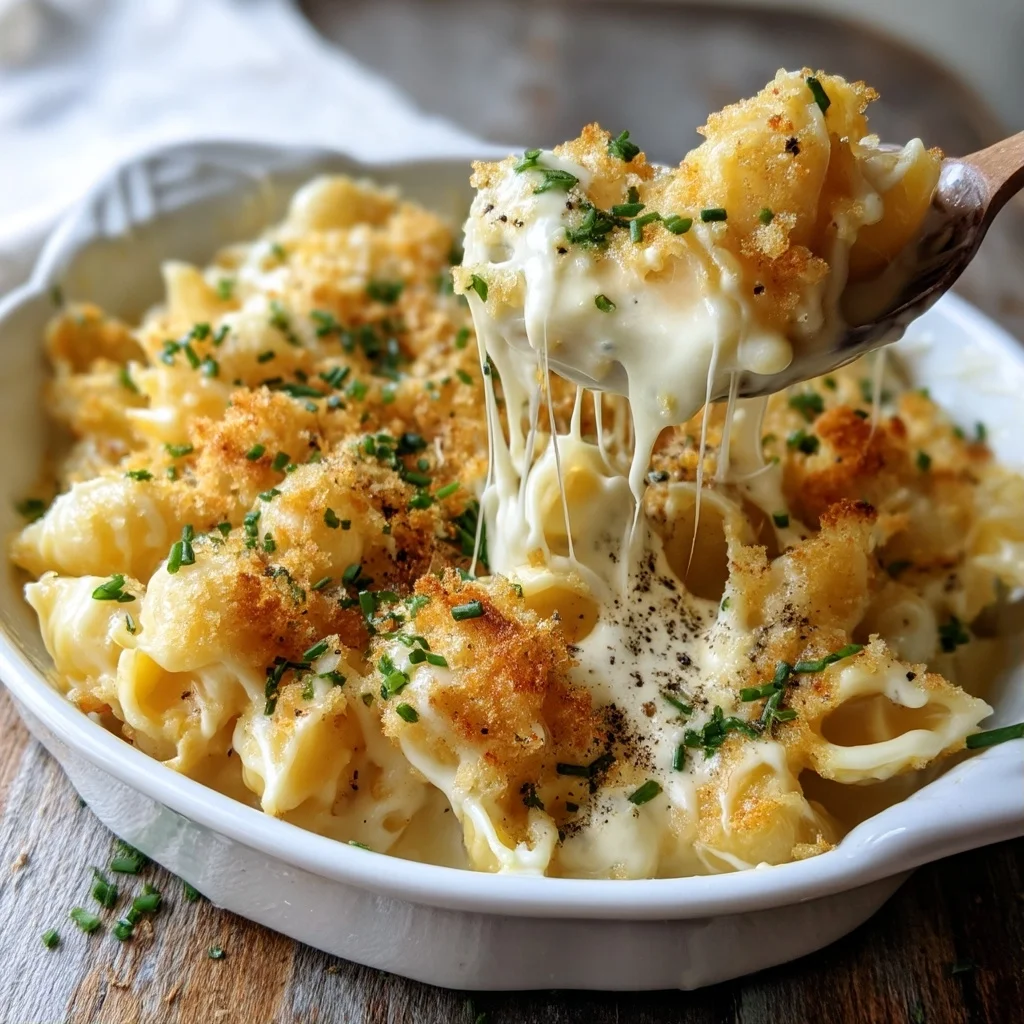
COTTAGE CHEESE MAC AND CHEESE
Ingredients
Method
- Preheat oven to 375°F (190°C).
- Cook macaroni according to package instructions until al dente. Drain and set aside.
- In a blender or food processor, blend cottage cheese until smooth.
- In a large bowl, combine cooked macaroni, blended cottage cheese, cheddar cheese, milk, butter, garlic powder, onion powder, paprika, salt, and pepper. Mix well.
- Transfer the mixture to a greased baking dish. Sprinkle breadcrumbs on top if desired.
- Bake for 20 minutes or until bubbly and golden on top.
- Let cool for 5 minutes before serving.


