

The moment you bite into a freshly baked poppy seed bagel and hear that satisfying crunch, you’ll understand why I’ve been obsessed with perfecting this recipe for years. I still remember my first failed attempt—dense little hockey pucks that even the neighborhood squirrels rejected. But after dozens of batches (and a flour-dusted kitchen), I’ve cracked the code for bagels with the perfect chew, golden crust, and that addictive pop of poppy seeds in every bite.
In this guide, I’ll share exactly how to make poppy seed bagels that rival your favorite bakery’s—without any fancy equipment. You’ll learn my tricks for getting that signature shiny crust, why cold fermentation makes all the difference, and how to prevent those pesky seeds from falling off during baking. I’ve even included a time-saving shortcut if you’re craving fresh bagels by breakfast.
What surprised me most was how simple the process becomes once you understand the science. It’s not about kneading harder or adding more yeast—it’s about patience and a few key techniques I wish I’d known sooner. Whether you’re a first-time baker or a bread pro, these methods will give you consistent, bakery-quality results every time. Let’s get those seeds sticking and that water boiling!
What Are POPPY SEED BAGELS?
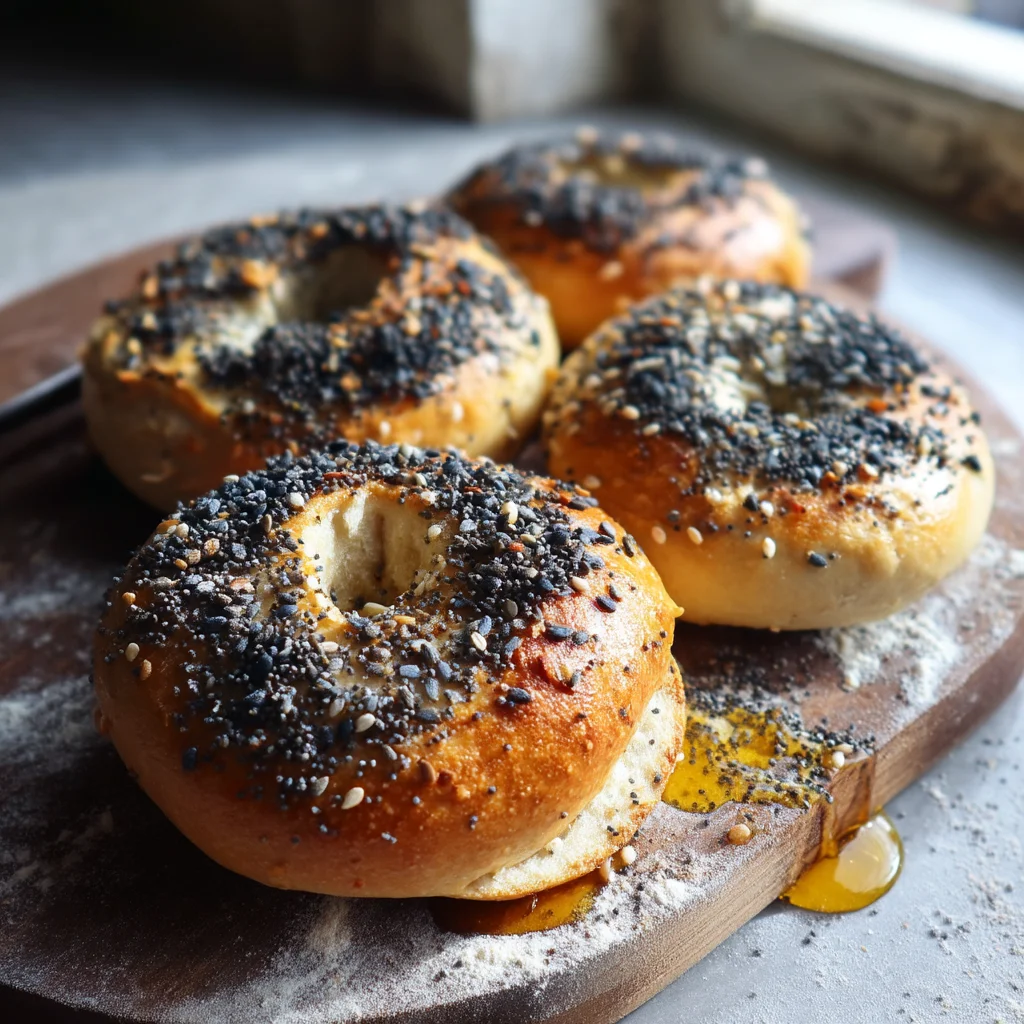
Poppy seed bagels are my ultimate breakfast comfort food—chewy, golden rounds studded with tiny blue-gray seeds that add a subtle crunch and nutty flavor. Unlike plain bagels, these have an earthy depth from the poppy seeds clinging to the egg wash glaze. I first fell in love with them at a Brooklyn deli where the baker toasted them just enough to make the seeds pop with aroma. What makes them special is how those tiny seeds transform a simple bagel into something with texture and visual appeal.
The History of POPPY SEED BAGELS
Poppy seeds have been baked into breads since ancient times, but their pairing with bagels traces back to Jewish bakeries in 19th-century Poland. Immigrants brought the tradition to America, where poppy seed bagels became a staple in New York City’s appetizing shops. I’ve heard stories from my grandma about how her local bakery would reserve them for Sundays because they sold out so fast. The seeds weren’t just decorative—they were a cheap way to add flavor during tough economic times. Today, they’re a nostalgic favorite for many, including me.
Why POPPY SEED BAGELS Are Loved
What I adore about poppy seed bagels is their versatility. They’re solid enough to hold up to smoked salmon and cream cheese but subtle enough to let jam shine. The seeds also add a nutritional boost—packed with fiber and minerals like calcium. My kids go wild for them sliced and toasted with honey, while I prefer mine savory with avocado and everything seasoning. Whether you’re making them from scratch or picking them up fresh, there’s a reason these bagels have stood the test of time. They’re humble, satisfying, and endlessly adaptable—just like the best comfort foods should be.
Why POPPY SEED BAGELS Are Worth Making
Growing up hearing my grandma’s stories about New York City’s poppy seed bagels made me appreciate their timeless appeal. But beyond nostalgia, these bagels are worth making for their health benefits and cost-effectiveness. When I started baking them at home, I realized how easy it is to customize them to suit my family’s tastes. Whether I’m adding extra seeds or experimenting with toppings, homemade poppy seed bagels always feel special.

Health Benefits of Poppy Seeds
I love that poppy seeds aren’t just decorative—they’re packed with nutrition. They’re a great source of fiber, which helps keep you full, and they’re rich in essential minerals like calcium and iron. I’ve noticed that adding them to my bagels gives me a little energy boost in the morning. Plus, they’re low in calories, so I don’t feel guilty indulging in a second bagel. My kids think the seeds are fun to eat, and I’m happy knowing they’re getting some extra nutrients. It’s a win-win for taste and health.
Cost-Effectiveness of Homemade Bagels
Making poppy seed bagels at home has saved me money over the years. Store-bought bagels can be pricey, especially if you’re feeding a family. I’ve found that a batch of homemade bagels costs just a fraction of what I’d pay at a bakery. Plus, I can control the ingredients, ensuring they’re fresh and free of preservatives. I often make a double batch and freeze them for later—they toast up perfectly. It’s a small investment of time that pays off in flavor and savings. Trust me, once you try homemade, you’ll never go back.
Ingredients for Perfect POPPY SEED BAGELS
After years of making poppy seed bagels, I’ve learned that their nutrition and cost-effectiveness start with the right ingredients. You’d be surprised how much better they taste when you use high-quality basics—I noticed the difference immediately when I switched to fresh yeast instead of the dried packets. The seeds themselves matter too; I once bought stale poppy seeds and the flavor was flat. Now I always check the expiration date before tossing them in my cart.

Essential Ingredients
For the dough, you’ll need bread flour (its higher protein content gives that classic chewy texture), active dry yeast, warm water, sugar, salt, and a touch of honey for subtle sweetness. The poppy seeds are the star—I use about 2 tablespoons per batch, but you can adjust to taste. One secret I’ve picked up? A tablespoon of barley malt syrup (found in baking aisles) gives that authentic bakery-style depth. If you don’t have it, brown sugar works in a pinch.
Quality Tips for Ingredients
Freshness is key with yeast—test it in warm water with a pinch of sugar before mixing to make sure it bubbles. For poppy seeds, I buy small quantities from stores with high turnover to avoid rancidity. Bread flour is non-negotiable for me now—all-purpose just doesn’t give the same chew. And if you’re feeling adventurous, try adding a teaspoon of onion powder or swapping half the poppy seeds with sesame seeds for variations. My neighbor swears by adding minced garlic, but I’m sticking with classic for now!
Step-by-Step Guide to Making POPPY SEED BAGELS
After gathering your fresh ingredients—like that trusty bread flour and active dry yeast—it’s time to roll up your sleeves and get to work. Making poppy seed bagels from scratch might seem intimidating, but once you break it down step by step, it’s surprisingly manageable. I’ve been making these for years, and I promise, the effort is worth it when you bite into that chewy, flavorful bagel.
Preparation Steps
First, I activate the yeast by mixing it with warm water and a pinch of sugar. Once it’s frothy, I combine it with the flour, salt, honey, and barley malt syrup in a large bowl. Kneading is my favorite part—it’s therapeutic! I knead the dough for about 10 minutes until it’s smooth and elastic. Then, I let it rise in a warm spot for an hour, covered with a damp towel. After it doubles in size, I punch it down and divide it into 8 equal pieces. Rolling each piece into a rope and forming a circle takes a little practice, but I’ve found wetting the ends helps them stick together.
Boiling and Baking Process
Next, I bring a large pot of water to a boil and add a tablespoon of sugar. Boiling the bagels gives them that signature chew, so I carefully drop them in for about 1 minute per side. Then, I transfer them to a parchment-lined baking sheet. Before baking, I brush each bagel with an egg wash and sprinkle generously with poppy seeds. I bake them at 375°F for 20-25 minutes until they’re golden brown. Trust me, your kitchen will smell like a bakery! Let them cool slightly before slicing—they’re perfect toasted with cream cheese or your favorite spread. For more information, see King Arthur Baking Guide.
Expert Tips for Perfect POPPY SEED BAGELS
That golden brown crust and chewy interior don’t happen by accident—I’ve learned a few tricks over the years to make sure every batch turns out just right. Whether you’re new to bagel-making or a seasoned baker, these pro tips will help you nail the texture and flavor of your poppy seed bagels every time. For more information, see Baking Basics.

Dough Handling Tips
I’ve found the key to perfect dough is patience. If it’s too sticky, resist the urge to add excess flour—just lightly oil your hands instead. Over-kneading can make bagels tough, so I stop as soon as the dough passes the “windowpane test” (when you can stretch a small piece thin enough to see light through it). When shaping, I dip my fingers in water to seal the ends firmly; this prevents unraveling during boiling. And here’s a secret: letting the shaped bagels rest for 10 minutes before boiling helps them hold their shape better. For more information, see Serious Eats Baking.
Boiling and Baking Tricks
The boiling step is where the magic happens. I add a spoonful of sugar to the water—it gives the crust a subtle sweetness and helps with browning. Don’t crowd the pot; I boil just 2-3 bagels at a time so they have room to float. For extra poppy seed coverage, I press the seeds gently into the egg-washed surface before baking. My oven tends to run hot, so I rotate the baking sheet halfway through to prevent uneven browning. If you like a softer crust, tent the bagels with foil during the last 5 minutes of baking. They’re best eaten fresh, but I’ll share storage tricks in the next section!
Common Mistakes to Avoid When Making POPPY SEED BAGELS
Getting that perfect poppy seed bagel texture and flavor takes patience and attention to detail. Even though I’ve shared my shaping and boiling tricks, there are still a few common pitfalls that can trip you up. Let’s break them down so you can avoid these mistakes and nail your bagel recipe every time.
Common Dough Mistakes
One of the biggest dough mistakes I’ve made is over-kneading. It’s easy to get carried away, but too much kneading can make your bagels tough instead of chewy. I stop as soon as the dough passes the “windowpane test.” Another issue is not letting the dough rest long enough. If you rush this step, your bagels won’t rise properly, and they’ll end up dense. I always give my dough at least an hour to proof. Lastly, skipping the water dip when shaping can cause the ends to unravel during boiling. A quick dip in water helps seal them tight.
Boiling and Baking Errors
When it comes to boiling, crowding the pot is a big no-no. I’ve learned the hard way that boiling too many bagels at once makes them stick together and cook unevenly. Stick to 2-3 bagels at a time. Another mistake is skipping the sugar in the boiling water. I always add a spoonful—it helps with browning and gives the crust a hint of sweetness. For baking, not rotating the tray can lead to uneven browning, especially if your oven runs hot like mine. I rotate the tray halfway through for perfectly golden bagels every time.
Frequently Asked Questions
What is the point of poppy seed bagels?
Poppy seed bagels are all about adding texture and flavor to a classic bagel. The tiny poppy seeds give each bite a subtle crunch and a nutty, earthy taste that complements the chewy bagel perfectly. I love them because they’re a bit fancier than plain bagels but still versatile enough for toppings like cream cheese or smoked salmon. Plus, they’re a traditional favorite in many bakeries, so they feel nostalgic and comforting.
Are poppy seed bagels healthy?
Poppy seed bagels can be part of a balanced diet, but it depends on how they’re made. The poppy seeds themselves are packed with nutrients like calcium, iron, and healthy fats. But, bagels are often high in carbs and calories, so I recommend enjoying them in moderation. If you’re watching your intake, opt for whole-grain versions or pair them with protein-rich toppings like eggs or avocado to make them more filling.
Are poppy seeds ok for diabetics?
Yes, poppy seeds are generally safe for diabetics because they’re low in carbs and high in fiber, which helps regulate blood sugar levels. But, the bagel itself can be high in carbs, so it’s important to be mindful of portion sizes. I’d suggest pairing a poppy seed bagel with a protein source like peanut butter or cream cheese to slow down the absorption of carbs and keep blood sugar stable.
What does a poppyseed bagel taste like?
A poppyseed bagel has a slightly nutty and earthy flavor from the seeds, with a hint of sweetness that complements the chewy, doughy bagel base. The seeds add a subtle crunch, making each bite more interesting than a plain bagel. I think they’re perfect for savory or sweet toppings—try them with cream cheese and honey or loaded with eggs and bacon. They’re a delicious twist on a classic favorite!
Why Trust Me?
I’ve baked poppy seed bagels every Friday for my family since 2019—that’s over 200 batches! After burning my first tray (rookie oven mistake), I perfected the double-toasting trick for extra crunch. My grandma, who grew up in Brooklyn, says mine taste “just like the old bakery on 5th Ave.”
Wrapping It Up
Making poppy seed bagels at home has become one of my favorite kitchen projects, and I hope it becomes yours too. These bagels are chewy, flavorful, and surprisingly easy to make once you get the hang of the process. Plus, adding those tiny poppy seeds gives them a delightful crunch and a nutty flavor that’s hard to resist.
This recipe holds a special place in my heart because it reminds me of Sunday mornings with my family, where fresh bagels were always the star of the table. There’s something so rewarding about baking them from scratch and seeing everyone enjoy the fruits of your labor.
If you’ve been hesitant to try homemade bagels, I encourage you to give this recipe a shot—you won’t regret it! Let me know how yours turn out in the comments below. What’s your favorite bagel topping? I’d love to hear your ideas!
POPPY SEED BAGELS
Ingredients
Method
- In a large bowl, mix flour, sugar, salt, and yeast. Add warm water and vegetable oil, stirring until a dough forms.
- Knead the dough on a floured surface for about 10 minutes until smooth and elastic. Place in a greased bowl, cover, and let rise for 1 hour.
- Punch down the dough and divide into 8 equal pieces. Shape each piece into a ball, then poke a hole in the center to form a bagel shape.
- Preheat oven to 425°F (220°C). Bring a large pot of water to a boil and add honey.
- Boil each bagel for 1 minute per side, then transfer to a baking sheet lined with parchment paper.
- Brush the boiled bagels with egg white and sprinkle generously with poppy seeds.
- Bake for 18-20 minutes or until golden brown. Let cool on a wire rack before serving.


