

Have you ever bitten into a crepe that’s so light yet packed with protein it feels like a cheat code for breakfast? I remember the first time I tried making high protein crepes—they were rubbery, bland, and nothing like the delicate French crepes I loved. Determined to get it right, I spent months tweaking recipes and testing techniques until I finally cracked the code. Now, I’m sharing everything I’ve learned so you can skip the trial and error.
In this article, you’ll discover 7 secrets to creating perfect high protein crepes that are soft, flavorful, and won’t fall apart. I’ve found that the key lies in balancing protein powders with the right wet ingredients and cooking methods. You’ll learn how to choose the best protein powder, how to mix your batter for the right consistency, and why letting it rest makes all the difference. Plus, I’ll share tips for cooking them evenly without sticking or tearing.
Whether you’re looking for a healthy breakfast option or a post-workout treat, these crepes are versatile and easy to customize. By the end, you’ll have all the tools to whip up crepes that are as delicious as they are nutritious. Let’s get started!
Why You’ll Love These High Protein Crepes
After all the trial and error I went through to perfect this recipe, I can confidently say these high protein crepes are worth every bite. If you enjoyed this, you might also like High Protein Chicken Burrito Bowl. Packing 30g of protein per serving, they’re not only nutritious but also incredibly versatile. Whether you’re craving something sweet with fresh berries and a drizzle of honey or something savory like scrambled eggs and avocado, these crepes can do it all. Plus, you won’t need any protein powder—just simple, wholesome ingredients like cottage cheese and eggs.
Perfect for Meal Prep
I’ve found these crepes to be a lifesaver when it comes to meal prep. They store beautifully in the fridge for up to 3 days or freeze for longer. I love making a big batch on Sundays so I can grab them throughout the week. They’re perfect for busy mornings or as a quick post-workout snack. You can even prep fillings ahead of time to make assembly a breeze. Trust me, once you try them, you’ll wonder how you ever lived without them!
Key Ingredients for High Protein Crepes
When I first started making these high protein crepes, I realized the magic lies in the ingredients. If you enjoyed this, you might also like Protein Banana Pancakes. You don’t need fancy protein powders—just a few staples that pack a nutritional punch. I’ve experimented with different combinations, and these are the essentials that make the recipe shine. Each ingredient plays a specific role, from adding protein to creating that perfect, delicate texture.

Best Protein Sources
For protein, I swear by cottage cheese or Greek yogurt. Both add creaminess and keep the crepes moist without making them heavy. If you’re vegan, you can swap in silken tofu or a plant-based yogurt alternative. Egg whites are another key—they give structure and help the crepes hold together beautifully. I’ve tried whole eggs, but egg whites give that extra lift without weighing them down.
Low-Carb Flour Alternatives
For the flour, I use almond flour or coconut flour to keep these crepes low-carb. They’re lighter than regular flour and add a subtle nutty flavor. If you’re not cutting carbs, you can use oat flour or even whole wheat flour—just adjust the liquid slightly. These flours work perfectly with the protein sources to create crepes that are both tender and satisfying.
Step-by-Step High Protein Crepe Recipe
Once you’ve got your cottage cheese, egg whites, and low-carb flour ready, it’s time to whip up the batter. If you enjoyed this, you might also like Chicken Avocado Protein Salad. I start by blending everything in a high-speed blender until it’s smooth and lump-free. This step is key—it ensures your crepes turn out silky and even. If you’re going for a vegan version, silken tofu blends just as smoothly.

Cooking Equipment You’ll Need
For these crepes, I always use a nonstick skillet—it’s a game-changer. A small 8-inch skillet works best for that classic thin crepe. I also keep a thin spatula handy for flipping. A blender is essential for mixing the batter, but if you don’t have one, a whisk will do—just be patient and mix thoroughly.
Cooking Temperature Tips
Getting the heat right is crucial. I set my skillet to medium-low and let it preheat for a minute or two. Too hot, and the crepes will burn; too low, and they’ll stick. I test the heat by sprinkling a few drops of water—if they sizzle gently, it’s perfect. This low-and-slow method gives you crispy edges and a tender center.
Flipping Techniques
Flipping crepes can feel tricky, but I’ve got a foolproof method. Once the edges lift easily, I slide the spatula under the center and flip with a quick wrist motion. If it tears, don’t worry—just patch it up and keep going. Practice makes perfect, and soon you’ll be flipping like a pro. These crepes are worth the effort!
Expert Tips for Flawless Crepes
Flipping crepes like a pro is just the beginning—there’s an art to perfecting them from batter to plate. Over the years, I’ve learned that small adjustments make all the difference between rubbery and silky-thin crepes you’ll crave.
Avoiding Common Mistakes
I used to rush the batter, but now I always let it rest for 30 minutes—this relaxes the gluten and prevents tearing. Pan temperature is another game-changer; my first batch often sticks until the skillet hits that sweet spot. For thickness, I tilt the pan quickly after pouring—too slow, and you’ll get thick, pancake-like results.
Cooking Temperature Tips
My trick? Medium-low heat and patience. I preheat the skillet until a water droplet dances, not evaporates instantly. For savory crepes with cottage cheese or vegan fillings, I go even lower to avoid burning. If the edges brown too fast, I reduce the heat immediately—it’s better to cook slow than scorch.
Flipping Techniques
A thin spatula and confidence are key. I wait until the edges curl and the center sets before sliding underneath. If it sticks, I loosen it gently with the spatula—no forcing. And remember, even torn crepes taste amazing folded over with fillings!
Savory vs. Sweet High Protein Crepes
After mastering the art of flipping and cooking temperature, it’s time to fill those crepes! One of my favorite things about high protein crepes is their versatility. Whether I’m in the mood for something savory or sweet, they’re the perfect blank canvas. I’ve spent countless mornings experimenting with fillings, and I’ve found that the key is balancing flavor and macros. From cheesy spinach combos to fruity yogurt delights, the possibilities are endless.
Best Protein-Packed Fillings
For savory crepes, I love pairing cottage cheese with sautéed spinach—it’s creamy, flavorful, and packed with protein. Sometimes I’ll add a sprinkle of feta or a dollop of Greek yogurt for extra richness. Vegan options like roasted veggies with hummus or tofu scramble work beautifully too. On the sweet side, I go for a mix of fresh berries and a generous swirl of protein yogurt. A drizzle of honey or a sprinkle of nuts adds the perfect finishing touch.
Storage and Meal Prep Guide
Whether you’re making savory cottage cheese-filled crepes or vegan-friendly sweet ones, proper storage ensures they stay fresh and delicious. I’ve found that keeping crepes in the fridge works well for a couple of days, but freezing is my go-to for longer storage. This way, I always have a quick, protein-packed meal ready when I need it.
Freezing for Longevity
When I freeze crepes, I layer them between parchment paper to prevent sticking and store them in an airtight container or freezer bag. To reheat, I use a skillet on low heat or microwave them with a damp paper towel to keep them from drying out. Batch cooking is a lifesaver—I’ll make a double batch on Sundays and freeze half for busy mornings. It’s so convenient to have a stack ready to go!
Nutrition Breakdown
After talking about storage and meal prep, let’s dive into the nutritional benefits of these high-protein crepes. Whether you’re making savory ones with cottage cheese or vegan-friendly sweet versions, you’ll love how they pack a protein punch without weighing you down. I’ve found that these crepes are perfect for fueling my mornings or post-workout recovery.
Comparing Protein Sources
I’ve experimented with different protein sources to keep things interesting. For a low-carb option, I use almond flour and egg whites, which keeps the carbs minimal while boosting protein. If you’re keto-friendly, swapping regular flour for coconut flour works wonders. My favorite combo is cottage cheese blended into the batter—it’s creamy, high in protein, and adds a subtle tang that pairs well with both savory and sweet fillings. For more information, see Healthline Nutrition.
Low-Carb and Keto Options
For those watching their carb intake, I recommend skipping traditional flour altogether. Instead, I use almond or coconut flour, which keeps the crepes light and low in carbs. Adding a scoop of protein powder is another trick I use to amp up the protein content without compromising texture. Whether you’re keto or just looking for a healthier alternative, these crepes are a game-changer! For more information, see Mayo Clinic Nutrition.
Troubleshooting Your Crepes
After experimenting with different protein sources like cottage cheese and almond flour, you might run into a few hiccups when making your crepes. Don’t worry—I’ve been there too! The good news is most issues are easy to fix with a few tweaks. Whether your crepes are tearing, sticking, or just not flipping right, I’ve got solutions that’ll have you making perfect batches in no time. For more information, see EatingWell.
When to Add More Liquid
If your crepes are tearing or too thick, your batter likely needs more liquid. I find that a runny consistency works best—it should pour smoothly like heavy cream. For vegan versions, almond milk thins it out perfectly. If you’ve added too much protein powder or flour, just whisk in a splash of water or milk until it’s pourable but not watery.
Preventing Sticking
A hot, well-greased pan is key. I lightly brush mine with oil between each crepe, especially for savory versions with cheese. If they still stick, your heat might be too high—medium-low works best. Let the batter spread thin, and wait for edges to lift before flipping. Patience pays off!
Variations for Every Diet
Just like fixing a too-thick batter, adjusting your crepe recipe for different diets is easier than you’d think. I’ve made these for everyone from keto friends to vegan cousins, and with a few smart swaps, you can keep the protein high without sacrificing flavor or texture. The best part? Most alternatives work seamlessly—I’ve even snuck cottage cheese into batter for extra creaminess, and no one noticed!
Plant-Based Protein Swaps
For vegan high-protein crepes, I blend silken tofu or chickpea flour with almond milk—it gives that perfect custardy texture. A scoop of pea protein powder works too, but add an extra splash of liquid since it thickens fast. My trick? A dash of nutritional yeast for a savory, cheesy vibe without dairy. Even my non-vegan family devours these.
Low-Carb and Keto Options
Replace regular flour with almond or coconut flour (start with 1/4 cup—it’s absorbent!). I whisk in egg whites or collagen powder for extra protein without carbs. For sweetness, a few drops of stevia and vanilla extract mimic traditional crepes. They’re sturdy enough to wrap around fillings, making them my go-to for savory keto breakfasts.
Serving Suggestions and Pairings
After perfecting your high-protein crepe batter, whether it’s packed with cottage cheese or made vegan with silken tofu, it’s time to think about how to serve them. I love turning these crepes into hearty meals or elegant brunch dishes. The possibilities are endless, and I’ve got some tried-and-true ideas to make your crepes shine.

Balanced Meal Ideas
For a satisfying meal, I like to fill my crepes with scrambled eggs, spinach, and a sprinkle of cheese—it’s a protein powerhouse. If I’m feeling fancy, I’ll drizzle them with a savory yogurt sauce or a light hollandaise. Pair them with a side of roasted veggies or a crisp salad for balance. On weekends, I serve them with fresh fruit and a dollop of Greek yogurt for a brunch-worthy spread.
Beverage Pairings
I always match my crepes with the right drink. For savory crepes, I pour a cup of herbal tea or a refreshing iced coffee. Sweet crepes pair beautifully with orange juice or a frothy latte. If I’m hosting, I’ll even whip up a protein-packed smoothie to keep the theme going. It’s all about creating a meal that feels complete and satisfying.
Frequently Asked Questions
Can I add protein to crepes?
Absolutely, you can boost the protein in your crepes! I love adding protein powder, Greek yogurt, or egg whites to my batter for an extra protein kick. For example, swapping half the flour with vanilla protein powder works wonders. You can also fold in ingredients like cottage cheese or ricotta for creaminess and protein. These tweaks keep the crepes light and fluffy while packing in nutrients. It’s a simple way to make breakfast more satisfying.
Can I make crepes with protein powder instead of flour?
Yes, you can! I’ve experimented with replacing flour entirely with protein powder, and it works great. Use about 1/2 cup of protein powder per batch, and add an extra egg or two to help bind the batter. Keep in mind, the texture will be slightly denser than traditional crepes, but they’re still delicious. I recommend using a whey or casein protein powder for the best results. It’s a fantastic low-carb, high-protein option.
How do you make 2 ingredient protein pancakes?
I make 2-ingredient protein pancakes all the time! All you need is 1 ripe banana and 2 eggs. Mash the banana, whisk in the eggs, and cook the batter like regular pancakes. For added protein, I sometimes toss in a scoop of vanilla protein powder or sprinkle chia seeds on top. These pancakes are quick, easy, and perfect for a protein-packed breakfast. Plus, they’re naturally gluten-free and dairy-free.
What can you add to pancakes for more protein?
There are so many ways to amp up the protein in pancakes! I love mixing in protein powder, Greek yogurt, or cottage cheese into the batter. You can also top them with nut butter, Greek yogurt, or a dollop of ricotta cheese. Adding chia seeds, flaxseeds, or chopped nuts is another great option. These additions not only boost protein but also add flavor and texture. It’s an easy way to make pancakes more filling and nutritious.
Why Trust Me?
I’ve been making high protein crepes almost every weekend for the past two years, tweaking the recipe until it’s just right. My husband used to be skeptical about healthy versions of his favorite breakfast, but now he asks for these crepes specifically every Saturday morning. The secret I discovered? Whisking the batter longer than usual creates a smoother texture that holds up perfectly when flipping.
Final Thoughts
These high-protein crepes are my go-to when I want something light yet filling—perfect for busy mornings or post-workout fuel. What I love most is how versatile they are: stuff them with sweet fillings like yogurt and berries, or go savory with eggs and avocado. Plus, with 20g of protein per serving, they keep me full way longer than regular crepes.
This recipe holds a special place in my kitchen because it’s the one that finally convinced my protein-skeptic husband that healthy food can taste amazing. Now, he requests them weekly!
Give this recipe a try and let me know how you customize yours—I’m always looking for new ideas. Did you go sweet or savory? Or maybe you discovered a genius filling combo I haven’t tried yet? Share your crepe creations in the comments!
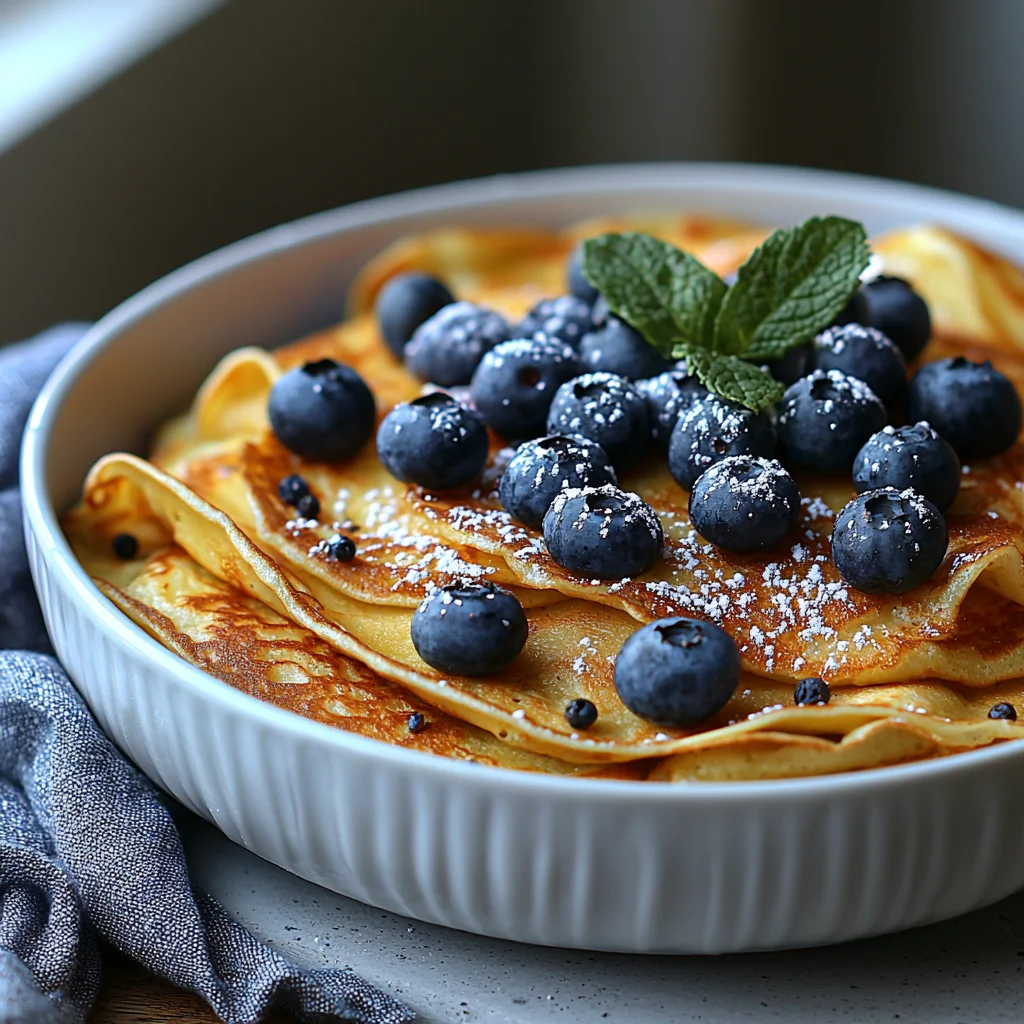
High Protein Crepes
Ingredients
Method
- In a mixing bowl, whisk together oat flour, protein powder, salt, and baking powder.
- In a separate bowl, beat the eggs and then add almond milk, coconut oil, and vanilla extract.
- Gradually combine the wet ingredients into the dry ingredients, stirring until smooth.
- Heat a non-stick skillet over medium heat and lightly grease with coconut oil.
- Pour 1/4 cup of batter into the skillet, tilting to spread it evenly.
- Cook for 2-3 minutes until edges lift, then flip and cook for another 1-2 minutes.
- Repeat with remaining batter, stacking crepes on a plate.
- Serve warm with your favorite toppings like fresh fruit, yogurt, or nut butter.


