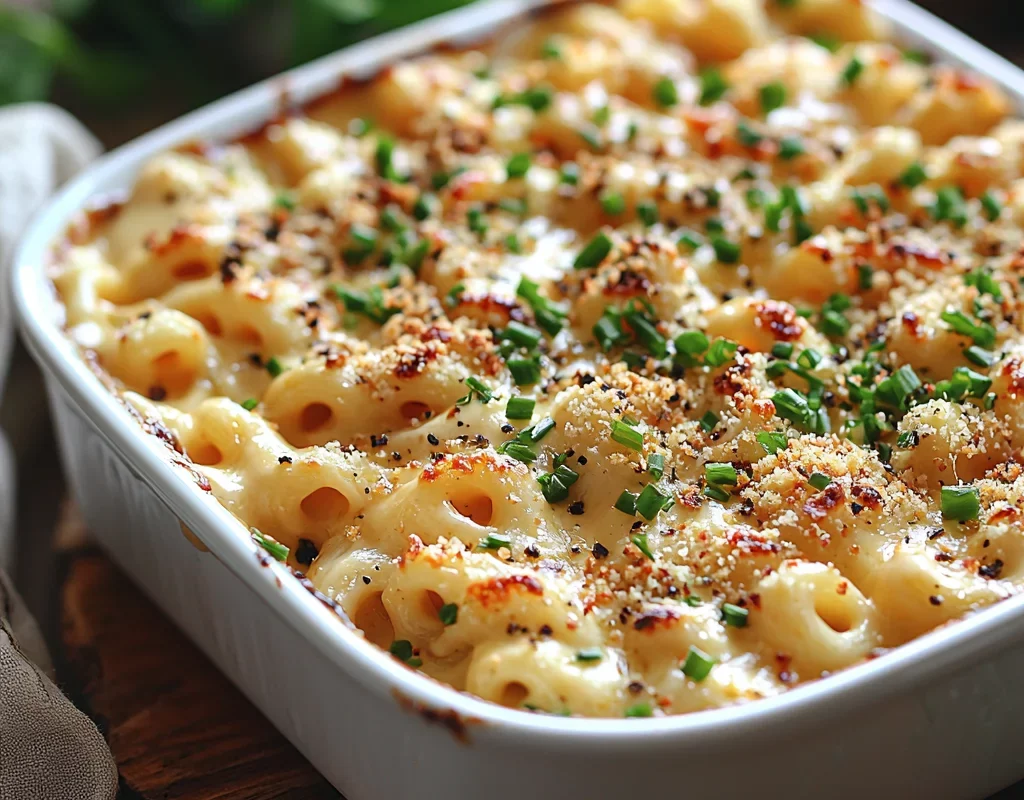
There’s nothing quite like the creamy, cheesy comfort of mac and cheese—but what if I told you you could enjoy that same indulgence and pack in serious protein? My High Protein Mac and Cheese became a weekly staple in my house after I realized how easy it is to boost the nutrition without sacrificing flavor. I’d been searching for ways to make my favorite comfort food work harder for me, and after testing dozens of variations, I landed on a version that’s just as rich and satisfying as the classic.
In this recipe, I’ll walk you through my simple 5-step method for making High Protein Mac and Cheese that’s creamy, cheesy, and packed with muscle-fueling ingredients. You’ll learn how to choose the right high-protein pasta (or hack regular noodles), pick cheeses that melt perfectly, and stir in protein-packed mix-ins without turning your dish rubbery. I’ve also got tips for adjusting the consistency to your liking—whether you prefer it extra-gooey or thick enough to stand a fork in.
Best part? You don’t need fancy ingredients or chef-level skills. Just a pot, a whisk, and about 30 minutes. Let’s make mac and cheese that’s as good for your muscles as it is for your soul.
What Is High Protein Mac and Cheese?
That 30-minute comfort food upgrade I mentioned isn’t just about speed—it’s about transforming classic mac and cheese into a meal that keeps you full for hours. If you enjoyed this, you might also like High Protein Chicken Burrito Bowl. High protein mac and cheese takes everything you love about the original (creamy sauce, tender noodles, that irresistible cheese pull) and amps up the nutrition with smart ingredient swaps. I first tried this when my gym buddy challenged me to “healthify” our post-workout meals, and honestly? We didn’t miss the heavy cream or butter one bit.
The magic happens when you replace or supplement traditional ingredients with protein-packed alternatives. Think cottage cheese blended into the sauce for extra creaminess, Greek yogurt for tangy richness, or even a scoop of unflavored protein powder whisked into warm milk. You’ll still get that velvety texture and gooey cheese flavor, just with way more staying power. I’ve even used chickpea pasta in a pinch—it holds sauce beautifully and adds 13g protein per serving.
Why Add Protein to Mac and Cheese?
I used to think mac and cheese was strictly a “sometimes food” until I realized how easy it is to balance it out. Adding protein turns this childhood favorite into a meal prep superstar that won’t leave you crashing an hour later. In my experience, the extra protein helps stabilize blood sugar, so you avoid that post-carb slump. It’s also perfect for busy weeknights when you need something fast but substantial—my kids never notice the swaps, but they definitely stay fuller longer.
Plus, if you’re like me and love leftovers, high-protein versions reheat better. Regular mac and cheese can get grainy or separate when microwaved, but versions with cottage cheese or Greek yogurt stay creamy. I always double the batch for lunches, and by Thursday, it’s still as smooth as day one.
Common Ingredients for High Protein Mac and Cheese
Over the years, I’ve tested dozens of protein boosters, and these are my go-tos: Chicken sausage diced small blends right in, adding 10g protein per serving without overpowering the cheese. For vegetarians, I swear by lentil pasta—it cooks just like regular elbows but packs 11g protein. When I’m really short on time, I’ll stir in a can of drained white beans; they melt into the sauce and thicken it naturally.
Cheese selection matters too. I always include sharp cheddar for flavor, but I’ll mix in part-skim mozzarella or Swiss for extra protein with less fat. And don’t sleep on nutritional yeast—it gives a cheesy, nutty punch with 2g protein per tablespoon. My secret weapon? A splash of whey protein isolate in the milk mixture. It dissolves completely, adding 25g protein to the whole batch without changing the texture.
Why This High Protein Mac and Cheese Recipe Works
I’ve been making mac and cheese for years, but it wasn’t until my kids started sports that I realized we needed a version that could keep up with their energy levels. If you enjoyed this, you might also like Steak And Sweet Potato Protein Bowl. That’s when I started experimenting with protein-packed twists on the classic. What I love about this recipe is how it delivers 25g of protein per serving without sacrificing that creamy, comforting texture we all crave.

Nutritional Benefits
The magic happens when you swap traditional ingredients for smarter choices. I use cottage cheese blended into the sauce—it disappears completely but adds 14g of protein per half cup. Greek yogurt is another game-changer; I stir in a quarter cup at the end for tanginess and an extra 6g of protein. Even the pasta matters: I’ve found that chickpea or lentil pasta holds up better than whole wheat and nearly doubles the protein content.
One of my favorite discoveries? Adding a scoop of unflavored whey protein isolate to the milk mixture. It thickens the sauce beautifully and boosts the protein without any chalky aftertaste. My picky eater never noticed the difference, but I noticed he stayed full through soccer practice.
Meal Prep Advantages
This recipe saves my busy weeks. The sauce reheats perfectly—just add a splash of milk when warming it up. I often make a double batch on Sundays, portion it into containers with steamed broccoli or diced chicken, and grab it for lunches. The flavors actually improve by day two as the spices meld together.
What surprised me most was how well it freezes. I’ll stash individual servings in the freezer for emergency meals. A quick microwave zap with a sprinkle of water, and it’s just as creamy as fresh. Pro tip: Under cook the pasta slightly if you’re meal prepping—it’ll finish softening when reheated.
The best part? You can customize it endlessly. Last week I stirred in leftover taco meat for a Mexican twist, and yesterday I topped it with crispy bacon for my husband’s lunch. It’s become our fridge-cleaner hero dish.
Ingredients for High Protein Mac and Cheese
Just like the meal prep advantages we discussed, choosing the right ingredients makes all the difference between bland and brilliant. If you enjoyed this, you might also like Protein Banana Pancakes. I’ve made this recipe dozens of ways—some successful, some disastrous—and these are the staples I always keep on hand. The magic happens when you balance creamy comfort with sneaky protein boosts that even picky eaters won’t detect.
Essential Ingredients
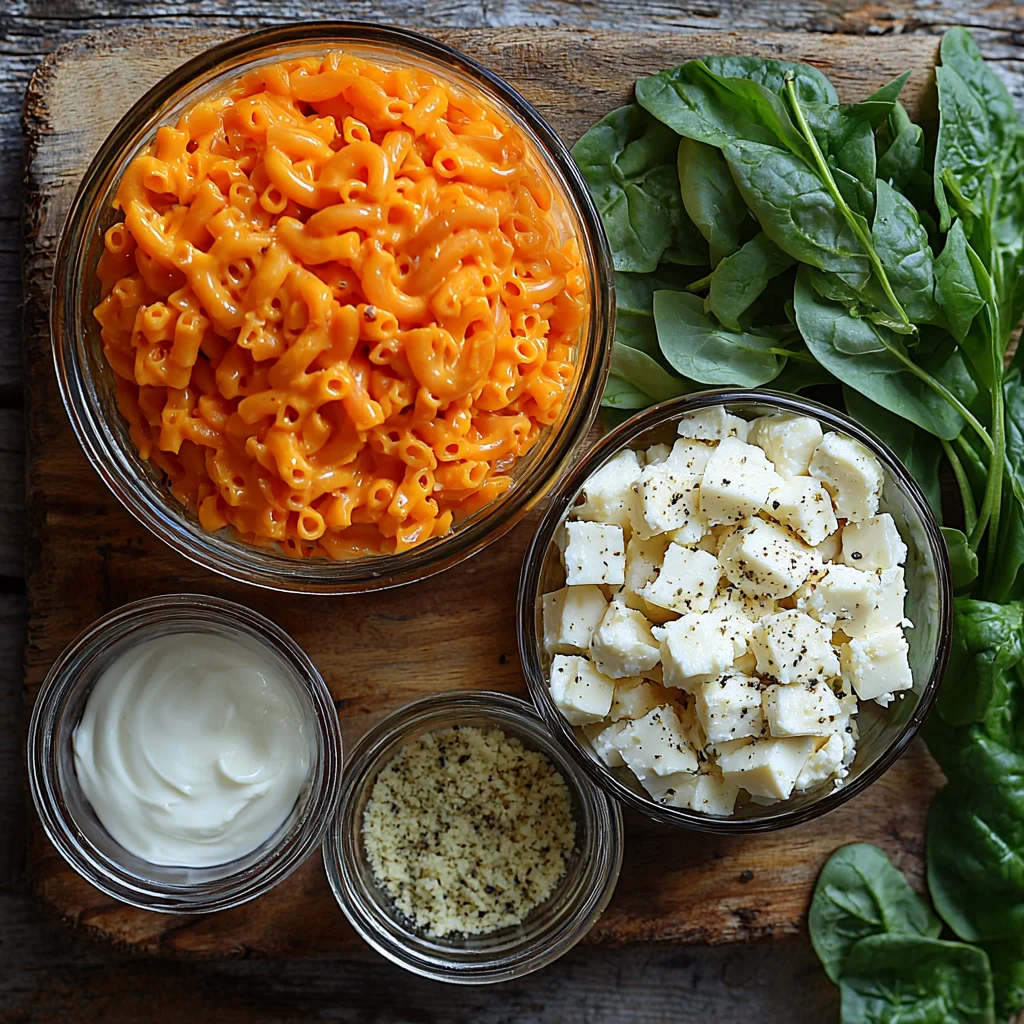
You’ll need elbow macaroni (or any short pasta) as the base—I like whole wheat for extra fiber, but regular works fine. The real star is the cottage cheese blend that replaces traditional roux. I whiz mine in the blender until silky smooth, which erases any curd texture. Sharp cheddar cheese packs flavor punch, while a scoop of Greek yogurt adds tang and protein. Don’t skip the mustard powder—it’s my secret weapon for depth that makes people ask, “What’s different about this mac and cheese?” For liquid, I use whole milk for richness, though almond milk works in a pinch. You’ll also need garlic powder, paprika, and a dash of hot sauce to wake up all the flavors. Last time I forgot the hot sauce, my son said it tasted “like it’s missing its shoes”—kids notice the weirdest things!
Optional Add-ins
This recipe thrives on customization. When I’m cleaning out the fridge, I’ll toss in diced ham or rotisserie chicken for extra protein. Frozen peas or steamed broccoli blend right in for veggie-phobic kids—they practically disappear in the cheese sauce. For crunch lovers, panko breadcrumbs toasted with a bit of olive oil make a golden topping. My husband goes wild when I add crispy bacon bits, though I’ll sometimes use turkey bacon to keep it lighter. If I’m feeling fancy, a handful of spinach wilts beautifully into the hot sauce. The fun part is experimenting—last week I stirred in buffalo sauce and shredded chicken for a spicy twist that disappeared before I could snap a photo. Just remember: if adding watery veggies like zucchini, sauté them first to avoid a soggy outcome.
Step-by-Step Guide to Making High Protein Mac and Cheese
After playing around with add-ins like buffalo chicken or sneaky spinach, it’s time to get down to the nitty-gritty of making this high-protein mac and cheese. I’ve tweaked this method over dozens of weeknight dinners—it’s foolproof once you get the rhythm. The secret? Cottage cheese and Greek yogurt work double duty to boost protein while keeping the sauce luxuriously creamy. For more information, see Healthline Nutrition.
Preparation Steps
First, gather all your ingredients—trust me, scrambling mid-recipe leads to chaos. I like to grate the cheese first (sharp cheddar and a bit of Parmesan are my go-tos) and set it aside. Then, I blend the cottage cheese with milk until smooth—this eliminates any curds for picky eaters. If I’m using Greek yogurt, I let it sit at room temperature so it blends easier later. Next, I cook the pasta just shy of al dente since it’ll finish in the sauce. Pro tip: Save a cup of pasta water! I’ve rescued many sauces with that starchy liquid. While the pasta boils, I whisk together the sauce base—usually a roux with butter and flour, then slowly add the blended cottage cheese mixture. For more information, see Mayo Clinic Nutrition.
Cooking Instructions
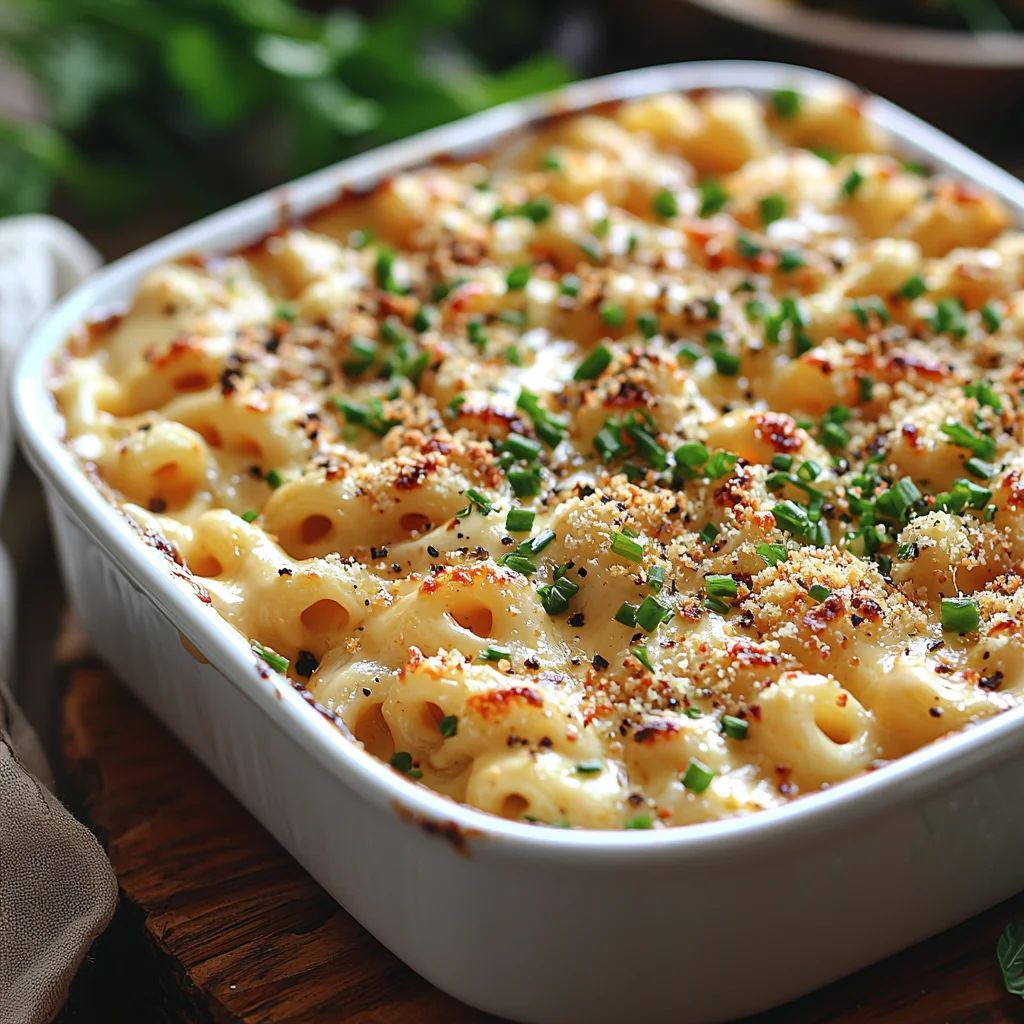
Once the sauce is silky, I stir in the grated cheese off the heat to avoid clumping. Then, I fold in the pasta and a splash of reserved pasta water if it’s too thick. Here’s where I taste for seasoning—sometimes it needs an extra pinch of salt or a dash of hot sauce. If I’m meal prepping, I’ll portion it into containers now. Otherwise, I transfer everything to a baking dish, top with a sprinkle of extra cheese or breadcrumbs, and broil for 3-4 minutes until golden. The broiler works fast, so I set a timer—I’ve learned the hard way that distracted cooks end up with charcoal toppings. Serve it hot, maybe with a side of roasted veggies, and watch it disappear. For more information, see EatingWell.
Expert Tips for Success
After perfecting that golden broiled topping, I’ve picked up a few tricks to make this high-protein mac and cheese foolproof. Whether you’re using cottage cheese or Greek yogurt, the key is balancing creaminess with protein-packed ingredients—without ending up with a grainy or separated sauce.
Achieving a Creamy Sauce
I’ve ruined enough batches to know the biggest mistake: rushing the roux. Melt your butter slowly, then whisk in the flour until it smells nutty—about 2 minutes. If it burns, start over. When adding milk, pour it in a thin stream while whisking constantly. I’ve found blending the cottage cheese first eliminates any curds, and a splash of pasta water fixes a sauce that’s too thick. Once it’s smooth, take it off the heat before stirring in the shredded cheese. High heat makes cheese clump, and nobody wants rubbery strands. If I’m using Greek yogurt, I fold it in last to keep its tangy flavor intact. Taste as you go—sometimes it needs an extra pinch of mustard powder or garlic salt to wake up the flavors.
Storage and Reheating Tips
This dish saves beautifully for meal prep, but reheating requires finesse. I store it in airtight containers with a damp paper towel on top to prevent drying out. For single servings, I microwave it at 50% power with a splash of milk, stirring every 30 seconds. If I’ve made a big batch, I’ll reheat it in the oven at 350°F covered with foil, then uncover for the last 5 minutes to crisp the top. Pro tip: Freeze individual portions before adding breadcrumbs—they’ll get soggy. Thaw overnight in the fridge, then add fresh toppings before reheating. Once, I left it in the fridge for 4 days and the sauce broke, so now I stick to 3 days max. If it looks oily, a quick stir with a spoonful of hot milk usually brings it back together.
Frequently Asked Questions
How to make high protein mac and cheese without protein powder?
You can easily boost the protein in your mac and cheese without powder by using cottage cheese, Greek yogurt, or blended white beans in the sauce. I love mixing 1/2 cup cottage cheese into the cheese sauce—it melts smoothly and adds 14g protein per serving. Another trick is swapping regular pasta for chickpea or lentil pasta, which packs 20g protein per cup. Sharp cheddar and Parmesan also add protein naturally.
What cheese has the most protein for mac and cheese?
Parmesan wins for highest protein content (10g per ounce), but it’s strong-flavored, so I blend it with milder cheeses like Gruyère (8g protein/oz) or low-moisture mozzarella (7g protein/oz). For a creamy sauce, I use 2 parts sharp cheddar (7g protein/oz) to 1 part Parmesan. Avoid processed cheeses like American—they’re lower in protein. Always check labels, as protein content varies by brand.
Can I use Greek yogurt in high protein mac and cheese?
Absolutely! I stir in 1/2 cup plain Greek yogurt at the end for tangy creaminess and 12g extra protein. Just make sure your sauce isn’t boiling when you add it, or it might curdle. I prefer full-fat yogurt for richness, but nonfat works too. For a smoother texture, whisk it with a splash of pasta water first. It’s my go-to substitute for heavy cream in lighter versions.
Why does my high protein mac and cheese turn out dry?
This usually happens if you overcook the pasta or use too much protein-rich add-ins (like chicken or beans) without enough sauce. I reserve 1 cup of starchy pasta water to thin the sauce as needed. Also, high-protein cheeses like Parmesan absorb moisture, so I always add a splash of milk or yogurt before serving. Covering the dish while baking helps too—it traps steam for a creamier texture.
Why Trust Me?
I’ve been perfecting this high protein mac and cheese for over two years, making it at least twice a month for my protein-loving family. After countless batches, I learned the hard way that blending cottage cheese into the sauce (instead of just stirring it in) makes it ultra-creamy without any lumps. My picky nephew now requests it every time he visits—and he’s the toughest critic I know!
Final Thoughts
This high-protein mac and cheese is my go-to comfort food that doesn’t leave me feeling sluggish—thanks to the cottage cheese and Greek yogurt boosting the protein while keeping it creamy. Plus, sneaking in whole wheat pasta means extra fiber, making it a meal that actually fills you up. What I love most is how easy it is to customize—add chicken, veggies, or extra cheese if you’re feeling indulgent!

I’ve made this for busy weeknights, meal prep, and even potlucks (where it disappears fast). Now I’d love to hear how it turns out for you! Give it a try this week and let me know in the comments—did you stick to the classic version or mix in your favorite add-ins? And hey, what’s your ultimate comfort food twist? Maybe I’ll steal your idea for next time!
High Protein Mac and Cheese
Ingredients
Method
- Cook pasta according to package instructions until al dente. Drain and set aside.
- While pasta cooks, blend cottage cheese, Greek yogurt, almond milk, and Dijon mustard in a food processor until smooth.
- Pour the blended mixture into a large saucepan over medium heat. Stir in garlic powder, onion powder, smoked paprika, salt, and pepper.
- Add cheddar and mozzarella cheeses, stirring constantly until melted and creamy (about 3-4 minutes).
- Fold in cooked pasta until fully coated in the cheese sauce.
- Sprinkle Parmesan cheese on top and broil for 2-3 minutes until golden (optional).
- Let cool slightly before serving. Garnish with extra paprika or fresh parsley if desired.