
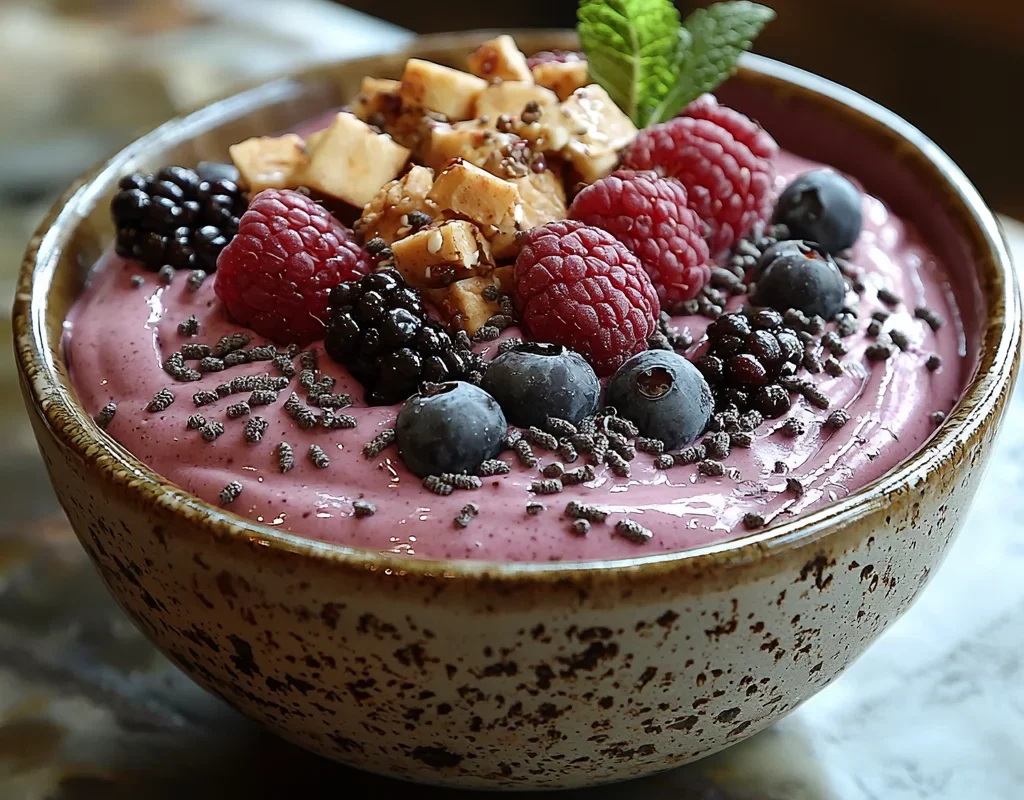
I still remember the first time I tried a High Protein Smoothie Bowl—it was life-changing. I’d been stuck in a breakfast rut, alternating between toast and yogurt, until a friend introduced me to this nutrient-packed powerhouse. Now, it’s my go-to morning meal, especially on busy days when I need sustained energy. If you’re looking for a delicious, filling, and protein-rich breakfast that’s easy to customize, you’re in the right place. Today, I’ll walk you through my foolproof method for making the perfect High Protein Smoothie Bowl, along with tips, variations, and answers to common questions.
What Is a High Protein Smoothie Bowl?
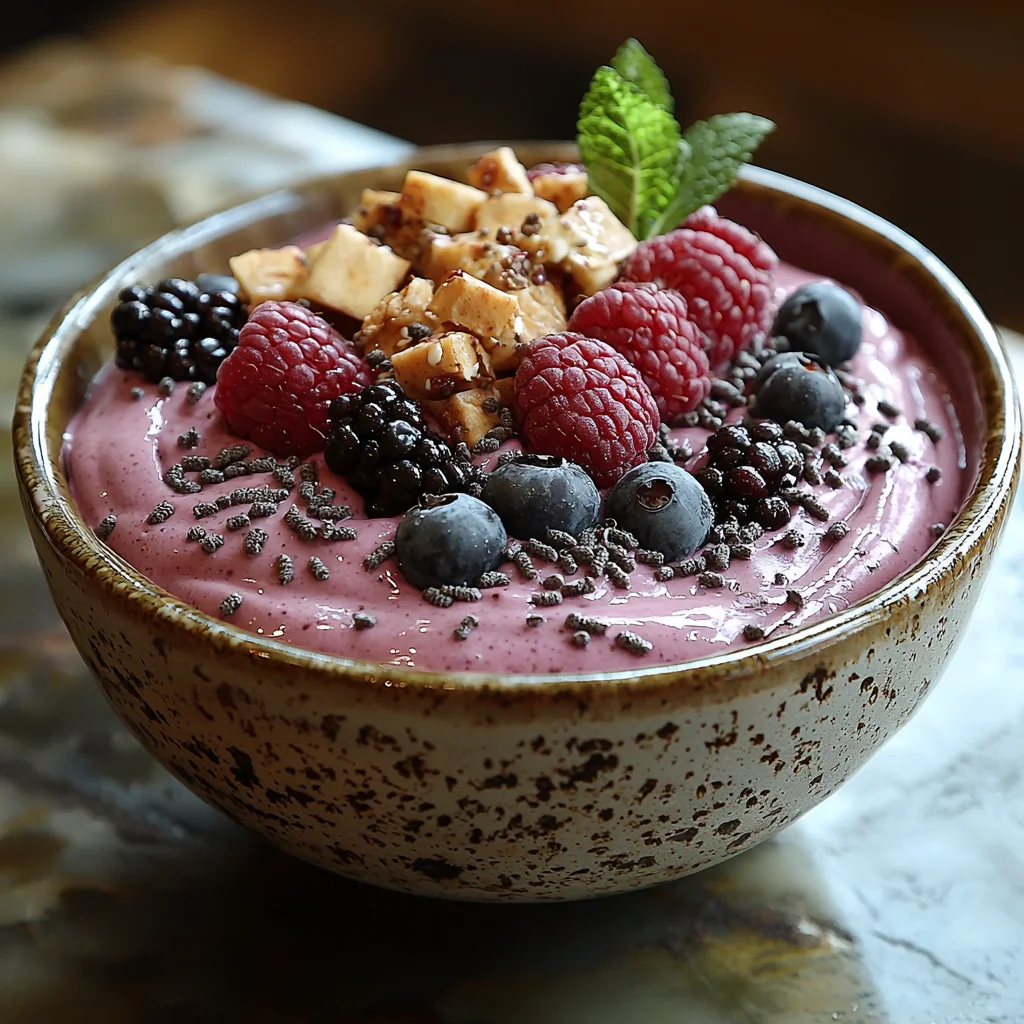
A High Protein Smoothie Bowl is a thicker, spoonable version of a smoothie, packed with protein from ingredients like Greek yogurt, protein powder, or nut butter. If you enjoyed this, you might also like High Protein Chicken Burrito Bowl. Unlike regular smoothies, which are often sipped through a straw, this bowl has a creamy, almost ice-cream-like consistency, topped with crunchy, colorful additions like granola, nuts, and fresh fruit.
Why Choose a Smoothie Bowl?
First, let’s talk texture. The thicker base means you’ll actually feel like you’re eating a meal, not just drinking one. Plus, the toppings add a satisfying crunch that keeps things interesting. Second, it’s incredibly versatile—you can tweak the ingredients based on dietary needs or flavor preferences. And finally, it’s a fantastic way to sneak in extra nutrients without feeling like you’re “eating healthy.” Trust me, once you try it, you’ll be hooked.
Why High Protein Smoothie Bowls Work
If you’ve ever had a smoothie and felt hungry an hour later, you know the struggle. If you enjoyed this, you might also like Steak And Sweet Potato Protein Bowl. The secret to staying full? Protein. A High Protein Smoothie Bowl keeps hunger at bay by balancing macronutrients, so you’re not crashing by mid-morning. I’ve found that starting my day with one helps me avoid unnecessary snacking and keeps my energy steady.
Health Benefits
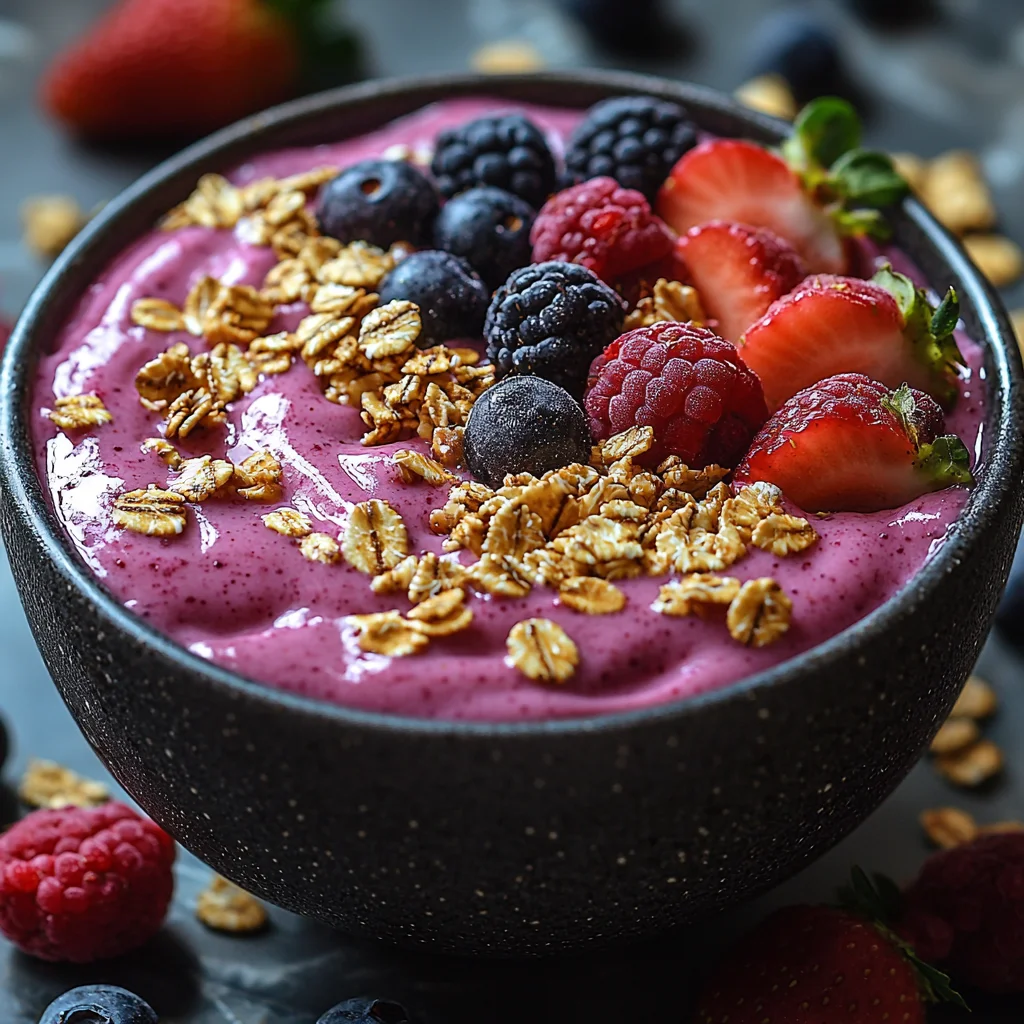
Beyond just keeping you full, these bowls offer serious health perks. The protein supports muscle repair (great post-workout), while fiber from fruits and seeds aids digestion. Antioxidant-rich berries boost immunity, and healthy fats from nuts or chia seeds keep your brain sharp. Plus, since you control the ingredients, you can avoid added sugars found in store-bought versions.
Ingredients for a Perfect High Protein Smoothie Bowl
Here’s what you’ll need for the base:
- Frozen fruit (bananas, berries, or mango work best)
- Protein source (Greek yogurt, protein powder, or silken tofu)
- Liquid (almond milk, coconut water, or regular milk)
- Healthy fats (nut butter, chia seeds, or flaxseeds)
Choosing the Right Protein Powder
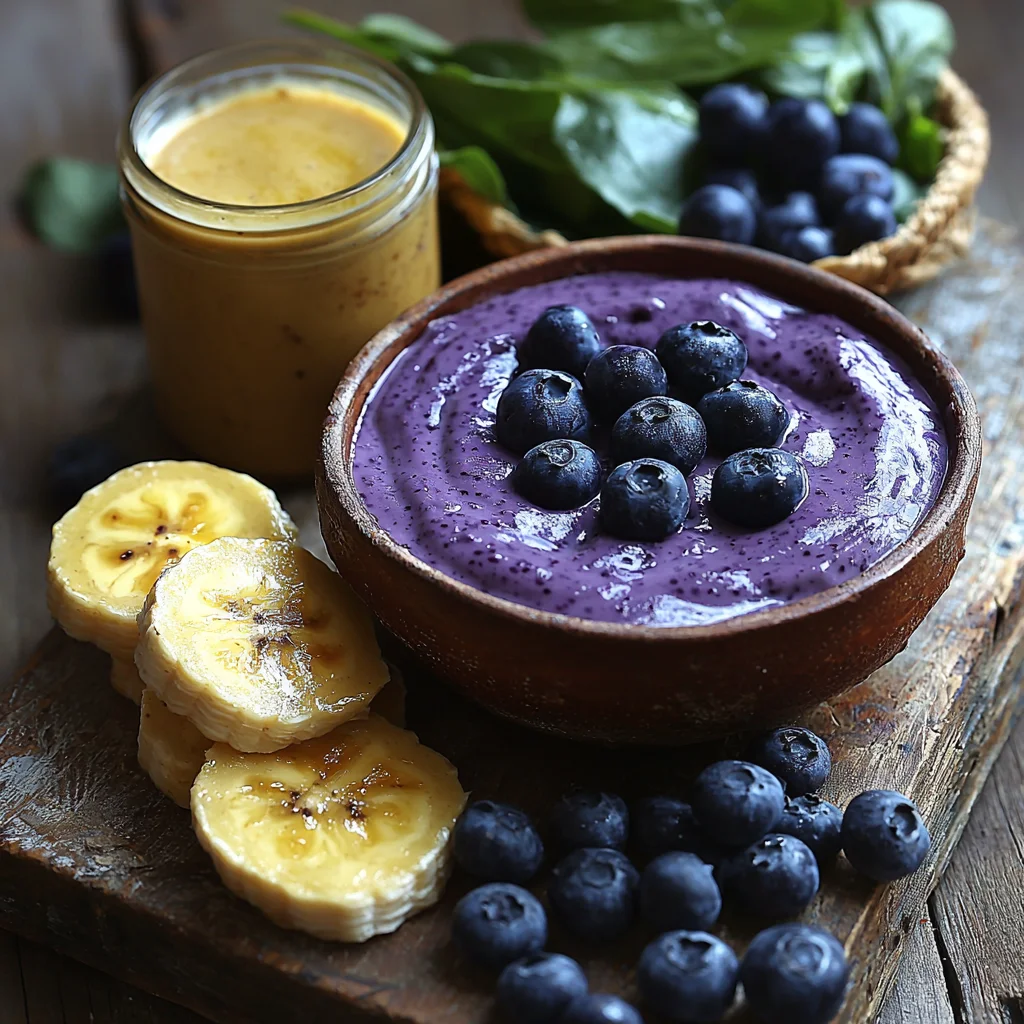
Not all protein powders are created equal. If you enjoyed this, you might also like Buffalo Chicken Protein Bowl. I’ve tried dozens, and here’s what I’ve learned: whey protein blends smoothly but isn’t vegan; plant-based options (like pea or hemp) can be grainier, so opt for brands with good reviews. My personal favorite is vanilla collagen powder—it dissolves perfectly and adds a subtle sweetness.
Step-by-Step Guide to Making a High Protein Smoothie Bowl
Ready to blend? Here’s my step-by-step method:
- Start with frozen fruit—this ensures a thick, creamy texture. 2. Add your protein—I use half a scoop of powder and a dollop of Greek yogurt. 3. Pour in liquid slowly—too much, and you’ll get soup; too little, and your blender will struggle. 4. Blend until smooth—pause to scrape down the sides if needed. 5. Adjust consistency—add more liquid or ice as desired. 6. Pour into a bowl—the wider the bowl, the more room for toppings! 7. Load up on toppings—think granola, coconut flakes, and fresh berries.
Blending Tips
If your blender’s struggling, try pulsing first to break down frozen fruit. Also, layer ingredients with liquids at the bottom for smoother blending. And here’s a pro tip: freeze your banana in chunks—they blend easier than whole frozen bananas.
Expert Tips for Success
After making hundreds of these bowls, I’ve picked up a few tricks. First, pre-portion toppings in small containers for quick assembly. Second, rotate your fruits to avoid flavor fatigue—try tropical mixes or chocolate-peanut butter combos. Third, meal prep the base by freezing single-serving portions for grab-and-go mornings.
Storage Tips
While best fresh, you can store the blended base in the fridge for a day (it’ll thicken further). For longer storage, freeze it in jars and thaw overnight. Just give it a quick stir before eating.
Common Mistakes to Avoid
The biggest pitfall? Overloading on sweeteners. Natural sugars from fruit are plenty. Also, don’t skip the fat—it’s key for satiety. And avoid watery fruits like watermelon unless you want a runny mess.
Topping Overload
It’s tempting to go wild with toppings, but too many can overwhelm the bowl. Stick to 2-3 crunchy elements and 1-2 fresh fruits for balance.
Variations and Substitutions
Not a fan of dairy? Swap yogurt for coconut milk yogurt. Nut-free? Use sunflower seed butter. For a vegan High Protein Smoothie Bowl, try pea protein powder and flax eggs. The options are endless!
Vegan Alternatives
Silken tofu is my secret weapon for vegan bowls—it adds creaminess and protein without altering flavor. Blend it with frozen berries and almond milk for a plant-powered breakfast.
Nutritional Information
A typical bowl (with Greek yogurt and protein powder) packs about 25-30g protein, 10g fiber, and healthy fats. It’s a balanced meal that fuels your body without spiking blood sugar. For more information, see Serious Eats Cocktails.
Macronutrient Breakdown
Here’s a rough estimate per serving:
- Calories: 300-400
- Protein: 25-30g
- Carbs: 40g (mostly from fruit)
- Fats: 10g (from nuts/seeds)
Why Trust Me?
I’ve been making High Protein Smoothie Bowls every weekday for the past two years—rain or shine. After tweaking ratios endlessly, I’ve nailed the perfect thickness-to-flavor balance. My kids even beg for them now (a miracle, considering they used to hate “green stuff”). For more information, see Healthline Healthy Drinks.
Expert Tips and Common Mistakes I’ve Learned the Hard Way
After making hundreds of protein smoothie bowls over the years, I’ve definitely made my share of mistakes. Actually, I remember my first attempt was basically protein powder soup with some sad frozen berries on top. Now I know the secrets that’ll help you nail the perfect consistency every single time. For more information, see Bon Appétit Drinks.
First, always add your liquid ingredients to the blender before anything else. I used to dump everything in randomly, and my poor blender would struggle with chunks of frozen fruit stuck at the bottom. Also, start with less liquid than you think you need. You can always add more, but you can’t take it out once your bowl turns into a drinkable smoothie.
The biggest game-changer I discovered was using frozen banana as my base. Fresh bananas make everything too thin and warm, which totally defeats the purpose of a thick, creamy bowl. I always keep sliced bananas in my freezer specifically for smoothie bowls. Plus, they add natural sweetness that balances out the sometimes chalky taste of protein powder.
Temperature control is absolutely crucial for that perfect ice cream-like texture. Actually, I learned this lesson when I tried making a smoothie bowl on a hot summer day with room temperature ingredients. Everything melted before I could even add my toppings. Now I chill my bowl in the freezer for ten minutes before assembling my smoothie base.
Don’t make the mistake I used to make with protein powder ratios. More isn’t always better when it comes to protein content. I once added three scoops thinking I was being super healthy, but the texture became gritty and the flavor was overwhelming. One to two scoops is usually the sweet spot for both taste and nutrition.
Smart Ingredient Selection and Creative Substitutions
Choosing the right ingredients can make or break your smoothie bowl experience. I’ve experimented with countless combinations, and some work beautifully while others are complete disasters. Let me share what I’ve learned about picking ingredients that’ll give you the best results.
For the protein base, I personally love vanilla or unflavored protein powder because they’re so versatile. Chocolate works great too, but it can overpower delicate fruit flavors. Actually, I keep both vanilla and chocolate on hand so I can match the protein to my mood and toppings.
When you’re out of frozen berries, don’t panic. Frozen mango chunks work incredibly well and add natural creaminess. I’ve also used frozen pineapple, which gives a tropical twist that’s absolutely divine with coconut flakes. Even frozen cauliflower rice works as a neutral base, though I know that sounds weird.
Greek yogurt is my secret weapon for extra thickness and tang. But, if you’re dairy-free like my sister, coconut yogurt works beautifully too. I’ve also used silken tofu as a protein boost, and nobody could tell the difference. It adds amazing creaminess without any weird flavors.
For liquid bases, I usually reach for unsweetened almond milk, but coconut milk makes everything taste like dessert. When I’m feeling fancy, I’ll use cold brew coffee instead of regular milk for a mocha-inspired bowl. Just remember that different liquids affect the final thickness, so adjust accordingly.
Nut butters are fantastic for healthy fats and extra protein, but they can make your bowl too thick if you’re heavy-handed. Start with just one tablespoon and blend thoroughly before adding more.
Frequently Asked Questions
Are protein smoothie bowls healthy?
Absolutely! When made with whole ingredients, they’re a nutrient-dense meal. Just watch out for store-bought versions with added sugars. My homemade bowls keep me full for hours without the crash.
What is a good smoothie for pancreatitis?
For pancreatitis, focus on low-fat, easily digestible ingredients. Try a base of banana, oat milk, and plant-based protein powder, avoiding heavy nut butters or dairy.
Is a smoothie ok for GERD?
Yes, but skip citrus and acidic fruits. Banana-based bowls with almond milk and a scoop of protein are gentle on the stomach.
Are smoothies good for prediabetes?
They can be! Use low-glycemic fruits like berries and add protein/fat to slow sugar absorption. Avoid fruit juices or sweetened yogurts.
Final Thoughts
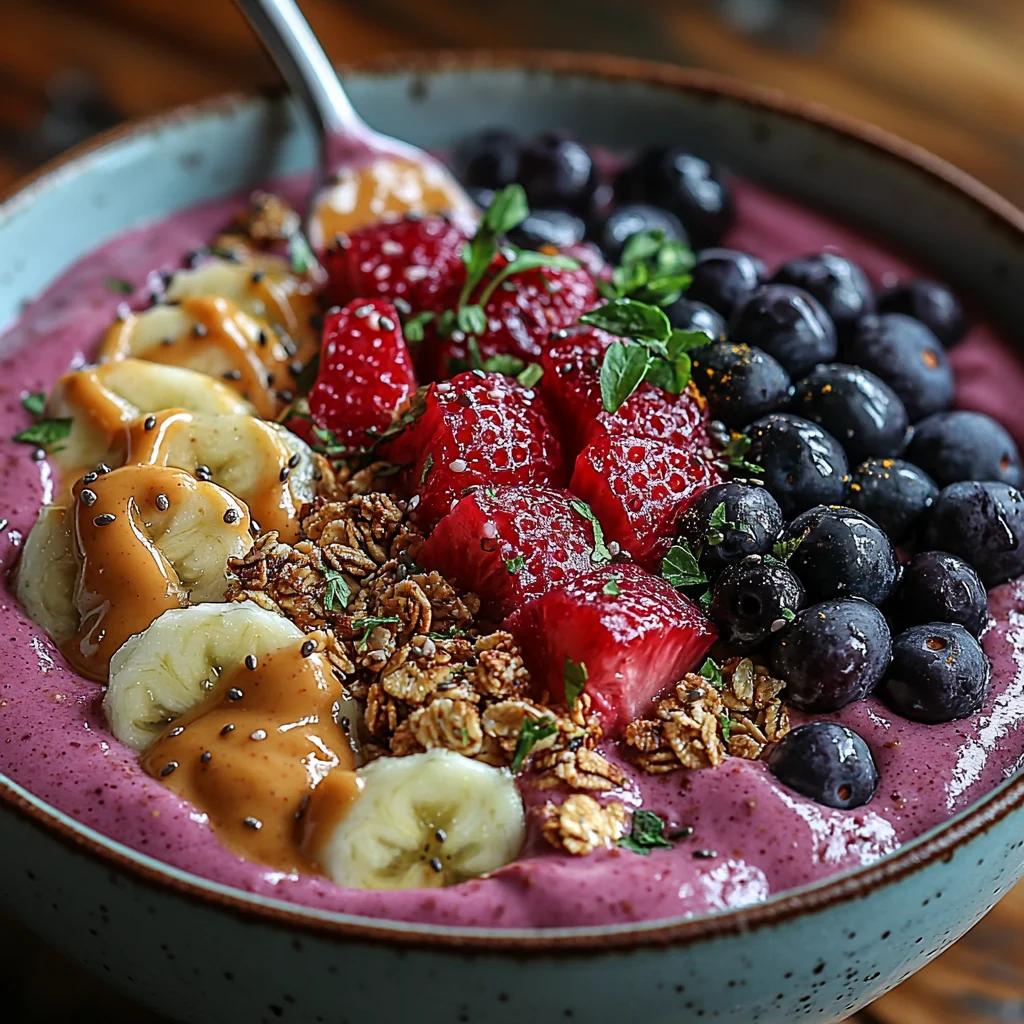
If you’re looking for a breakfast that’s equal parts delicious and nutritious, this High Protein Smoothie Bowl is a game-changer. It’s become my morning ritual—quick to make, endlessly customizable, and always satisfying. Give it a try, and let me know your favorite combo in the comments!
High Protein Smoothie Bowl
Ingredients
Equipment
Method
- Add the almond milk to the blender first, followed by the Greek yogurt, protein powder, and nut butter. Layer the frozen banana chunks and frozen berries on top.
- Pulse a few times to break down the frozen fruit, then blend until smooth and thick. Pause to scrape down the sides as needed. The consistency should be very thick and spoonable — much thicker than a regular smoothie. If the blender struggles, add a tiny splash more liquid, but go slowly to avoid making it too thin.
- Pour the smoothie base into a wide, chilled bowl. Smooth the surface with the back of a spoon to create an even canvas for toppings.
- Arrange your toppings in sections over the smoothie base: granola for crunch, coconut flakes, chia seeds, fresh berries or sliced fruit, and an optional drizzle of honey or nut butter. Stick to 2–3 crunchy elements and 1–2 fresh fruits for the best balance. Serve immediately.


